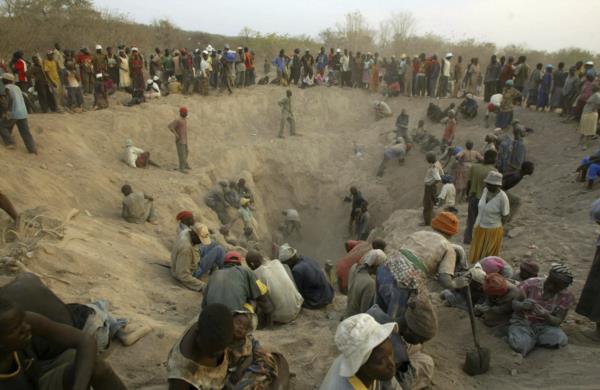
The United States and its Western allies, along with Russia, have come together to reaffirm their commitment to the Kimberley Process at a recent U.N. General Assembly meeting. The Kimberley Process, established in 2003 in response to conflicts in Africa fueled by the trade in 'blood diamonds,' aims to certify rough diamond exports and prevent the use of diamonds to finance armed conflicts.
The resolution adopted by the 193 member nations acknowledges the role of the Kimberley Process in preventing conflicts associated with diamond trade and supporting the implementation of sanctions on conflict diamonds by the Security Council.
Zimbabwe, which chaired the Kimberley Process in 2023, emphasized the importance of ensuring that diamonds promote sustainable development rather than conflict. The resolution highlights the potential of diamond profits to fund armed movements, destabilize governments, and facilitate the illegal arms trade.
Despite challenges faced by the Kimberley Process, including the recent tensions between Russia and Western nations following the invasion of Ukraine, the General Assembly's resolution underscores the continued relevance of the initiative in combating conflict diamonds.
The European Union called for reforms to broaden the definition of conflict diamonds and address environmental concerns related to the diamond trade. The need to delink diamonds from conflict and strengthen the Kimberley Process was reiterated by Britain, while the United Arab Emirates emphasized the importance of enhancing the initiative through the establishment of a permanent secretariat and the integration of digital technologies.
While differences persist among participating nations, the resolution signals a collective effort to uphold the Kimberley Process and prevent the exploitation of diamonds for illicit purposes. The ongoing dialogue and proposed reforms aim to ensure that diamonds serve as a catalyst for positive development rather than a source of conflict and instability.