A new assessment of corporate climate risk has found that extreme weather events are placing nearly $1 trillion in potential financial exposure across global companies, cities and financial systems, underscoring the growing economic impact of floods, heatwaves, storms and wildfires.
The findings come from the latest disclosure analysis coordinated through the environmental reporting platform CDP, which reviewed responses from thousands of companies and public entities on climate-related risks and costs. The data shows that firms are already anticipating roughly $900 billion in losses tied to extreme weather disruptions, with wider system-wide exposure reaching close to $1 trillion across reported assets and operations.
Corporate disclosures included in the assessment show that infrastructure, manufacturing, energy and food systems are among the most exposed sectors. The analysis draws from thousands of self-reported climate risk disclosures submitted by businesses and cities worldwide.
Sustainable Views highlighted that companies are increasingly facing what it described as a "systemic cost" from climate-linked disruptions, with financial pressure spreading through supply chains, logistics networks and insurance markets.
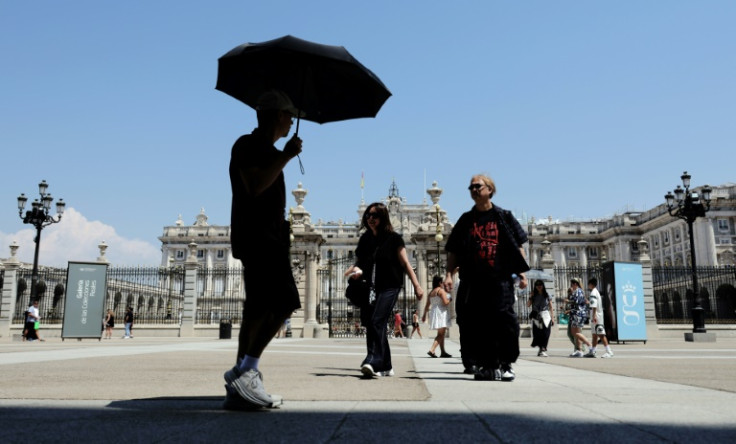
The figures come at a time when recent global events have already placed additional strain on supply chains and energy systems. The war in Ukraine has disrupted global energy flows and grain exports, while ongoing instability in the Middle East has added volatility to oil prices and shipping routes. These geopolitical disruptions have overlapped with climate-related shocks, including heatwaves in Europe, flooding events in South Asia and wildfire seasons across North America, amplifying stress on production and transport networks.
Another industry review of the CDP data by ESG Today reported that companies are forecasting losses approaching $900 billion from extreme weather impacts, including operational downtime, asset damage, and supply chain interruption.
The financial risk is not limited to private companies. Cities and public infrastructure systems also feature heavily in the disclosures, with transportation networks, housing, water systems and power grids identified as particularly vulnerable to extreme weather stress.
Meanwhile, a broader industry analysis by Business Green noted that the scale of exposure points to a "dangerous domino effect" across sectors, where disruptions in one region or industry can cascade into wider economic impacts.
Insurance markets have also come under pressure in regions experiencing repeated climate-related disasters. Rising claims linked to floods, storms and wildfires have contributed to higher premiums and, in some areas, reduced coverage availability for high-risk zones.
The CDP analysis also connects these risks to long-term capital allocation, as companies reassess asset locations, supply chain structures and operational dependencies in response to repeated extreme weather events. The report emphasizes that a growing share of corporate reporting now includes quantified climate risk exposure, reflecting increased regulatory and investor pressure for disclosure.