We must be wary of mirages in this Year of the Virus, but the accompanying Johns Hopkins University global COVID case curve confirms that daily infection rates are back where they were in mid-July, and almost 25 per cent down on the absolute peak - so far - of more than 304,000 new cases on August 14.
Eight months into the pandemic, three distinct phases are evident.
The first began in Wuhan, with a detached world looking on, thinking, largely, it was China's problem, a curiosity rather than a threat.
CORONAVIRUS CHRONICLE:
- Genetic virus testing links Pius X cases to Crossroads at Liverpool
- Virus snapshot Australia-wide
- Barilaro says NSW will consider easing Victorian border barrier
- The Informer: majority support ankle bracelets for positives, says poll
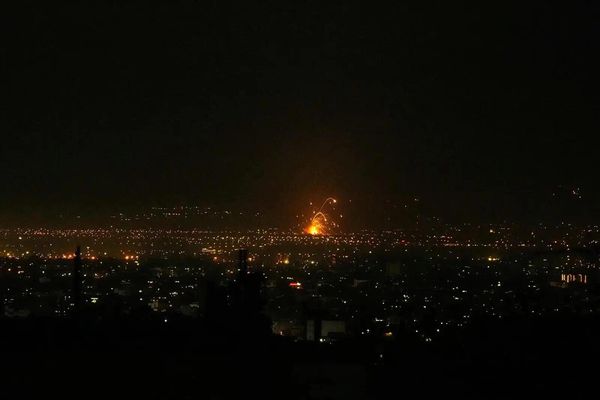
- Gaza Strip in lockdown over COVID
- French virus rates on the rise
- ALERT: Hong Kong man confirmed as infected twice in four months
- KFC 'finger lickin' good' ads dumped over pandemic hygiene concerns
The second phase saw international travel spread the virus to the four winds before the shutters went up, initially in more advanced nations, and with a bias towards richer pockets within them: hence the early Australian controversies about Toorak parties and skiers returning from Aspen.

The third phase, where we are at the moment, has seen COVID-19 race through less wealthy nations in Africa, South America and the Indian sub-continent.
Although some small island nations have avoided infection altogether, the virus is now effectively established around the world.
Just four countries in the top 30 by number of infections - India, Colombia, Argentina and Ukraine - are still on their first upward sweep.
For most nations, daily case numbers have risen and fallen, sometimes repeatedly, and in no obvious pattern.

Every country, by now, will have settled on a broad national response to the virus.
This, combined with its effective worldwide spread, means we may well be in the "mature" phase of the pandemic.
Infection patterns at a national or state level will likely reflect the "dance" - as it's been called - between the economic costs of preventative lock-downs, and the human costs, in virus-related deaths and illness, of free movement.
This pendulum seems destined to swing back and forth until the world can be vaccinated, or until the virus mutates into something less aggressive, which is a possibility, based on previous contagions.

Australia has made mistakes in responding to this unprecedented situation.
No country has not. But consider this.
Yesterday, our tally of coronavirus deaths stood at 517, or 20.5 fatalities per million Australians.
More than 80 countries have higher rates, topped by Belgium, at 875 deaths per million people.
A Belgian death rate would have cost us 22,300 lives.
We have paid a price, but nowhere near as high as many.
ISSUE: 39,396.

IN THE NEWS:
- Newcastle council ditches digital resident parking permits, returns to paper
- FOI wrangle over state government plans for Newcastle High
- Belmont South street stabbing murder trial latest
- Development application approved to refurbish Victoria Theatre
- Barry Toohey on why Mason Lino is back in first grade: SUBSCRIBER