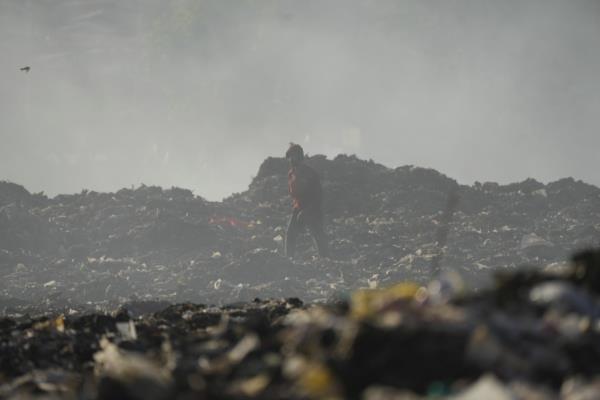
U.N. agencies have issued a warning regarding the escalating issue of electronic waste, commonly known as e-waste, which is rapidly accumulating on a global scale. E-waste comprises discarded electronic devices such as cellphones, laptops, TVs, and solar panels, among others. In a recent report, it was revealed that a staggering 62 million tons of e-waste was generated in 2022, a figure projected to reach 82 million tons by 2030.
The report highlighted that valuable metals like copper, gold, and iron accounted for half of the 62 million tons, with a total estimated value of $91 billion. Plastics made up 17 million tons, while the remaining 14 million tons included composite materials and glass. Shockingly, only 22% of the e-waste generated in 2022 was properly collected and recycled, a figure expected to decline to 20% by 2030 due to various factors such as increased consumption, limited repair options, and inadequate waste management infrastructure.
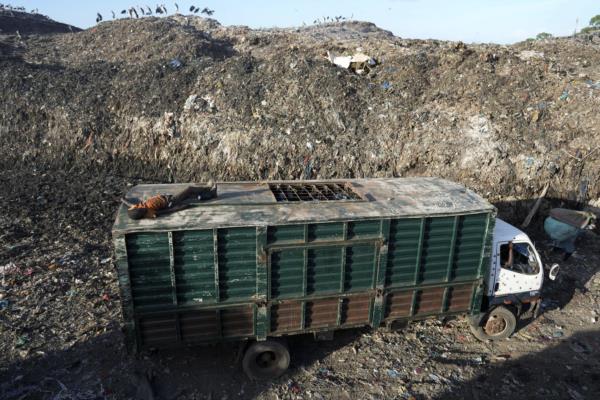

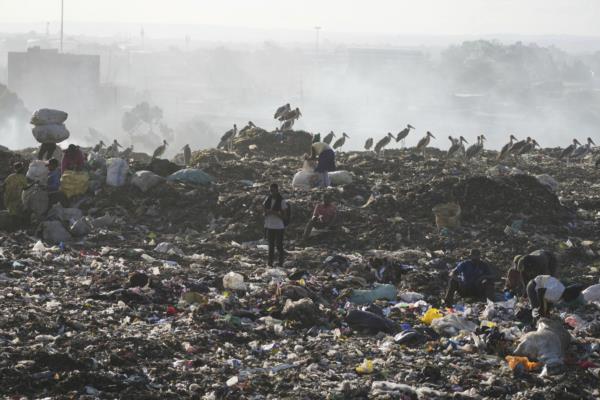
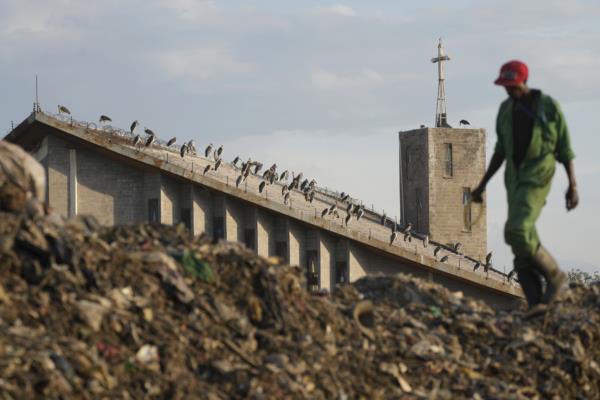
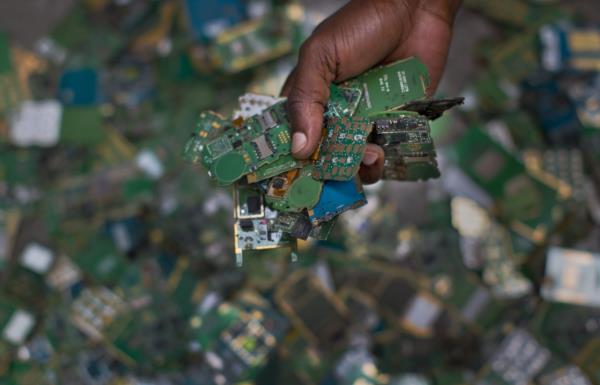

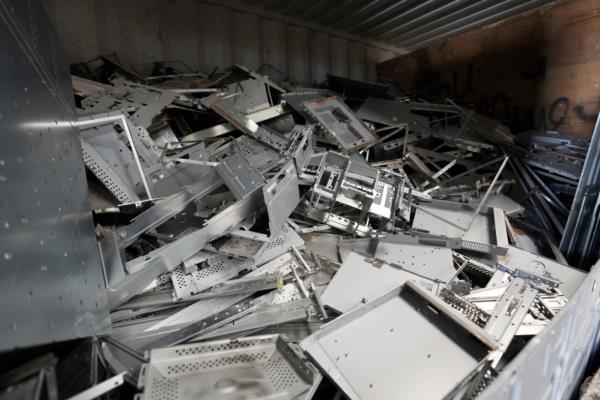

Moreover, the report emphasized the presence of hazardous elements like mercury in discarded electronic devices, as well as rare Earth metals that are highly sought after by tech manufacturers. Currently, only 1% of the demand for these rare metals is met through recycling efforts.
Geographically, Asia generates approximately half of the world's e-waste, with recycling rates exceeding 40% in Europe but remaining at a mere 1% in Africa. The report underscored the urgent need for sound regulations to enhance e-waste collection and recycling practices globally.
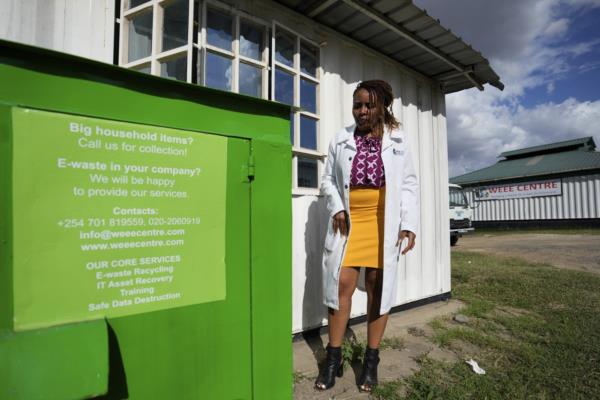
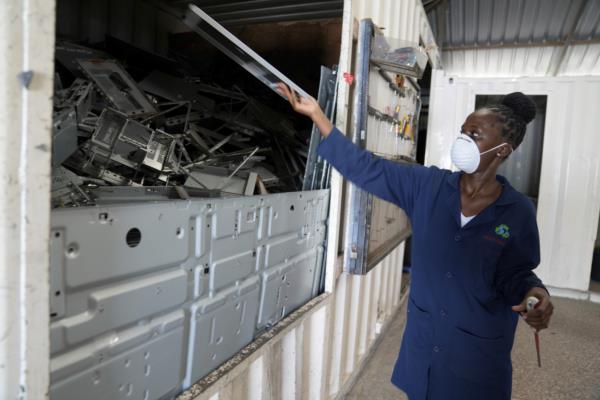
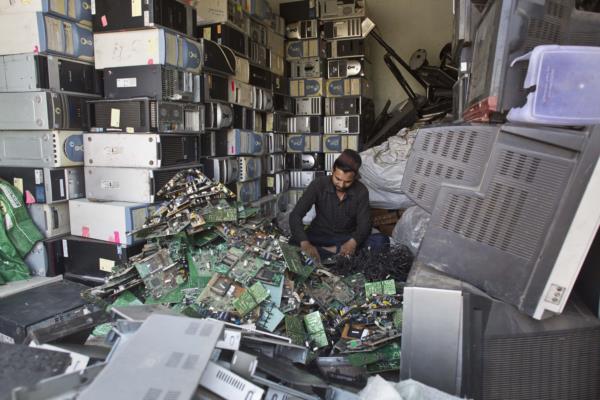
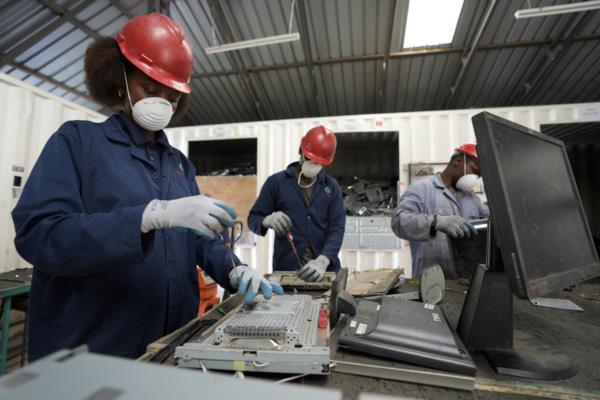
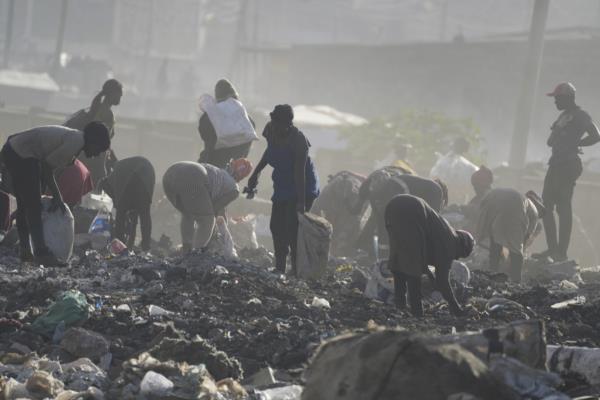
In light of these challenges, individuals in developing countries often resort to scavenging e-waste for economic gain, despite the associated health risks. Recycling facilities like Nairobi's WEEE center offer safe disposal options for old electronic equipment, ensuring proper data wiping and testing for potential reuse.
Experts have raised concerns about the environmental impact of e-waste on soil and water contamination, emphasizing the importance of increased recycling and re-use initiatives. Efforts are underway to train and equip individuals involved in e-waste harvesting to ensure safer practices and sustainable solutions.
The growing e-waste crisis demands immediate action and collaboration on a global scale to address the mounting environmental and health risks associated with electronic waste accumulation.