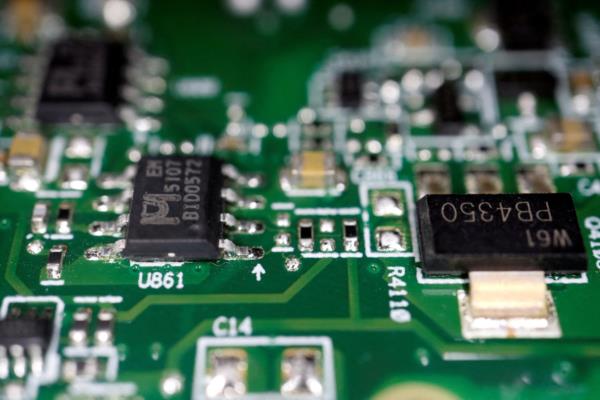
Global chip sales are set to experience a significant increase this year, with a forecasted jump of 13%. This positive prediction comes after a challenging year in 2023 for the chip industry, which faced numerous obstacles and setbacks. The forecast, provided by an industry group, offers a glimmer of hope for the global semiconductor market.
The chip industry, which plays a critical role in the production of various electronic devices, endured a tumultuous period in 2023. The effects of the COVID-19 pandemic, supply chain disruptions, and an ongoing global semiconductor shortage all contributed to the difficulties faced by chip manufacturers. These unfortunate circumstances led to a decline in chip sales and hindered the timely delivery of products.
However, as the global economy slowly recovers and demand for electronic devices remains strong, there appears to be light at the end of the tunnel for the chip industry. The projected 13% increase in chip sales for 2024 offers a much-needed respite and potential for growth.
Several factors contribute to the optimistic outlook for the chip market this year. First and foremost, the pandemic-induced shift towards remote work and online activities continues to drive the demand for electronic devices. This sustained demand, coupled with the gradual easing of supply chain disruptions, positions the chip industry for a rebound in sales.
Additionally, the industry has been taking proactive measures to address the chip shortage and increase production capacity. Several chip manufacturers have announced plans to invest in new fabrication facilities or expand existing ones, in an effort to meet the growing demand. These investments aim to improve manufacturing efficiency and increase the overall supply of chips, thus alleviating the shortage that has plagued various sectors.
Furthermore, advancements in artificial intelligence, 5G technology, and the Internet of Things (IoT) are expected to fuel the demand for advanced chips. These emerging technologies require high-performance chips with enhanced capabilities, presenting an opportunity for chip manufacturers to cater to evolving market needs.
However, challenges still exist that could impact the chip industry's recovery. The ongoing geopolitical tensions, especially between the United States and China, have the potential to disrupt global supply chains and create uncertainties in the market. Additionally, the shortage of raw materials, such as semiconductors and rare earth elements, could continue to hinder the growth of chip production.
To ensure a sustained recovery and growth for the chip industry, collaboration and cooperation between stakeholders are crucial. Governments, chip manufacturers, and suppliers need to work together to address supply chain vulnerabilities, invest in research and development, and enhance domestic chip manufacturing capabilities.
In conclusion, the global chip industry is poised for a significant rebound in 2024, with chip sales forecasted to increase by 13%. Despite the challenges faced in 2023, the growing demand for electronic devices, along with proactive measures taken by manufacturers to address the chip shortage, sets a positive tone for the industry's recovery. However, careful attention must be paid to potential obstacles such as geopolitical tensions and raw material shortages. With collaboration and strategic investments, the chip industry can navigate these challenges and chart a path towards sustainable growth.