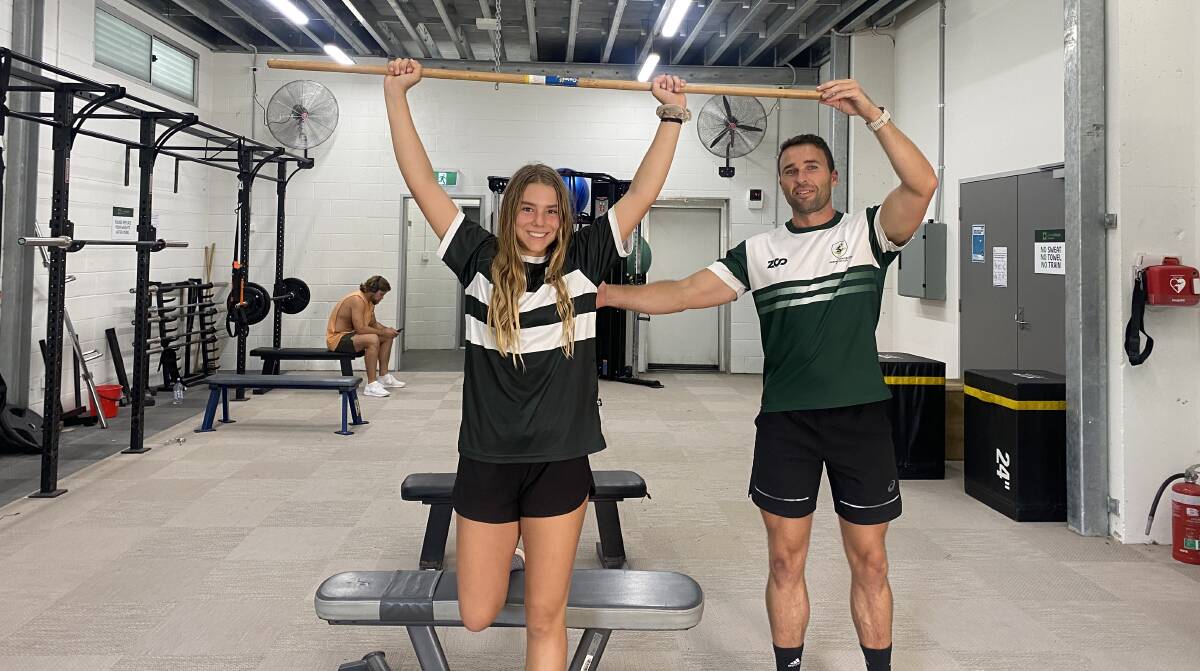
I have noticed many gyms now offer fitness classes for kids and there is a nationwide push to get children and especially teenagers more active. But what kind of exercise should they be doing?
The Department of Health's Physical Activity and Sedentary Behaviour Guidelines recommend for children aged five to 17 to accumulate 60 minutes of moderate to vigorous physical activity each day.
Scott Hingston, a personal trainer who operates out of Green Life Gym in Merewether, works with teenagers in community sporting teams, elite level athletes and those just wanting to gain more self-confidence. He places importance on the right education about what you are doing in the gym as well as why you are doing it.
"We need to help our youth understand that we all have different body types, goals and aspirations," he says.
"I like to get them to shift their focus away from setting goals based around body image and rather have something exercised-based to focus on which can assist them to step outside their comfort zone and develop more self-confidence through their own actions."
He has also offered this advice:
Q: What exercise can teenagers do?
A: Teenagers can participate in a variety of strength and cardio-based exercises. In my opinion, we should focus on coaching our young people through different planes of low-impact movements using their bodyweight only before advancing to assisted and free-weighted resistance training. This initial phase of development can help to understand how to activate different muscles without putting their growing bodies under risk of unnecessary fatigue or injury.
Q: Why is it important for teenagers to exercise?
A: Exercise assists with their physical health, self-confidence and maintaining correct posture whilst at school and studying. It can also assist with brain function and relieve stress and fatigue which is so common in today's society.
Q: Who can benefit?
A: I work with a variety of teenagers every day. From kids who are starting out enjoying their first experiences with exercise, all the way through to young elite athletes who are aspiring for greatness and to take their chosen sport to the next level.
Q: If parents are looking into fitness training for their kids, where is the best place to start?
A: I encourage teenagers to train with a coach or a PT in a gym from a young age as a great learning tool to develop good habits in a variety of ways. This starts from when they walk into the gym from outside. I expect them to say hello and shake hands. I also expect them to be on time and bring a drink bottle and sweat towel to each session along with a positive attitude and a great willingness to learn. The exercise part comes after that. If we can teach them good habits in relation to being in the gym then hopefully they can pursue this at school and at home. Again, the programming in the gym will differ from person to person with a particular focus on safety first in alignment towards individual goals.
Send your health and fitness news to r.valentine@austcommunitymedia.com.au
Renee Valentine is a journalist, qualified personal trainer and mother of three.