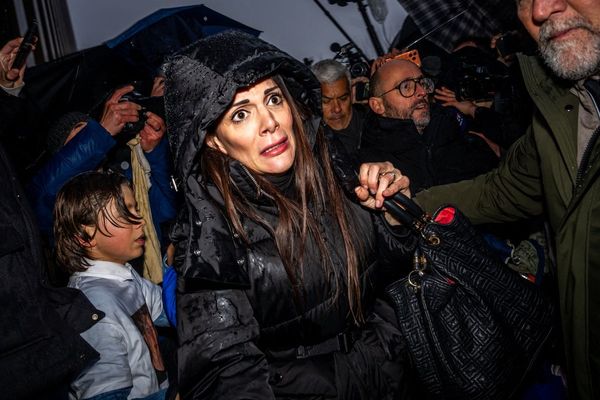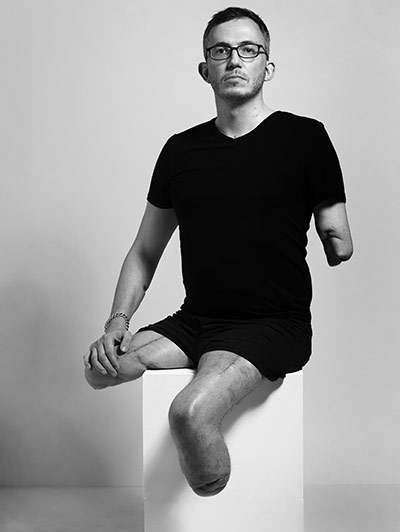
'When I was still in intensive care, I had an idea in my head of a photo I wanted to take, a self-portrait. I could see it so clearly. I thought of it as my broken statue image. I didn’t want to hide the reality of my injuries, but also didn’t want to be a victim. I realised I wanted to photograph myself in the way I had photographed others. I had become the story. When I took the self-portrait, I felt as if I had crossed a threshold of accepting my injuries. This is me and once again I am a photographer'
This image and the final image in the gallery, both shot with the assistance of Simon Vinall, are the first photogrraphs Giles Duley has taken since his injury Photograph: Giles Duley
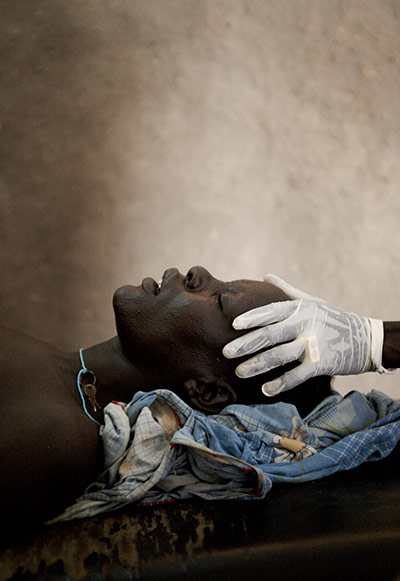
'A Nuer woman in delivery at the moment of her child’s death. This reflected the dire need for better healthcare in South Sudan; as the nurses were limited, I’d had to help the doctor. I stopped for a moment to take this. It was so private but I felt it should be recorded. In the horror of such an event, there was a strange sort of calm. I’m not a religious man, but that was the closest I’ve felt to something spiritual. Months later, the photo won an award and I felt incredibly uncomfortable about that' Photograph: Giles Duley
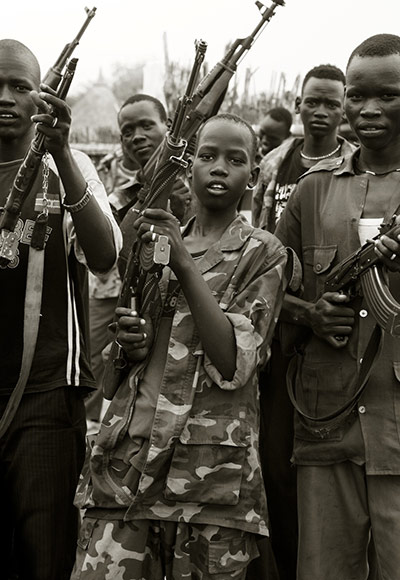
'A twelve-year-old child soldier brandishes his new AK-47. It's hard to take a photograph like this when you've seen boys of a similar age dying from gunshot wounds. It's a sad fact that no matter how poor a region is; there are always new weapons' Photograph: Giles Duley
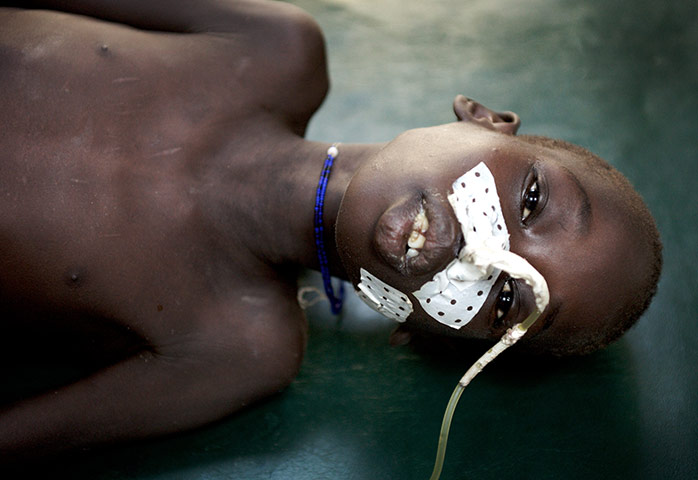
'This 12-year-old boy had been shot through the liver and had little chance of survival. A doctor from MSF tried to keep him alive. The boy never moaned or complained. He’s the bravest person I ever met' Photograph: Giles Duley
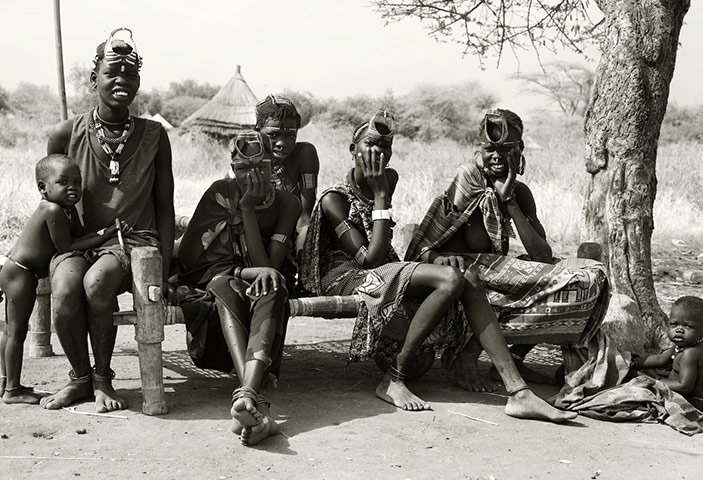
'For quite a few years in my youth I was a fashion photographer. I wasn't very good. In many ways this photograph of Murle girls is the fashion photograph I was never able to take. This image shows the pure beauty, mystery and strength of women' Photograph: Giles Duley
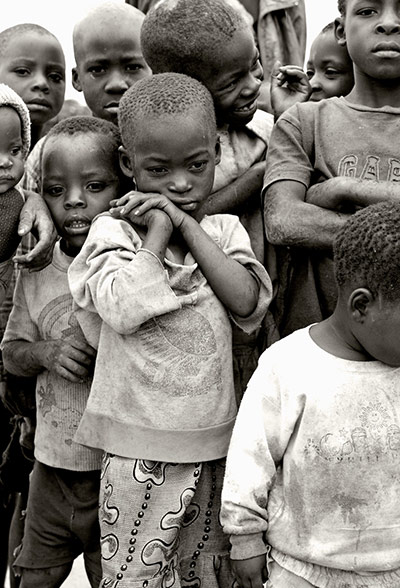
'Following the end of the civil war in Angola refuges were being repatriated. Due to the length of the war, these children had been born in camps in Zambia and are now back in Angola speaking a different language. With nothing but tents to live in, they find themselves outsiders in their own country' Photograph: Giles Duley
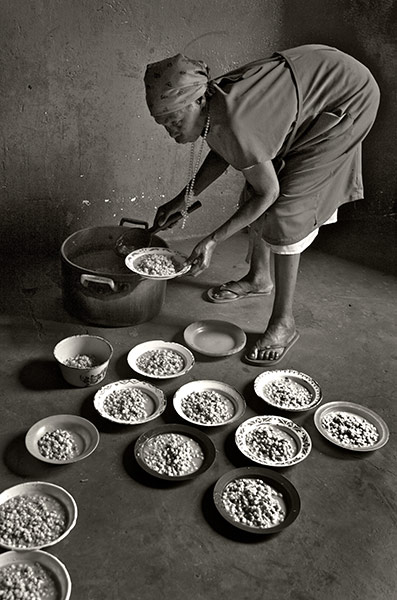
'A nun at an Angolan orphanage stoops to serve the children’s dinner of beans. You can almost hear her back creak. It’s one of my very favourite photographs of all time; it feels timeless' Photograph: Giles Duley
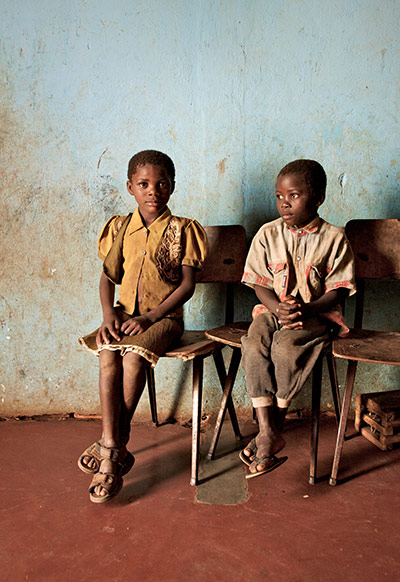
'Two orphans sit patiently at the Catholic mission in Bailundo. The young girl had been so traumatised from seeing her family killed in front of her that she hadn’t uttered a word since entering the orphanage. Nobody knew her name' Photograph: Giles Duley
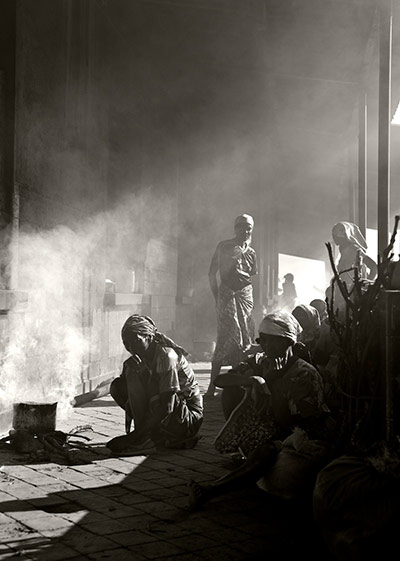
'Widows of rebel soldiers, fearful of retribution from Angolan government soldiers, living in an almost biblical scene at an abandoned school. When I first tried to photograph them they would all disappear into the shadows, but by returning each day I gained their trust. By the time I took this picture we'd all become so familiar that my biggest problem was they kept taking it in turns to pinch my backside. Each time one of them succeeded the whole school erupted in laughter' Photograph: Giles Duley
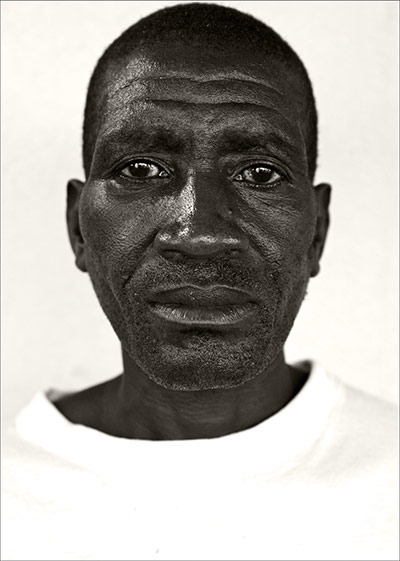
‘I photographed this former Unita soldier in a demobilisation camp in Angola. His story was typical. The rebels had raided his village when he was a child; they’d forced him to shoot a family member before taking him to their jungle camp. The rebels became his family. He’d fought with them for 20 years. Now with the war over he was uneducated, marginalised and unable to return home for fear of retribution. His eyes were dead' Photograph: Giles Duley
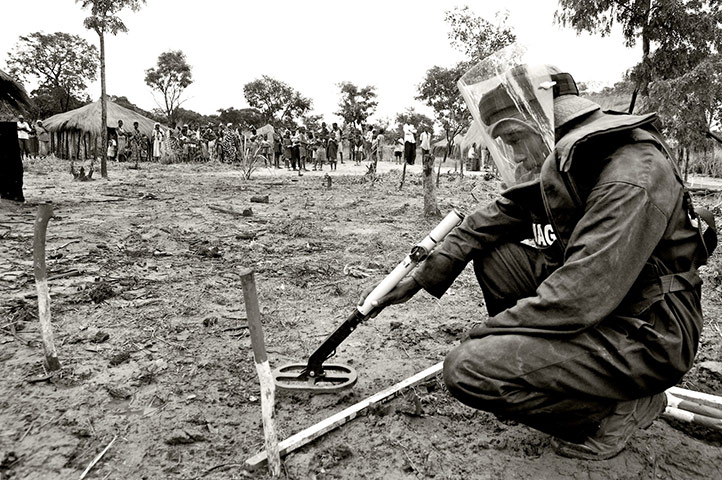
'Following the death of two children, MAG (Mines Advisory Group) starts the assessment of the village of Chifolo. Here they have started to clear a path, each meter has to be checked by metal detector first, then by hand. The process is dangerous and slow. This Angolan de-miner was to find three anti-personal mines in the following square metre' Photograph: Giles Duley
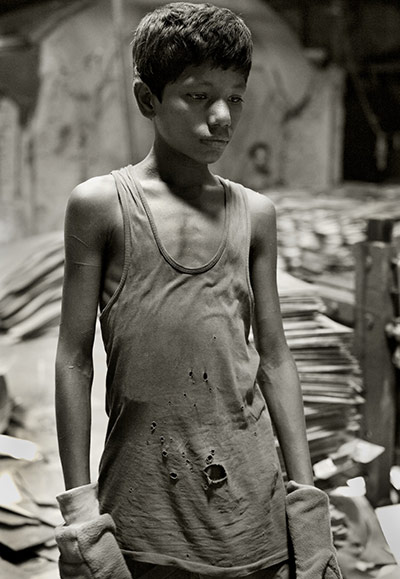
'A ten-year-old boy at work in a Dhaka metalware factory. Child labour is a good example of how complicated humanitarian issues can be. At the time of this photography a lot of clothing factories had been shut down because of customer outrage at the use of child labour in producing High Street brands. As a result though, those children had been left without incomes and often ended up on the street. The charity I was working with in Dhaka was bringing education into the factories, persuading the bosses to allow the children a few hours off everyday to study. In the long term it was a more productive solution' Photograph: Giles Duley
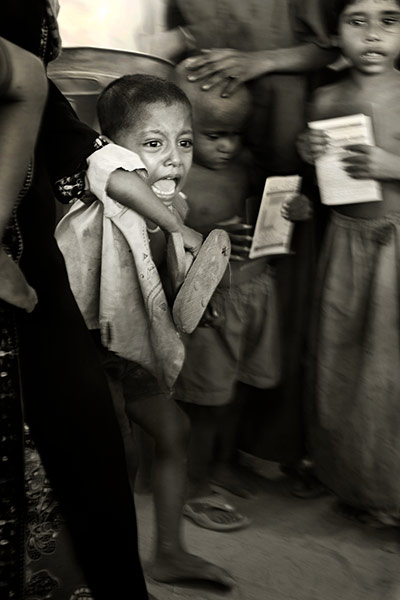
'A Rohingya child receiving immunisation from Medecins Sans Frontieres. As an NGO I've always admired their no-nonsense approach, often providing help where other organisations are tied up in politics' Photograph: Giles Duley
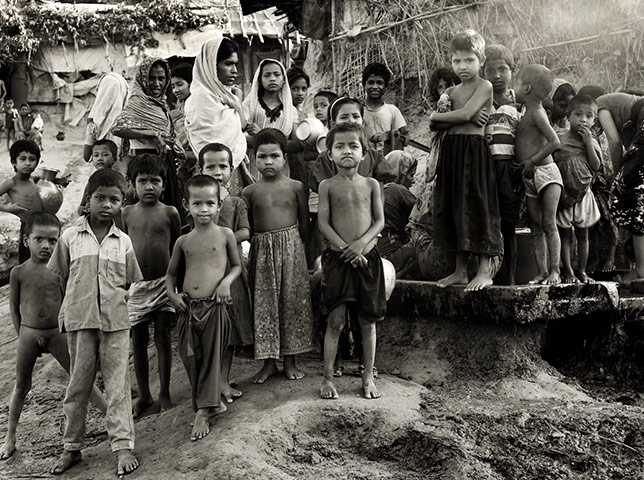
'People gather at one of the few water collection points in the Kutupalong Refugee camp; no more than a broken pipe. The water pollution is five times over the safe limits' Photograph: Giles Duley
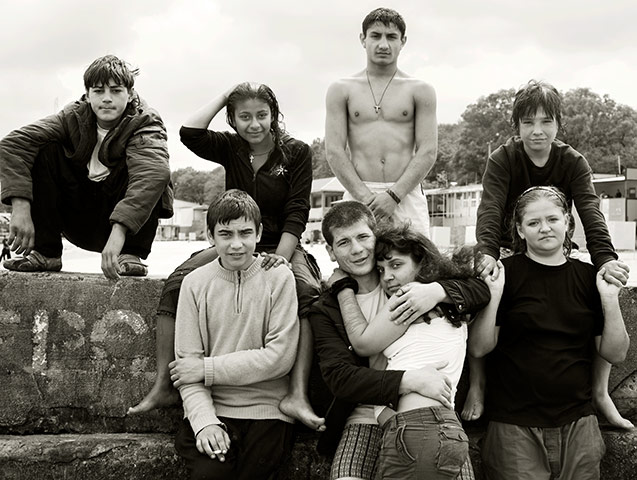
'When I documented the street children of Odessa, I lived with “the family” of Prymorska Street. A local charity warned me about them, but they were courteous to a fault. I love this photograph because it captures the character of each one and the complicated group dynamics. On my last day there, Lilick, the boy top right, overdosed on vodka and pills and died. For a long time it made me want to give up photography' Photograph: Giles Duley
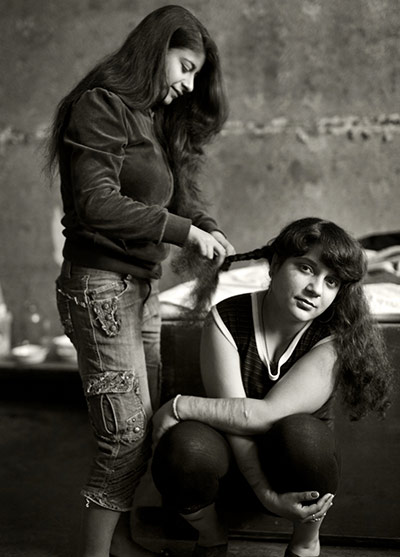
'Ruslana, one of the street children I was documenting in Odessa, plaits her sister's hair. They have four siblings, the oldest in jail, the others often living on the street. They are still in contact with their mother but she is unable to care for them. Lydia is constantly cutting her arms and legs. "Why doesn't she just cut her neck already?" Says her mother on seeing her, "there's nothing else left on her body to cut"' Photograph: Giles Duley
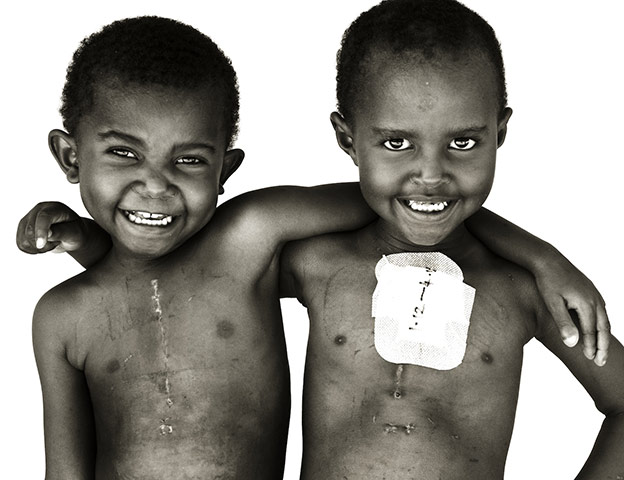
'Weddy, aged 4, and Eunice, aged 5, orphans from Kenya who had both received life saving heart surgery at Emergency's clinic in Sudan. When anyone from the West tells me our help or money can't make a difference I show them this picture. Of course we can, and should, make a difference' Photograph: Giles Duley