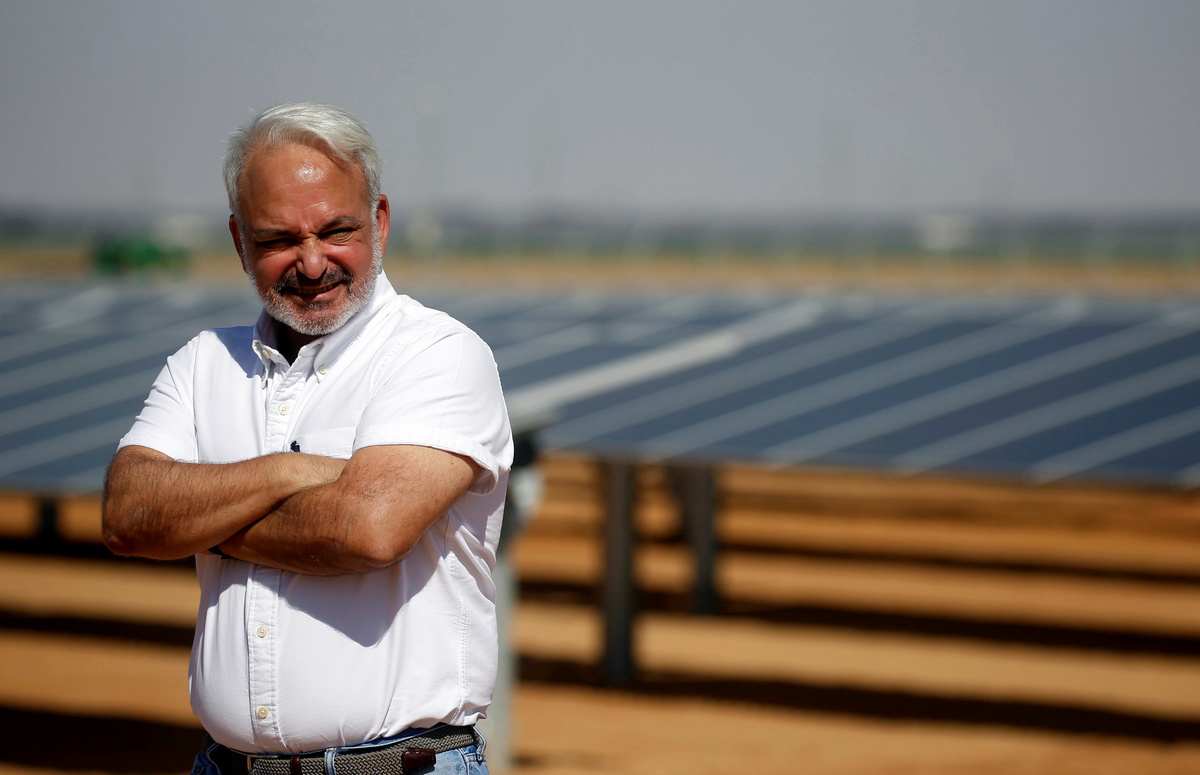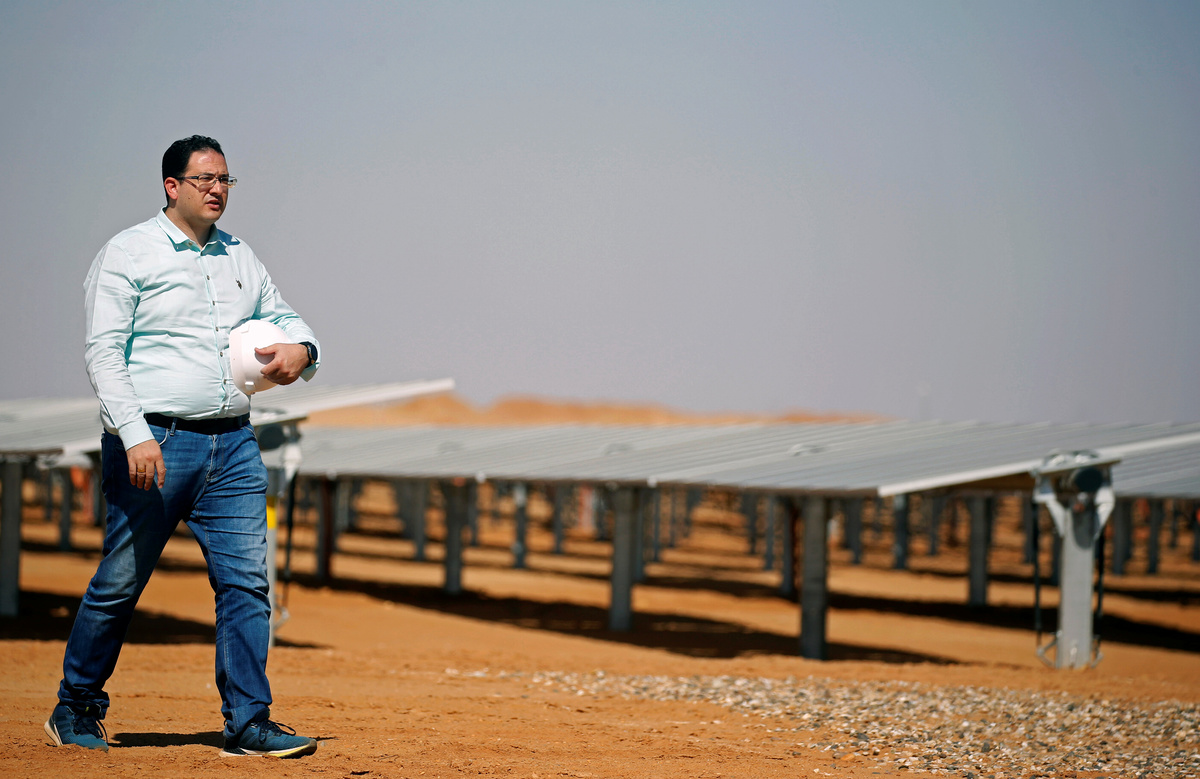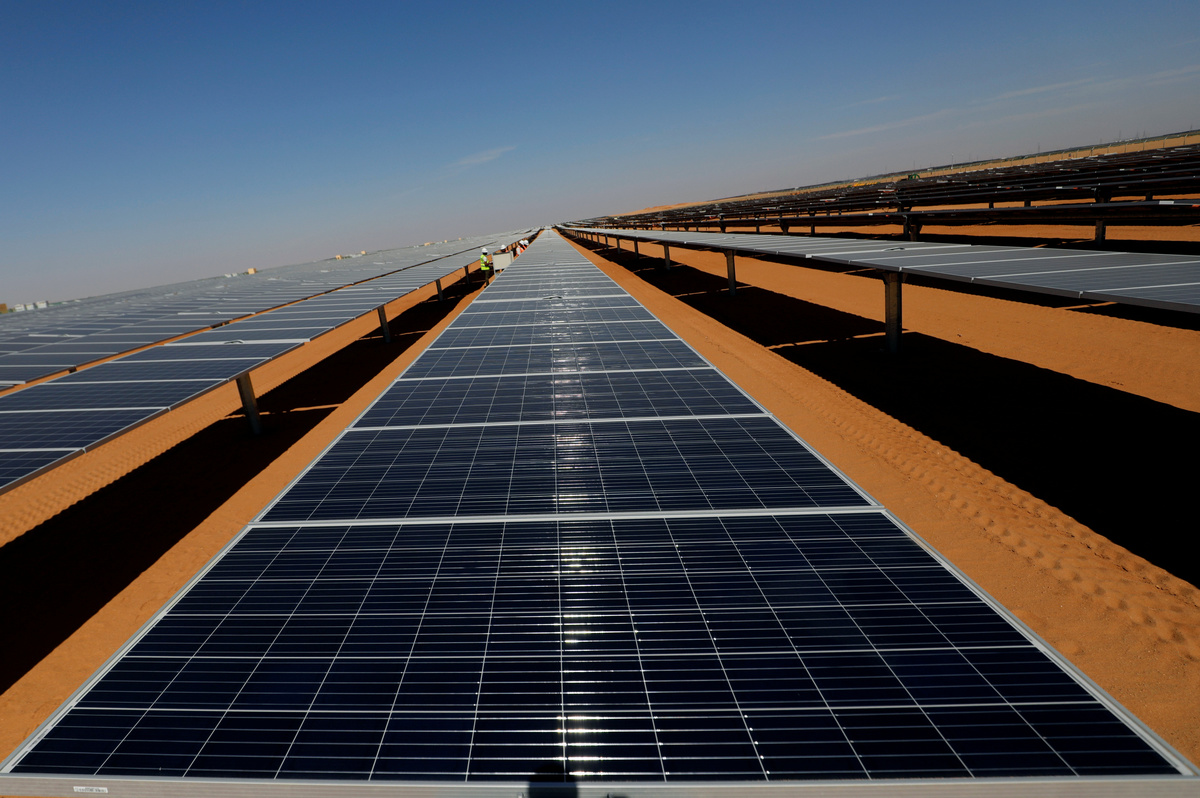
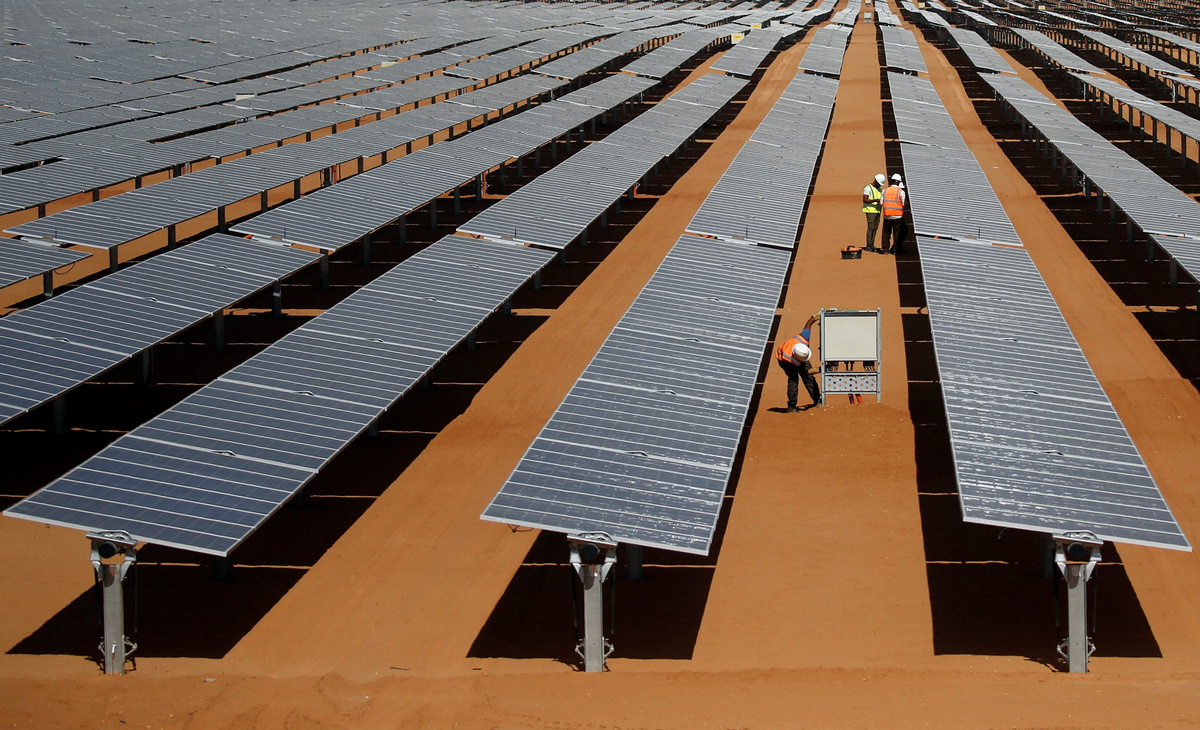
ASWAN, Egypt (Reuters) - Near the southern Egyptian city of Aswan, a swathe of photovoltaic solar panels spreads over an area of desert so large it is clearly visible from space.
They are part of the Benban plant, one of the world's largest solar parks following completion last month of a second phase of the estimated $2.1 billion project.

Designed to anchor a renewable energy sector by attracting foreign and domestic private-sector developers and financial backers, the plant now provides nearly 1.5 GW to Egypt's national grid and has brought down the price of solar energy at a time when the government is phasing out electricity subsidies.
In 2013, Egypt was suffering rolling blackouts due to power shortages at aging power stations. Three gigantic gas-powered stations with a capacity of 14.4 GW procured from Siemens in 2015 turned the deficit into a surplus.
National installed electricity capacity is now around 50 GW and Egypt aims to increase the share of electricity provided by renewables from a fraction currently to 20% by 2022 and 42% by 2035.

"They have plans to bring out renewable energy, private sector invested, across the Red Sea in wind and throughout the deserts for solar power," said Christopher Cantelmi of the International Finance Corporation (IFC), a lead backer of Benban along with the European Bank for Reconstruction and Development.
The Benban project's 32 plots were developed by more than 30 companies from 12 countries, including Spain's Acciona, UAE-based Alcazar Energy, Italy's Enerray, France's Total Eren and EDF, China's Chint Solar and Norway's Scatec. Developers of the plant, around 40 km (25 miles) northwest of Aswan, are guaranteed a feed-in tariff price for 25 years.
"It really introduced a lot of them to Egypt for the very first time, to project finance and to infrastructure finance," said Cantelmi.

A third phase at Benban could add more than 300 MW, though nothing has been decided yet, while another large scale solar development is planned 45 km north of Aswan at Kom Ombo.
Egypt has struggled to attract foreign investment outside the oil and gas sector, despite winning praise for an IMF-backed economic reform program since 2016.
At Benban, developers visited by an IFC team last month raised the issue of a stand-off over a government demand that they collectively pay an extra 1.9 billion Egyptian pounds ($118 million)in infrastructure costs. There had also been some curtailment of supplies to the grid as they waited for new transmission lines to be added.
But operations were generally going well, and the Egyptian Electricity Transmission Company was paying on time, they said.
BRUSHING MACHINES

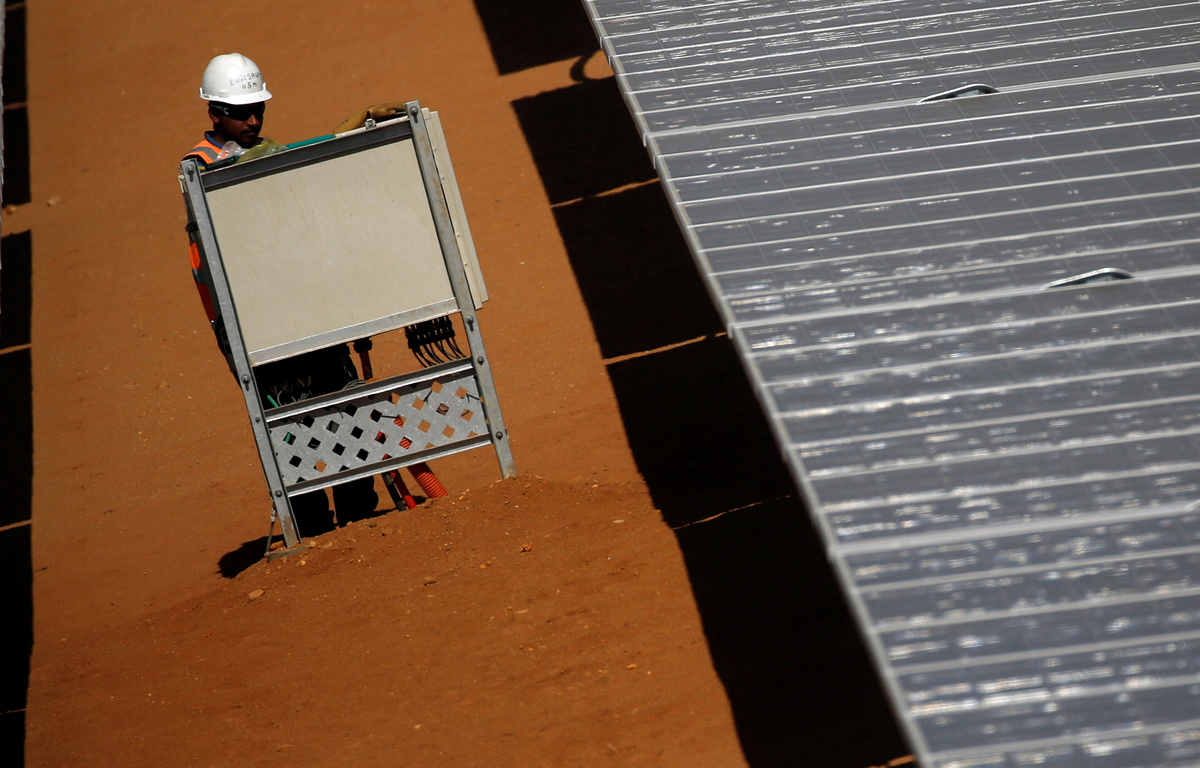
Solar irradiation is exceptionally good at Benban and running costs are low, developers say. Upkeep is largely limited to brushing the desert dust from the panels to maximize absorption.
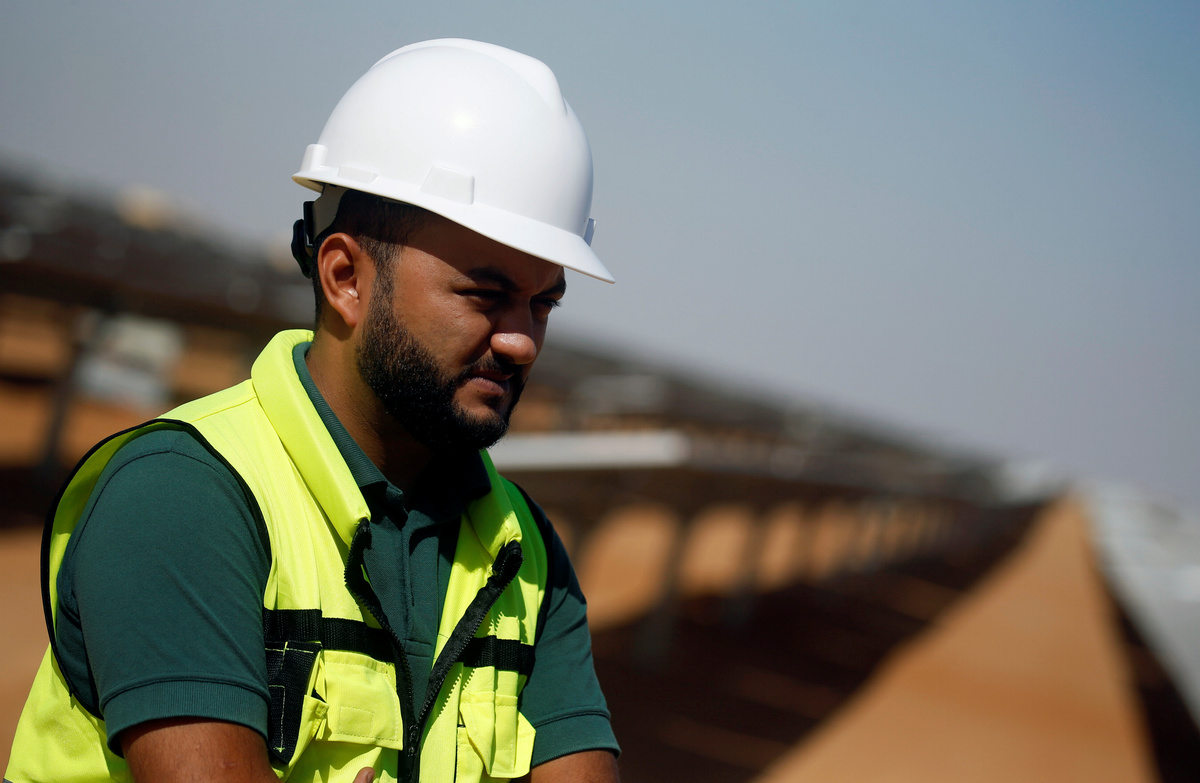
"You don't need a lot of manpower round here, you only need cleaning machines ... and maintenance, which is not a big amount of people," said Mohamed Ossama, project head for Egypt's Taqa Arabia, which has a 50 MW plot.
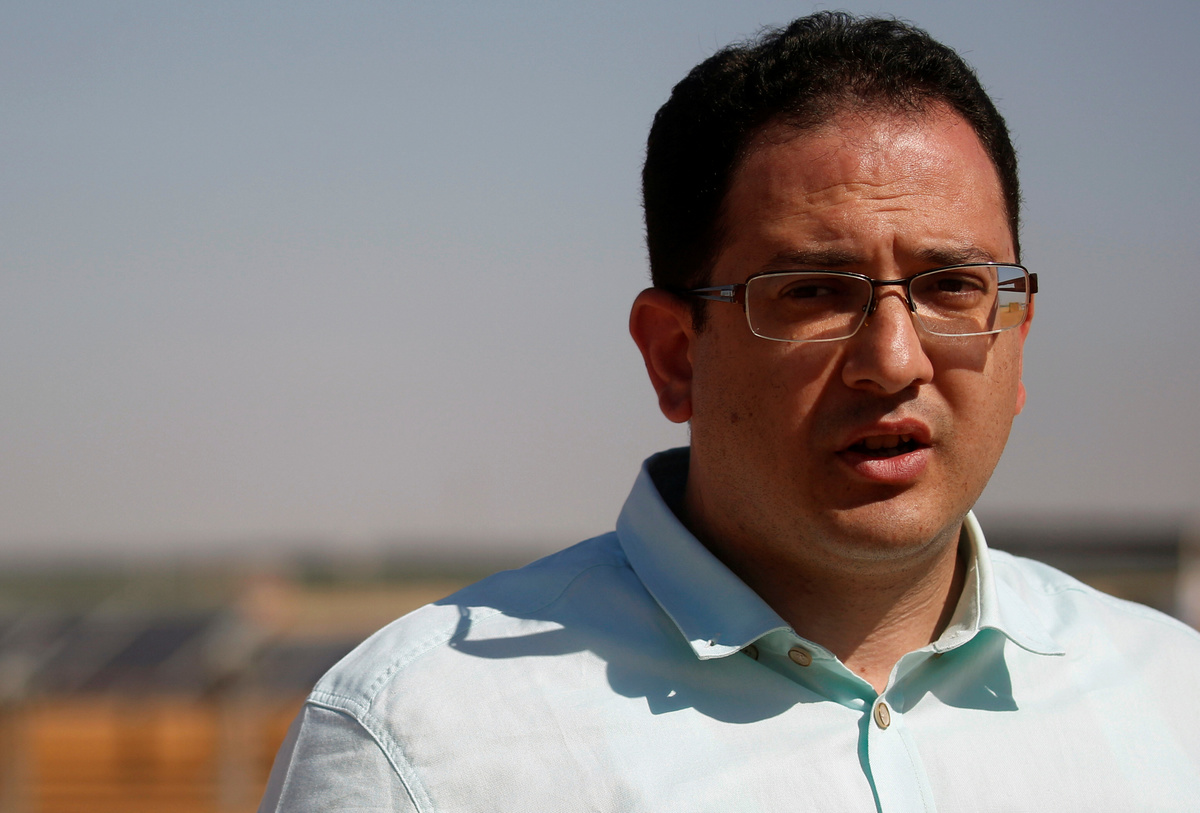
Benban has brought down the price of solar energy, drawn in dozens of companies, and given Egypt's south an economic boost, said Mohamed Orabi, professor of power electronics at Aswan University.
However, the plant needed a storage system - still a key technological challenge for solar power that surges during the daytime - in order to stabilize supplies to the grid, he said.
Last year a report from the International Renewable Energy Agency (IRENA) suggested Egypt could be more ambitious in its green energy goals and aim to supply 53% of its electricity from renewables by 2030.
But it said developers could be discouraged by complex administrative procedures, and urged Egypt to review its market framework and develop local manufacturing capacity for renewables.
"The (Benban) project showcases Egypt's seriousness in doing renewable energy business, especially when most countries in the region have been stalling on this front, with the exception of Jordan and Morocco," said Jessica Obeid, an energy expert at Chatham House.
"In the next stages, political and policy stability are important, reduction of the complex bureaucratic measures and clear assignments of institutions' mandates and facilitation of the process will be much needed."

(This story has been refiled to fix typo in Total Eren name in 7th paragraph)
(Editing by Susan Fenton)