BOURNEMOUTH, England (Reuters) - Scientists have uncovered evidence of ancient humans engaged in a deadly face-off with a giant sloth, showing for the first time how our ancestors might have tackled such a formidable prey.
Standing over 2 meters tall, with forelegs tipped with claws, giant sloths lived until around 11,000 years ago. Most scientists believe over-hunting by humans eventually led to their extinction.
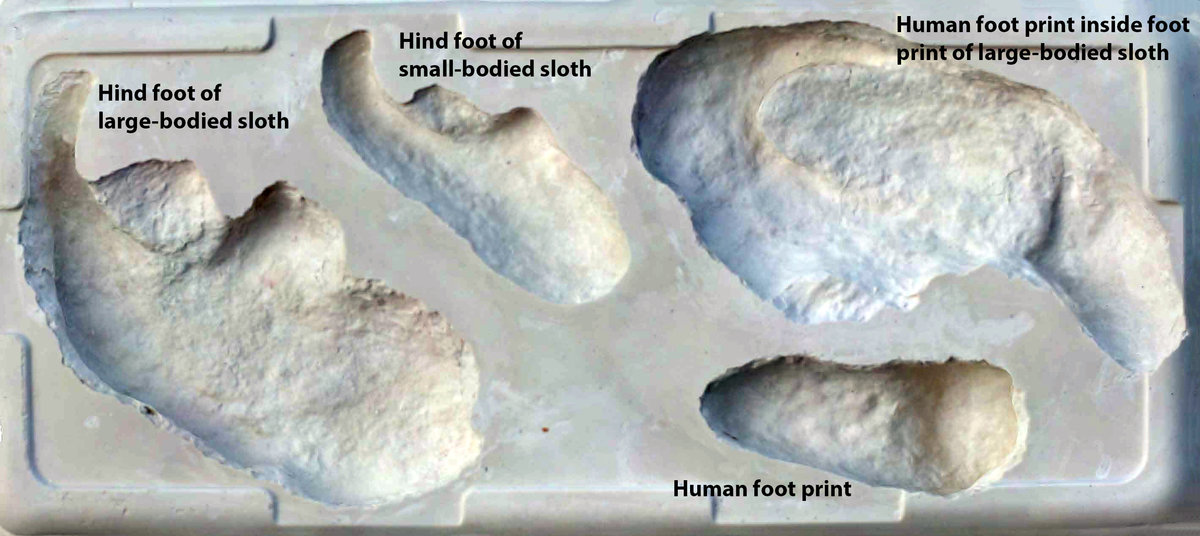
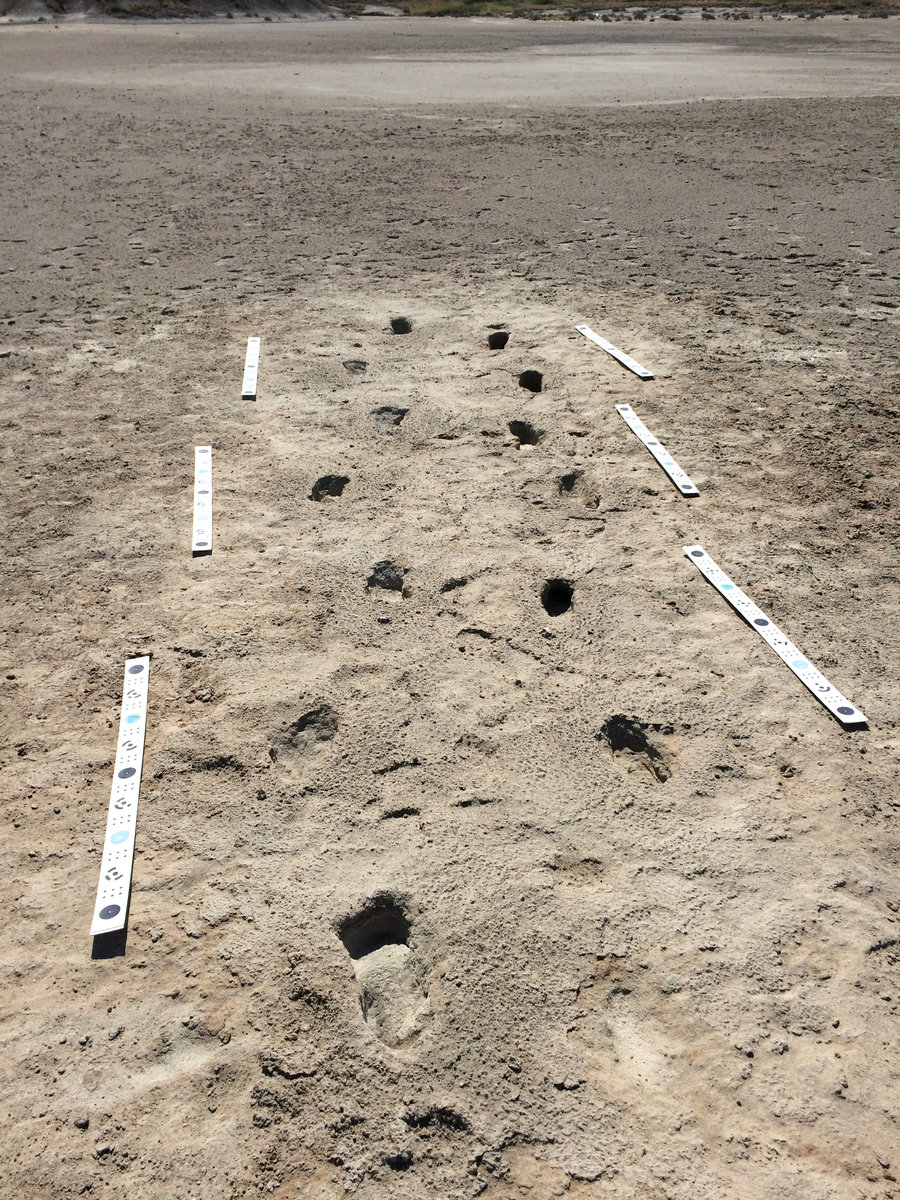
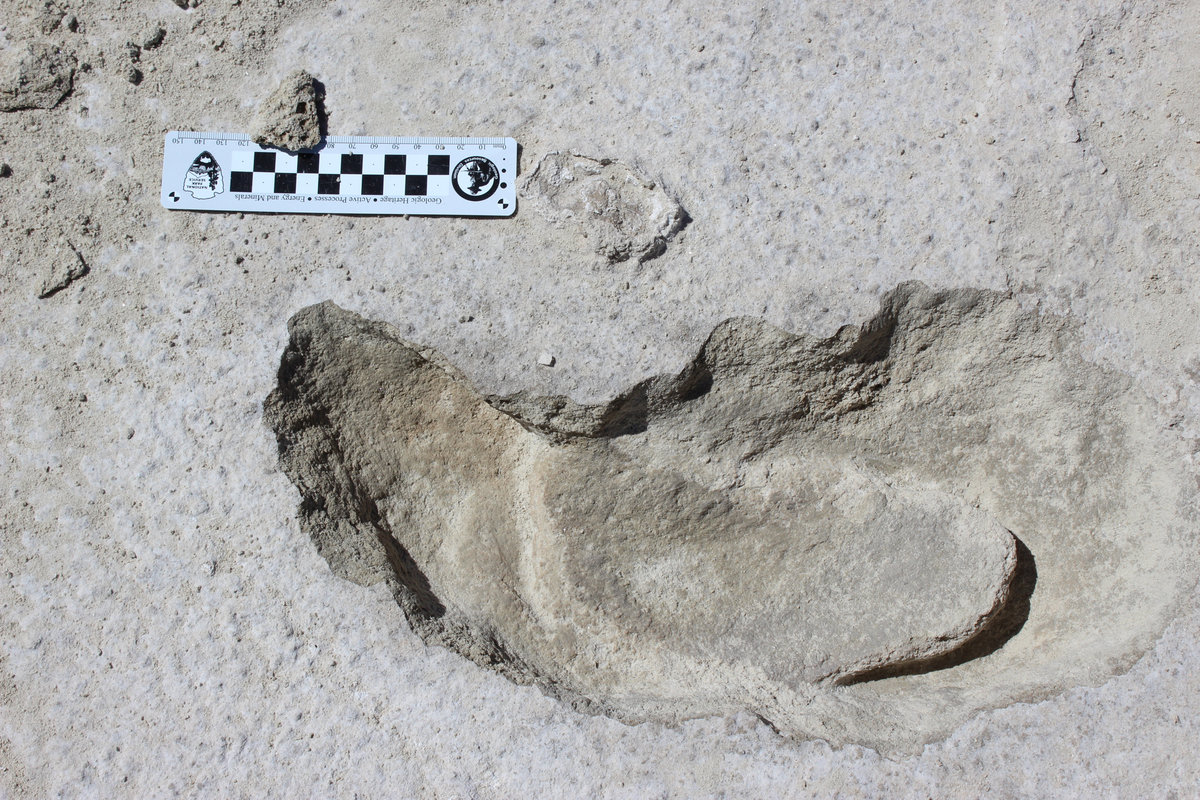
Fossilised footprints in the salt flats of White Sands National Monument, in the southwestern U.S. state of New Mexico, reveal humans walking in the exact footsteps of a giant sloth and then confronting it, possibly hurling spears.
"The story that we can read from the tracks is that the humans were stalking; following in the footsteps, precisely in the footsteps of the sloth," said Matthew Bennett, one of a team of scientists behind the discovery.
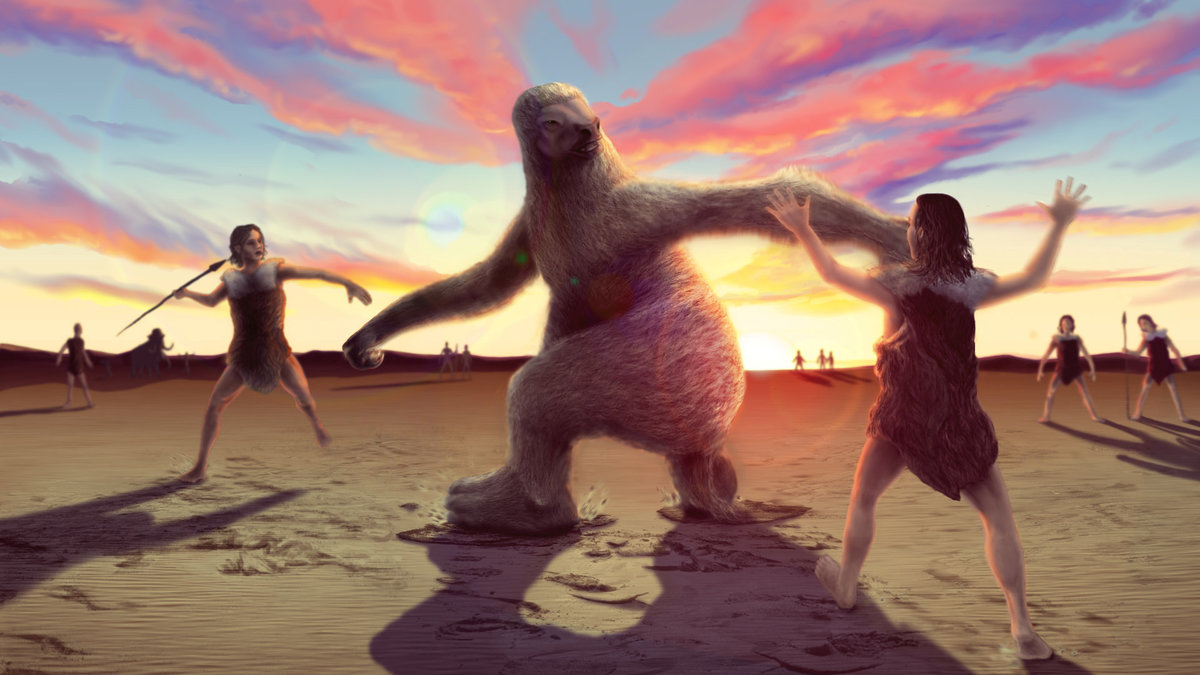
"While it was being distracted and turning, somebody else would come across and try and deliver the killer blow. It's an interesting story and it's all written in the footprints," said Bennett, a professor of environmental and geographical sciences at Bournemouth University in southern England.
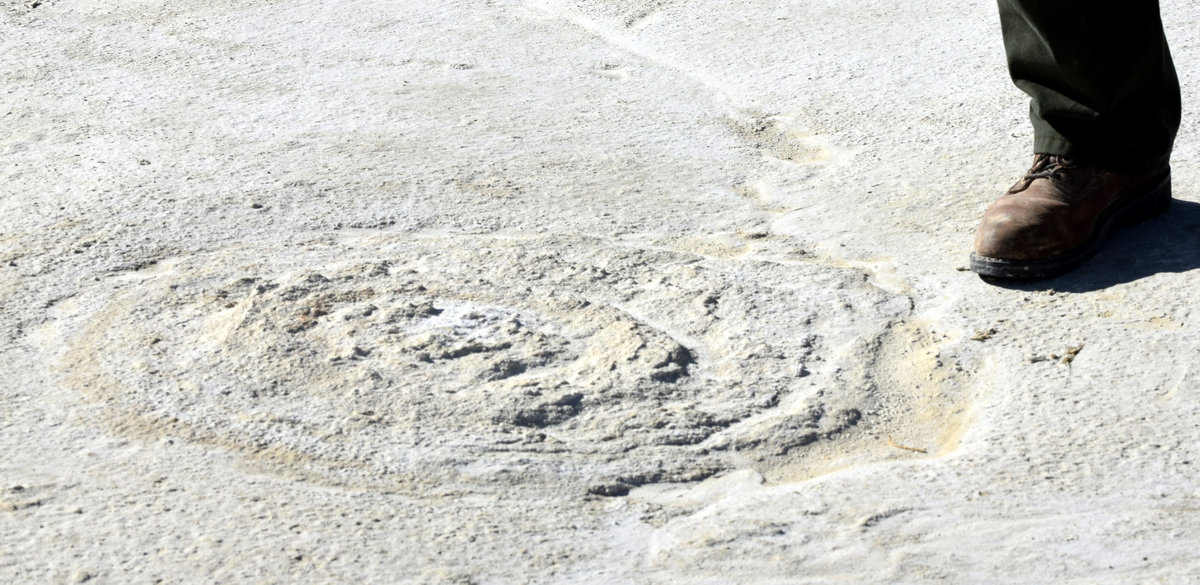
At the White Sands National Monument, researchers identified what are known as "flailing circles" that show the rise of the sloth on its hind legs and the swing of its fore legs, likely in a defensive motion.
In addition to tracks of humans stalking the sloth, there are more human tracks further away. From this, scientists infer that the humans worked as a group, with a separate team distracting and misdirecting the sloth to outwit it.
The flailing circles are always associated with the presence of human tracks. Where there are no human footprints, the sloths walk in straight lines, but where human tracks are present the sloth trackways show evasion, with sudden changes in direction.
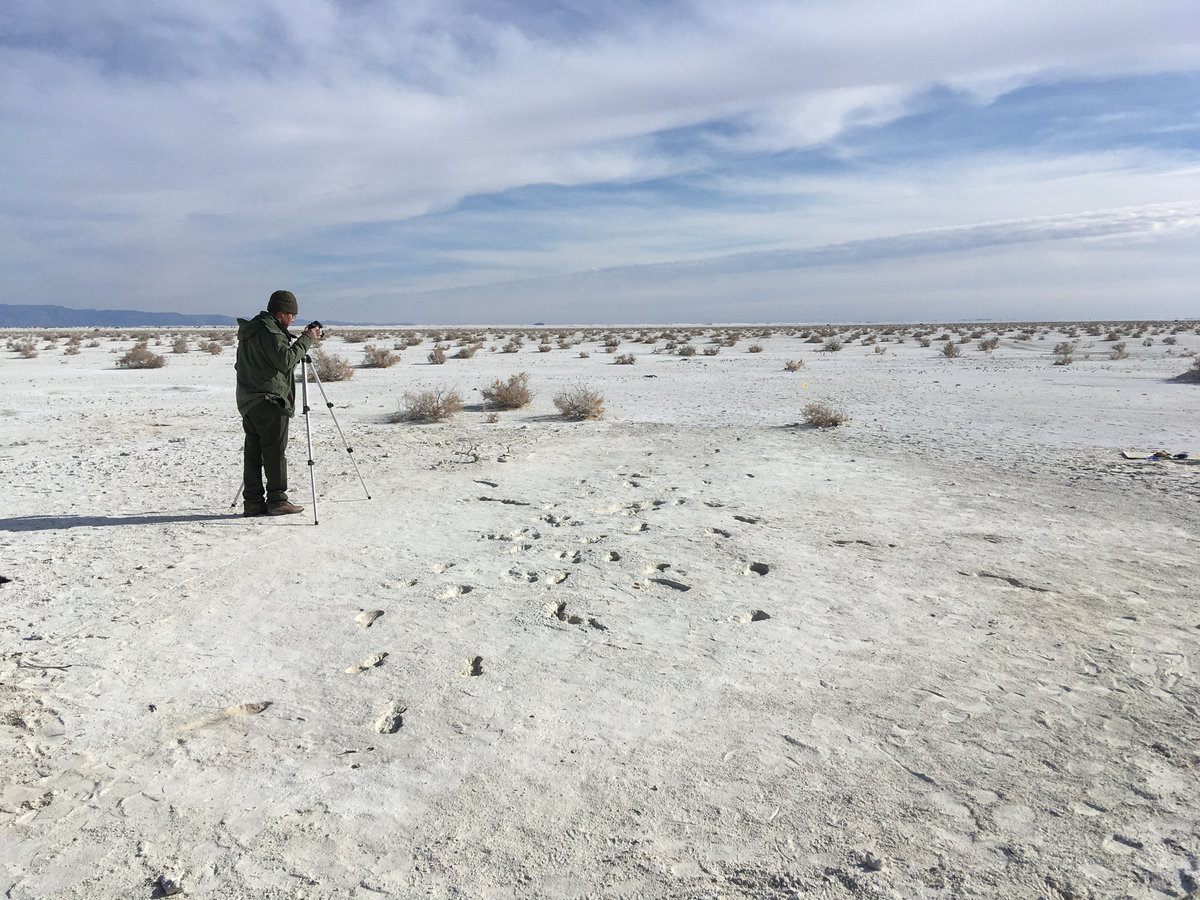
Thanks to new 3D modeling techniques, the fossilized footprints have been preserved using a system developed by Bennett. Using a standard digital camera to take images from 22 different angles, his computer algorithm builds up an ultra-precise 3D rendering of the footprint.
"What this evidence does is for the first time shows us how they might have tackled one of these big beasts and the fact that they were almost certainly doing it routinely is important," Bennett told Reuters at his university.
"Getting two sets of fossil footprints that interact, that show you the behavioral ecology, is very, very rare," he said.
(Reporting by Matthew Stock, editing by Estelle Shirbon)