Get all your news in one place.
100's of premium titles.
One app.
Start reading
Reuters
Reuters
Environment
Dan Whitcomb

Giant pandas set to leave San Diego Zoo after two-decade loan from China

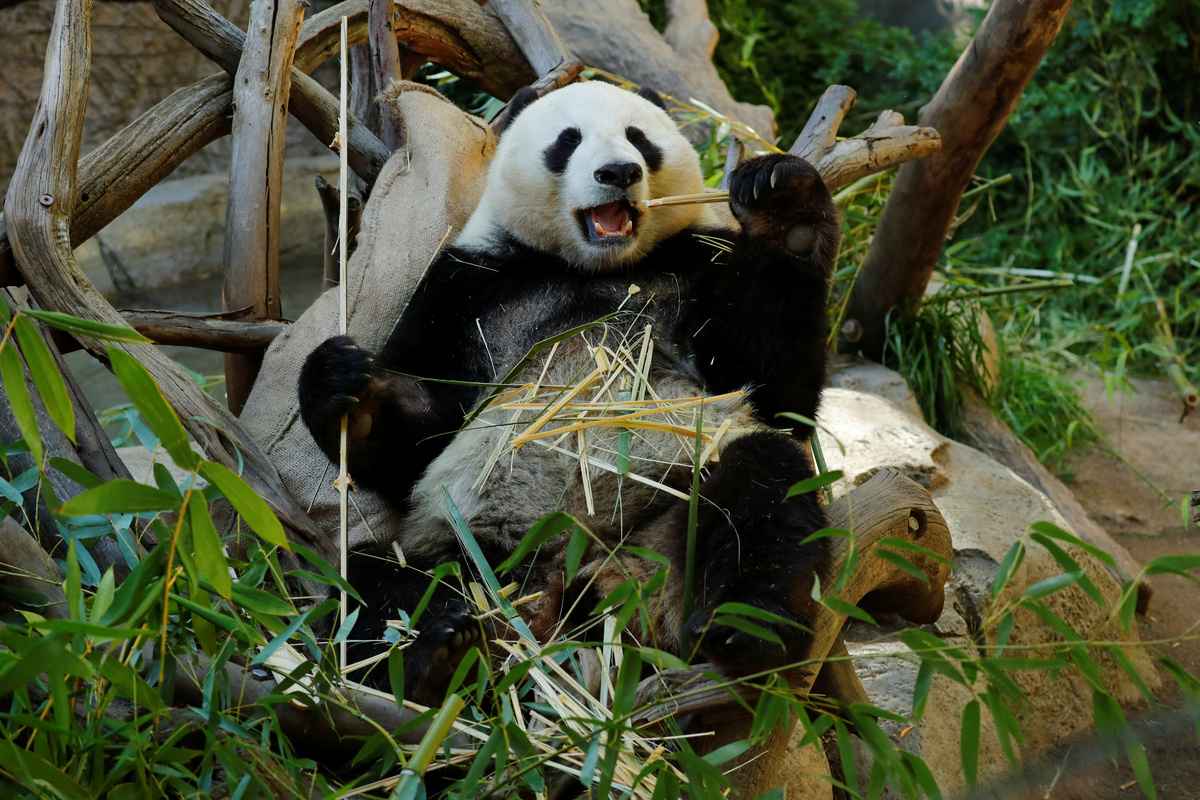
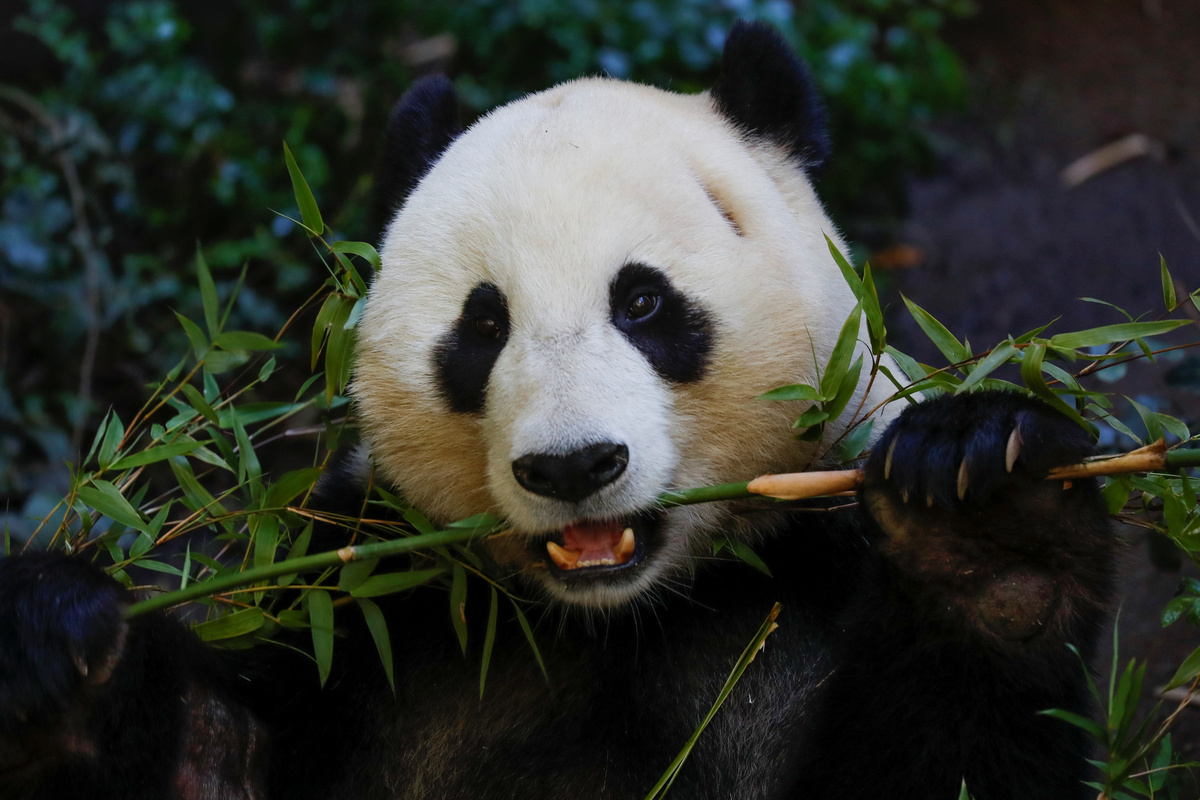
FILE PHOTO: Giant male panda Xiao Liwu eats a meal of bamboo before being repatriated to China with his mother Bai Yun, bringing an end to a 23-year-long panda research program in San Diego, California, U.S., April 18, 2019. REUTERS/Mike Blake

LOS ANGELES (Reuters) - The last two giant pandas living at the San Diego Zoo in California will be sent to the People's Republic of China this spring, ending a more than two-decade conservation program that helped bring the black-and-white bears back from the brink of extinction.

The two remaining pandas, Bai Yun and her 6-year-old cub Xiao Liwu, will be sent to China in the coming days after three weeks of goodbyes that culminated over the weekend, the last chance for Californians to see them.
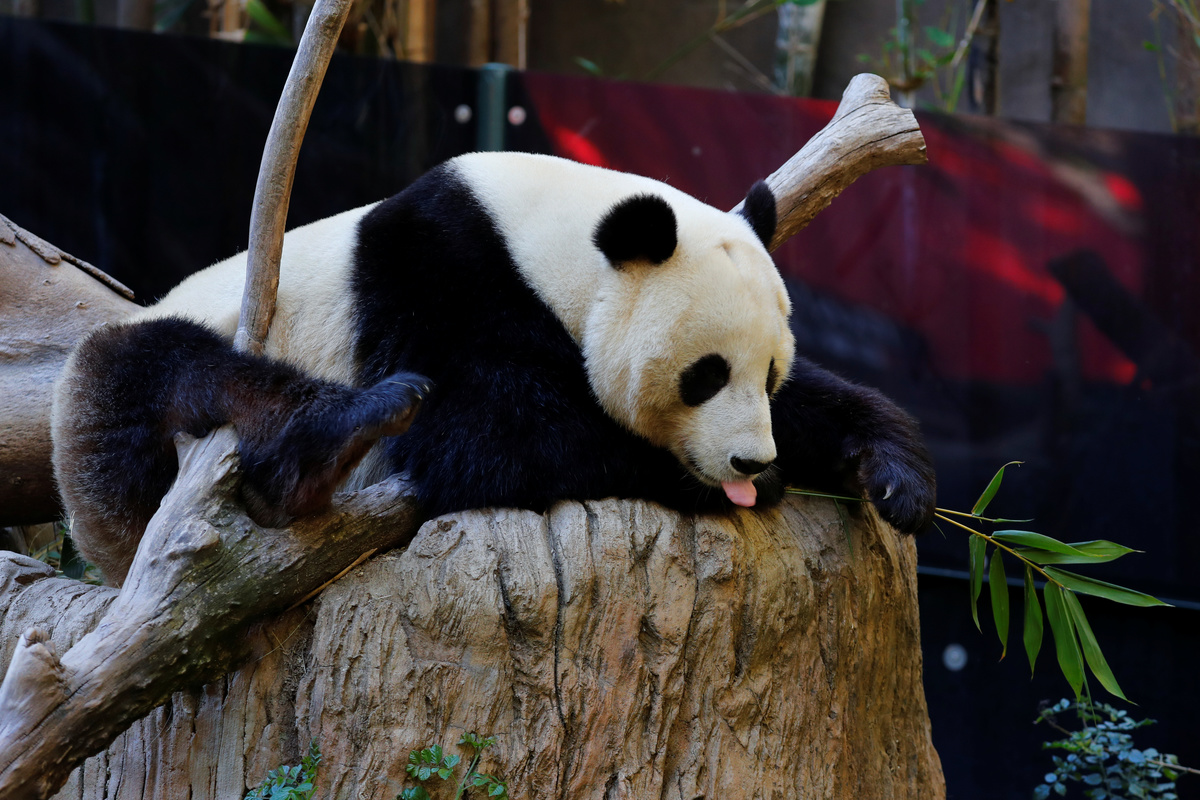
FILE PHOTO: Giant male panda Xiao Liwu sleeps at the San Diego Zoo prior to his repatriation to China with his mother Bai Yun, bringing an end to a 23-year-long panda research program in San Diego, California, U.S., April 18, 2019. REUTERS/Mike Blake

"We knew when we started the program that they were not our bears and that they wouldn't be staying so that was always in our minds," the pandas' keeper, Dallas Dumont, told Reuters.

"But we're very proud of what we've accomplished. We set out to help the species and keep it from going extinct and with our Chinese colleagues we've accomplished that," she said.

Giant pandas were threatened with extinction when they were originally loaned to the San Diego Zoo by the Chinese government in 1996, in what was initially intended to be a 10-year program to help re-establish the species. The initial loan was extended to last some 23 years.
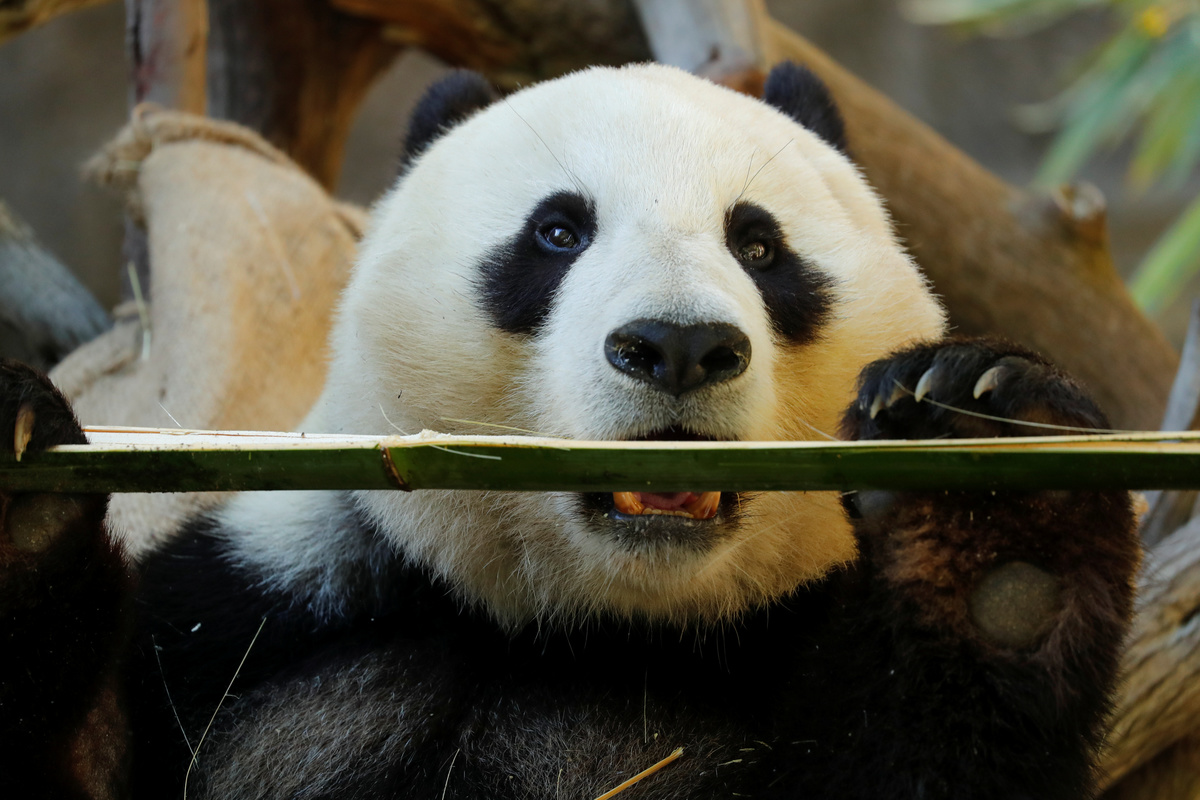
FILE PHOTO: Giant male panda Xiao Liwu eats a meal of bamboo before being repatriated to China with his mother Bai Yun, bringing an end to a 23-year-long panda research program in San Diego, California, U.S., April 18, 2019. Picture taken April 18, 2019. REUTERS/Mike Blake

In 2016, the status of giant pandas was changed from endangered to vulnerable by the International Union for Conservation of Nature, reflecting their comeback. As of 2019, there were 2,000 wild pandas in China, their native habitat, according to the zoo.

MATRIARCH OF THE ZOO
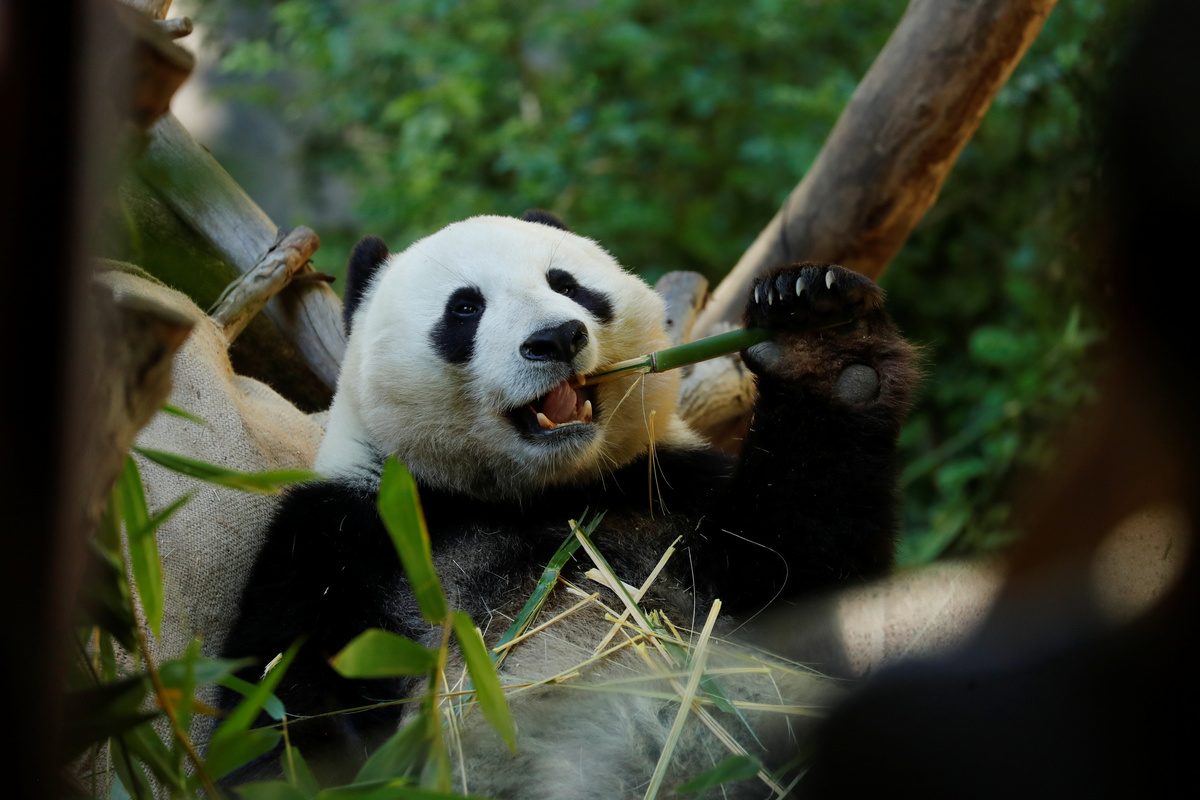
FILE PHOTO: Giant male panda Xiao Liwu eats a meal of bamboo before being repatriated to China with his mother Bai Yun, bringing an end to a 23-year-long panda research program in San Diego, California, U.S., April 18, 2019. REUTERS/Mike Blake

"China believes in having their animals retire back in their country, or be repatriated, so Bai Yun and Xiao Liwu are now going back home to China," Dumont said.

Bai Yun was born in 1991 at the Wolong Giant Panda Research Center in China and was among the original cohort of bears loaned to the zoo in 1996. She has since given birth to six cubs and is considered the "matriarch" of the San Diego panda family.

One of her cubs, Xiao Liwu, is considered essentially a teenager in bear years and zookeepers hope he will breed with a female bear in China. His father, Gao Gao, returned to China in October 2018.
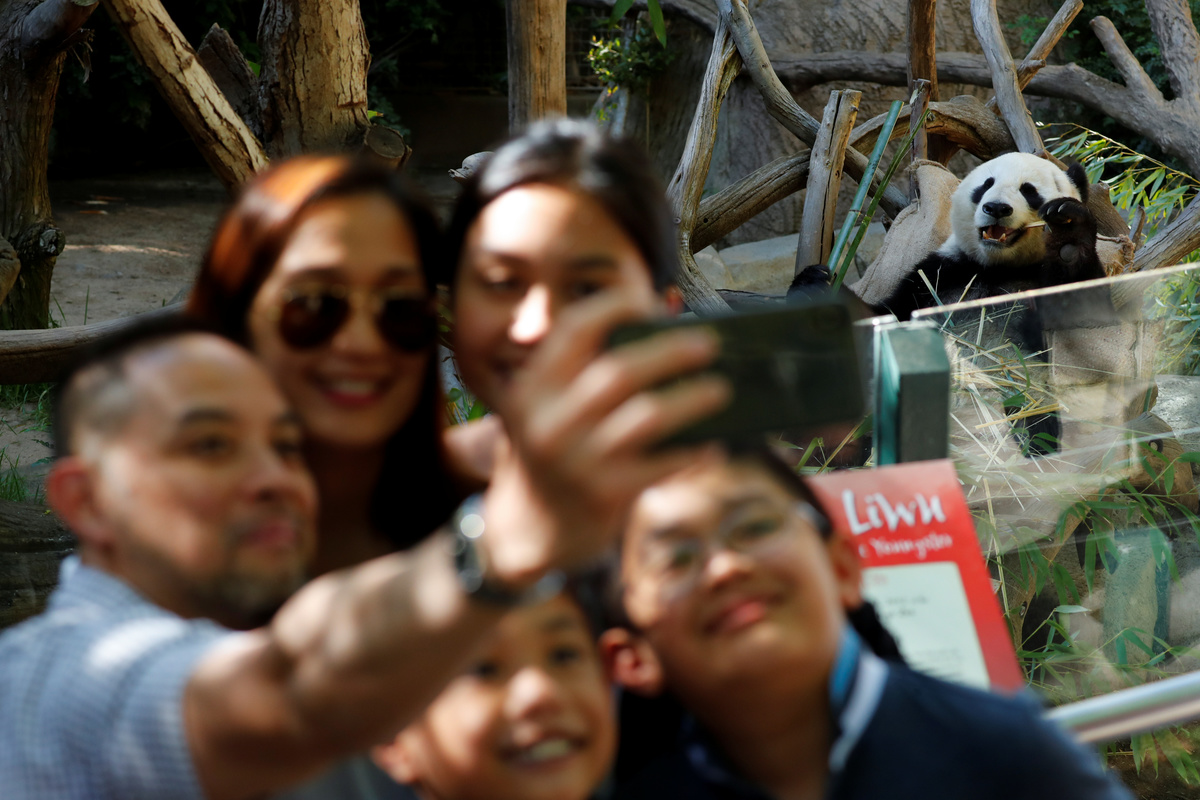
FILE PHOTO: A family take a souvenir picture next to giant male panda Xiao Liwu, who was born at the San Diego Zoo and will be repatriated to China with his mother Bai Yun, bringing an end to a 23-year-long panda research program in San Diego, California, U.S., April 18, 2019. REUTERS/Mike Blake

In the United States, giant pandas are also kept at the National Zoo in Washington, D.C., and at zoos in Memphis and Atlanta.

San Diego Zoo officials said they were working with their counterparts in China to bring pandas back to California.
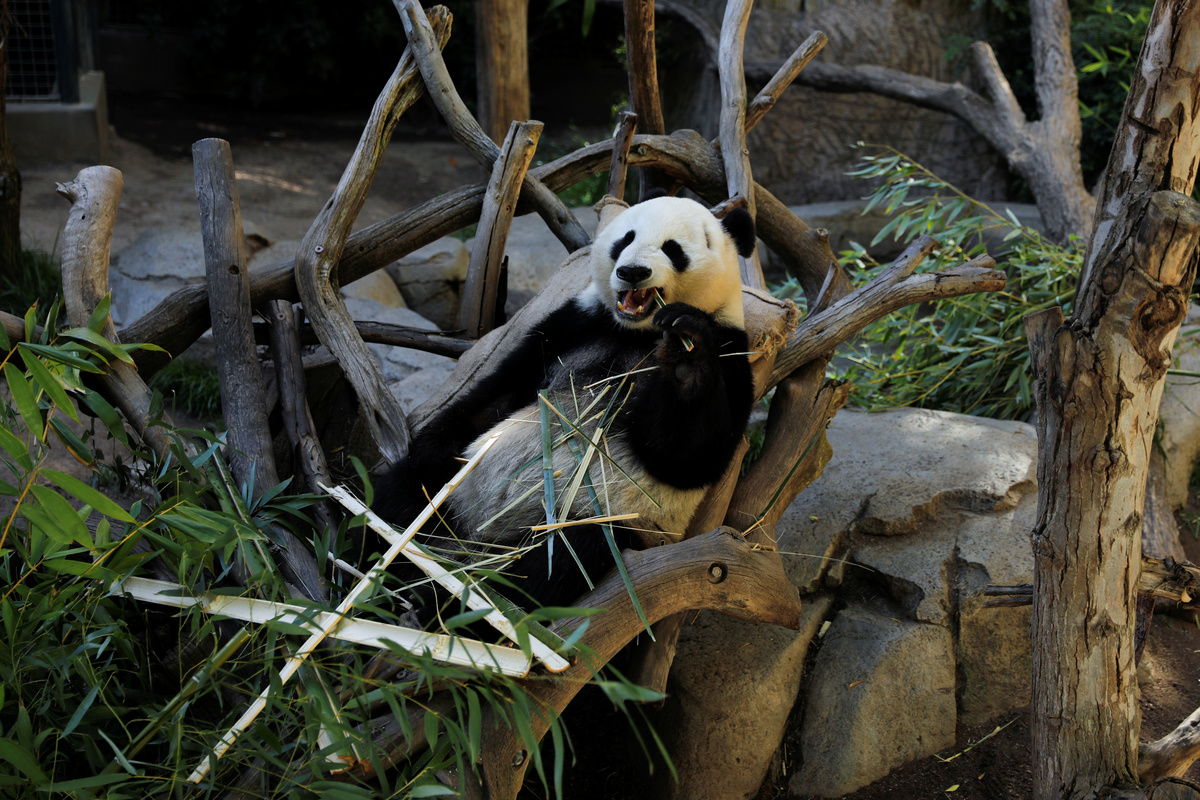
FILE PHOTO: Giant male panda Xiao Liwu eats a meal of bamboo before being repatriated to China with his mother Bai Yun, bringing an end to a 23-year-long panda research program in San Diego, California, U.S., April 18, 2019. REUTERS/Mike Blake

(Reporting by Dan Whitcomb and Rollo Ross; editing by bill Tarrant and Sandra Maler)

FILE PHOTO: Stuffed panda bears are shown for sale at the San Diego Zoo as the panda research program with China ends after 23 years in San Diego, California, U.S., April 18, 2019. REUTERS/Mike Blake
FILE PHOTO: Giant male panda Xiao Liwu eats a meal of bamboo at the San Diego Zoo prior to his repatriation to China with his mother Bai Yun, bringing an end to a 23-year-long panda research program in San Diego, California, U.S., April 18, 2019. REUTERS/Mike Blake
FILE PHOTO: Supporters of the giant pandas at the San Diego Zoo purchase and hang bells in supporter of the panda research program with China that is now ending after 23 years in San Diego, California, U.S., April 18, 2019. REUTERS/Mike Blake
Sign up to read this article
Read news from 100's of titles, curated specifically for you.
Already a member? Sign in here
Related Stories
Top stories on inkl right now
One subscription that gives you access to news from hundreds of sites
Already a member? Sign in here
Our Picks
Fourteen days free
Download the app
One app. One membership.
100+ trusted global sources.