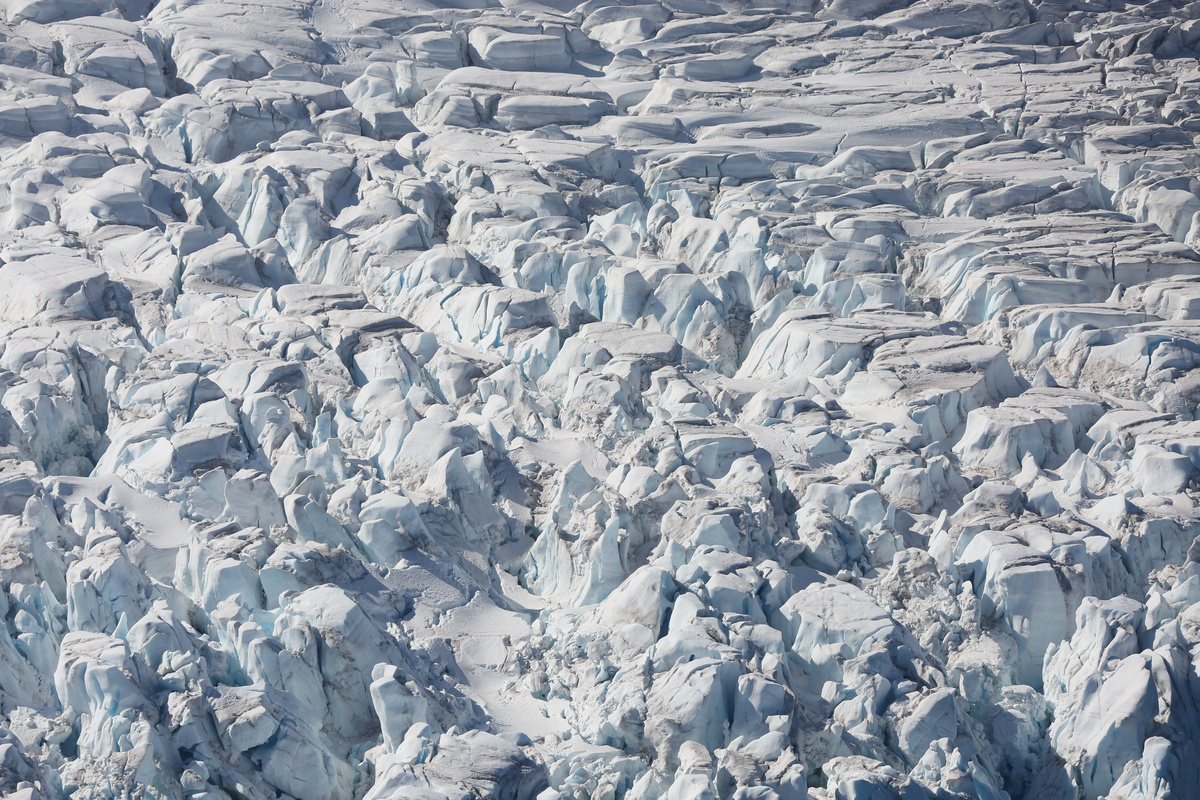
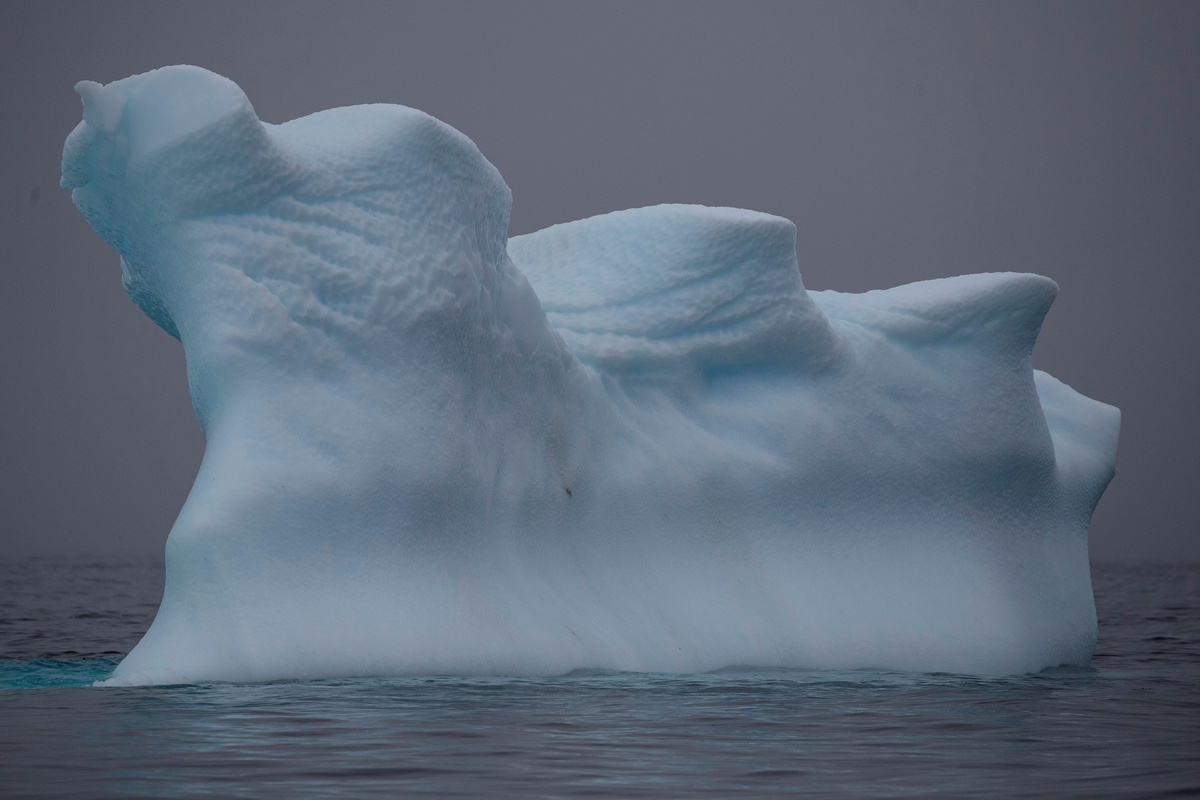
A platform of ice surrounding Antarctica measuring more than 350,000 square miles (900,000 sq km) is at risk of collapse as the effects of climate change threaten to destabilise it, a new study has shown.
The floating ice shelves that extend from the world’s largest ice sheet into the sea could split if fractures on their surface are flooded by meltwater as the climate warms.
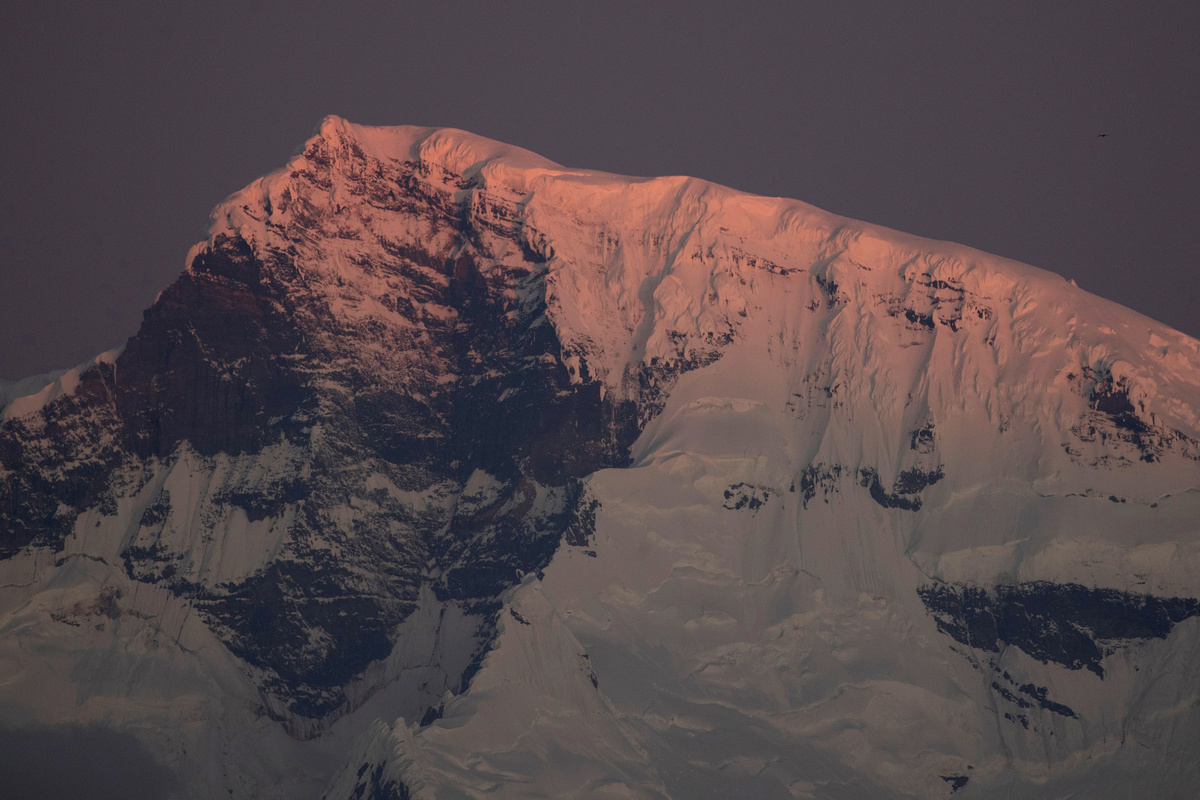
Sudden loss of these supportive structures could rapidly accelerate the flow of ice into the ocean, raising sea levels around the world, with previous studies suggesting the rise could be as much as one metre by 2100.
Ice shelves float on the ocean but are fastened to land and act as stoppers that prevent Antarctic ice sheets, that are as big as the United States and Mexico combined, from sliding into the sea.
When they melt away from those anchor points, the flow of ice into the ocean speeds up, accelerating sea level rise.
The study led by researchers from Columbia University in the United States and involving Edinburgh University, Utrecht University and Google estimated around 60 percent of the ice-shelf area was vulnerable a process called hydrofracturing.
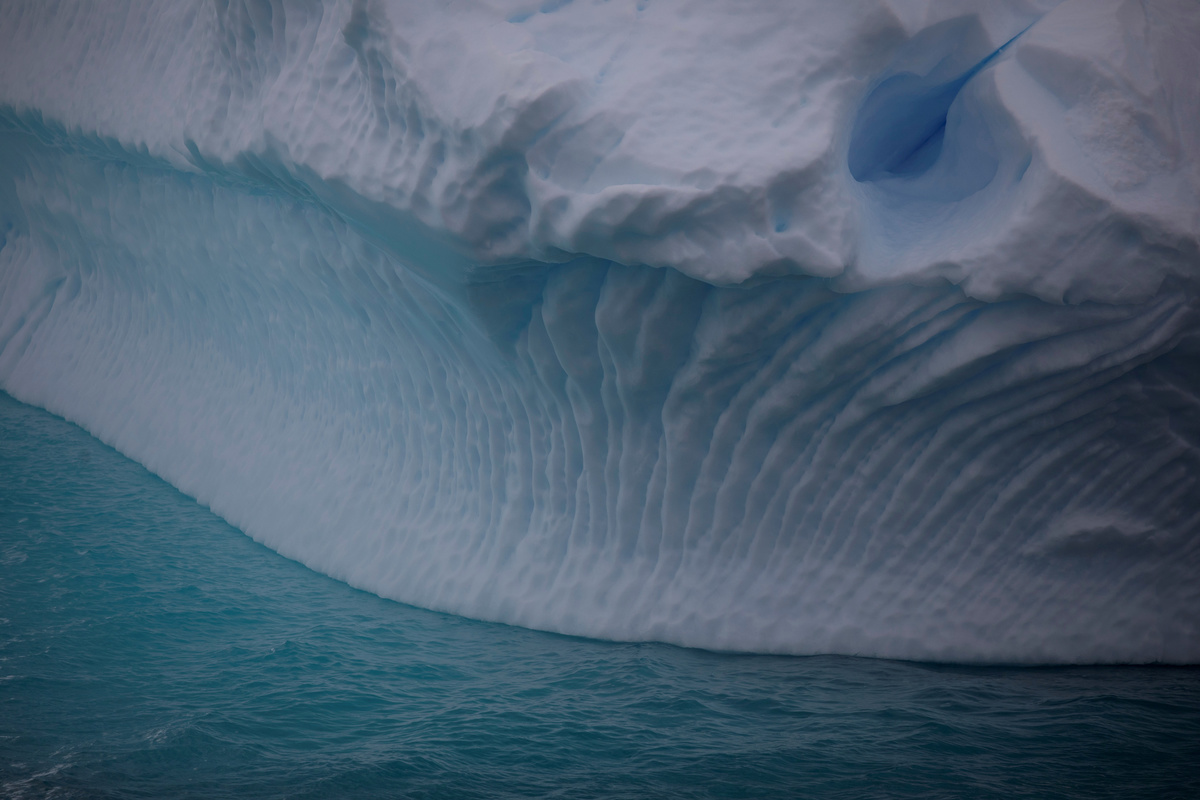
It is a process where meltwater repeatedly refreezes and thaws again, enlarging fractures in those sections of ice and putting them at risk of collapse.
Martin Wearing, of the University of Edinburgh's School of GeoSciences, who took part in the study, said: "We’ve seen in the past that the sudden collapse of ice shelves can trigger rapid acceleration of the glaciers that flow into them, and, in turn, sea-level rise."
"We have found that stresses within vast sections of Antarctica’s ice shelves are sufficiently large that they could collapse if, as climate models predict, surface melting increases substantially in coming years."
The study, which used machine learning and artificial intelligence software to examine satellite images, adds to a list of alarming research on the Antarctic's ecosystem this year.
One study released in February shortly after the region saw its highest temperature on record at 18.3 degrees Celsius (64.9 degrees Fahrenheit) warned global warming was leading to an "irreversible" mass melting of Antarctic ice.
(Reporting by Marc Jones; Editing by Toby Chopra)