The U.S. Space Force is turning to some unlikely sources of inspiration for naming its spacecraft and space weaponry.
At the 3rd Annual Spacepower Conference, held in Orlando, Florida from Dec. 10 to Dec. 12, Chief of Space Operations Gen. Chance Saltzman told attendees that Space Force is adopting new naming schemes for each of its different mission areas that will "cement the identities of space weapon systems" much like the names of iconic aircraft, such as the A-10 Thunderbolt II or F-22 Raptor, have done for the U.S. Air Force.
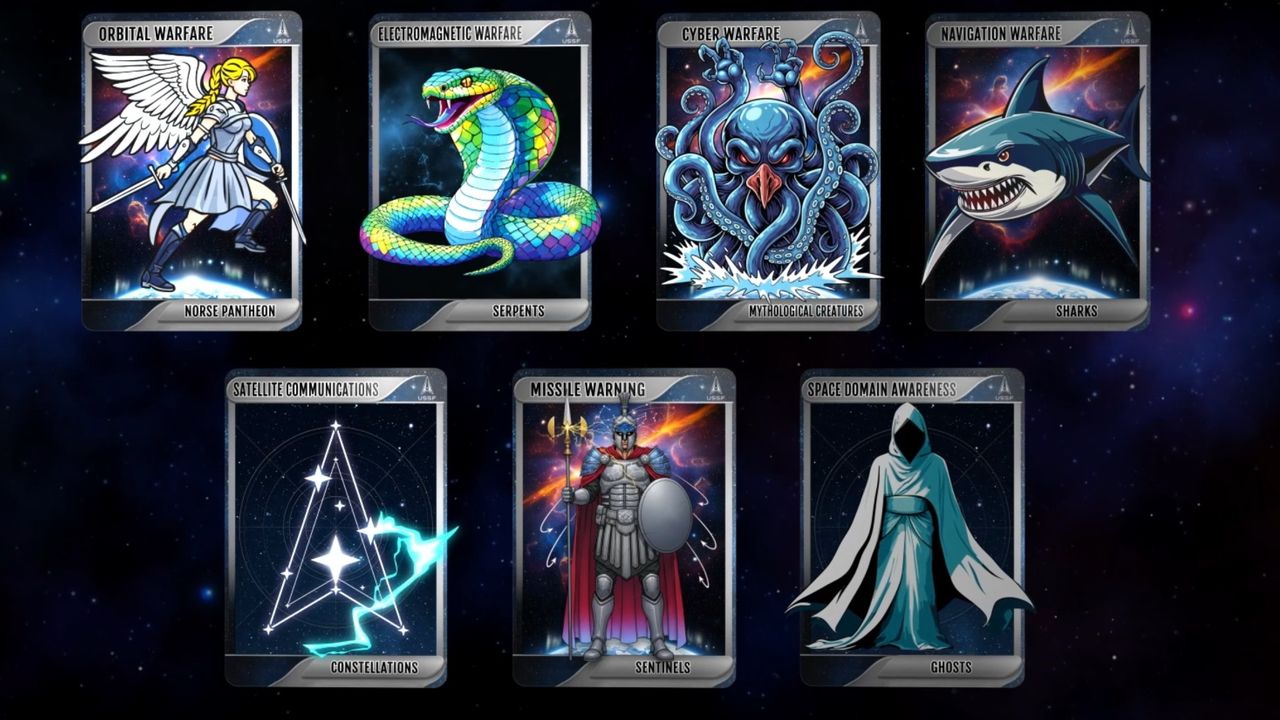
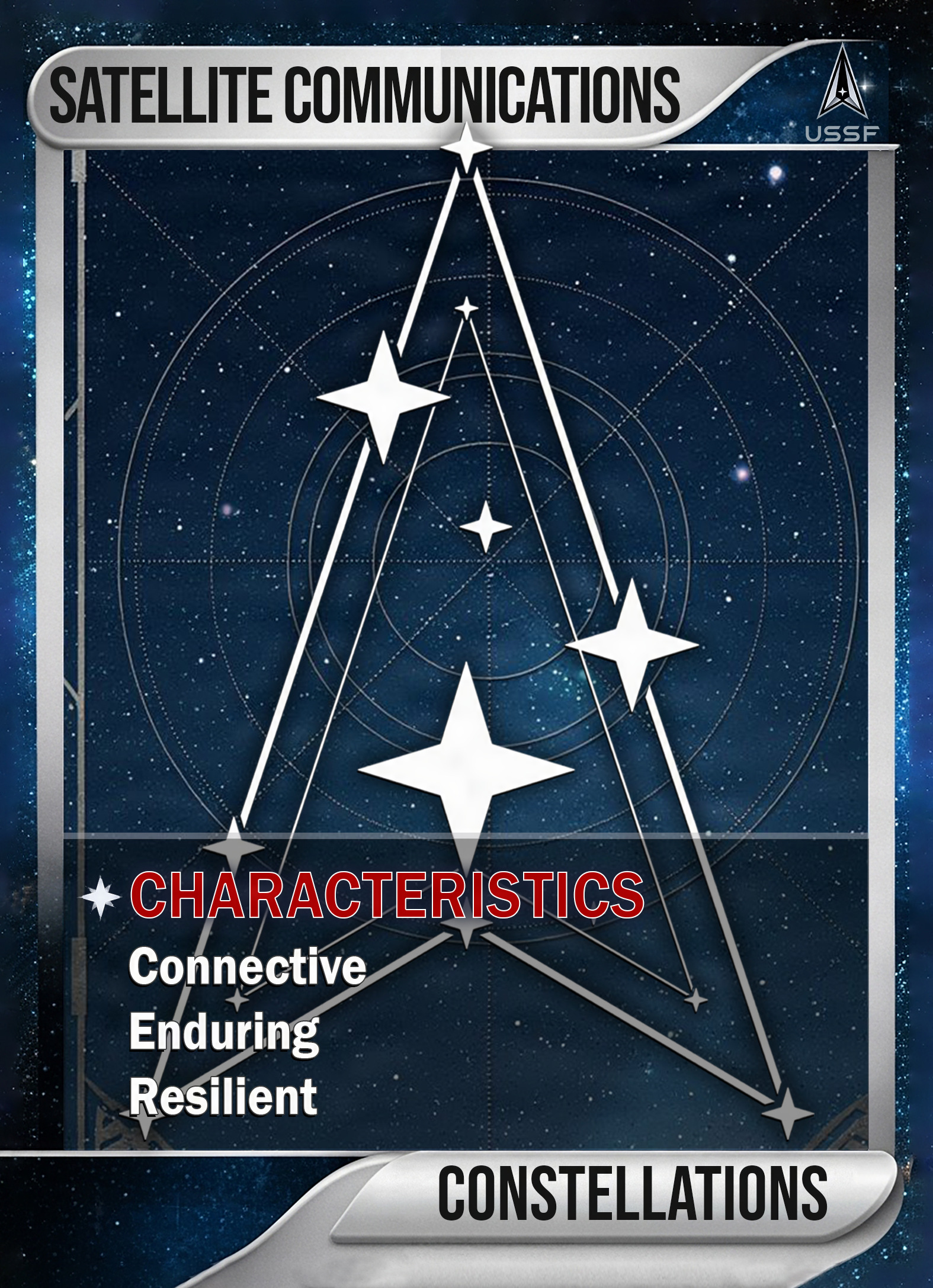
But while symbols for some of Space Force's mission areas will be similarly borrowed from real-life animals, others are more mythological in nature, Saltzman said. "These include Norse Pantheon, representing the power and dominance of orbital warfare; mythological creatures, conjuring the cunning and adaptability of cyber warfare systems; constellations, reflecting the reach and enduring connection of satellite communications; and ghosts, evoking the silent presence of space domain awareness, just to name a few," Saltzman said at the conference.
Seven different naming categories were chosen, one for each of Space Force's mission areas:
- Orbital warfare: Norse pantheon
- Electromagnetic warfare: Snakes
- Cyber warfare: Mythological creatures
- Navigation warfare: Sharks
- Satellite communications: Constellations
- Missile warning: Sentinels
- Space domain awareness: Ghosts
After announcing the new naming scheme, Saltzman explained two specific names that had been chosen for specific spacecraft. The first, a communications satellite in geostationary orbit previously known as the Ultra-High Frequency Follow-On system, will now be known as as Ursa Major.
"The Big Dipper — as you all know, part of the Ursa Major constellation — famously points to Polaris, our north star, always linking us to our most important missions," Saltzman said.
Another spacecraft operated by Space Force's 1st Space Operations Squadron (1 SOPS) used to track satellites in high orbits will now be taking a name from Norse mythology: Bifrost.
"Bifrost is a bridge between Earth and the realm of the gods," Saltzman explained, "just as the Bifrost system in low Earth orbit bridges the divide between the Earth and the higher geostationary orbit of the other 1 SOPS systems."
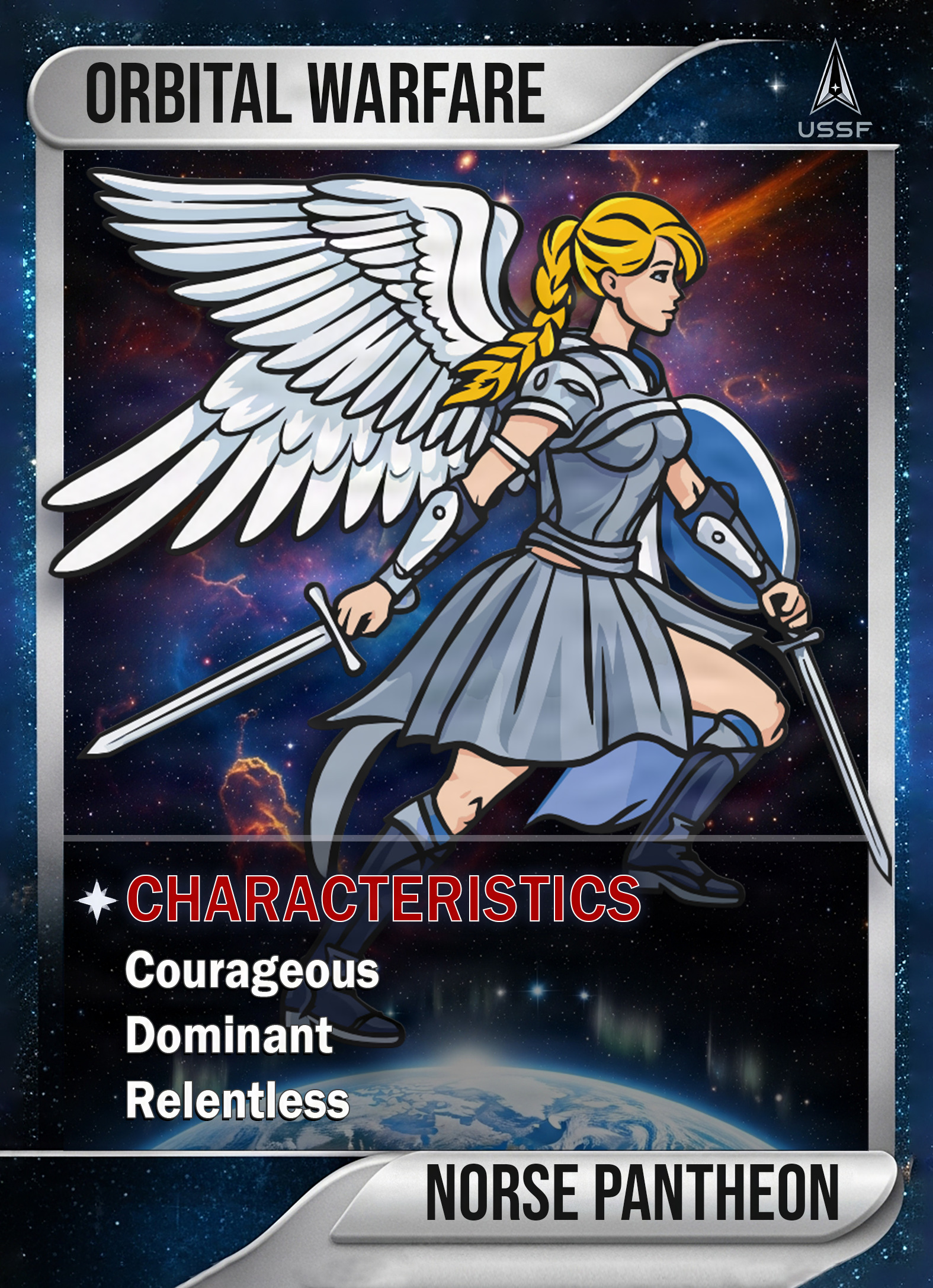
Saltzman stressed that the new naming scheme will help the newest branch of the U.S. military establish its own identity. "These symbols conjure the character of the systems, the importance of their mission, and the identity of the Guardians who employ them," Saltzman said. The new names will serve as "a way to own the identity of our space systems as they enter the joint fight," he added.
Unlike the U.S. Air Force's iconic aircraft or the U.S. Army's ground vehicles such as tanks, the public rarely gets a glimpse at Space Force's assets in orbit. This is partly by design; many of Space Force's spacecraft are highly classified, which can make it difficult for the service to communicate its missions and capabilities both to the public and throughout the U.S. armed services.