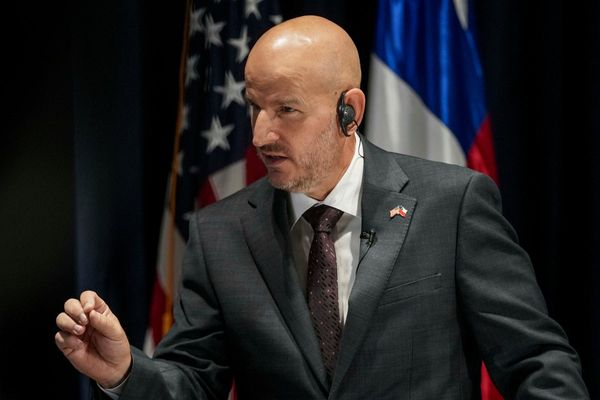
Former Nissan Motor Co. Chairman Carlos Ghosn did not talk about how he fled Japan at a press conference in Beirut on Wednesday night Japan time, but he is likely to have departed illegally by exploiting loopholes in the immigration control system and measures to prevent defendants released on bail from escaping.
"I'm not here to talk about how I managed to leave Japan," Ghosn, 65, told members of the media before the press conference, which was streamed live by CNN.
However, investigations by the Tokyo District Public Prosecutors Office and the Metropolitan Police Department have revealed most of the details of his escape.
Ghosn left his home in Tokyo's Azabu district by himself at about 2:30 p.m. on Dec. 29 last year. At a hotel in Roppongi about 800 meters away, he joined three people, including a man believed to be an American, and they headed for Osaka by Shinkansen bullet train while one of the group remained in Tokyo.
The conditions for Ghosn's bail did not restrict his travel within Japan if the trip was not longer than three days. A surveillance camera was installed at the entrance of his residence, but he was not monitored when he was out.
Ghosn is believed to have flown on a private jet from Kansai Airport to Lebanon via Turkey, but there are no records of his departure. The apparently American man loaded a large black box onto the jet, so Ghosn is highly likely to have left Japan by hiding in the box.
Kansai Airport targeted
According to the online edition of The Wall Street Journal, Ghosn's collaborators checked out more than 10 airports in advance. Kansai Airport was chosen through this investigation.
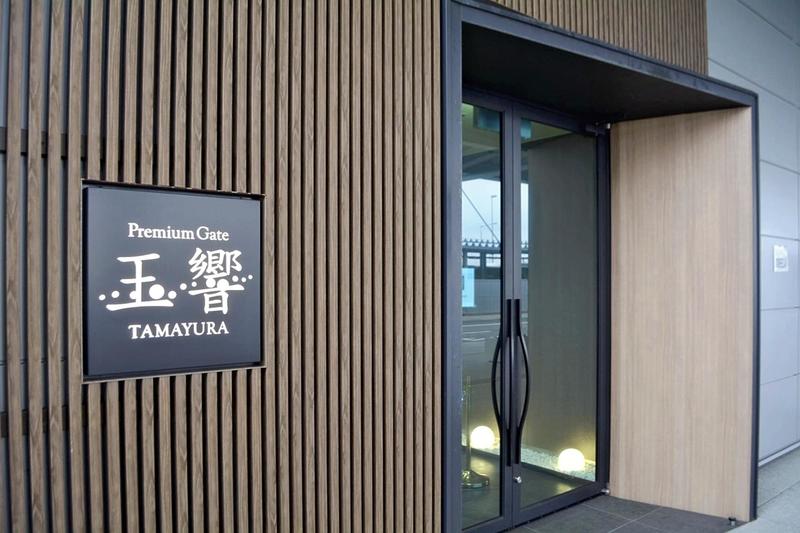
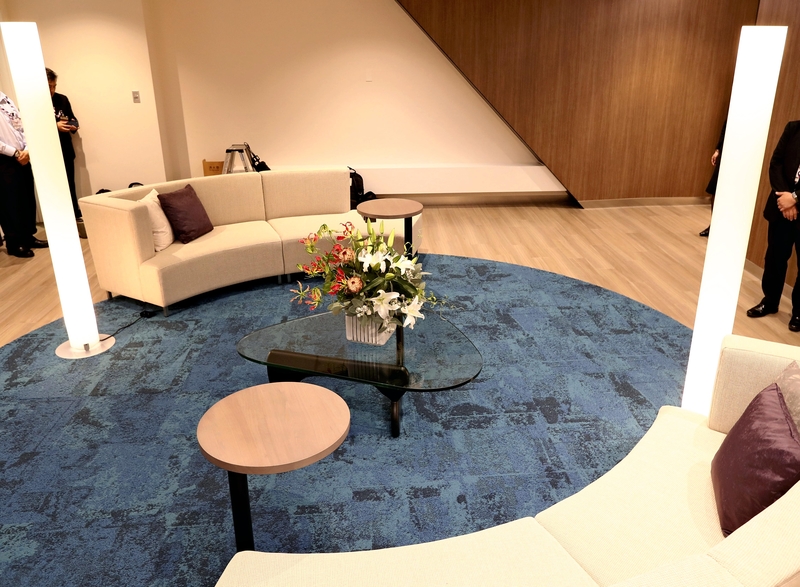
Located in a corner of the airport's terminal building, Tamayura is a round-the-clock facility for private jets. According to Kansai Airports Group, which operates the airport, the facility's security check station is equipped with X-ray machines and other devices, but large cargo items cannot pass through them. What's more, the luggage of people using private jets was not required to undergo X-ray and other safety inspections.
According to the Land, Infrastructure, Transport and Tourism Ministry, there were about 900 flights to and from Kansai Airport in 2018. Officials in charge of passport control and customs inspections went to the Tamayura facility only when the airport was used for private jets.
It is highly likely that "Ghosn's box" slipped through the security and customs inspections.
"Compared with general terminals, the number of people who use [the facility] is definitely small," a person familiar with the airline industry said. "It's true that the monitoring isn't strict, as inspectors and other personnel are not always stationed there."
On Sunday, Justice Minister Masako Mori instructed that passport control procedures be strengthened. At a press conference on Monday, Mori indicated that having defendants who are out on bail wear a Global Positioning System device could be something to consider to prevent escapes.
The transport ministry on Monday also started requiring security checks on large luggage at the facilities for private jets at four airports, including Kansai Airport.
Read more from The Japan News at https://japannews.yomiuri.co.jp/