By the middle of last week, Kabul’s capitulation to the Taliban was perhaps inevitable – but the horror and chaos of the last few days were not.
As the militants swept across Afghanistan, seizing towns then major cities, their negotiators in Qatar offered a deal that would have ushered in a pause in fighting, with a two-week transition period to a new government, the Wall Street Journal reported.
The price? The resignation of President Ashraf Ghani, whom the militants have long attacked as a puppet leader. He refused, going on television last Saturday to insist that the military would fight on, although he hinted at discussions behind the scenes.
Under the proposed ceasefire deal, Afghan political leaders would broker some kind of power-sharing deal, including former president Hamid Karzai, who has stayed in Kabul and is now leading talks with the Taliban on the shape of their new leadership, Bloomberg reports. That might have given those who wanted to flee a slightly longer window to escape, without having to negotiate Taliban checkpoints in the city. Perhaps even a land corridor could have been agreed.
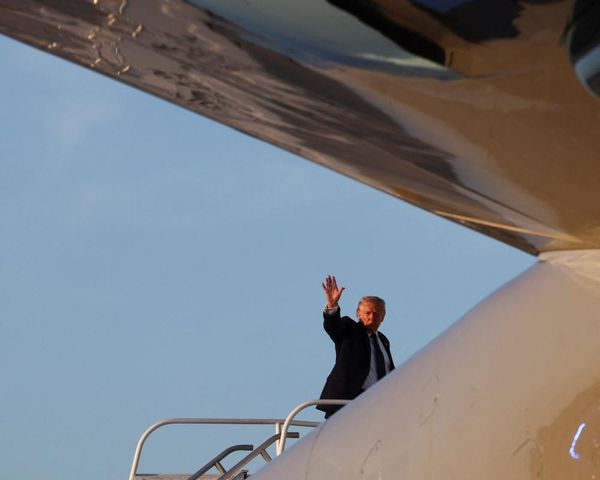
Ghani instead took heavy-handed steps to prevent an exodus of his citizens, ordering the passport office to stop issuing new documents the week before Kabul fell, according to reports. And when days later he fled by helicopter as the Taliban moved into Kabul, the opportunity was gone for ever.
From exile, Ghani put out a statement on Facebook saying he had left to avoid bloodshed. There were certainly very real fears of bloody street-to-street fighting if the Taliban had moved into the densely crowded capital, but the chaos that followed his departure has created its own immediate suffering, and may leave a much longer legacy of pain.
The Taliban have vowed they will not pursue reprisals, but they have also been searching for western-linked targets door to door. When the focus of the world’s media moves on, things could get much worse for those with foreign or government attachments.
The anger and contempt provoked by Ghani’s departure soured for many in Afghanistan into bitter sadness at his final choices in office, which brought so much pain to the rest of the country, who did not have helicopters on standby.
A micromanaging technocrat with an ungovernable temper and absolute faith in his own intellect, Ghani wrote a book before he came to power entitled Fixing Failed States which drew a flurry of new reviews last week. “Didn’t work,” notes the most recent, giving it just one star.





.jpg?w=600)