My alarm goes off at 6:30am. After having breakfast with my wife and listening to the morning news on radio, I spend time praying, which, as a Christian, is an important part of getting myself in the right frame of mind. At 8am, I walk the 40 minutes into Sheffield city centre with my wife, who’s a social worker for the NSPCC.
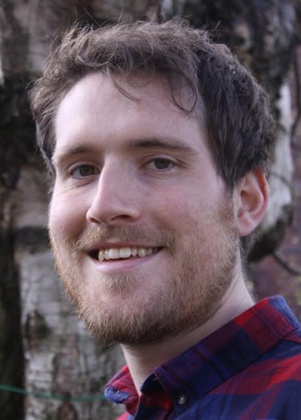
Leading the charity CRI young people’s drug and alcohol service in Sheffield is a huge privilege. It’s an extremely varied role, no two days are the same. The service is commissioned to provide specialist support, including one-to-one interventions and group work programmes, to young people under the age of 19 with problematic drug and alcohol use. We also deliver training to health, social care and education professionals across the city, helping them to support young people as best they can.
I start the day by replying to emails and then might chair our team meeting, discussing new ideas, developing plans and addressing any issues, as well as providing updates on current cases. There are lots of reasons why a young person might develop a problematic relationship with alcohol or drugs. Getting to the heart of what might be motivating a young person’s substance use, and helping them address the underlying cause, is a key priority for us.
The team will then head out to their youth work bases across the city where they will meet with young people in schools, community centres and in their homes, while I might attend a multi-agency planning meeting for children and young people services across the city. For lunch, I tend to bring in tasty soups made with leftover vegetables from the week before, which I find is an easy and economical way to make sure I have a healthy meal during the day.
The afternoon could begin with a supervision session with one of my team, discussing their objectives and how they’re doing. The work we do can be emotionally challenging, so making sure my team get the right support for their wellbeing is very important. I could follow this by leading a group work session with young people exploring their use of cannabis or their drinking.
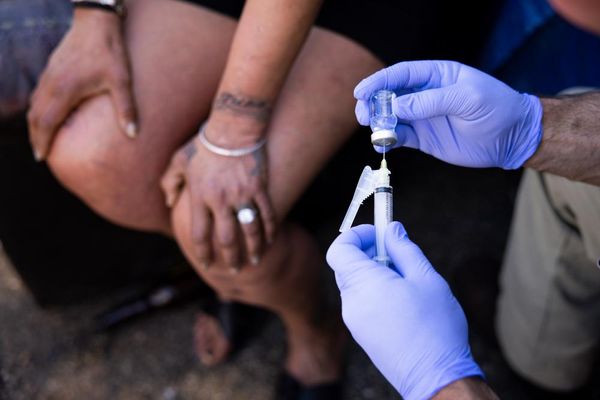
Recently, we’ve had a lot of young people with physical and mental health issues caused by new psychoactive substances (commonly called legal highs). As a team, it’s very important we’re responsive to changes in the use of different substances, so we can spot emerging trends and make sure we’re providing the right kind of support. The young people we work with may be at risk of sexual exploitation, self-harming, homelessness, or may be in local authority care, which is why we tailor our support to meet their individual needs. We give one-on-one psychosocial support, such as basic cognitive behavioural therapy, motivational interviewing and solution focussed therapy.
I might finish the day by analysing the service’s spending before ensuring the office is safe and secure before I head home. We handle a lot of sensitive and confidential information so we need to ensure our information security protocols are watertight.
I joined CRI in October 2013, as I wanted to have more involvement with my community, and to have a tangible impact on the lives of vulnerable young people in my area. It’s something I’ve always been passionate about, which is why I spent 12 years as a youth worker, as well as supporting the development of food banks and leading a homeless soup kitchen with my church. Recently, I ran the Sheffield half marathon to raise money for Roundabout, a charity that supports homeless young people in Sheffield.
My life outside work is equally fulfilling. For the past two and a half years, my wife and I have welcomed into our family a young man made homeless as a teenager. I am also a musician and play in an acoustic indie band, occasionally gigging in local bars and cafés.
I’m not someone who has a life plan; my life is motivated by seeking social justice and contributing as best I can. My motivation is rooted in my Christian faith, which empowers me to love others above myself and to seek the prosperity and fulfilment of the community I live in.
Alongside the obvious rewards, leading a young person’s drug and alcohol service can be very demanding. Young people are constantly faced with a range of challenges, on top of which they have to battle negative stereotyping of drug and alcohol users. Thankfully I have the privilege of working with an incredibly motivated team who do whatever they can to tackle this kind of stigma. They are a real inspiration!