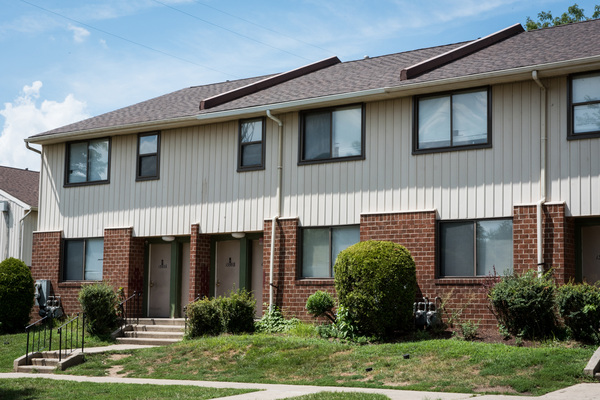
CHESTER, Pa. _ When the shots rang out on Chester's west end on a cool, rainy night in May, Eunice Durnell paid the noise no mind.
Twenty swift blasts, in barely a minute. Gunfire is so frequent in Chester, Durnell had trained herself not to care.
So she went to bed.
By the time she woke, another family member was dead.
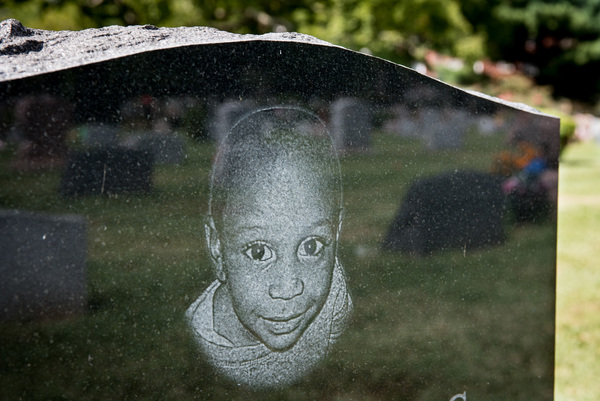
This time, it was her 14-year-old godson, Zenas Powell, struck by stray bullets outside a corner store where he had stopped to buy candy as he biked to a relative's home.
Powell was not the target, police say. He wasn't a troublemaker, gang member or prone to violence.
But the shooter sprayed the corner anyway before speeding off. Police canvassed for hours but made no arrests. Not that night _ or any night since.
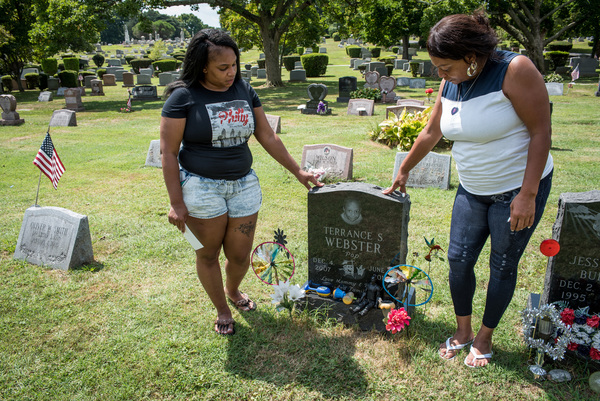
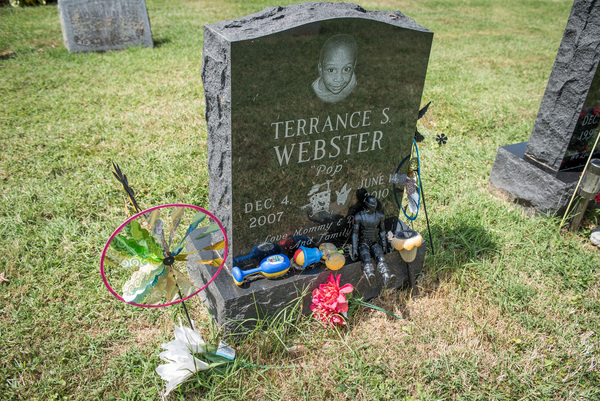
Powell became the fourth member of Durnell's extended family slain in Chester in two years: Her 51-year-old sister, stabbed in the chest. A 31-year-old nephew, gunned down. A cousin, 17, shot execution-style, two bullets to the head.
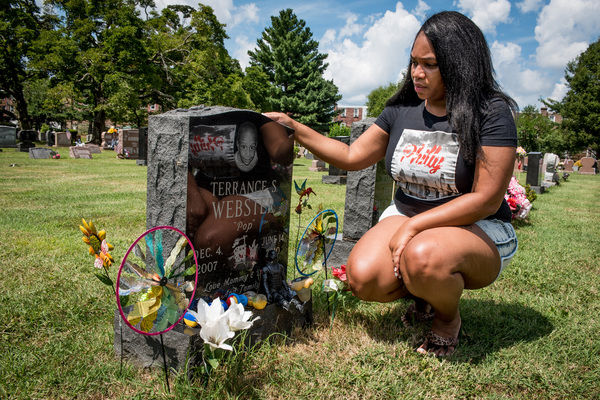
None have been solved.
"That's how it is (in Chester)," said Durnell, a 56-year-old nurse. "You can end up dead at any time. ... And the (killers)? Well, they're still walking around."
That's more than just a streetwise assessment. A Philadelphia Inquirer analysis of every homicide shows Chester police have closed about one-third of its 323 slayings since 2000 _ including one of an officer _ a rate half the national average and among the lowest in the nation.
And it's getting worse.
The rate is magnified by the pace of homicides in the four-square-mile city: Measured for every 100,000 people, Chester's homicide rate averages 53 a year between 2000 and 2014, outranking all U.S cities in that span, according to an analysis of available data.
That rate is more than double Philadelphia's 21 per 100,000, and slightly more than Camden's 52 and New Orleans' 47. (Excluded from the analysis are cities that failed to consistently report their homicide data to the FBI.)
Cold-case experts say the rate of solving homicides _ the "clearance rate," defined by arrests, not convictions _ has slipped nationally over decades. They say other cities facing similar obstacles have found ways to improve.
Chester's surge in the opposite direction reflects a community in crisis. Once among the region's prosperous places, the Delaware County city spiraled into joblessness and poverty after its manufacturing base collapsed.
From a teetering economy sprouted drugs, gangs and not enough money to keep a robust police force, one with the time or staff to build trust. Add in a pervasive "no-snitch" culture, and police say their job has become even harder.
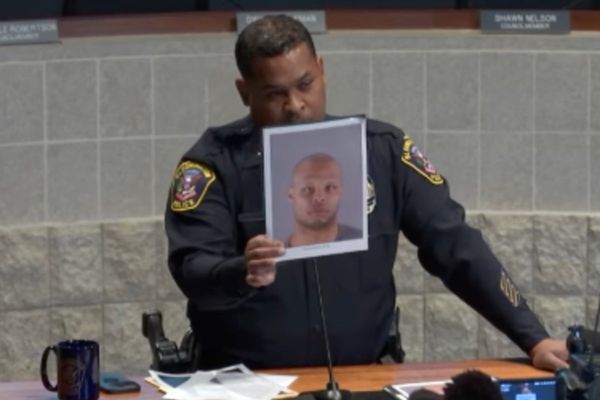
"The vast majority of homicides, we have a real good idea who did it," said Joe Ryan, chief of the county's Criminal Investigation Division. "We just don't have the evidence or the cooperation."
Some killers inevitably get locked up on unrelated or lesser crimes, or flee to other towns or states. Still, there's no way to know for certain, or to ensure that justice has been served.
In that way prosecutors and police brass are left acknowledging a new reality: In Chester, it's not that hard to get away with murder.
"It's murder, murder, murder _ like a bad TV show," Durnell said. "And then nothing happens."