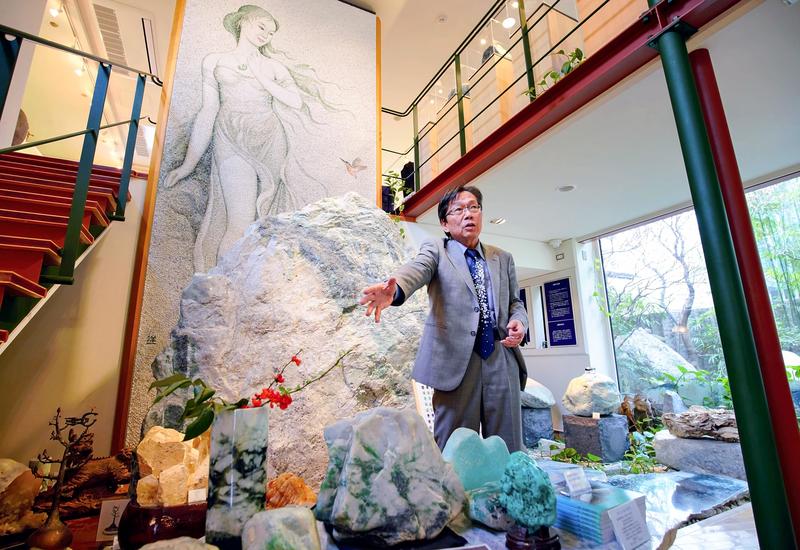
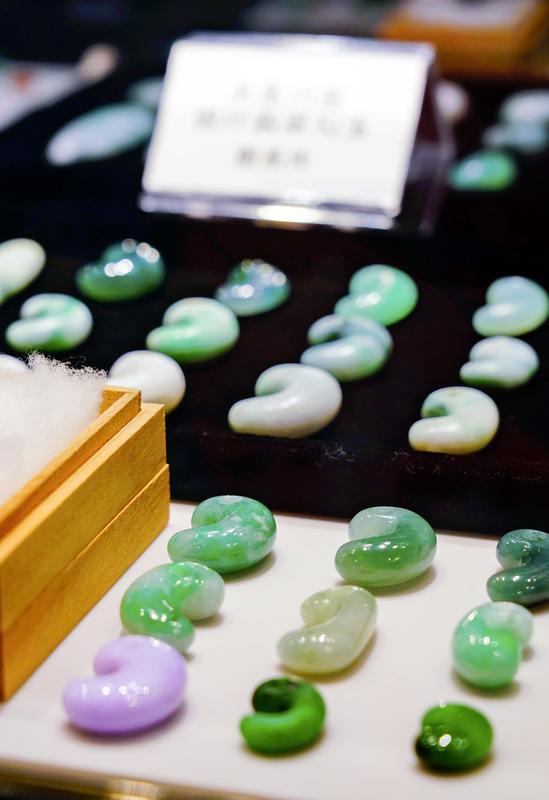
From ancient times in Japan, jade has been prized as the East's quintessential gemstone, fashioned into jewelry and accessories such as magatama classic comma-shaped beads. Upon entering the Hisui Genseki Kan -- the museum of rough jade gemstone -- in Tokyo, visitors are met with a rough five-ton rock, and their eyes are drawn to a wall mosaic consisting of more than 100,000 precious stones, including jade.
The hundreds of items on display were all excavated by Nobuhiro Tsurumi, the 70-year-old museum director who has dedicated the better part of his life to this mission.
Tsurumi's fascination with jade began when he was in elementary school. From that time, he became so enamored with rocks that he would pick up pebbles and stones that he found in the street and bring them home -- often drawing the wrath of his parents.
One day, a friend with whom he would go to Inokashira Park in Tokyo's Kichijoji district and other areas to dig for earthenware and stoneware artifacts, showed him a piece of jewelry made of jade. He was immediately smitten by the beauty of the shiny light green stone.
While at university, Tsurumi ventured to the nation's major jade ore production area of Itoigawa, Niigata Prefecture, where he would wade into rivers in search of raw gemstones. All that he came up with, though, was one stone no bigger than a fingertip.
Upon graduation, Tsurumi entered the family's filter manufacturing business and, as the sales representative, became so busy that he grew far apart from stone-digging. But his passion never waned, and he kept believing, "Someday I'll find a bigger, beautiful stone."
It was in his late 30s that he took his first trip to Burma (present-day Myanmar), considered the largest production area for jade in the world. While engaging in his own company's business, he hit it off with a local person with ties to the then ruling military junta, and together they purchased jade at excavation sites.
From then on, he would head to rock fields both in Japan and abroad two or three times a year and, at his own expense, bring back raw gemstones, jewelry and other items. In all, his expeditions took him to seven countries, including Myanmar, Tanzania, Madagascar and Mexico.
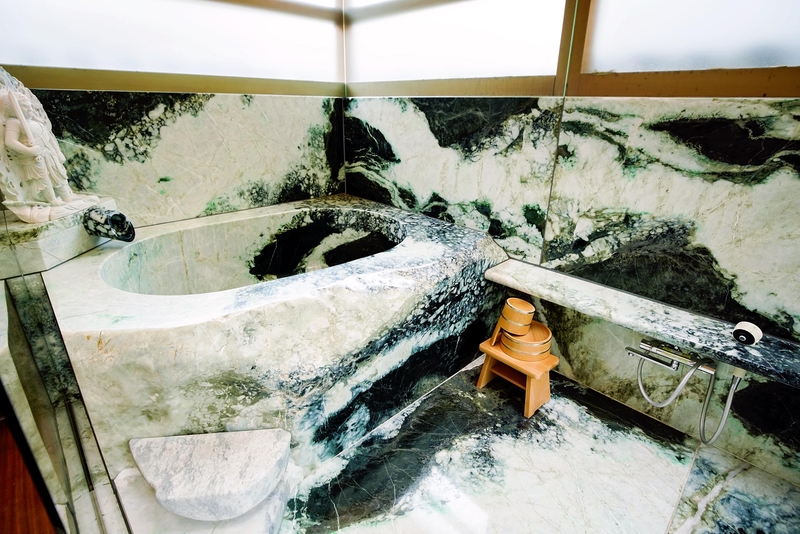
In addition to the many different types of raw gemstones, visitors to the museum can marvel at Chinese handicrafts and a bathtub carved out of a 10-ton raw gemstone on display. Tsurumi says that some of the most enthusiastic devotees will stay in the museum from opening to closing time.
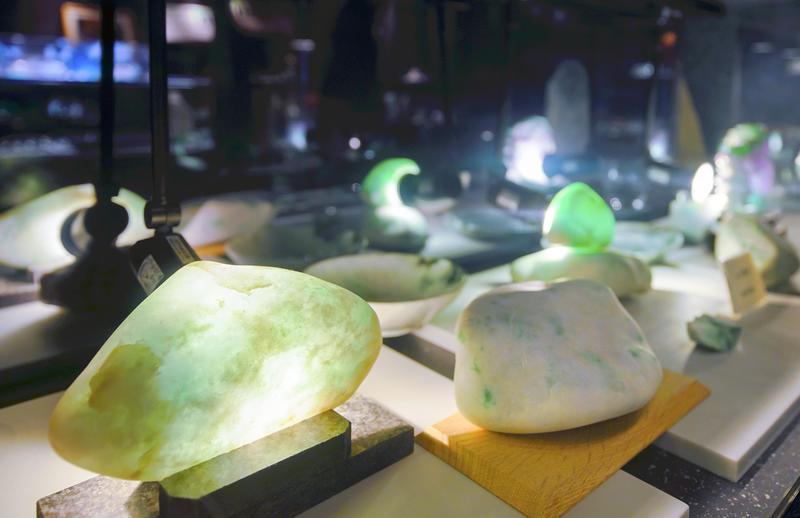
Jade is a metamorphic rock formed as a result of low temperature and high pressure in the Japanese archipelago's subduction zone.
"The green color of jade reminds one of nature and produces a calming effect on those who look at it," Tsurumi said. "Through my exhibit, I want people to sense the richness of nature that has produced jade."
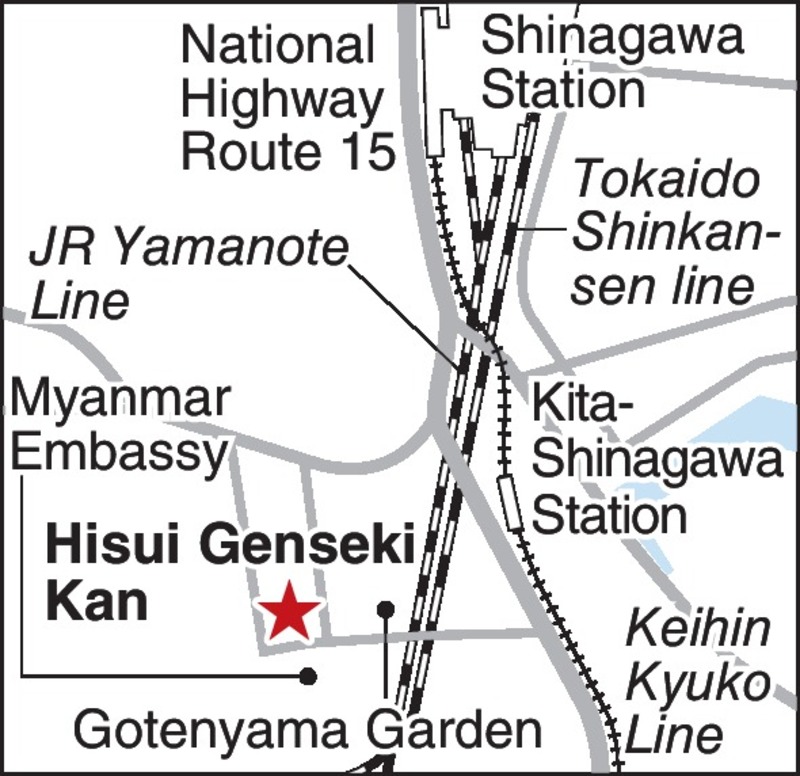
-- Hisui Genseki Kan
Opened in 2002, the museum building was renovated from a former showroom for foreign lighting fixtures. If the timing is right, the director himself will explain the exhibits or talk about his experiences excavating the stones. There is a gift shop where magatama comma-shaped beads, pendants and other items can be purchased. The museum is about a 10-minute walk from Kita-Shinagawa Station on the Keihin Kyuko Line.
Address: 4-5-12 Kita-Shinagawa, Shinagawa Ward, Tokyo
Open: 10 a.m.-5 p.m. Closed Mondays and days following a national holiday.
Admission: Adults 700, yen children 350 yen
Information: (03) 6408-0313
Read more from The Japan News at https://japannews.yomiuri.co.jp/