

The start of the year isn’t the easiest time for gardening. It can sometimes be tough to ward up the motivation to head outside when it is cold and frosty. When the weather breaks and provides bright January days, and you're eager to get a gardening fix, there are plenty of plants to prune in January that you can get on with.
Most trees, shrubs, and perennial plants are dormant during the wintertime, and it can certainly be easier to prune deciduous trees and shrubs when they are without leaves. The best plants to prune in January are those that produce flowers or fruit on new growth.
With a bit of trimming, you can give them a tidy that’ll improve their health and reward you with lots of blooms or fruits. I have spent countless days pruning shrubs throughout winter, and here are seven plants to prune in January to get you out into the yard and back into the gardening swing for the new year. Definitely add these to your winter gardening checklist.
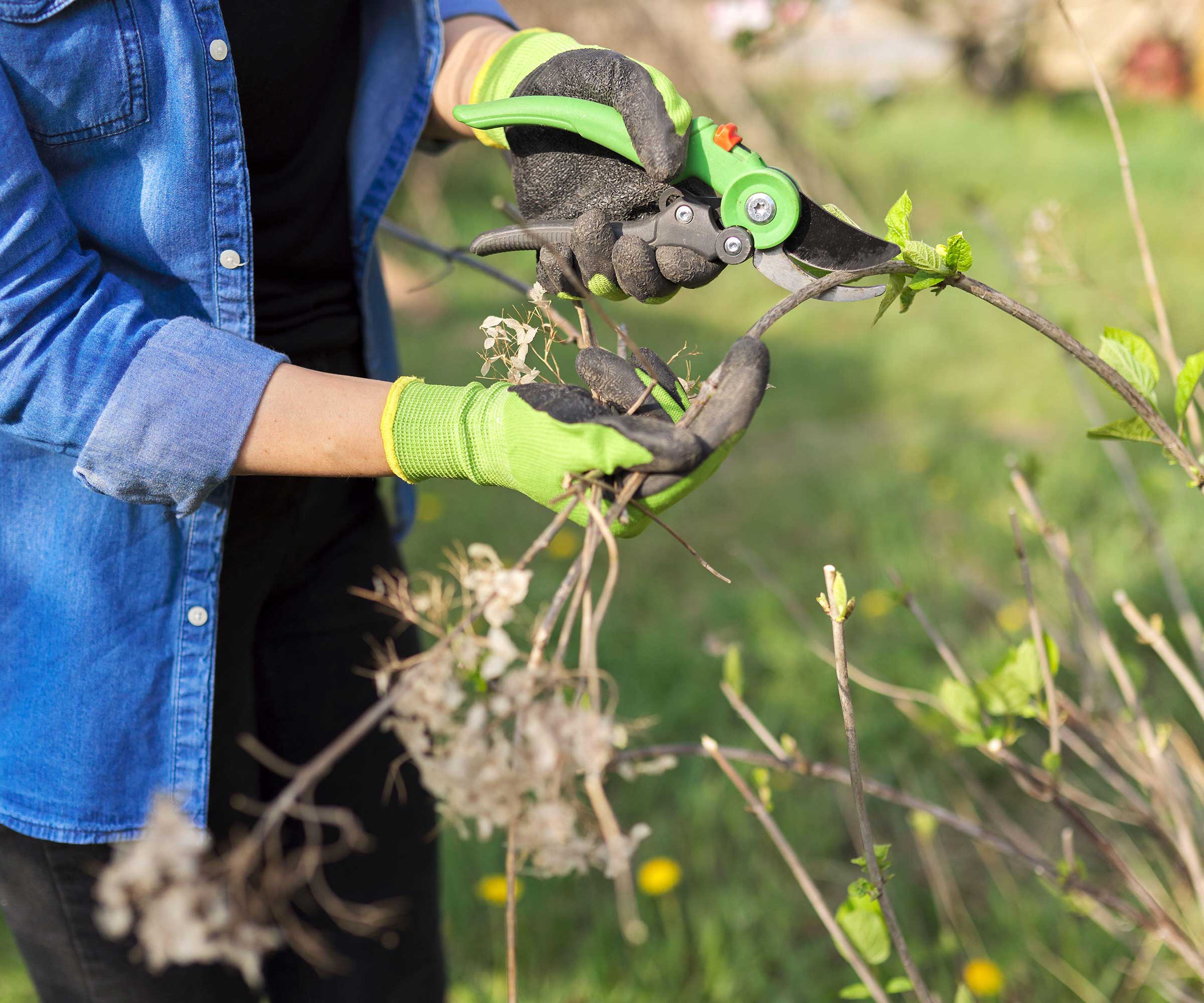
7 Plants to Prune in January
Remember this simple rule. The best plants to prune in January are those that flower on new growth, whether it is trees, shrubs, fruit bushes, or perennial plants. You want to avoid trimming any that bloom on old wood. It would be a pruning mistake to cut those, as you’ll be removing the buds to carry the flowers this year.
The following are all recommended plants to prune in January. I’ll include some trimming tips for each of them to help you confidently prune. The first piece of advice is to always use clean, sharp pruning tools. A pocket-sized sharpener like this on Amazon can be a worthwhile investment to keep your pruning shears sharp while out in the yard.
1. Hydrangeas That Bloom on New Growth
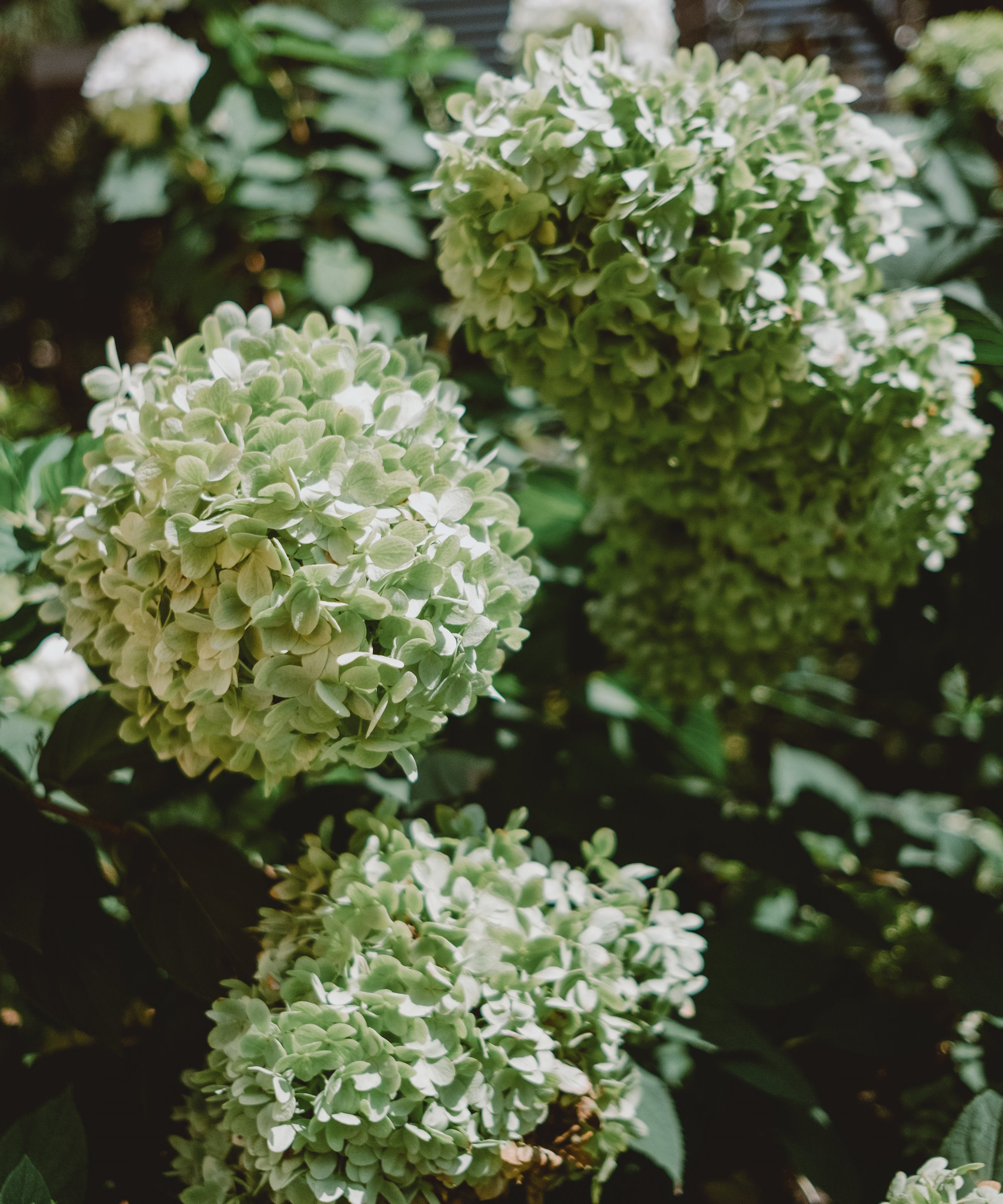
Knowing when to prune hydrangeas means understanding the types you are growing in your yard.
It can sound complicated to anyone new to growing hydrangeas, as different types are pruned at certain times of the year. As discussed above, it depends on how the flowering shrub blooms; those that flower on new wood can be pruned in winter, while those that bloom on old growth are pruned in summer, after flowering.
So, if you have panicle hydrangeas, such as the popular ‘Limelight’ hydrangeas, or smooth hydrangeas, including the classic favorite ‘Annabelle’ hydrangeas, these are the ones to prune in January.
As for how to prune hydrangeas this month, trim away any dead, diseased, or damaged wood, as well as any crossing branches. Shape the shrub by pruning back around one-third of the growth to invigorate new flowering stems.
A pair of sturdy loppers can be crucial for this task, especially for removing thicker stems, and these Fiskars bypass loppers at Walmart can efficiently cut stems up to 1.5 inches thick.
2. Rose of Sharon
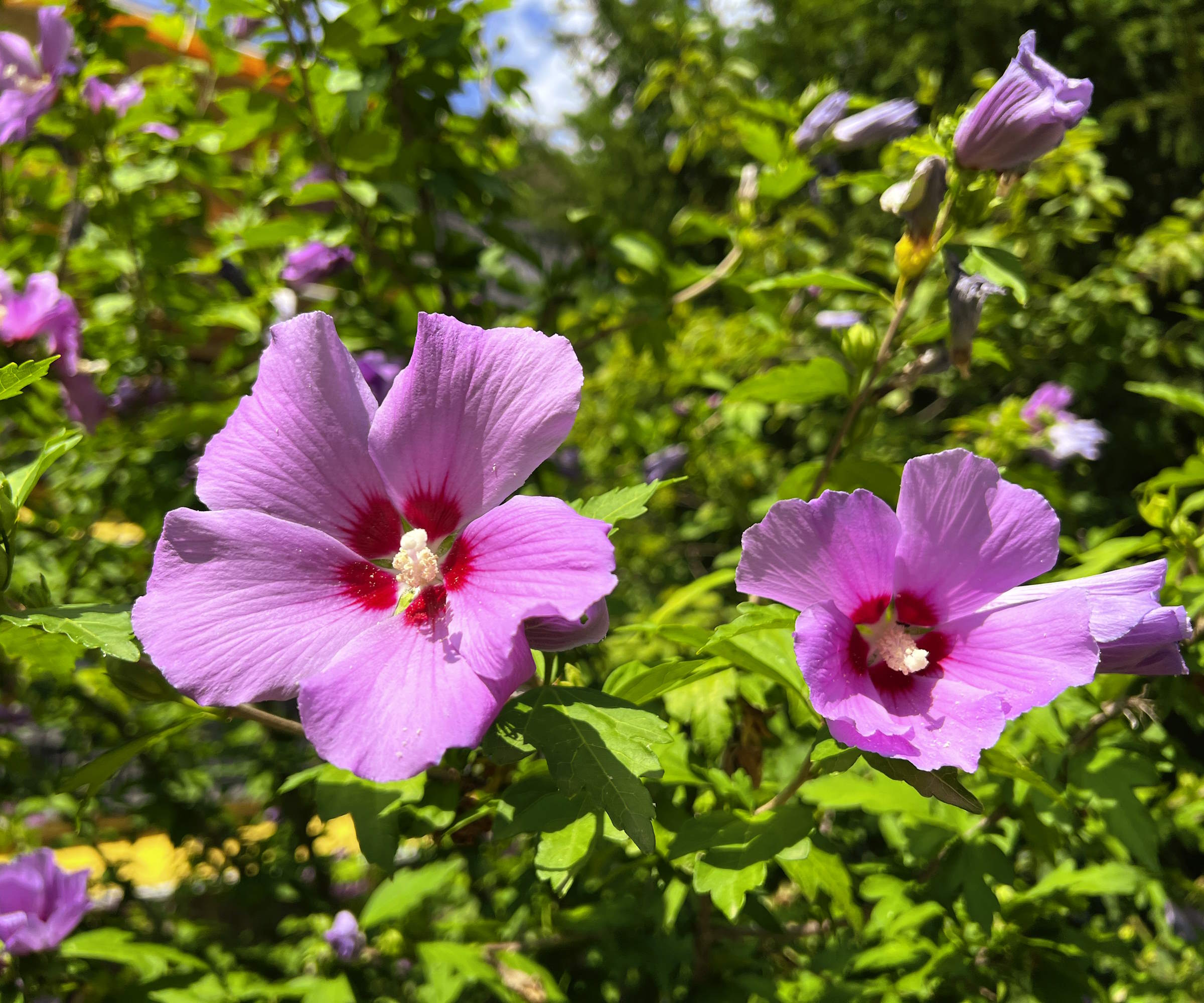
Rose of Sharon shrubs don’t always need pruning, but you do get a better display of blooms by trimming them during dormancy. The showy trumpet-shaped flowers are borne on buds produced on new wood in the spring, so trimming too late negatively impacts any potential display.
To prune a Rose of Sharon, remove any dead, damaged, or diseased branches, along with any weak growth, crossing stems, and any growing in unwanted directions. Then shape the shrub by cutting up to a third off the remaining stems. This trimming of the tips will encourage bushier growth and more flowers.
You can aggressively prune a Rose of Sharon by cutting the plant back harder in winter. However, while this can control the size of the shrub, it does so at the expense of flowers. You will get a smaller display of blooms.
If you plan any hard pruning of trees and shrubs this winter and need to trim extra-thick branches, a pruning saw will be best for the job. For example, this folding pruning saw at Amazon can cut branches up to six inches thick with its sharp-toothed blade.
3. Crepe Myrtle
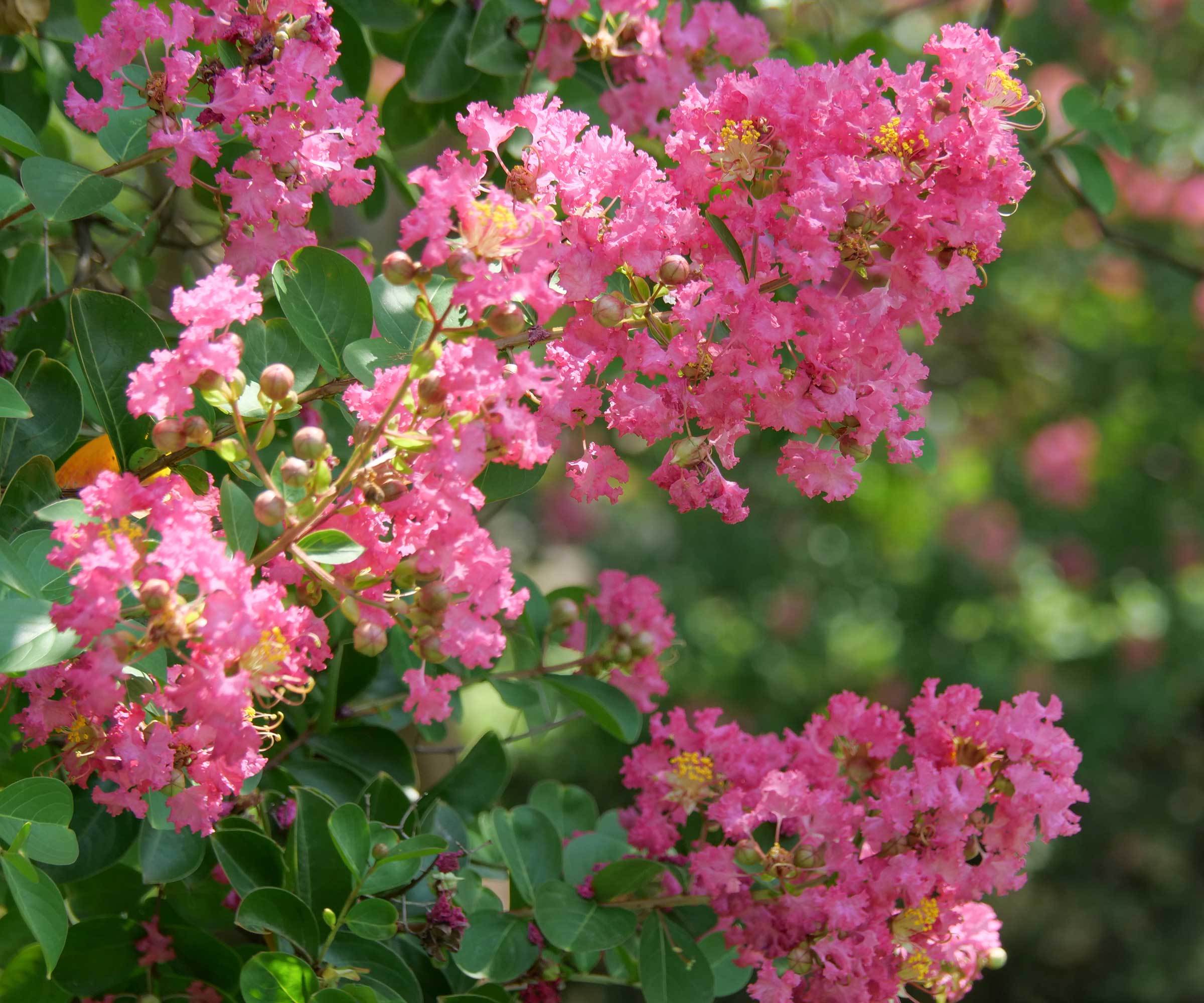
Winter is an ideal time to shape and prune crepe myrtle to give yourself a stunning display of fragrant, bright blooms come late spring and summer. Remember when to prune a crepe myrtle; leave it too late and you’ll be left with a crepe myrtle not flowering, as you’ll have removed the buds developed on this year’s growth.
Pruning is recommended to prevent the shrub from getting overgrown and new flowers from being impeded by lots of older growth. A trimmed crepe myrtle also benefits from air circulation and light penetration, which helps keep it healthy.
It is best to prune crepe myrtle lightly; selective pruning is better than removing a huge amount of branches. As usual, remove dead, diseased, and damaged wood and any branches that are crossing.
You can trim stems and shape the shrub, but remember the one-third pruning rule to never remove more than a third of the branches, which can overly stress it.
A quality set of pruning shears will be your go-to tool for all manner of shrub pruning, so you want one that will last many seasons. These Felco F2 pruning shears at Amazon are professional-grade tools, and all parts are replaceable, so they can last a lifetime.
4. Summer-Flowering Clematis
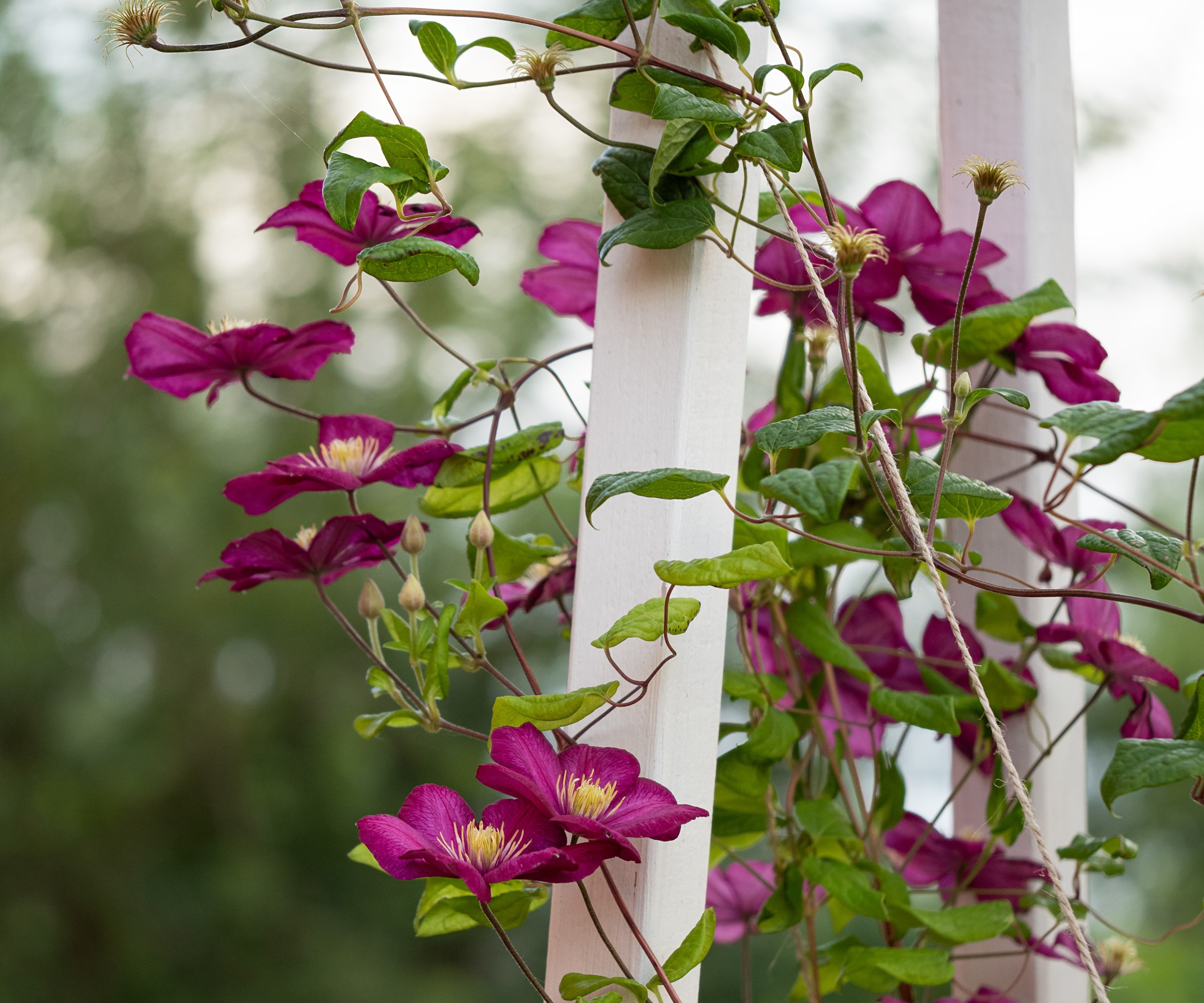
When you grow clematis, the various species and cultivars are separated into three groups. The ground any type of clematis belongs to dictates when to prune clematis.
It is the late summer-flowering clematis that are in group three that can be cut back hard in winter. This regular trimming stops the plants from becoming a tangled mess with a bare base and flowers only at the top. Instead, you get an attractive climber with lots of blooms where you can enjoy them.
The good news is that pruning group three clematis is simple to do. When you see signs of new growth, which can be as early as late January in some climates, take your sharp pruning shears and cut all the stems back to a set of healthy buds situated around 12 inches above ground level.
This job can be done with a pair of sharp hedging shears, such as these sharp steel hedge shears at Walmart that feature soft, non-slip grips to absorb the shock from trimming and reduce fatigue over long periods of time.
5. Blackcurrants
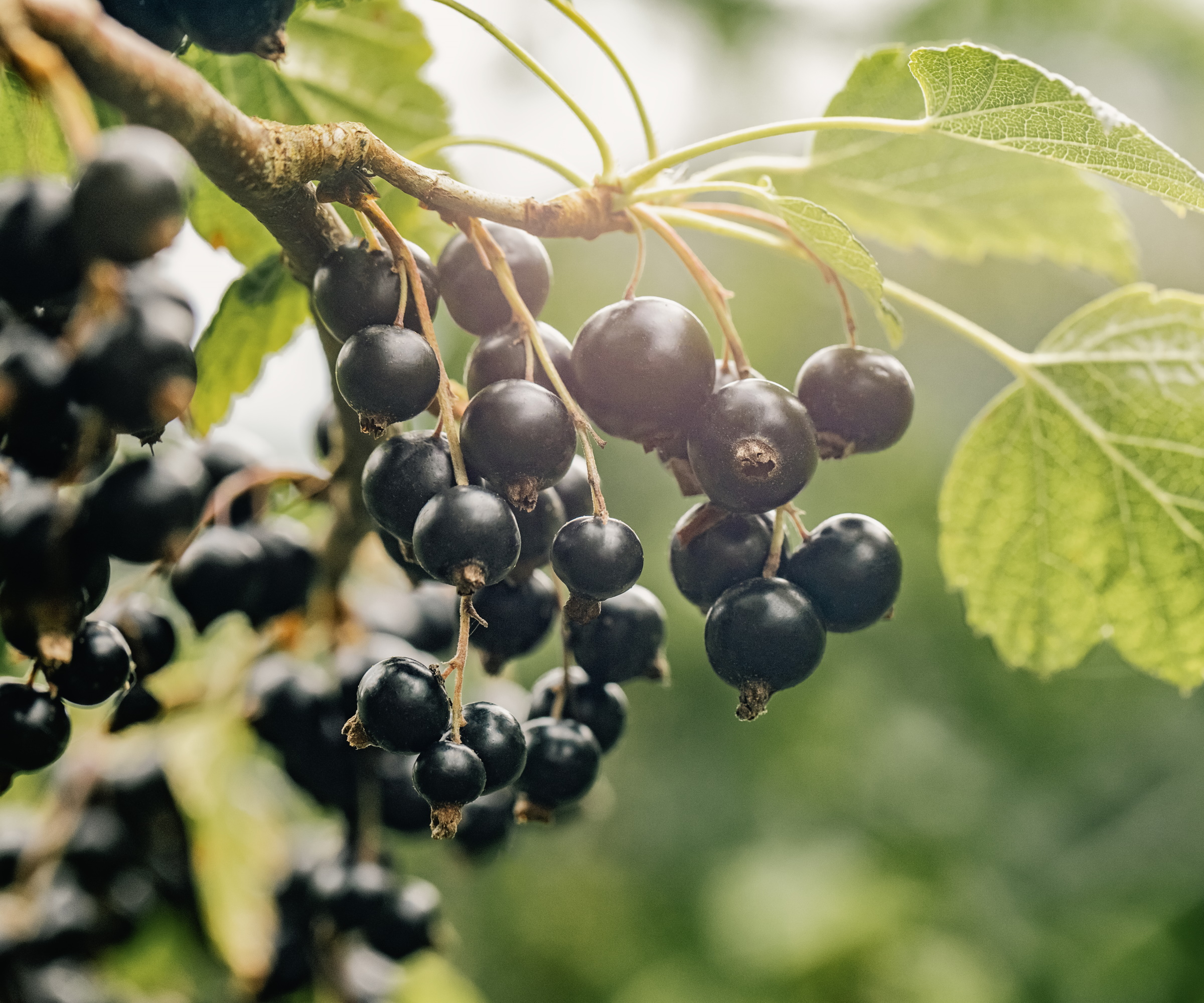
You can grow currants of many colors, including blackcurrant, whitecurrant, redcurrant, and pinkcurrant bushes, which all require pruning in winter to provide you with bumper harvests of fruit year after year. The pruning takes place during dormancy, and January can be an ideal time to get the task done on a bright day.
Blackcurrants are a particular favorite of mine, and they require a slightly different pruning technique than some of the other currants. To prune blackcurrants, established bushes want a third of the oldest wood cut down to ground level each year – it is as simple as that.
This will allow younger stems to come through. As the bushes fruit strongest on two and three-year-old wood, you want a continuous cycle of removing unproductive wood and encouraging the development of new branches to keep the bush as productive as possible.
Also, remove any diseased stems, damaged branches, weak and spindly stems, and any low-lying branches that will droop on the ground when laden with fruits.
To prune redcurrant bushes this month, for example, requires a slightly different technique. You remove a selection of the oldest branches and then cut the side-shoots across the rest of the bush back to two buds.
6. Grapes
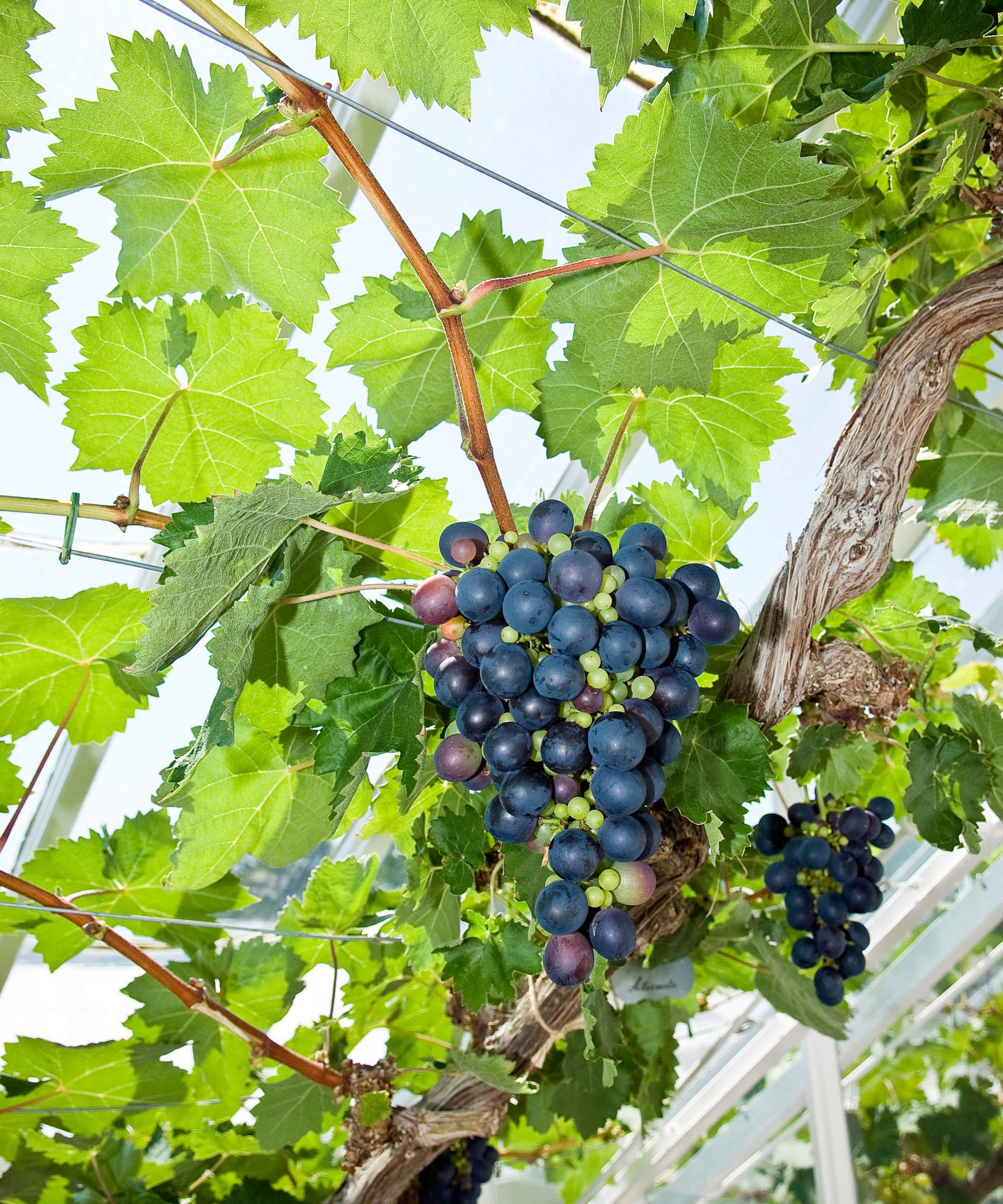
Grape vines are fast-growing and benefit from an annual trim during dormancy. Understanding when to prune grape vines will depend on where they are growing. Indoor vines are trimmed in December, while the window to prune outdoor grapes opens in January.
The trimming needs to be done after the last hard frosts, and before they start growing again, which can be from January to March, depending on your climate. But getting the timing right is pivotal, as once grape vines start actively growing, they’ll bleed sap when pruned and be susceptible to pests and diseases.
When it comes to how to prune grape vines, once established, the task can be as simple as cutting all the dormant canes back to two or three buds from the main vine. As grapes fruit on new growth, pruning encourages the development of new stems to carry that year’s crop.
If your grape vines grow above head height, you may need a sturdy ladder to reach when pruning. Alternatively, you can use a set of extendable loppers like these on Amazon, which have six adjustable lengths and can cut branches up to two inches in diameter.
7. Kiwi
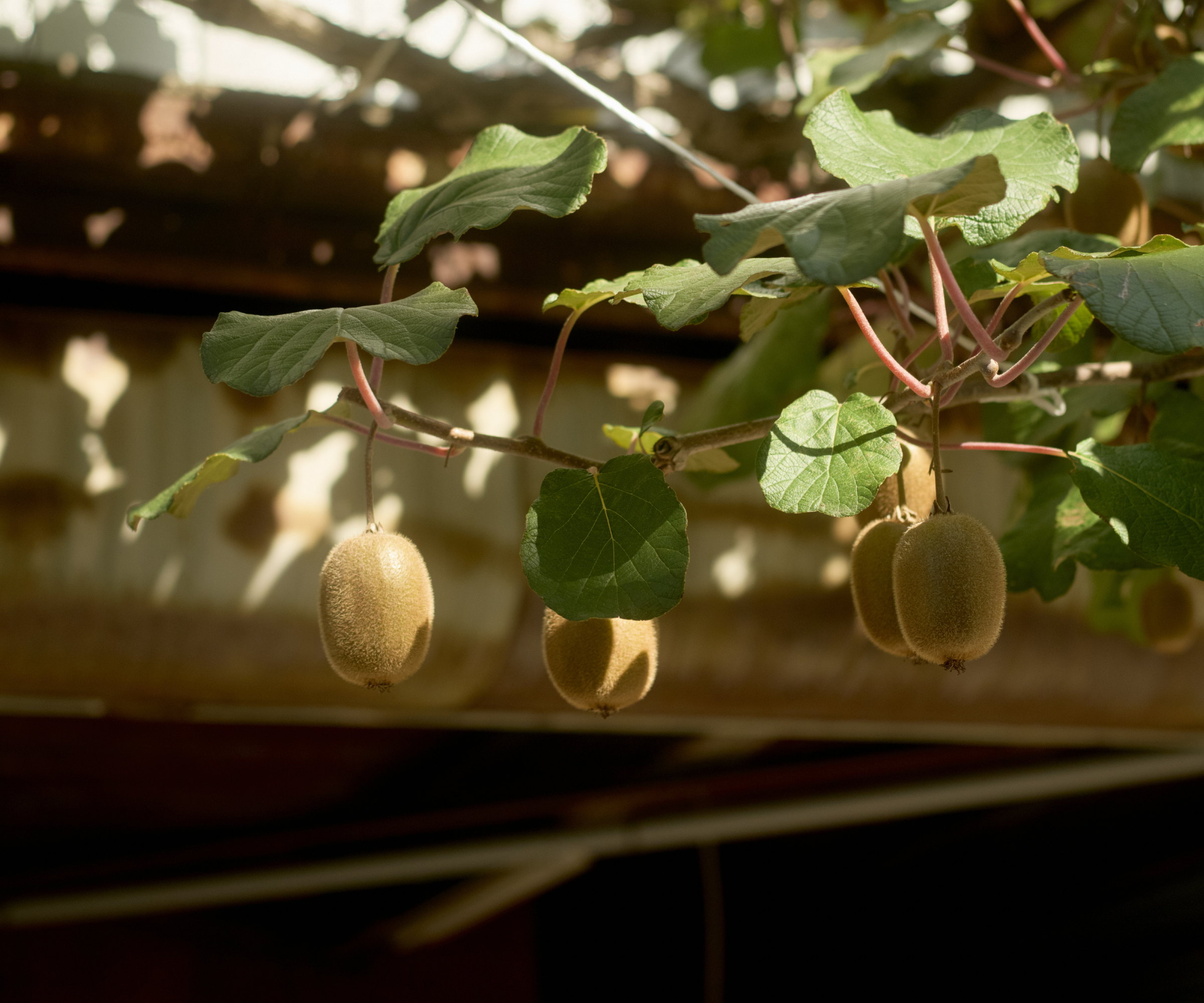
Kiwi may be a more unusual fruit to grow, but when you do have one growing, it needs regular pruning to keep the vine controlled and give you the best harvest of fruit.
These vigorous climbers can thrive in a warm, sheltered growing position, but need space and large supports. This is worth considering if you want to add a kiwi to your fruit collection, or even try to grow a kiwi from seed, which is doable but requires care and patience.
It is recommended to train and regularly prune kiwi. Growing them as espaliers is often the best route for thriving plants and great yields. The time to prune kiwi vines comes during dormancy, and it is a task to do before the vines start actively growing again; otherwise, they will bleed sap.
Once kiwi vines are established as espaliers, trim lateral shoots that fruited last year back to a strong new shoot. Also, select stems that didn’t fruit last year, and cut these stems back to three or four buds. Winter is also an ideal time to remove any weak shoots, tangled growth, and congested stems.
If you have any intricate pruning that requires a more precise tool, then a pair of gardening snips can prove highly useful. These gardening snips from Walmart have straight stainless steel blades that can get into tight areas and are ideal for pruning or snipping flowers or fruits.
If you want more inspiration to get back into the garden at the start of the year, we are here to help. This guide to eight garden jobs to do in January is packed with a whole host of tasks to get your new gardening year off to a great start.
Shop Pruning Tools
These pruning shears can cut stems and small branches up to 5/8 inch thick. They also have a low-friction coating to help the blade easily cut through wood.