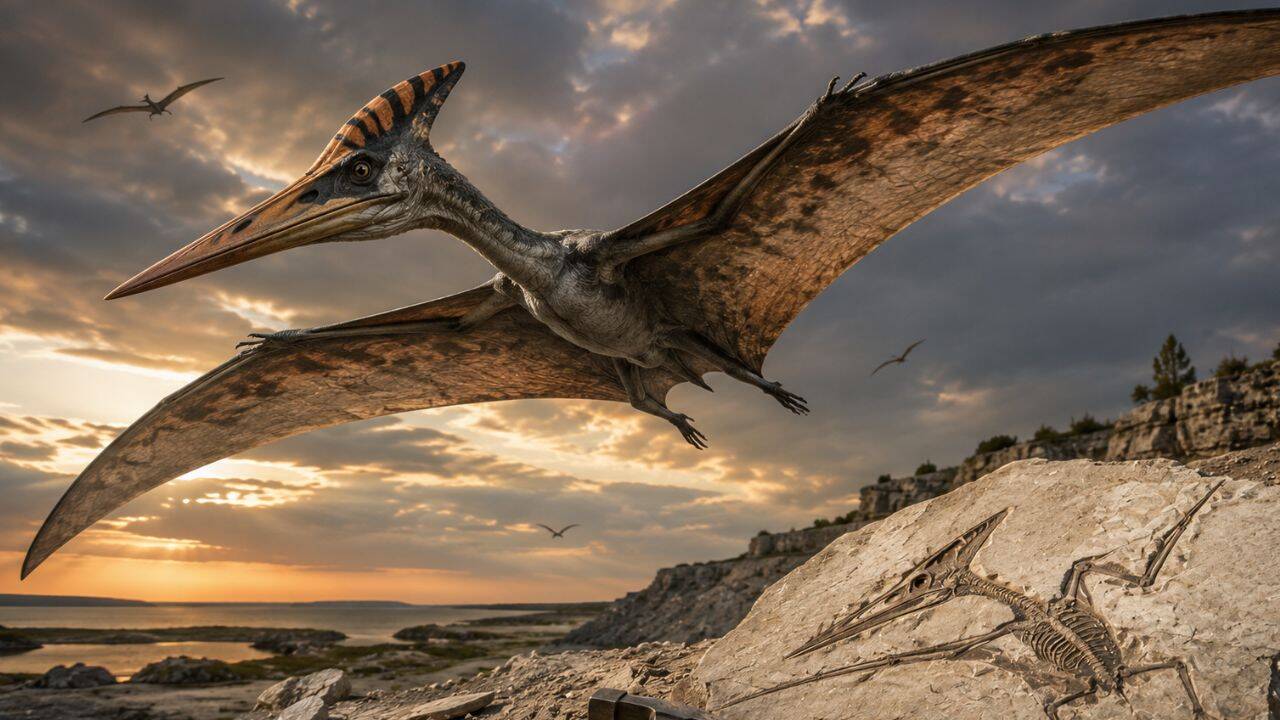
In Germany, scientists have found a new species of ancient flying reptile. It comes from a new scientific study of a flying reptile that lived about 150 million years ago during the Late Jurassic period. The fossil was found in the ancient and fossil-rich rock layer in southern Germany. This area is already very famous for its prehistoric fossils, and this latest study is helping scientists learn more about how these flying reptiles changed with time. Pterosaurs were flying reptiles at a time when dinosaurs were walking on the Earth. By studying this fossil, researchers are getting to know more about different flying reptile species that lived during the same period. The discovery also shows that there is still plenty to learn about prehistoric life and the flying reptiles that once lived in different parts of the world.
Get breaking news anytime, anywhere. Download the TOI app now!
How scientists identified new species of flying reptiles
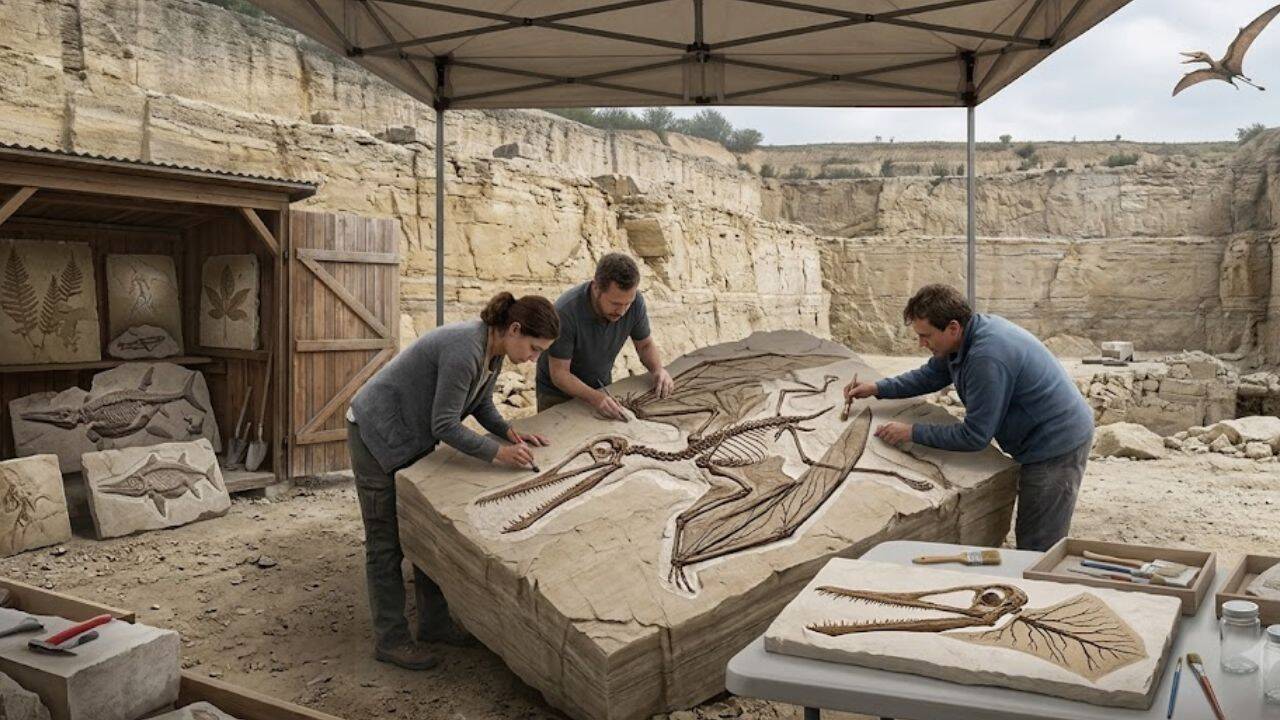
The study was noted by David W.E. Hone from Queen Mary University of London and published in the journal PeerJ, “ A new early monofenestratan pterosaur from the Mörnsheim Formation of southern Germany ”. In this study, scientists officially named the new species Laueropterus vitriolus. The fossil belongs to a nearly complete adult that lived around 150 million years ago. The bones became separated over time instead of staying joined together. This gave scientists a rare chance to study the animal's body in detail.
It allowed researchers to closely examine the shape and features of each bone, as they were not badly damaged during fossilisation. After studying the fossil, the team confirmed that Laueropterus vitriolus is a completely new species of ancient flying reptile. The discovery also adds to the number of flying reptile species known from this region.
Size and features of the newly discovered flying reptile
One of the most interesting things about this ancient animal is its size. Scientists estimate that it had a wingspan of about one metre, compared with other closely related flying reptiles in the same group, that is considered quite large.
The shape of Laueropterus vitriolus suggests that it was a strong flyer in what is now southern Germany. Because the fossil belongs to a fully grown adult, scientists know that the one-metre wingspan was its full adult size, not the size of a young animal. The discovery also shows that even closely related flying reptile developed different body sizes to suit the places where they lived during the Late Jurassic period.
What does ancient and fossil-rich rock layer tells scientists
The fossil was found in the limestone beds of the ancient and fossil-rich rock layer in southern Germany. These rock layers preserve fossils differently from those found in the nearby Solnhofen archipelago. The way this flying reptile was preserved is helping scientists learn more about the ancient sea and land environments in this region.