Berlin is trying to stop Washington from persuading a German company seeking a coronavirus vaccine to move its research to the United States, prompting German politicians to insist no country should have a monopoly on any future vaccine.
German government sources told Reuters on Sunday that the U.S. administration was looking into how it could gain access to a potential vaccine being developed by a German firm, CureVac.
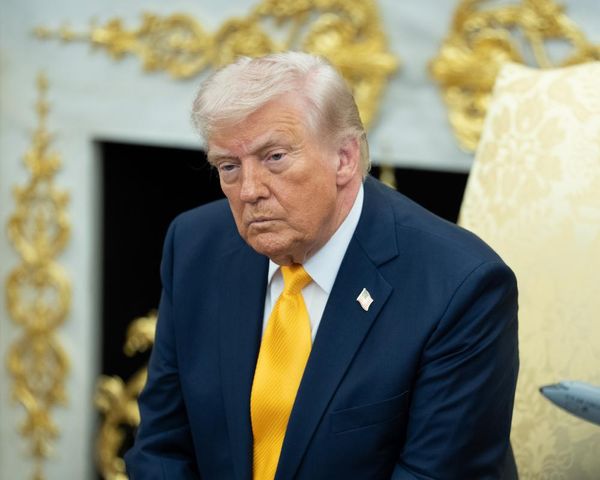
Earlier, the Welt am Sonntag German newspaper reported that U.S. President Donald Trump had offered funds to lure CureVac to the United States, and the German government was making counter-offers to tempt it to stay.
Responding to the report, the U.S. ambassador to Germany, Richard Grenell, wrote on Twitter: "The Welt story was wrong."
A U.S. official said: "This story is wildly overplayed ... We will continue to talk to any company that claims to be able to help. And any solution found would be shared with the world."
A German Health Ministry spokeswoman, confirming a quote in the newspaper, said: "The German government is very interested in ensuring that vaccines and active substances against the new coronavirus are also developed in Germany and Europe."
"In this regard, the government is in intensive exchange with the company CureVac," she added.
Welt am Sonntag quoted an unidentified German government source as saying Trump was trying to secure the scientists' work exclusively, and would do anything to get a vaccine for the United States, "but only for the United States."
German Interior Minister Horst Seehofer told a news conference that the government's coronavirus crisis committee would discuss the CureVac case on Monday.
CureVac issued a statement on Sunday, in which it said: "The company rejects current rumors of an acquisition".
CureVac's main investor Dietmar Hopp said he was not selling and wanted CureVac to develop a coronavirus vaccine to "help people not just regionally but in solidarity across the world."
"I would be glad if this could be achieved through my long-term investments out of Germany," he added.
A German Economy Ministry spokeswoman said Berlin "has a great interest" in producing vaccines in Germany and Europe.
She cited Germany's foreign trade law, under which Berlin can examine takeover bids from non-EU, so-called third countries "if national or European security interests are at stake".
EXPERIMENTAL VACCINE
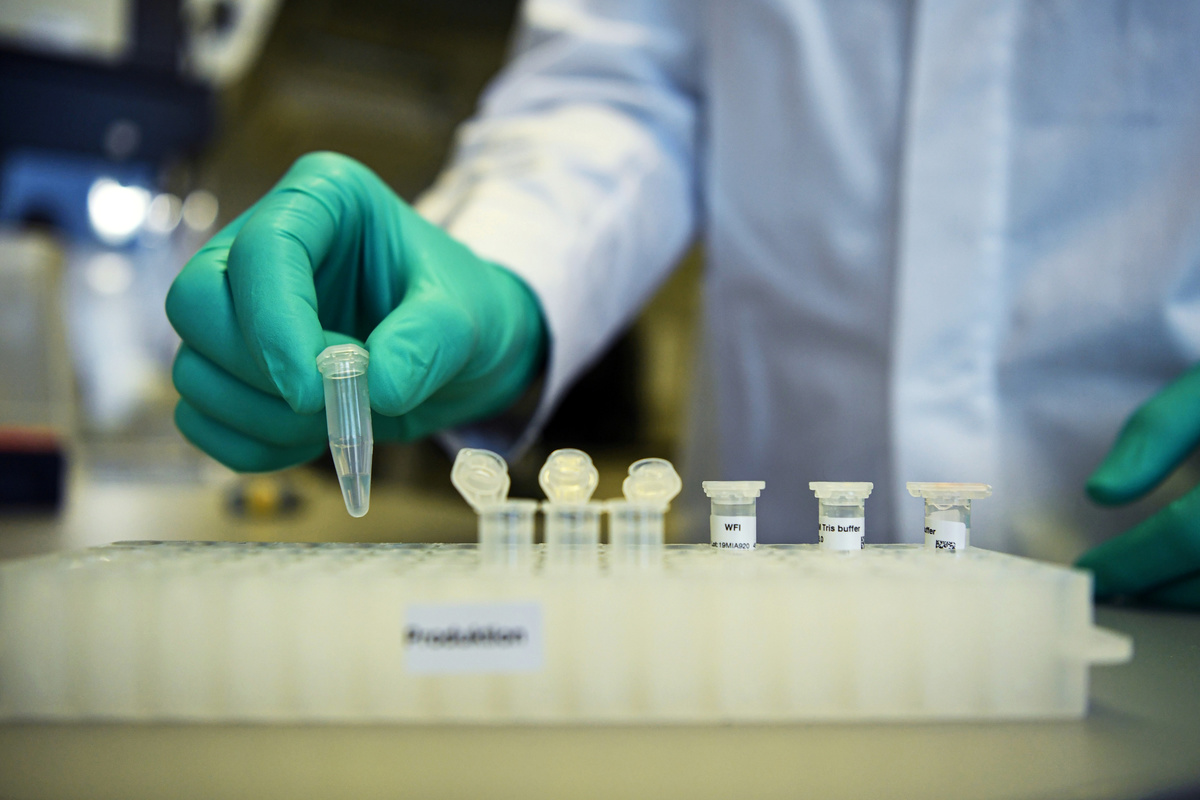
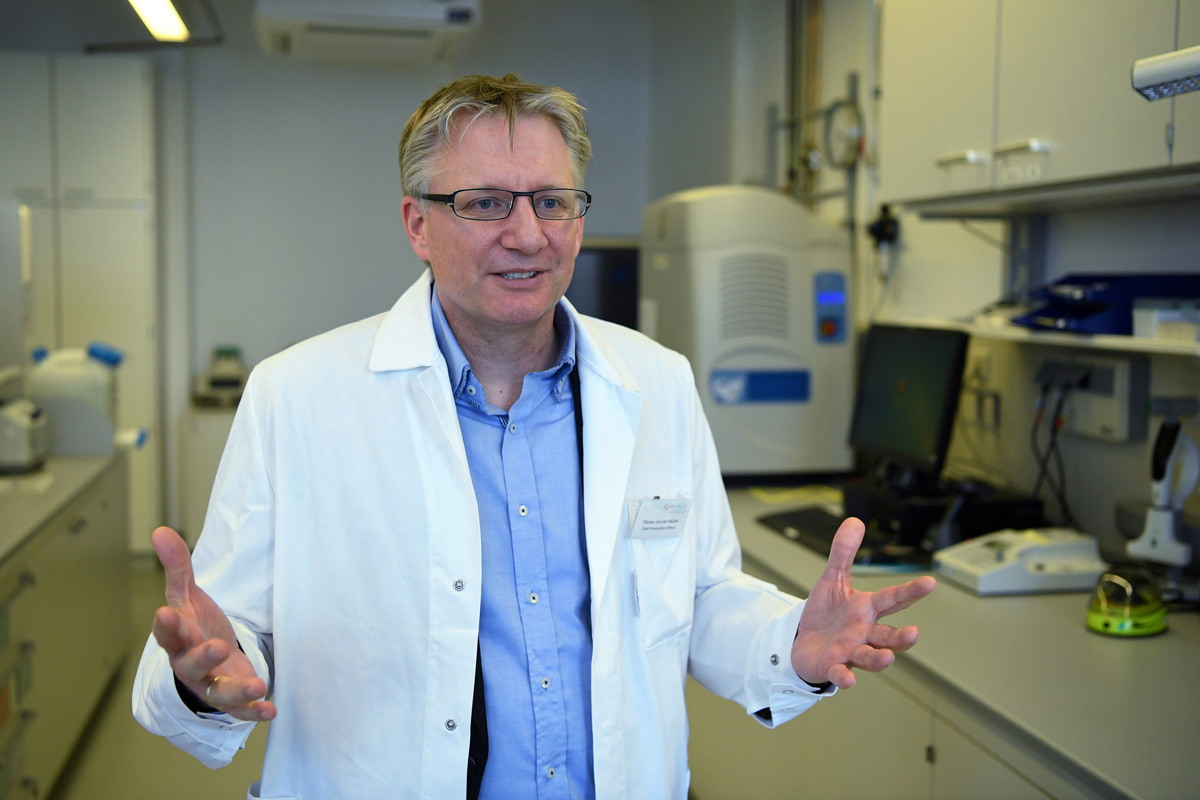
Florian von der Muelbe, CureVac's chief production officer and co-founder, told Reuters last week the company had started with a multitude of coronavirus vaccine candidates and was now selecting the two best to go into clinical trials.
The privately-held company based in Tuebingen, Germany hopes to have an experimental vaccine ready by June or July to then seek the go-ahead from regulators for testing on humans.
On its website, CureVac said CEO Daniel Menichella early this month met Trump, Vice President Mike Pence, members of the White House Coronavirus Task Force and senior representatives of pharmaceutical and biotech companies to discuss a vaccine.
CureVac in 2015 and 2018 secured financial backing for development projects from its investor the Bill & Melinda Gates Foundation, working on shots to prevent malaria and influenza.
In the field of so-called mRNA therapeutics, CureVac competes with U.S. biotech firm Moderna and German rival BioNTech, which Pfizer <PFE.N> has identified as a potential collaboration partner.
Drugs based on mRNA provide a type of genetic blueprint that can be injected into the body to instruct cells to produce the desired therapeutic proteins. That contrasts with the conventional approach of making these proteins in labs and bio-reactors.
In the case of vaccines, the mRNA prompts body cells to produce so-called antigens, the tell-tale molecules on the surface of viruses, that spur the immune system into action.
Companies working on other coronavirus-vaccine approaches include Johnson & Johnson <JNJ.N> and INOVIO Pharmaceuticals, Inc. <INO.O>.
(Additional reporting by Ludwig Burger and Patricia Weiss in Frankfurt; Editing by Alexandra Hudson and Alexander Smith)