Germany awarded three biotech companies grants to help them speed up the development of coronavirus vaccine candidates, but Research Minister Anja Karliczek said any vaccine was unlikely to be widely available before the middle of next year.
Europe's largest economy has reported a rise in infections in recent days, with the head of Germany's Robert Koch Institute (RKI) for infectious diseases blaming negligence and saying it was unclear if a second wave was underway.
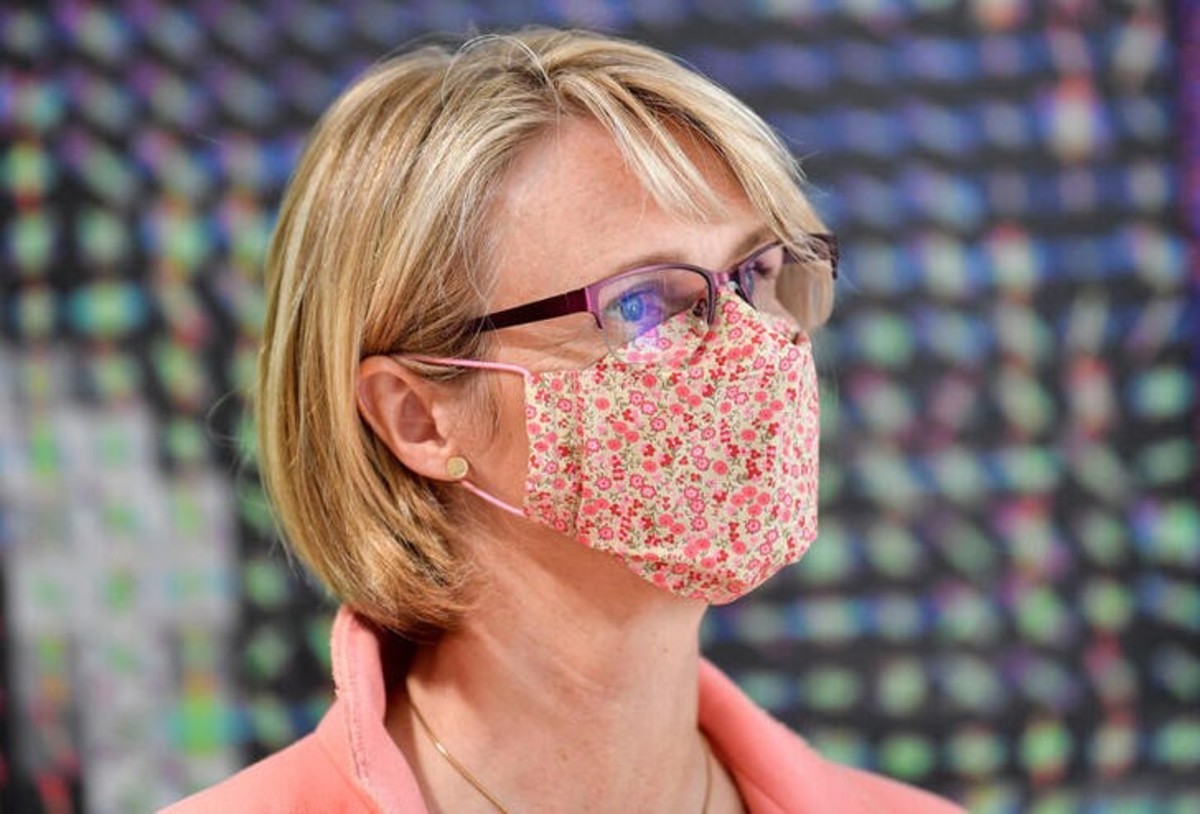
"We should not expect a miracle," Karliczek told a news conference, calling for people to maintain social distancing and mask-wearing to avoid jeopardising what Germany had achieved in recent weeks in terms of bringing the pandemic under control.
"We must continue to assume that vaccines for the broader population will only be available from the middle of next year at the earliest."
Government advisers had recommended making awards from a 750 million euro ($882.23 million) pot for vaccine development the government announced last month to German biotech firms BioNtech <BNTX.O>, CureVac and IDT Biologika, which are working on coronavirus vaccines, she said.
"All three of them are promising candidates but we must of course always expect setbacks during the testing phase because it's one thing to have an effective vaccine but it's another to have a safe vaccine that people want," Karliczek said.
The money is designed to help the companies scale up production and clinical testing of their offerings.
More than 150 vaccine candidates are in various stages of development, with 23 prospects in human trials across the globe.
With 206,000 confirmed cases and just over 9,000 deaths, Germany wants to avoid a second wave, which would bring back lockdowns after economically crippling restrictions that closed many businesses for six weeks in March and April.
(Reporting by Reuters Television; Writing by Michelle Martin, editing by Thomas Escritt)