A lowering in the number of new coronavirus cases in Germany is probably due to less testing over Easter and the outbreak is not yet contained, a top health institute cautioned on Tuesday a day before the government debates whether to lift some restrictions.
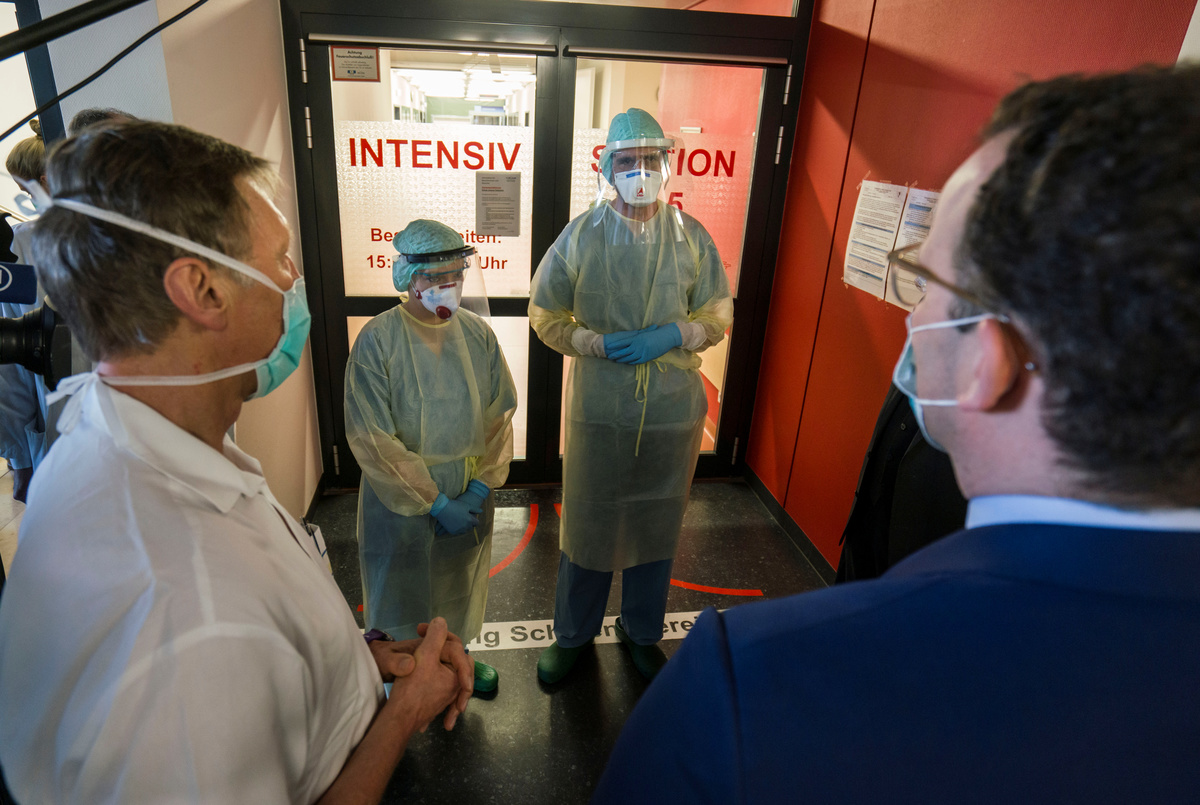
Officials say that four weeks of keeping schools and many factories, shops and restaurants shut has brought progress in controlling the epidemic and that hospitals have sufficient equipment. But they also warned there is a long way to go before normal life resumes in Germany, Europe's biggest economy.
Chancellor Angela Merkel will on Wednesday discuss with her cabinet and the premiers of the country's 16 states what, if any, action to take to ease the lockdown.
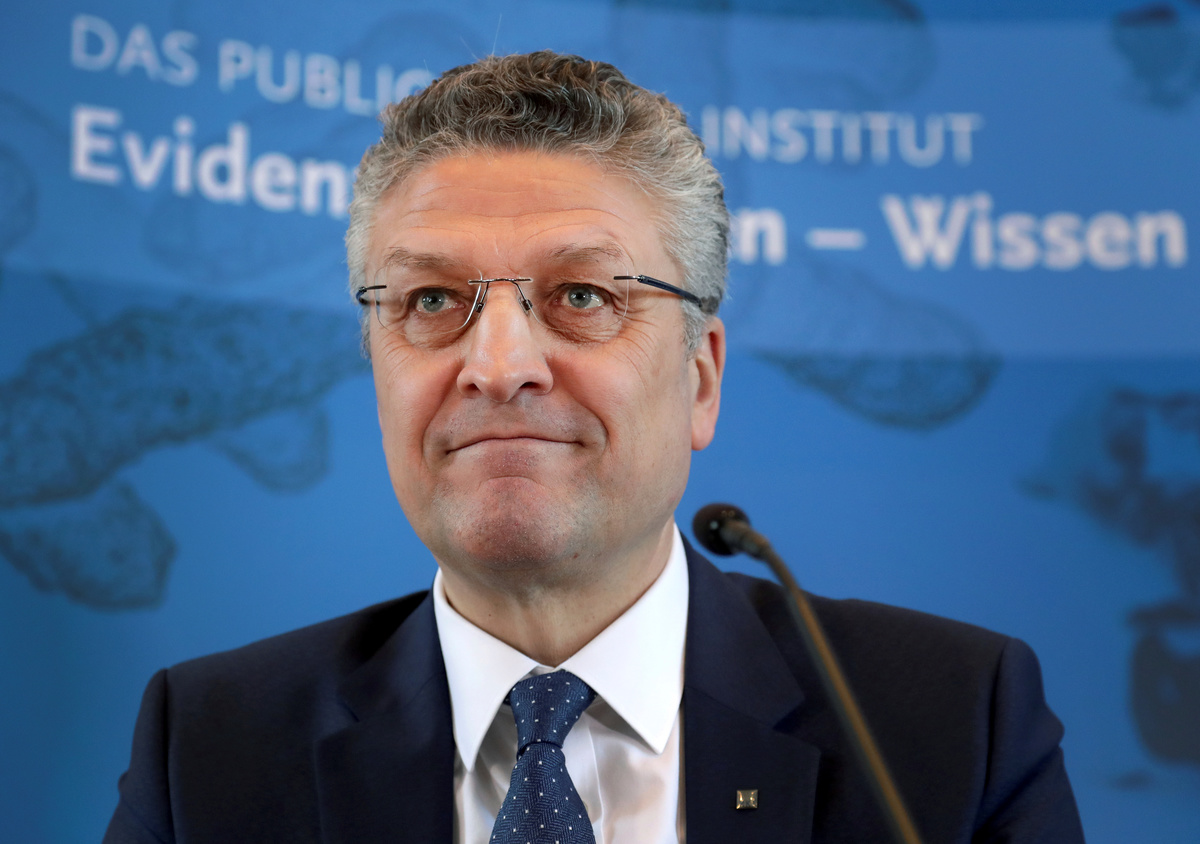
The number of confirmed coronavirus infections in Germany has risen by 2,082 to 125,098, data from the Robert Koch Institute showed, but it was also the fourth consecutive daily decline in the tally of new cases.
Reported deaths rose by 170 to 2,969. The death rate is far lower than other countries most seriously affected.
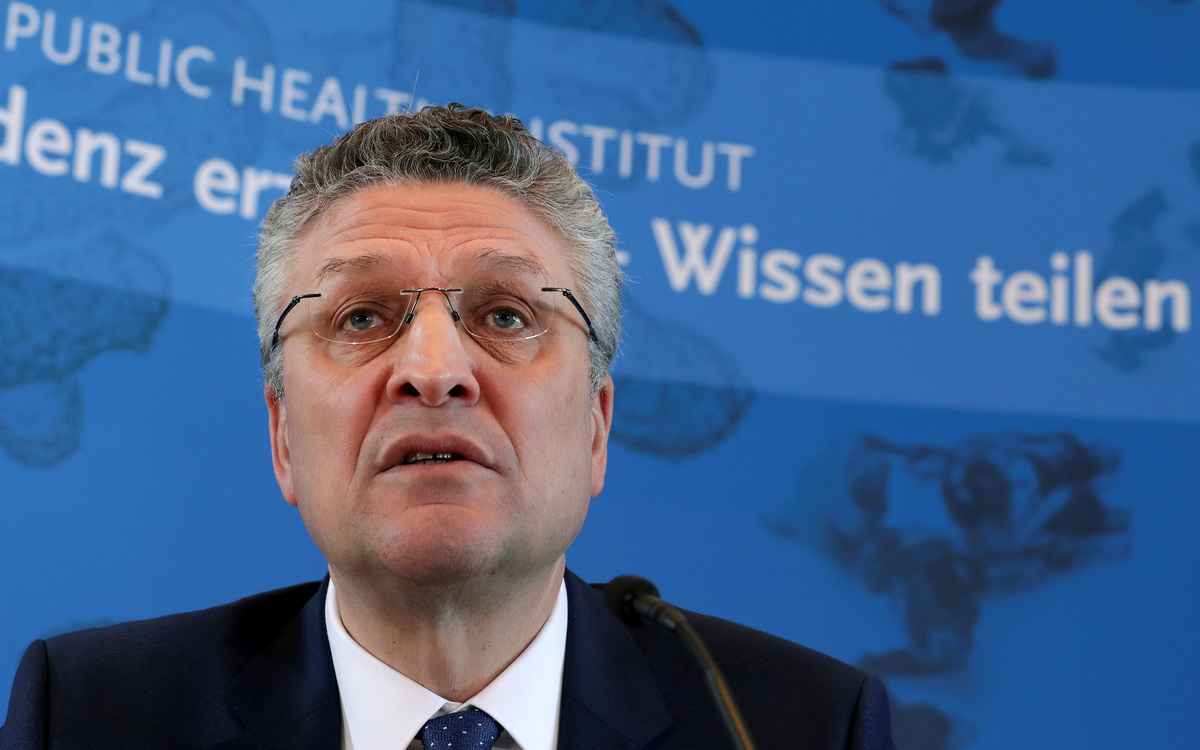
"We can't speak of containment yet - we still have high numbers each day. We are seeing a slowdown," Robert Koch Institute President Lothar Wieler told reporters.
Urging Germans to wait and remain disciplined with social distancing measures, he estimated the virus reproduction or transmission rate, dubbed "R", in Germany was about 1.2 - meaning a person with the virus infects 1.2 others on average.
Wieler said he wanted that rate to get to 1 or below.
In recommendations sent to Merkel and state governors on Monday, academics suggested public life may gradually return to normal if certain conditions are met, including an infection rate stabilising at a low level.
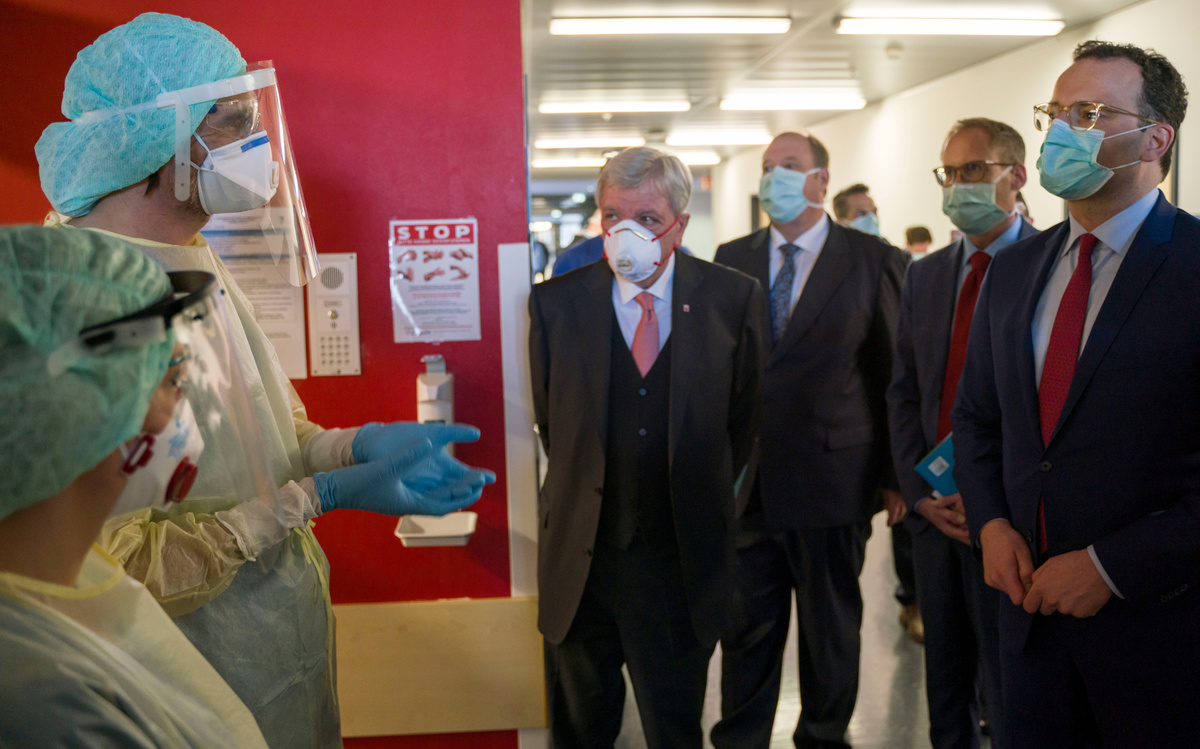
Merkel has said the position paper by the National Academy of Sciences Leopoldina will be important in her deliberations.
As the health situation improves, some companies are keen to get back to work as soon as it is safe, and politicians want to manage the expected recession as best as they can.
The government has tried to cushion the blow with a range of measures, including a 750-billion-euro ($822.23 billion) stimulus package.
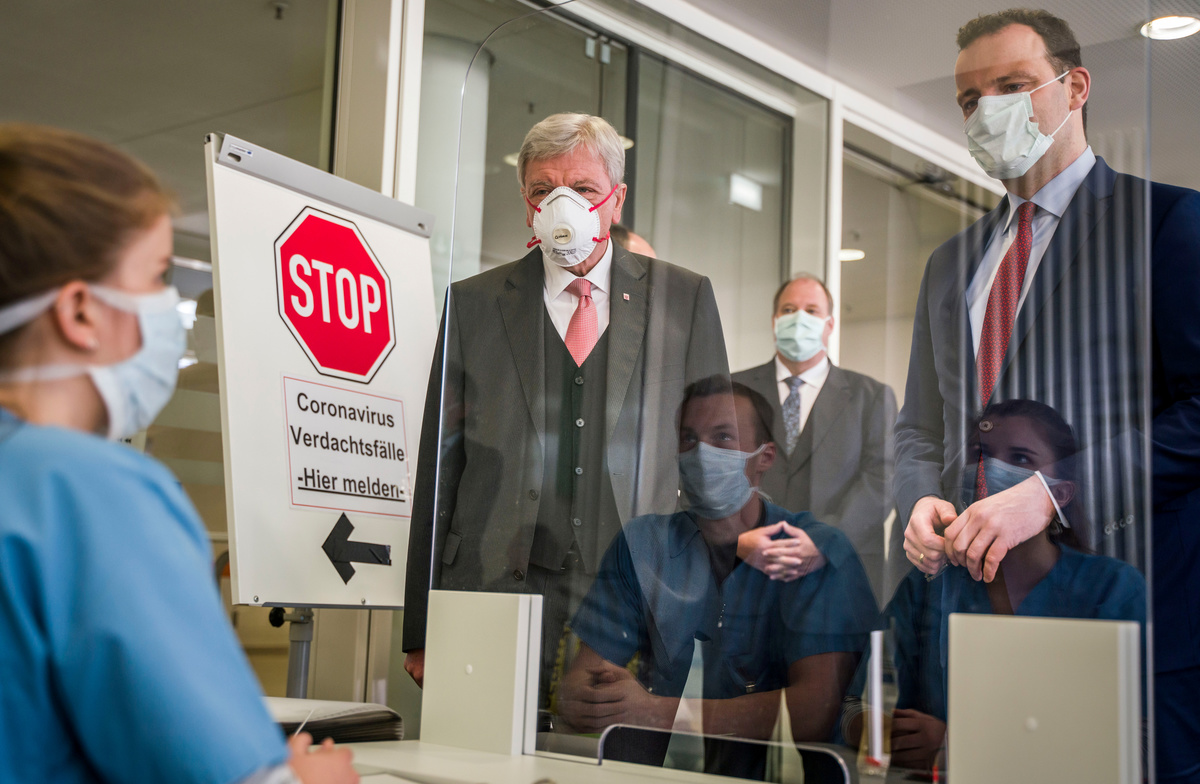
"In the end it's about finding the right balance between health protection, public life and the economy," Health Minister Jens Spahn told reporters.
Neighbouring Austria and also Spain have allowed some partial returns to work this week.
Economy Minister Peter Altmaier declined to name a date for the relaxation of restrictions in Germany, saying the government was keenly aware of the risks of acting too early only to have to impose another full lockdown later.
"If the impression arises that there is to-ing and fro-ing, it would damage trust in politics and harm the peoples' willingness to be disciplined and to cooperate," Altmaier told German television. "We have to consider every step."
(Reporting by Paul Carrel and Madeline Chambers; Editing by Michelle Martin and Mark Heinrich)