Germany plans to speed up its transition to low-carbon transport, bringing forward by four years to 2026 the point when 14% of fuel used in transport must come from renewable energy sources, according to a draft law.
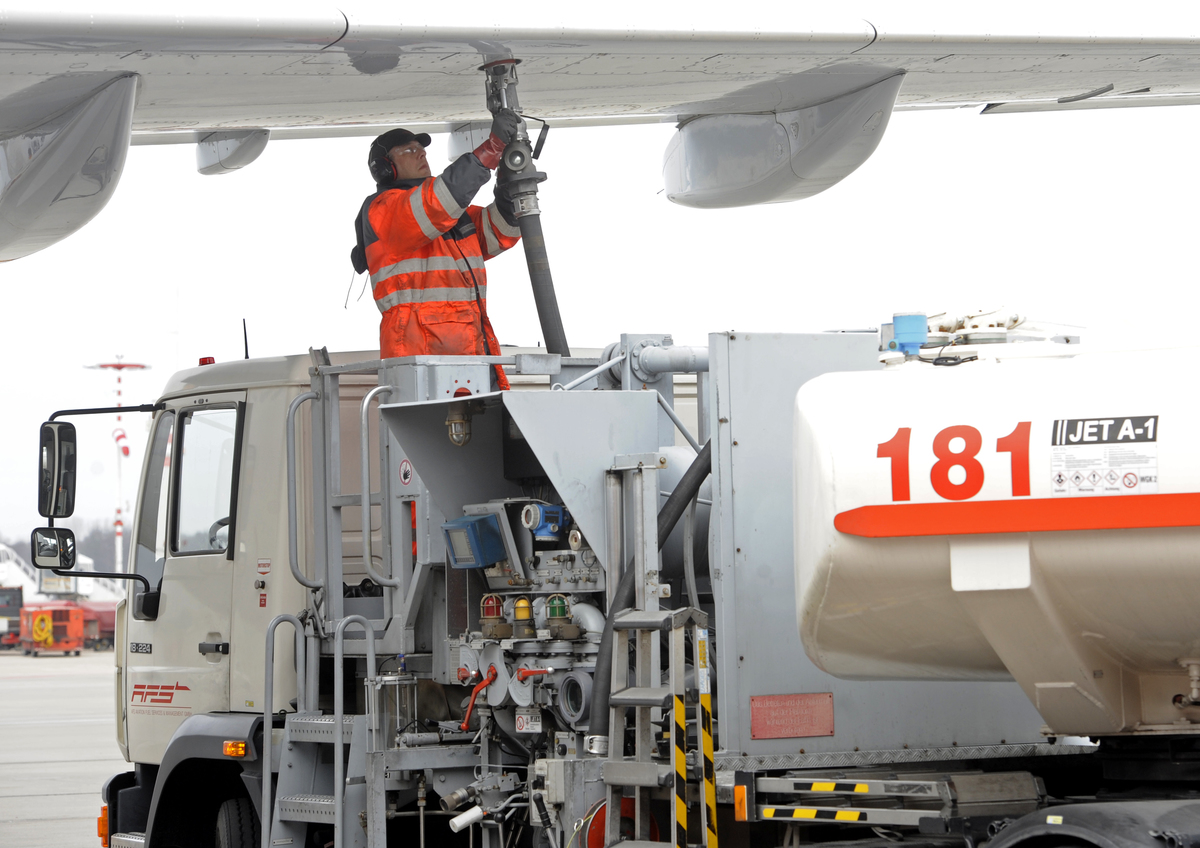
For the first time, airlines will be obliged to obtain a proportion of their fuel from renewable sources, with 2% - around 200,000 tonnes - to be carbon-free by 2030. Palm oil will be banned from all transport fuel by 2026.
The measures, which go beyond minimum carbon reduction standards set out by the European Union, are a response to the failure of the transport sector to cut emissions: it is the only sector of the German economy where emissions are no lower than in 1990.
"The coming decade will be driven by a transformation process that we want actively to drive forward," the Environment Ministry said on Friday.
In addition to using renewable energy sources to synthesise combustion fuel, the ministry plans also to reduce reliance on plant-based fuels, which are blamed for exacerbating food scarcity in many poorer countries.
In addition to eventually banning the use of palm oil, the ministry will ban the use of vegetal fuels to fuel jets and the share of plant-based fuels in petrol and diesel will have to fall from its current share of 3.4%.
The German Air Industry Association warned that going it alone on aviation fuel could harm Germany's aviation sector if the rest of Europe did not follow suit, since synthesised jet fuel is currently some four times more expensive.
"Germany going it alone would only be thinkable if domestic companies were compensated for the cost disadvantages they suffered, for example with the proceeds of the air transport tax," the association said.
The draft has been through an initial round of agreement with the chancellery but still needs final approval from the federal government.
Germany is Europe's largest greenhouse gas emitter. Chancellor Angela Merkel said last month that global efforts to combat climate change were insufficient, and that she would accelerate the fight in the coming years.
The German government said on Wednesday it was planning stricter controls to ensure it reaches targets in its expansion of renewable energy sources, with plans for annual quotas for solar, biomass and onshore and offshore wind.
(Writing by Michelle Adair and Thomas Escritt; Editing by Christoph Steitz, Maria Sheahan and David Evans)