In a candid and assertive statement, a German minister has unequivocally declared that there is simply no more money available for the agricultural sector amidst escalating demands from farmers. This announcement comes as tensions between farmers and the government reached a boiling point in recent weeks.
The agricultural sector in Germany has been grappling with numerous challenges, including dwindling profits, changing environmental regulations, and the ongoing effects of the COVID-19 pandemic. Farmers across the nation have been vocal about their struggles, demanding financial support and relief measures to help them cope with mounting pressures.
However, the German government is now facing the sobering reality of limited financial resources. As heated protests erupted across the country, Agriculture Minister Julia Klöckner held her ground, declaring that the government could not fulfill the farmers' demands due to the absence of additional funds.
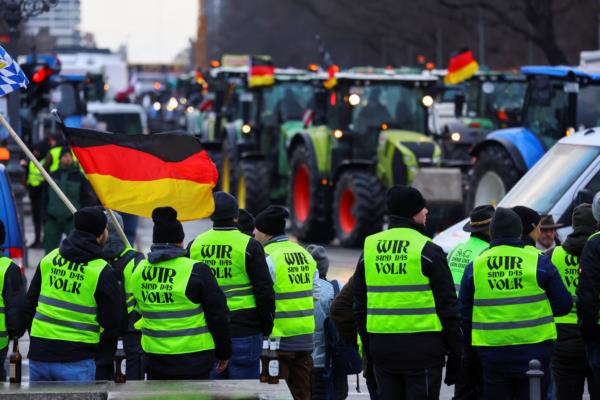
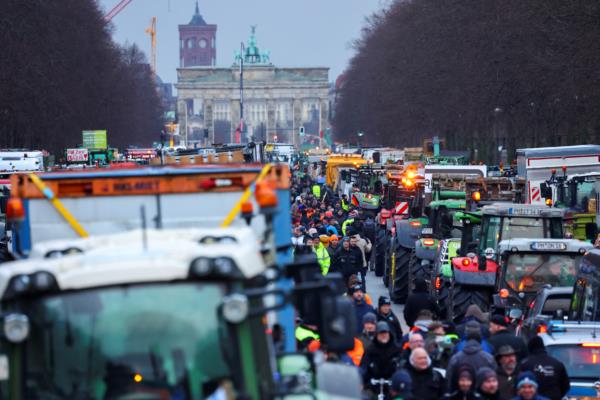


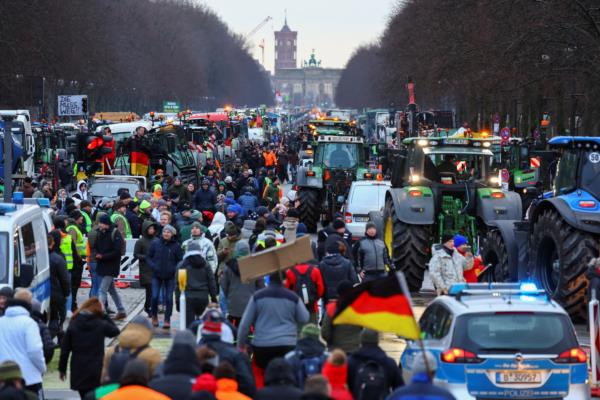
Klöckner highlighted the significant financial assistance already provided to the agricultural sector, including billions of euros in direct payments and support packages. She emphasized that these measures were already stretching the country's resources and that further funding would simply not be possible. The sheer scale of the crisis and the wide array of needs across the agricultural industry have made it increasingly difficult for the government to meet all requests.
The German agricultural sector has faced considerable challenges in recent years. Market fluctuations, global competition, and an increasing demand for sustainable practices have placed immense pressure on farmers. Additionally, climate change impacts, such as extreme weather events and shifting growing seasons, have further strained the industry.
Farmers argue that they play a vital role in providing the nation with essential food resources and should receive more support. They argue that without adequate financial assistance, many farms may not survive, leading to significant food security concerns for the country.
Nevertheless, the government remains firm, reminding farmers that the limited resources must be allocated strategically to address systemic issues and ensure the long-term sustainability of the entire agricultural sector. Minister Klöckner stressed the need for farmers to embrace innovation, adopt sustainable practices, and explore alternative sources of income to adapt to the changing landscape.
While tensions between farmers and the government persist, the dialogue between the two parties remains crucial in finding a sustainable path forward for German agriculture. Balancing the need for financial support with the need for long-term stability and resilience in the face of various challenges will undoubtedly require a comprehensive and collaborative approach.
As the German government continues to grapple with limited financial resources and staunch demands from farmers, it becomes increasingly important to address the systemic issues within the agricultural sector. Finding innovative solutions and fostering resilient farming practices will be key to ensuring the future viability of German agriculture in the years to come.