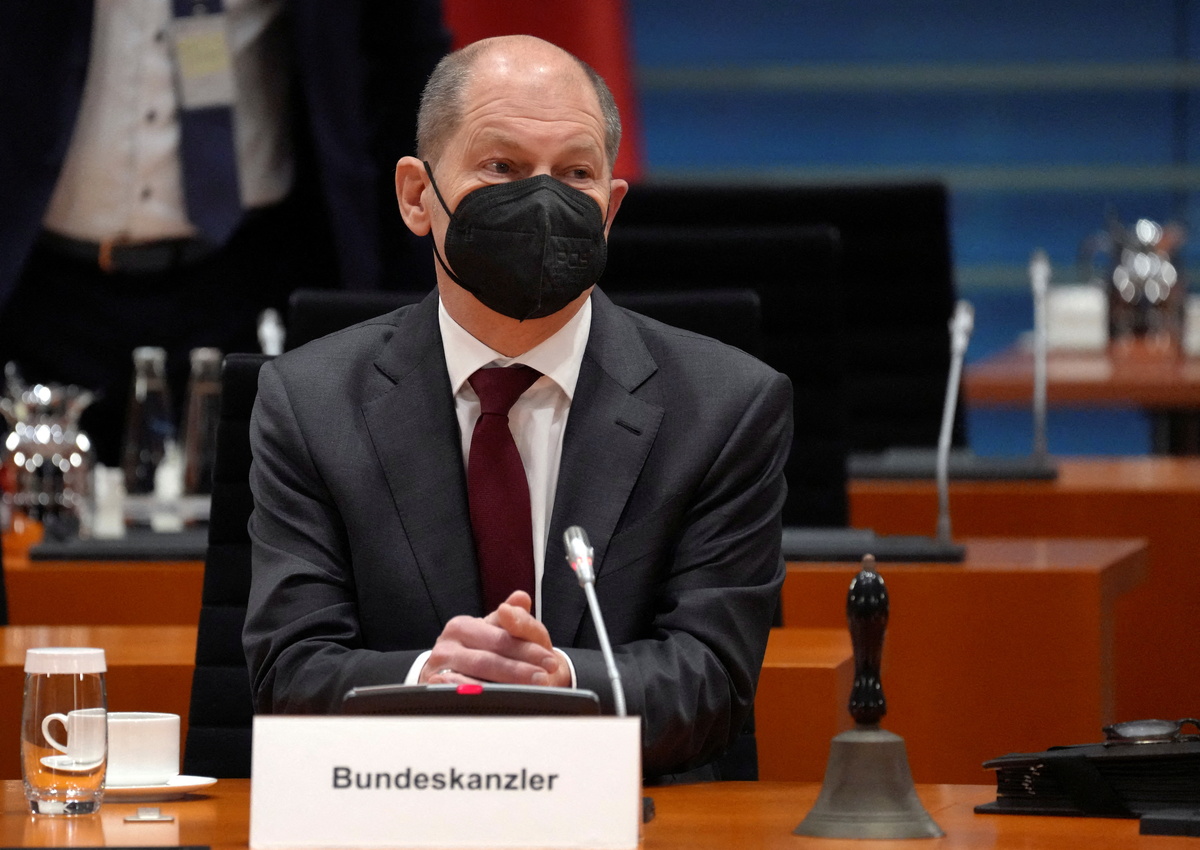
Germany's new government passed a supplementary budget on Monday to supercharge its climate and transformation fund with a debt-financed injection of 60 billion euros to allow more investments in the shift towards a green economy, officials said.
The supplementary budget, passed unanimously by Chancellor Olaf Scholz's cabinet, will channel 60 billion euros of unused debt in this year's federal budget into the government's climate and transformation fund for future spending.
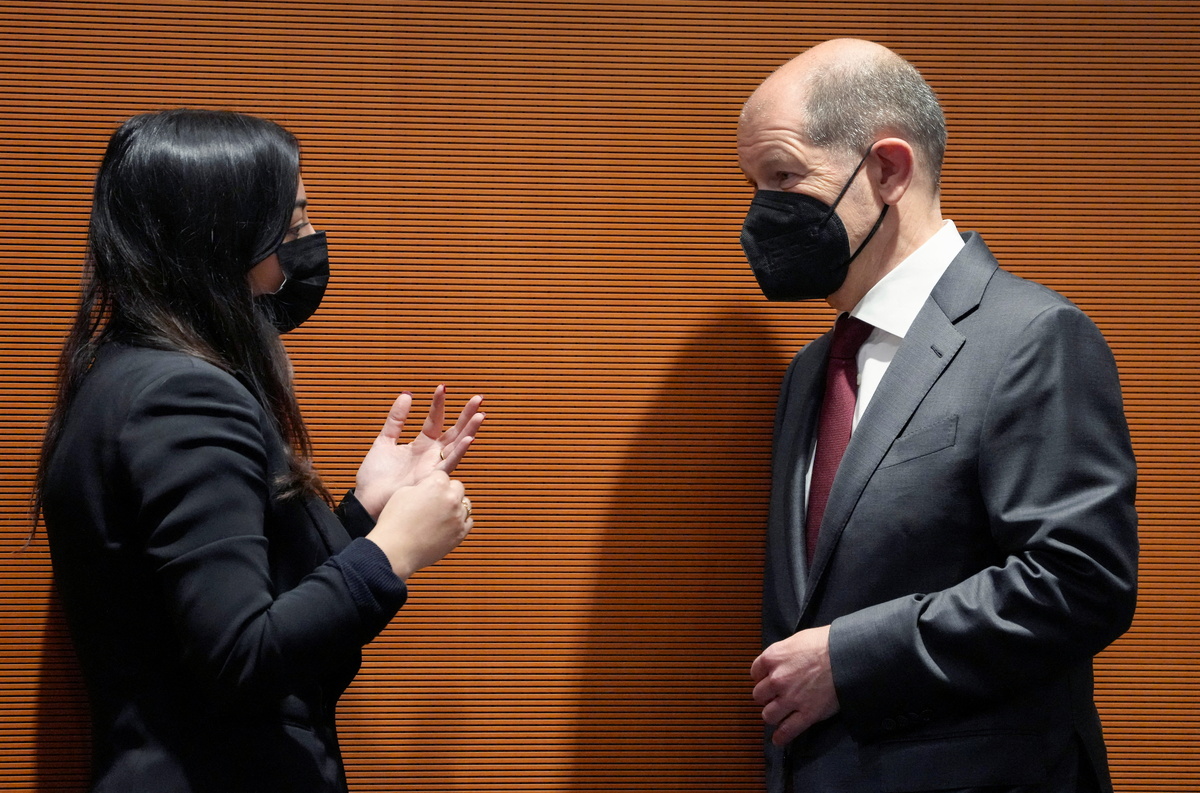
The budget manoeuvre, as agreed last month by the centre-left Social Democrats (SPD), pro-spending Greens and fiscally more cautious Free Democrats (FDP) in their coalition deal, allows the parties to make the most of a temporary, pandemic-related suspension of borrowing limits in the constitution.
The budget compromise enables Germany's new finance minister and FDP leader Christian Lindner to eye a return to the debt brake rule from 2023 and still allow more public investments needed to reduce carbon emissions in Europe's largest economy.
The coalition wants to deploy the funds to make critical public investments in climate protection measures - from charging points for electric vehicles to better insulating homes - and the digitalization of the economy.
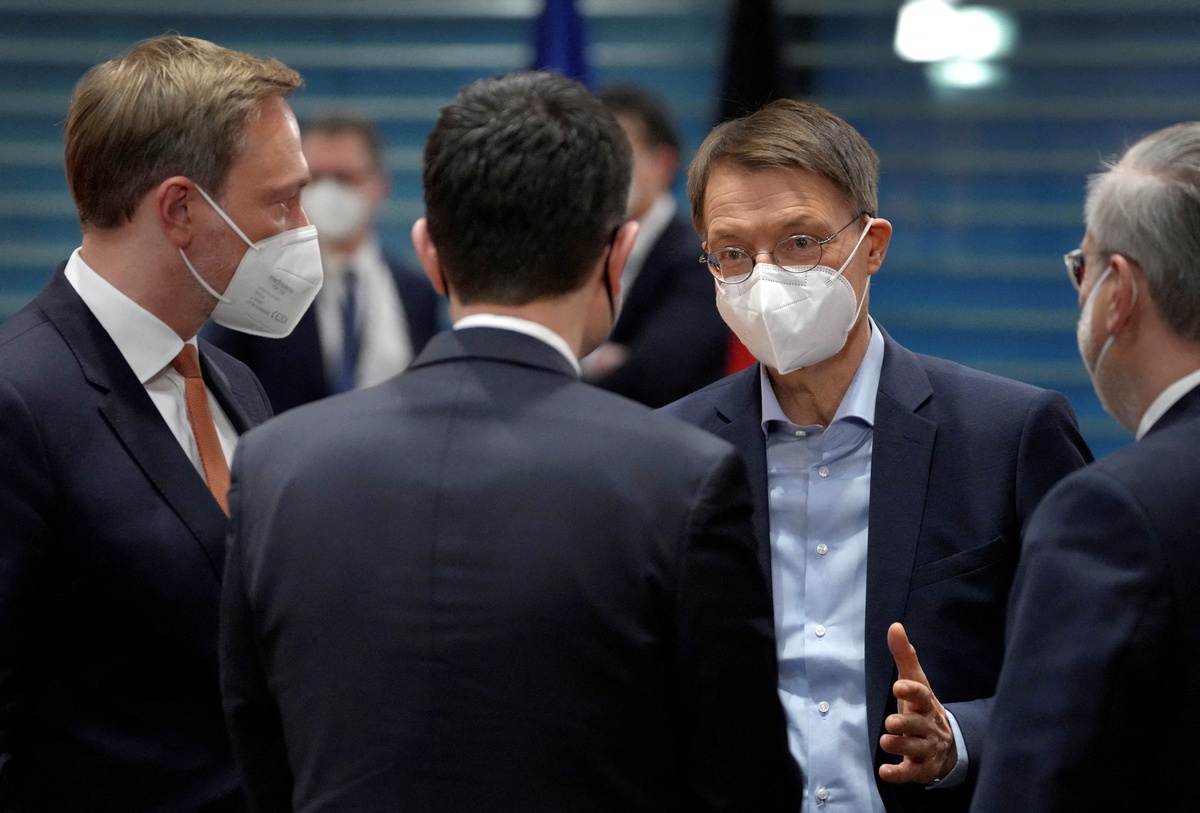
In addition to the debt-financed 60 billion euros, the government will channel some 18 billion euros of tax revenue, mainly stemming from eco taxes and the CO2 emission trading scheme, into its climate and transformation fund next year.
Scholz's ruling coalition agreed to use an emergency clause in the constitution for a third year in a row in 2022 to suspend debt limits and enable new borrowing of 100 billion euros. This will come on top of unprecedented net new debt of 130 billion euros in 2020 and 240 billion euros in 2021.
From 2023 onwards, the new ruling coalition aims to return to the debt brake rule of the constitution that limits new borrowing to a tiny fraction of economic output.
(Reporting by Michael Nienaber, editing by David Evans)