The BBC could close a channel the size of BBC2 or the whole of its radio division if it were required to shoulder the £600m-plus burden of free licence fees for the over-75s in Wednesday’s budget.
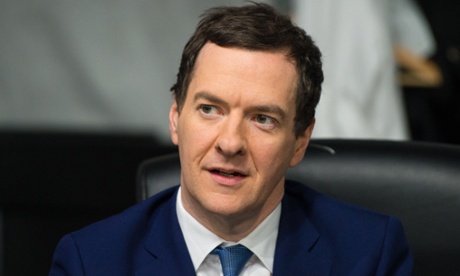
Chancellor George Osborne is expected to announce in Wednesday’s budget that the corporation will have to meet the cost of free TV licences for the elderly, which could amount to about a fifth of the BBC’s total £3.7bn income. Having announced plans to cut 1,000 jobs last week, the BBC is expected to have to cut services to pay for such a charge.
The cost of free licence fees for over-75s was £606m last year. Currently paid for by the government, it is forecast to rise to £631m this year.
BBC2, the home of Top Gear, Wolf Hall and Newsnight, cost £522m last year, less than the total needed to cover the cost of free TV licences for the over-75s.
The BBC spent £650m across its entire radio output last year, more than half of it, £357m, on its five main national stations.
The BBC’s spending on online, which was singled out for scrutiny by Osborne when he appeared on BBC1’s Andrew Marr Show on Sunday, totalled £174m last year. Radio 4 was the most expensive, at £121m, but the single biggest expense was local radio, which has suffered declining audiences in recent years and cost £150m.
Supporters of the BBC said the extra cost championed by Osborne was too much. Paul Farrelly, Labour MP and long-time member of the culture, media and sport select committee, said: “The BBC should resist this latest drive-by shooting, as it did the last time George Osborne made the same proposal five years ago.”
He said he believed John Whittingdale, appointed secretary of state for culture after the election, would not support such “top slicing” of the licence fee to pay for programmes other than public service content. The BBC “should have an ally in the secretary of state”, he indicated ahead of a urgent question tabled to discuss the issue in parliament on Monday afternoon.
The National Union of Journalists accused Osborne of “raiding licence fee payers’ money to prop up his austerity budget” and described the chancellor’s comments as a “cheap shot”.
The cost of free licence fees for the over-75s has gone up by at least 50% over the past decade, from £407m in 2003/04, and will increase further in the years ahead because of the ageing population. The huge cost is expected to be fought by the BBC.
The savings that would be required if the BBC was to pick up the bill for free TV licences would be 13 times the estimated £50m that the BBC will save by closing down the BBC3 TV channel, taking the brand online-only and pumping £30m into drama on BBC1.
BBC2 is the corporation’s second most expensive service in terms of cost per user hour, at 8.2p (behind the CBBC children’s channel, aimed at six- to 12-year-olds, which cost 15.4p per user hour, a total of £43m).
BBC1 is its biggest and most expensive service, costing £1.3bn last year (6p per user hour), according to the BBC’s last annual report.
BBC2, which has already lost most of its had a 6.1% share of the audience last year, up on the previous year reversing a long-term decline, down from 10% in 2004, the last time it hit double figures.
Osborne played down suggestions that the savings would require the axing of one of the BBC’s major services.
Referring to the last licence fee deal in 2010, which required the BBC to make £700m of annual savings by the end of 2016-17, Osborne told Marr: “I remember five years ago doing a deal with the BBC where actually the BBC... took on £500 million worth of responsibilities including things like the BBC World Service.
“I was told at the time by people ‘They’re going to shut down BBC2, they’re going to close Radio 4’. They always seem to pick the juiciest fruits on the tree.”
Osborne said the BBC’s website and its role should be scrutinised further to ensure it does not crowd out newspapers and their websites.
“You wouldn’t want the BBC to completely crowd out national newspapers,” he said. “If you look at the BBC website it is a good product but it is becoming a bit more imperial in its ambitions.”
Michelle Stanistreet, the NUJ general secretary, said: “Forcing the BBC to pick up the tab for the TV licences for over-75s is a cheap shot of the chancellor’s, raiding licence-fee payers’ money to prop up his austerity budget.
“The BBC has already been saddled with new responsibilities, such as paying for the World Service, S4C, the roll-out of broadband, BBC Monitoring and local TV, at the same time as cutting its budget for news by a quarter.
“The BBC should be independent from the government and not be forced to play a role in social policy. It is rich for the chancellor to talk of ‘imperial ambitions’ when he is the one making the land grab. We do welcome, however, the news that the loophole which allows people to watch catchup TV and TV on the internet free is to be closed.”
The BBC’s total income last year was £5.1bn, including £3.7bn of licence fee income. The corporation declined to comment on the proposed measure, or how it would fund it.