Former chancellor George Osborne stuck with the cap on public sector pay despite child poverty warnings and advice it could have "negative impacts" on family relationships.
A newly-released government document, reveals that ministers were briefed about the impact on low-income families when limiting pay rises to 1 per cent a year until 2019 - as part of a package of austerity measures.
Civil servants had warned the former chancellor the policy - extended by four years in July 2015 - would "make it more difficult for low-income families with children to access essential goods, and will therefore make it harder for the government to hit the Child Poverty Act targets."
The GMB union, which obtained the private document through a freedom of information request, said it was "damning" and a "mark of shame" on ministers responsible for introducing the cap "in the full knowledge that would condemn families and children to poverty".
The documents said, however, that the introduction of what the ex-chancellor dubbed the "National Living Wage" - replacing the minimum wage - would go some way in mitigating the impact of the pay freeze.
It added, that as a result of the policy, “public sector workers’ take home pay is not likely to keep pace with inflation”
An estimated 2.4 million children live in households where at least one individual is employed in the public sector, and the policy is believed to have affected over million households.
It comes as the current chancellor, Philip Hammond, prepares to deliver the Budget on Monday afternoon and is under pressure to increase public spending after Theresa May announced an end to the era of austerity in her party conference speech.
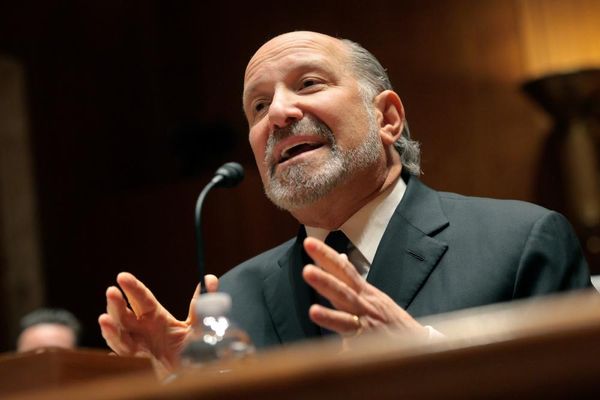
Responding to the release of the Treasury document from 2015, Mr Osborne, who is now the editor of the Evening Standard, told the BBC: "We know from the financial crisis that low-income families suffer most when countries lose control of their public spending.
"The Treasury advice was clear that introducing the [National] Living Wage would help protect the low-paid from necessary savings in public spending."
"Official data on wages over the last couple of years shows clearly that the protection worked and the wages of the lowest paid have rise forecast."
GMB's national secretary, Rehana Azam, added: "Public sector workers have been forced to leave their homes, use foodbanks and many of our members are unable to fund basic necessities for their children such as an annual holiday.
"We will fight tooth and nail against all attempts to impose harsh real-terms cuts on our members just because of the region they live in. If Theresa May is serious about ending 'burning injustices', she must use this Budget to reverse the fall in living standards that this government has imposed on ordinary working people."
The Independent has launched its #FinalSay campaign to demand that voters are given a voice on the final Brexit deal.
Sign our petition here