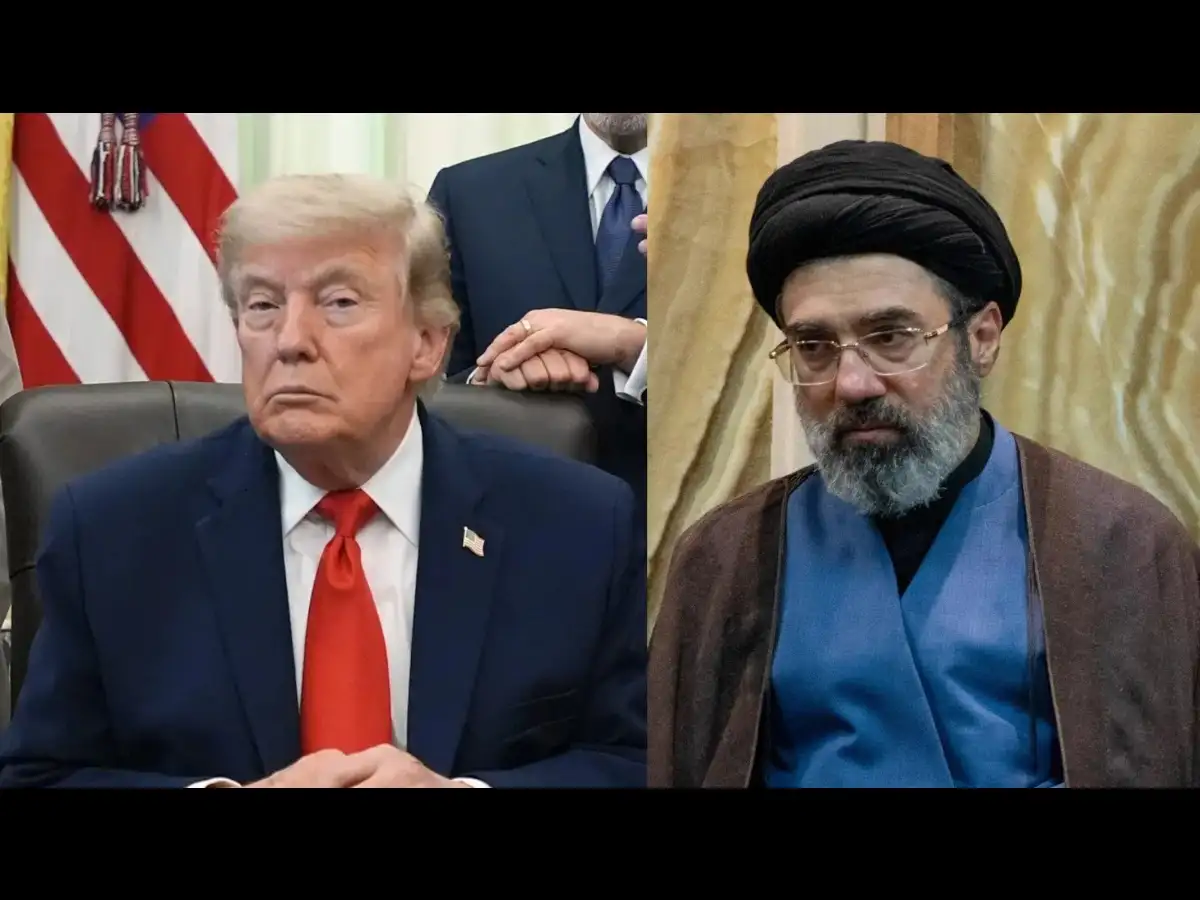
The US and Iran may have signed a public 14-point memorandum of understanding (MoU) to end hostilities and launch a new diplomatic process, but it has come to light that the real negotiations extend well beyond the document that has been made public.
Citing multiple US officials and other sources familiar with the talks, CNN reports that both sides have been working on a series of confidential proposals and understandings dealing with some of the most sensitive aspects of Iran's nuclear programme. While the Trump administration insists there are no "side deals", officials have acknowledged the existence of unreleased documents linked to the implementation of the agreement.
These claims have raised fresh questions about transparency, political accountability and the long-term viability of a peace process that remains deeply fragile. With formal negotiations on a final agreement now set to continue over the next 60 days, the significance of these undisclosed understandings is likely to come under increasing scrutiny.
Also Read | High-wire diplomacy delivered US-Iran deal but hardest stage lies ahead, sources say
Secret understandings?
According to the CNN report, US and Iranian negotiators have been working on confidential proposals that go beyond the publicly released 14-point memorandum of understanding signed earlier this week. The report, citing several US officials familiar with the negotiations, says these proposals are intended to spell out how the commitments contained in the MoU would actually be implemented. They reportedly include provisions dealing with the future of Iran's nuclear programme as well as other issues that remain unresolved.
CNN further reports that some of these understandings exist in written form. Vice President JD Vance acknowledged as much when asked by the network about what administration officials have described as "gentleman's agreements" accompanying the MoU. In response to a question from CNN on Thursday, Vice President JD Vance indicated that at least some of what administration officials have been calling “gentleman’s agreements” with Iran that go beyond the memorandum of understanding are written agreements.
According to CNN's sources, the Trump administration decided to release the signed MoU without waiting for Iran's senior leadership to formally approve the more detailed implementation proposals. The decision was reportedly taken to avoid delaying the next phase of negotiations, with officials choosing instead to continue discussions on the confidential provisions during subsequent talks.
The report also says that administration officials privately acknowledged the existence of documents that have not been made public. Among them is reportedly a letter from the Iranian government inviting the International Atomic Energy Agency (IAEA) to conduct inspections, begin efforts to determine the location of enriched nuclear material and permit American nuclear experts to participate in the process.
CNN says it could not independently obtain the contents of the working proposals. However, sources described them as documents that both sides intend to formalise during future negotiations. The report also says the confidential understandings include discussions on one of the most contentious issues in the talks -- whether Iran will be allowed to continue enriching uranium and under what conditions.
Importantly, Iran has not formally signed these additional proposals. As matters stand, the only document publicly signed by both sides remains the 14-point memorandum of understanding.
Also Read | US-Iran deal redraws the Middle East: Tehran gains, rivals alarmed
Why the secret proposals matter
CNN argues that the existence of these undisclosed proposals highlights the narrow political and diplomatic path negotiators are attempting to navigate. The report notes that while administration officials reject the term "side deals", the presence of unreleased documents raises obvious questions because Republicans, including US President Donald Trump, sharply criticised the Obama administration over alleged secret arrangements linked to the 2015 nuclear deal. Congress subsequently passed legislation requiring any nuclear agreement with Iran, including side agreements or informal understandings, to be submitted for congressional review.
The report suggests that the confidential proposals may reflect an attempt by both governments to manage politically sensitive compromises away from public scrutiny. The network quotes arms control expert Jeffrey Lewis as saying there is little obvious national security justification for keeping technical provisions secret, particularly because similar details were publicly available under the 2015 Joint Comprehensive Plan of Action (JCPOA).
The report argues that the undisclosed understandings may ultimately determine whether a broader nuclear agreement is possible. The publicly signed MoU contains broad principles, but the difficult questions involving uranium enrichment, inspections, sanctions relief and verification mechanisms will have to be resolved through the detailed arrangements that remain hidden from view.
A ceasefire built on uncertainty
The claims made in the report come at a particularly delicate moment. The immediate focus of the MoU was to halt a conflict that had threatened to draw the region into a wider war. Yet events in recent days have underscored how fragile that objective remains. Reports that Israel and Hezbollah have agreed to renew a ceasefire after renewed fighting in southern Lebanon disrupted US-Iran talks are a reminder that multiple regional flashpoints continue to threaten the diplomatic process. At the same time, Israeli officials have indicated that forces will remain in a buffer zone for as long as they perceive a threat from Hezbollah, suggesting that underlying tensions remain unresolved.
The diplomatic track itself is also moving into uncertain territory. Iranian officials have announced that a planned meeting with US representatives in Switzerland has been postponed because a memorandum has already been signed and discussions will now focus on implementation. Tehran has also made clear that progress towards a final agreement will depend on whether the terms outlined in the MoU are actually carried out. Meanwhile, a newly created Iranian authority overseeing the Strait of Hormuz has begun asking vessels to register with it, adding another layer of complexity to a region that remains strategically sensitive despite the cessation of hostilities.
Trump has portrayed the agreement as evidence that Iran entered negotiations from a position of weakness and has insisted there will be no financial relief for Tehran during the talks, refuting various reports that the US had to offer financial incentives to Iran to get the MoU signed.
That is where transparency becomes crucial. Secret understandings may help negotiators overcome political obstacles in the short term. They can provide flexibility, create room for compromise and allow leaders to avoid domestic backlash while talks are underway. But peace processes ultimately depend on public confidence as much as diplomatic ingenuity. When significant elements of an agreement remain hidden, suspicions inevitably grow and opponents find fertile ground to challenge the process.