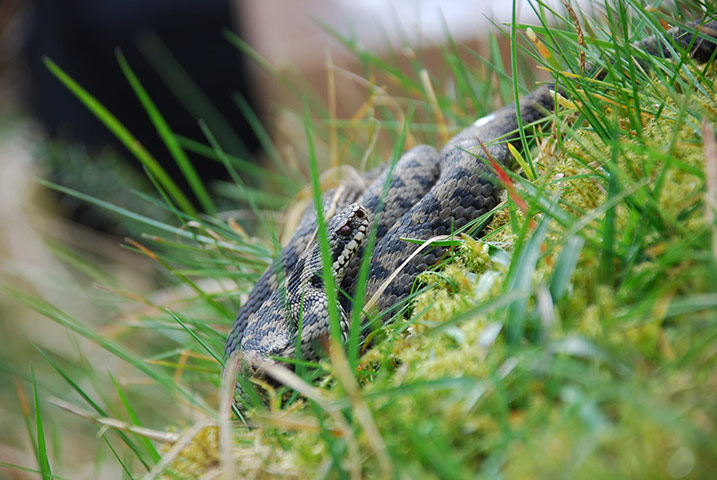
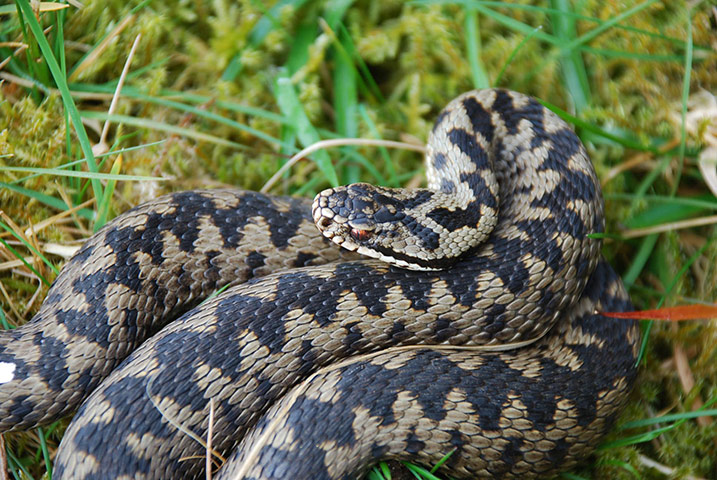
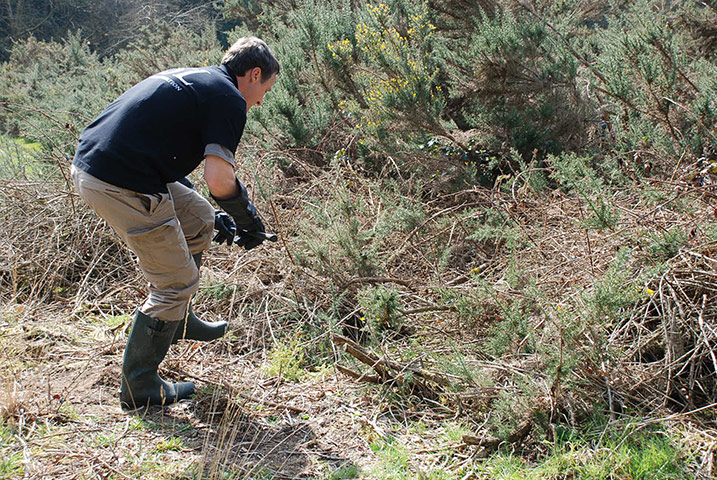
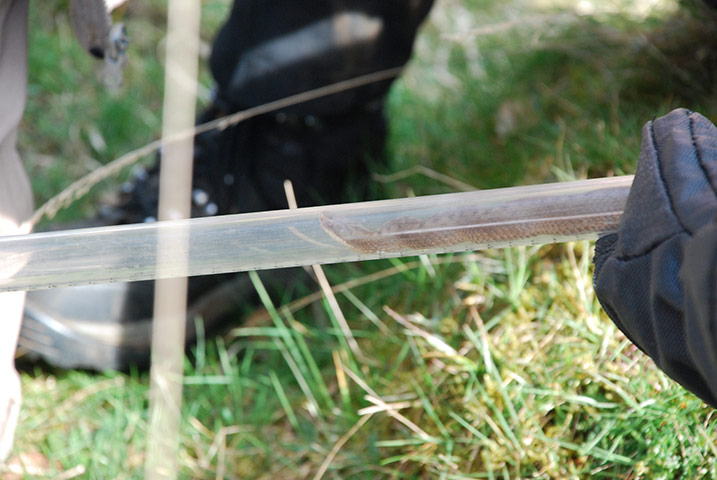
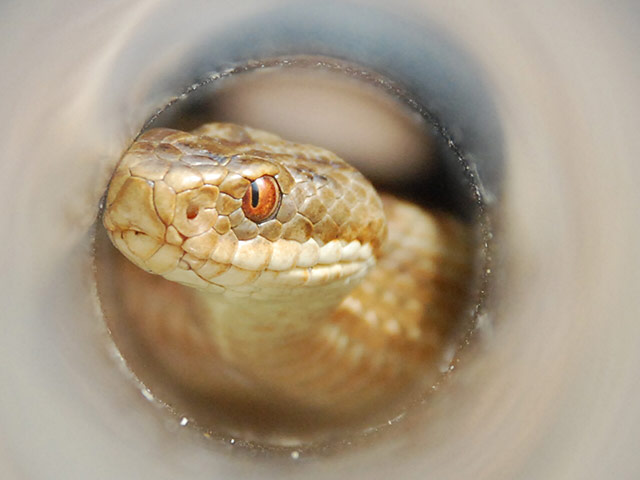
An adder on a Wildlife Trust site near Farnham, Surrey. Scientists fear that dwindling populations are behind worrying signs of inbreeding, such as missing eyes and deformed spinesPhotograph: Beth Rose/ZSLSamples are being taken from both small and large populations at 16 sites across the country. Scientists at Oxford University will then compare the samples to see if the smaller clan groups are indeed genetically impoverishedPhotograph: Beth Rose/ZSLConservationists comb the undergrowth for the next snake to swab. Adders like to live on the margins of open ground and in the shelter of woods, basking in the sun then diving for cover. But habitat loss of heaths and meadows means they are also on the edge in population terms, with at least a third of the 1,000 known populations diminishing. Those smaller groups have fewer than 10 adults and even the bigger clans have just a few dozenPhotograph: Beth Rose/ZSL
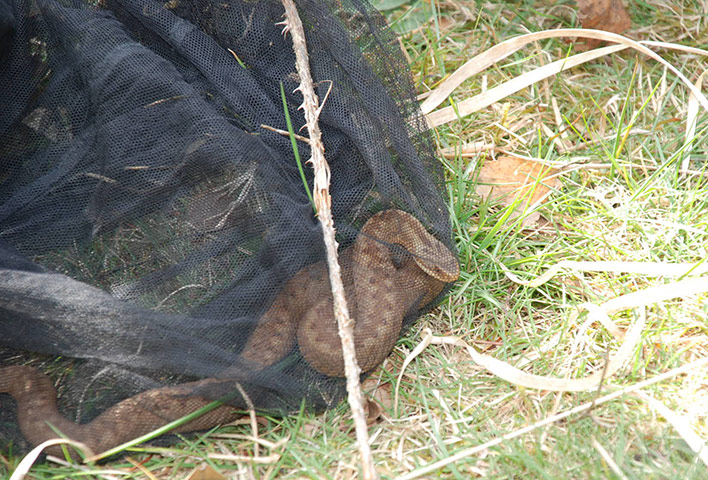
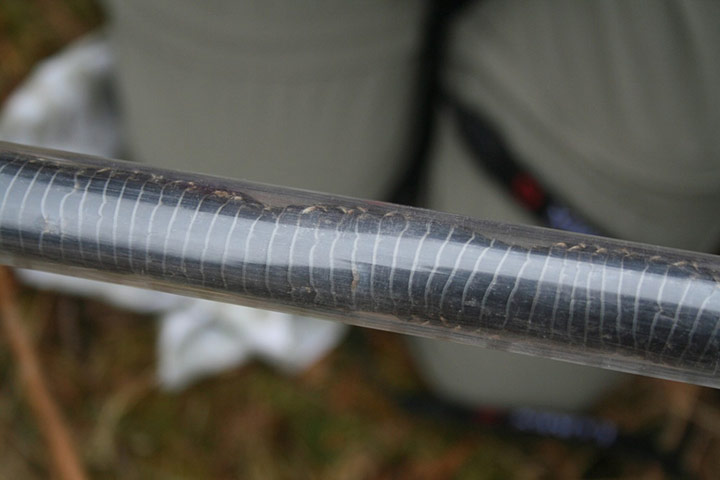
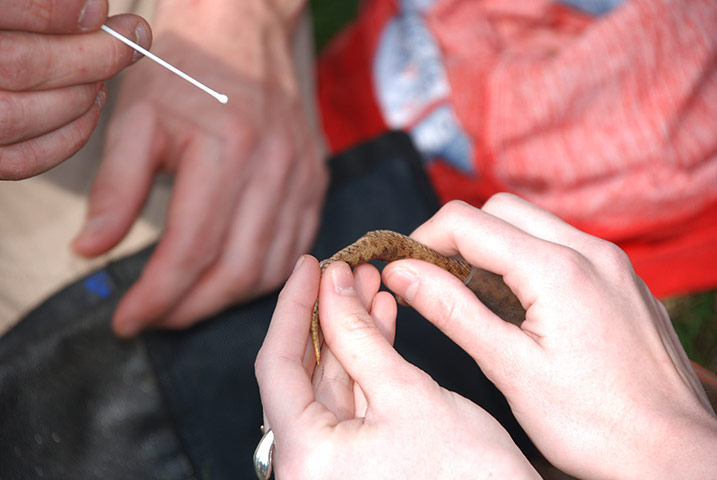
An adder captured for the survey. Studies of rattlesnakes in the US have shown clear links between inbreeding and deformitiesPhotograph: Beth Rose/ZSLConservationists are determined to ensure modern DNA technology can play its part in halting the decline of the adderPhotograph: Beth Rose/ZSLThe adder project highlights a looming issue for wildlife in the UK: maintaining genetic diversity in isolated populationsPhotograph: Beth Rose/ZSLAn adder's ventral scales in poor conditionPhotograph: Nigel Hand/ZSLTaking a DNA sample is harmless if undignified, with a small swab inserted into its vent, an opening that doubles as the excretory and genital orifice. 'Swabbing the mouth is quite dangerous, so we thought we'd try the other end,' explains Jim Foster, national reptile specialist for Natural England.Photograph: Beth Rose/ZSL
Sign up to read this article
Read news from 100's of titles, curated specifically for you.