(This February 26 story corrects spelling of researcher's last name, paragraph 8)
WASHINGTON (Reuters) - Red pandas, the bushy-tailed and russet-furred bamboo munchers that dwell in Asian high forests, are not a single species but rather two distinct ones, according to the most comprehensive genetic study to date on these endangered mammals.

Scientists said on Wednesday they found substantial divergences between the two species - Chinese red pandas and Himalayan red pandas - in three genetic markers in an analysis of DNA from 65 of the animals.
The recognition of the existence of two separate species could help guide conservation efforts for a mammal adored by many people even as its numbers dwindle in the wild, they added.
Chinese red pandas are found in northern Myanmar as well as southeastern Tibet, Sichuan and Yunnan provinces in China, while Himalayan red pandas are native to Nepal, India, Bhutan and southern Tibet in China, the researchers said.
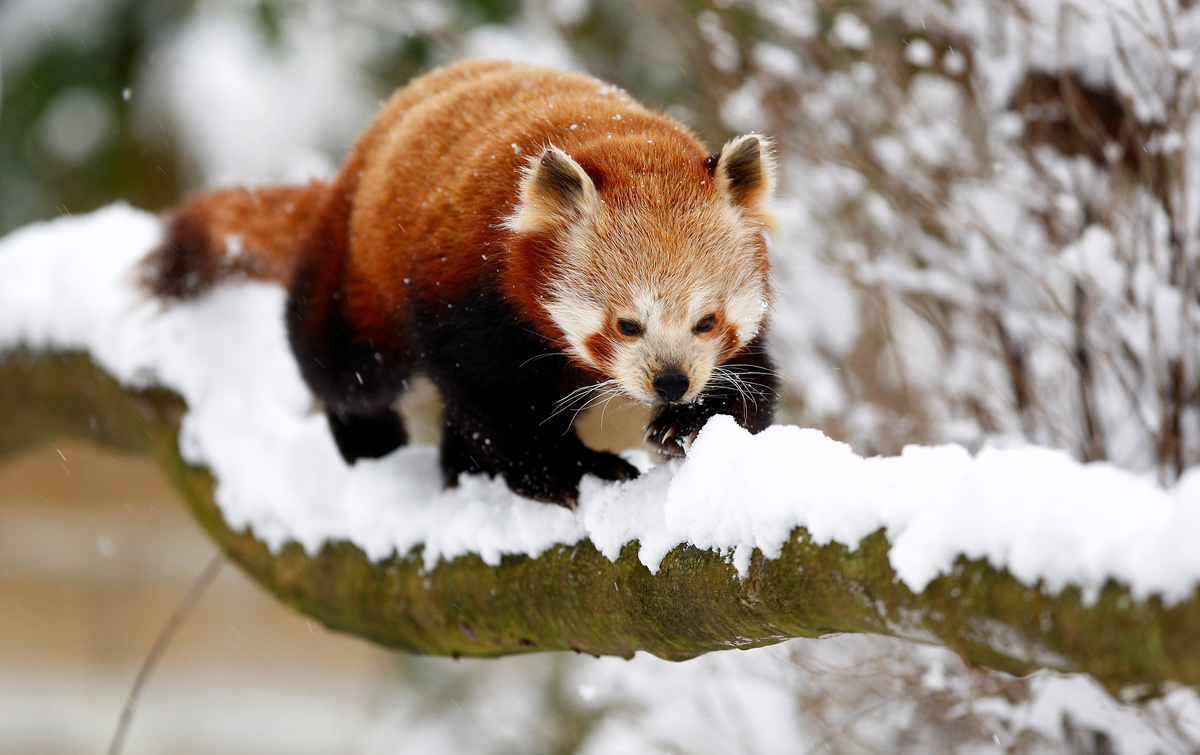
International experts have estimated a total population of roughly 10,000 red pandas in the wild.
"To conserve the genetic uniqueness of the two species, we should avoid their interbreeding in captivity," said Chinese Academy of Sciences conservation biologist Yibo Hu, who along with colleague Fuwen Wei led the study published in the journal Science Advances. "Interbreeding between species may harm the genetic adaptations already established for their local habitat environment."
Scientists previously recognized red pandas as divided into two subspecies. While it had been proposed that these were separate species, the new study was the first to provide the genetic data necessary to allow such a judgment.
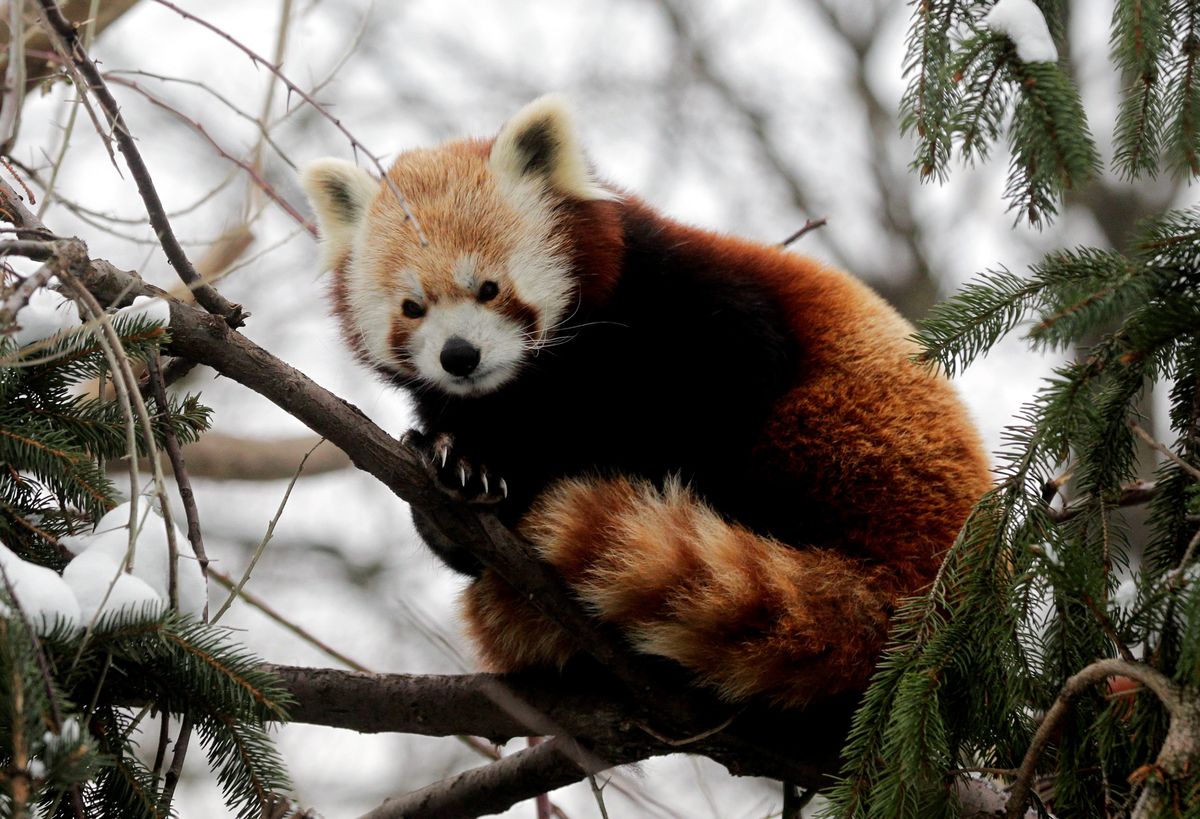
The Himalayan red panda is the scarcer of the two and needs urgent protection because of low genetic diversity and small population size, Hu said. The Yalu Zangbu River most likely marks the geographical boundary separating the two species, not the Nujiang River as previously believed, Hu added.
The two species also differ in coloration and skull shape.
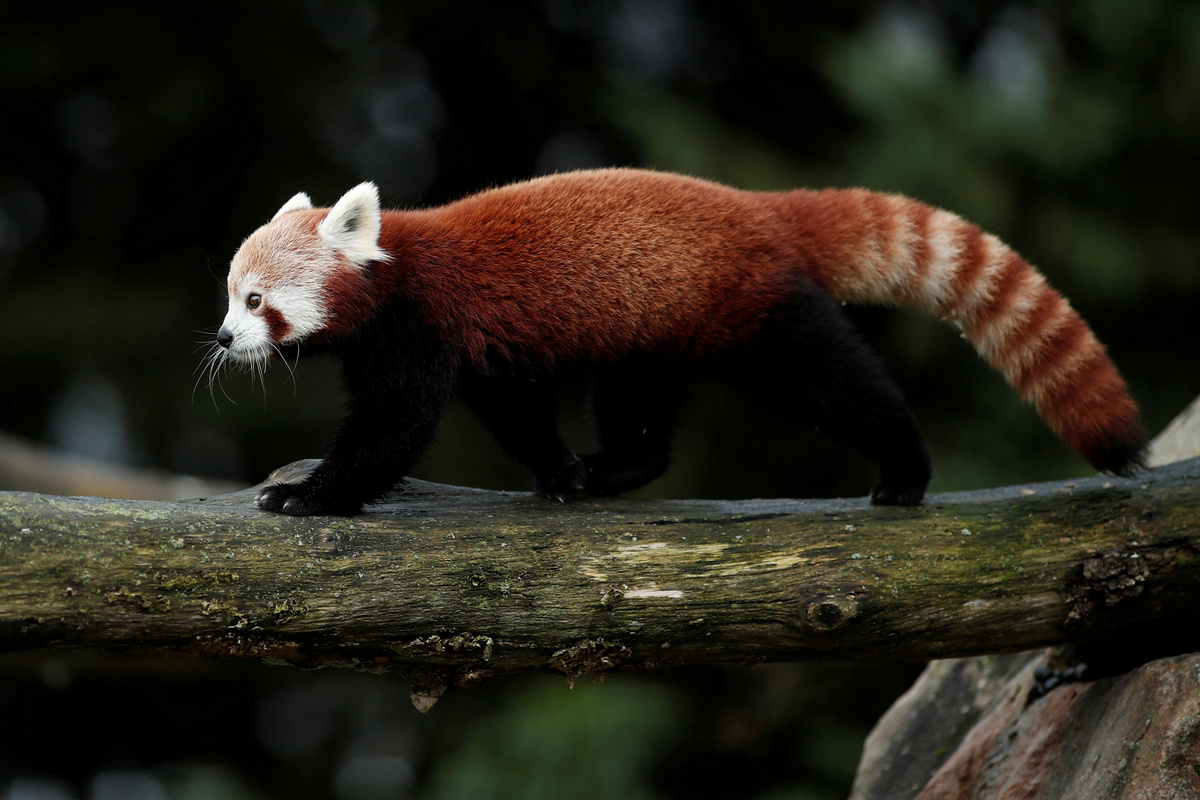
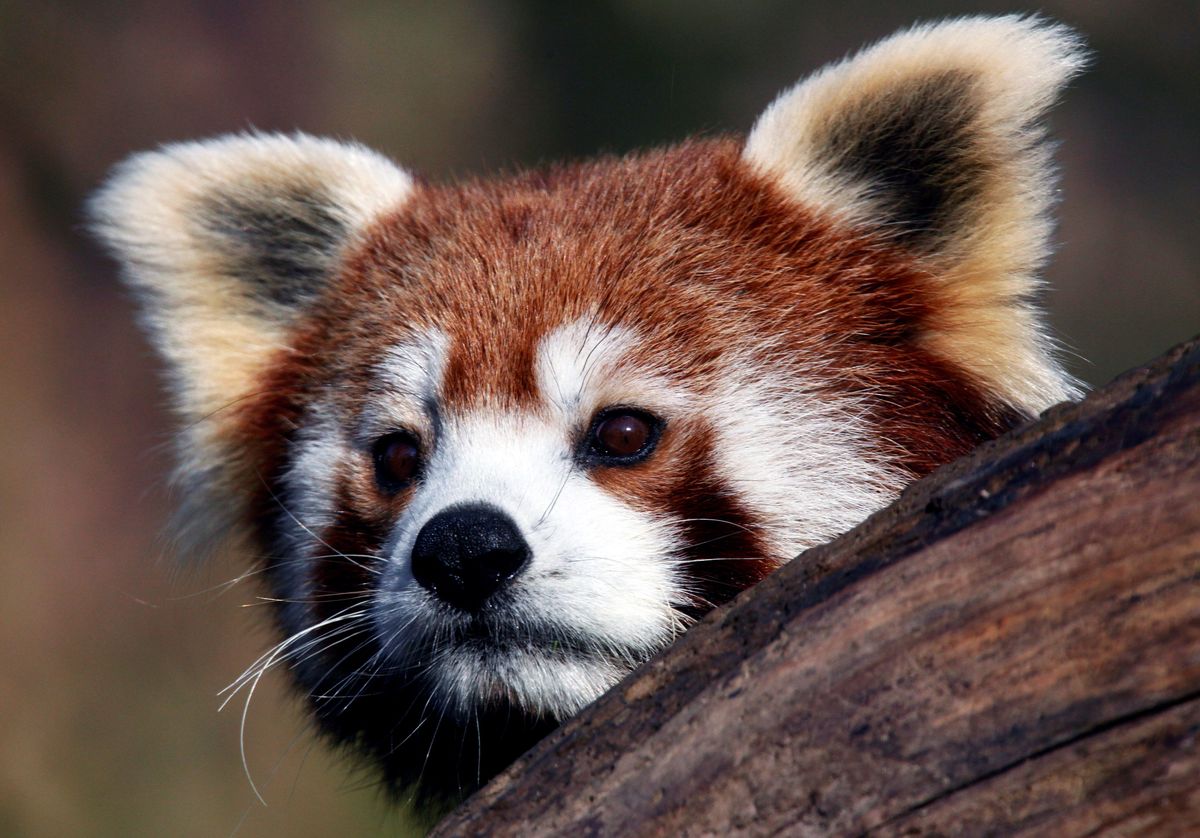
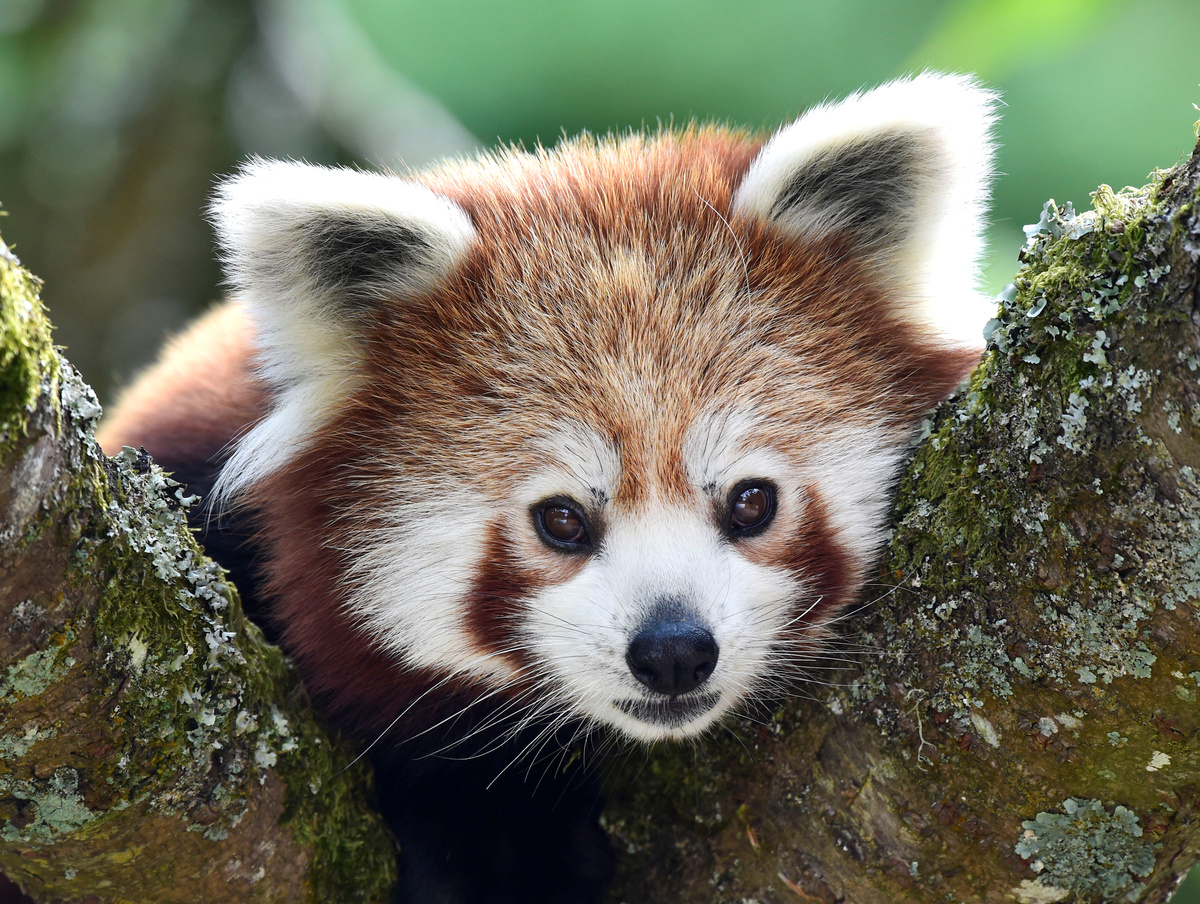
"The Himalayan red panda has more white on the face, while the face coat color of the Chinese red panda is redder with less white on it. The tail rings of the Chinese red panda are more distinct than those of the Himalayan red panda, with the dark rings being more dark red and the pale rings being more whitish," Hu said.
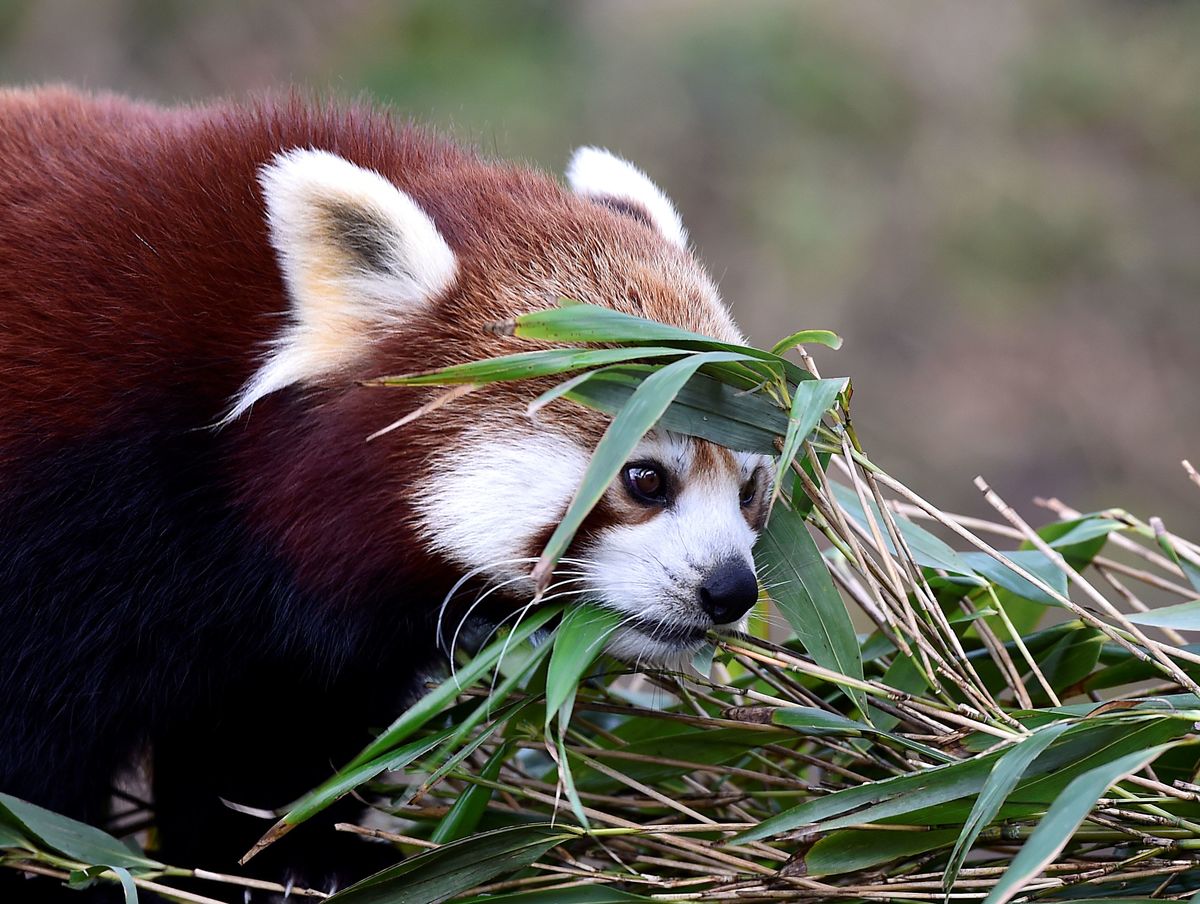
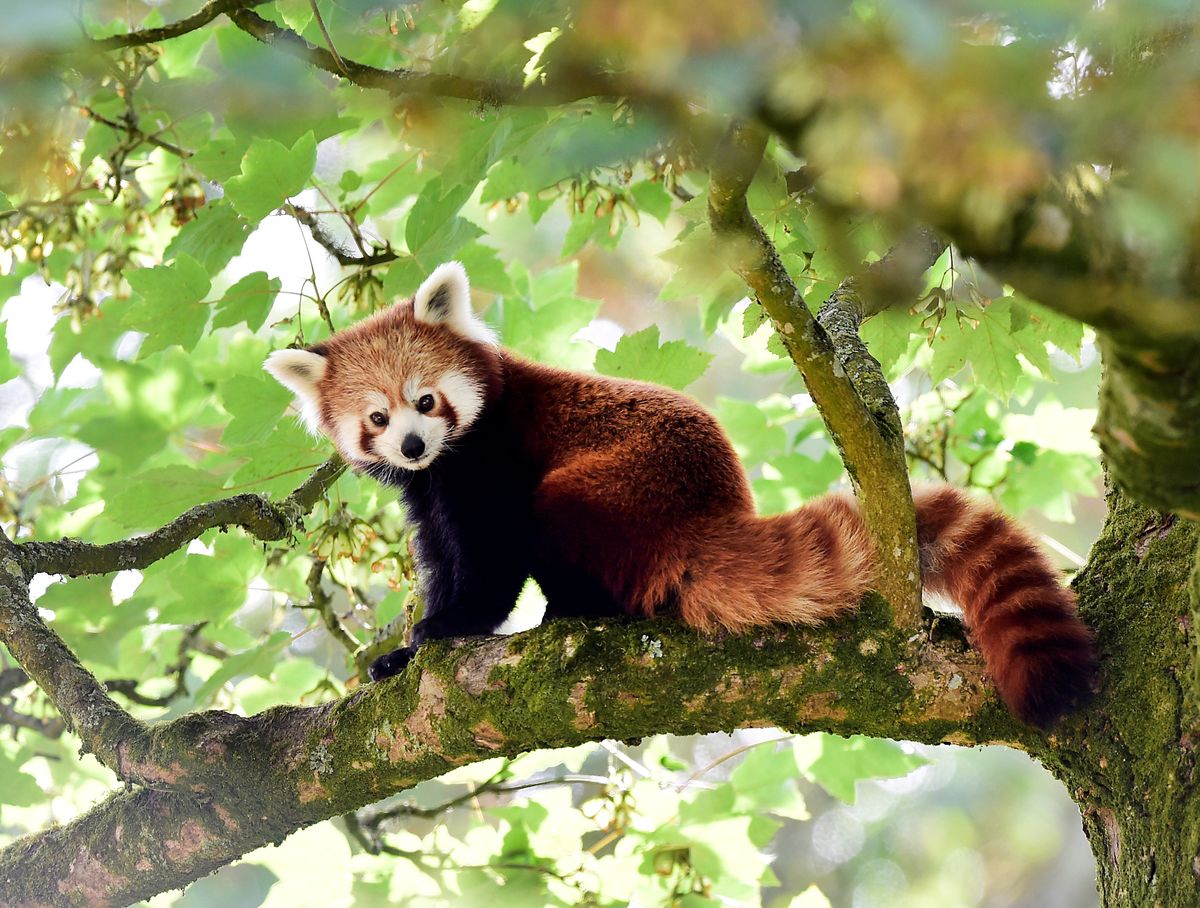
Slightly bigger than a domestic cat, red pandas have thick fur, a short snout and pointed ears, spending much of their life in trees and dining mostly on bamboo. Major threats to red pandas include deforestation and degradation of their habitat due to human development.
Despite similar names, red pandas and giant pandas are not closely related. Giant pandas are one of the world's eight bear species.
Red pandas, with no close living relatives, are sometimes called living fossils as the only remaining member of the Ailuridae mammalian family. They are probably most closely related to a group that includes weasels, raccoons and skunks.
(Reporting by Will Dunham; Editing by Sandra Maler)