When the power goes out, the silence in your home can feel deafening. That sudden darkness triggers a primitive panic, especially when you have a freezer full of food or children asking why the WiFi stopped working. For many, the immediate solution is dragging out the portable generator to restore a sense of normalcy. However, in that rush to get the lights back on, a hidden danger often creeps in. It is colorless, odorless, and responsible for sending thousands of people to the emergency room every year.
We need to talk about carbon monoxide (CO). You might think you know the basics, but the statistics tell a different story. Intelligent, safety-conscious people make fatal mistakes every winter because they underestimate how quickly exhaust accumulates. Before you fire up that engine during the next storm, you need to understand the errors that turn a convenience into a catastrophe.
The Garage Myth Is Still Dangerous
Everyone assumes they know this rule, yet it remains the number one cause of generator-related deaths. You might think leaving the garage door wide open provides enough ventilation. Honestly, it does not. The structure of a garage acts like a funnel, trapping exhaust fumes and pushing them through connecting doors into your living space. Even with the big door up, the air pressure often pulls toxins inward rather than pushing them out.
It creates a pocket of poison that can seep into bedrooms long before anyone realizes something is wrong. The carbon monoxide concentration in a garage can reach lethal levels in less than five minutes, even with the door open. Never run a generator inside an attached structure, period. It is not worth the risk, no matter how hard the wind is blowing outside or how much you want to keep the unit dry.
Distance Matters More Than You Think
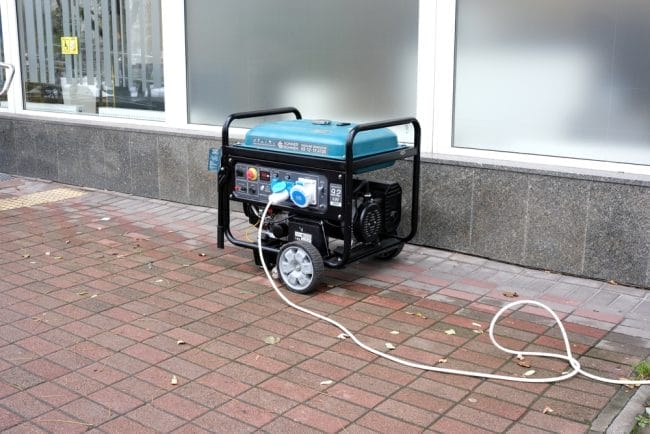
Placement is everything. Many homeowners place their units just outside the back door or on a porch to keep them dry. While this keeps the machine safe from the elements, it puts your family in the danger zone. The recommendation is usually 20 feet away from the home, but you should treat that as a bare minimum. Manufacturers put that number there for a reason, yet we constantly see people cheating the distance to save on extension cords.
Check your windows and soffit vents. If you have a generator humming away on the patio, and a drafty window or a dryer vent is nearby, that CO is being sucked right into your house. You have to account for wind direction and entry points. A machine running five feet from a window is essentially running inside your living room. You need heavy-duty outdoor extension cords that allow you to push that unit far away from the perimeter of your home.
Ignoring the CO Detector Expiration Dates
You probably have smoke detectors, but when was the last time you checked the date on your carbon monoxide alarm? Unlike smoke detectors, which often last a decade, CO sensors degrade faster. If your unit is over five to seven years old, it might not trigger until the levels are already critical. The sensor inside actually loses sensitivity over time, meaning it might fail to alert you to a slow, creeping leak until it is too late.
Battery backups are also essential. If the power is out, your hardwired detector is useless without a fresh battery. It is terrifying how many families rely on a device that died three years ago. Go check yours right now. If it is yellowing or looks ancient, replace it immediately. It is the only line of defense you have against a gas you cannot see or smell.
The Shutdown Cool-Down Error
Refueling is a pain, especially in the dark or rain. The temptation to pour gas into the tank while the engine is still hot—or even running—is high. You just want to get it over with and get back inside. However, a hot muffler and spilled gasoline are a recipe for a flash fire. The vapors from fresh gasoline can ignite instantly upon contact with hot engine parts.
Patience is a safety tool here. You must let the unit cool down for at least 15 to 20 minutes before refueling. It feels like an eternity when the fridge is warming up, but a generator fire will destroy your home faster than a power outage will spoil your milk. Use that downtime to check your oil levels and inspect the cords, ensuring you are safe for another round of power.
Your Safety Is Worth the Silence
Surviving a power outage is about more than keeping the lights on; it is about keeping your home breathable. The hum of a generator should be a sound of relief, not a warning siren. By respecting the distance, checking your detectors, and refusing to cut corners on ventilation, you ensure that when the lights finally come back on, everyone is there to see them.
Don’t let convenience override caution. The storm will pass, but the decisions you make during the outage have lasting consequences. It is better to throw out a hundred dollars worth of spoiled food than to risk a single night of carbon monoxide exposure. Keep the generator far away, keep the fresh air flowing, and prioritize your family’s lungs over their electronics.
What Do You Think?
Have you ever had a close call with a generator or a CO detector going off? Tell me your story in the comments below.
What to Read Next…
- Electricians Warn: Never Plug These 7 Appliances into a Power Strip
- NYC’s New Safety Rules: 5 Things You Need to Know in 2026
- 8 Safety Practices Women Over Thirty Use To Maintain Independence
- Mechanics Speak Out: Stop Buying These 4 Reliable Car Brands (They Rust Fast)
- 15 Dangerous Safety Mistakes Hiding in Every Bachelor Pad
The post Generator Season Can Turn Deadly: 7 Carbon Monoxide Mistakes People Make During Outages appeared first on Budget and the Bees.