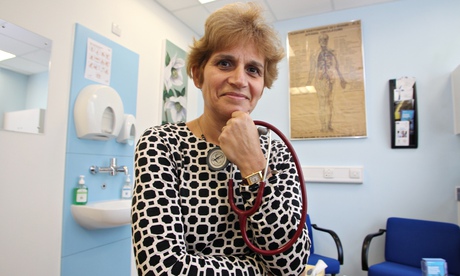
As I enter the last decade of my career as a general practitioner, one that began as a six-year-old watching my father – himself a single-handed GP – work, I have begun to reflect on how the profession has changed. My father was a traditional family doctor based in eastern Peterborough. I would watch over the banisters of our home as my father’s patients sat in our sitting room. The surgery moved from the front room to the back of the house, then to a two-up-two down converted house down the road, and finally to a purpose-built health centre.
Everyone knew Dr Anthony Gerada. He would do school medicals, the family planning clinic at the town hall, 10 surgeries a week and night calls, week in week out. He used to take me on home visits – unimaginable now – and taught me about the causes of health inequality. He showed me that, to be a good GP, you had to be kind, to listen and to be part of your community, something I have tried to emulate in my career.
Not everything was good then: the closest my father got to preventive medicine was giving children their immunisations and performing the occasional cervical smear. The multidisciplinary team we take for granted nowadays consisted of the district nurse rushing in to ask for prescriptions for dressings. The surgery buildings would not pass any health and safety inspection today. And Dad was exhausted from working 16-hour days.
General practice then was a vocation, as it has been for me. But it’s difficult to be this sort of family doctor now. I am expected to lead and manage a primary care team and I now do what would have been provided in my father’s day by specialists. Then patients spent three weeks in hospital after a heart attack – now they are discharged within days, back home and to my care. Women spent a week in hospital after a normal delivery – now they go home only a few hours later. A hospital outpatient clinic would be full of patients attending for routine follow-up – now they all come to me. All told, GPs see about 1.2 million people a day. We manage 80% of all health problems for only 8% of the NHS budget. We refer only about one patient in 20 to the hospital.
My father wasn’t obliged to provide routine health checks, which waste the time of both patients and doctors, because there is no evidence that they improve health outcomes when compared with normal care. He wasn’t required to meet so-called quality targets and spend hours documenting their achievement or to prepare for Care Quality Commission inspections. He could devote all his time to the care of his sick patients. He was appreciated and he didn’t have to endure the vilification of his profession in the newspapers on a daily basis.
General practice was and is the backbone of the NHS. GPs, in their role as the patients’ advocates, gatekeepers and sorters of symptoms keep the NHS safe and accessible, and provide value for money. Unfortunately we are an endangered species and, if we disappear, we will all be worse off – as patients, as citizens and as taxpayers.