MINNEAPOLIS _ One year ago, the leaders at General Mills had a revelation: It couldn't keep up.
Specifically, the food giant was struggling to develop new, creative products at the pace of innovation that is required in today's ever-changing food industry.
The company, headquartered in suburban Minneapolis, for several years had been trying to come up with high-growth products to capture consumers' shifting, and fragmenting, preferences. But last October, General Mills realized it would never be able to out-innovate the plethora of small food startups pervading the national market.
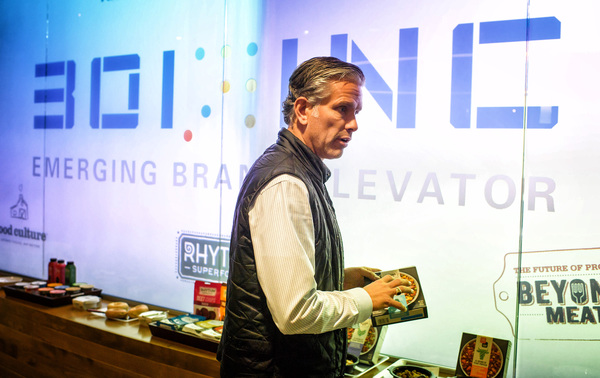
Rather than compete with them, General Mills decided to invest in them. The company changed the marching orders for its in-house innovation division, 301 Inc., from an idea-generator to an idea-backer. 301 Inc. is now the venture capital arm of General Mills and has invested in five smaller outside firms. The group's ultimate goal is to find future acquisition targets from among those it supports.
301 is focused on a different type of innovation than General Mills' primary marketing teams. While the company's various food divisions work to identify trends that it can apply to General Mills' existing products _ like making Cheerios gluten-free _ 301 is seeking disruptive and niche food brands.
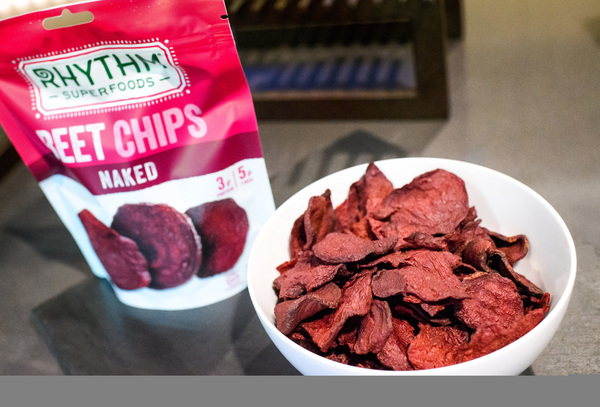
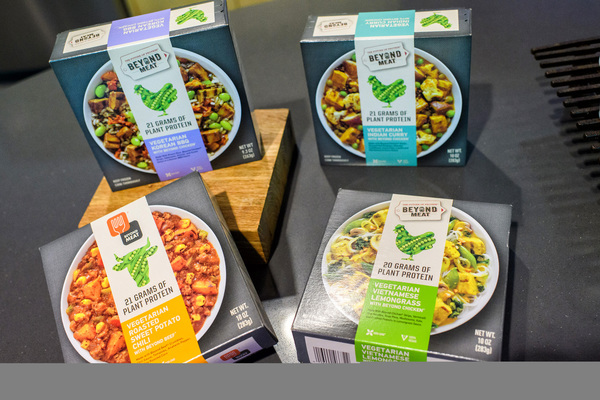
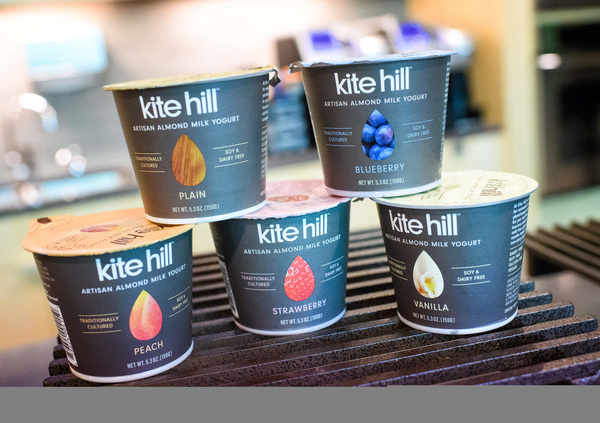
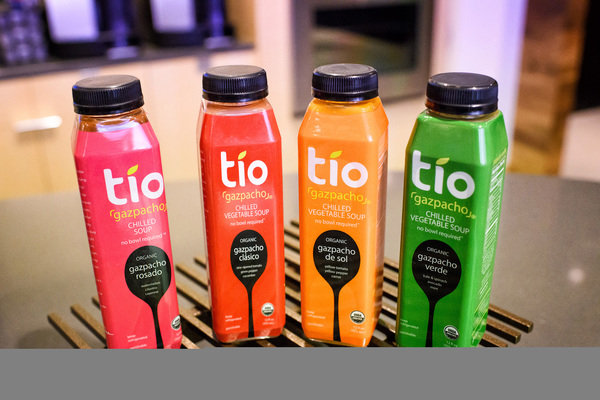
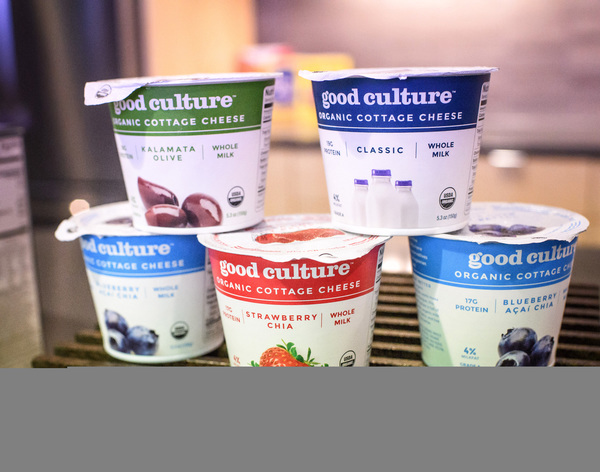
Concepts that have caught 301's attention include Kite Hill, which makes nut-based dairy products; Good Culture, a maker of organic and creamy cottage cheese; Tio Gazpacho, which makes chilled and ready-to-drink bottled soups, and Rhythm Superfoods, a maker of vegetable-based snacks. The company's first investment was in Beyond Meat, a plant-based protein maker.
"What we found, to no one's surprise, is that it is very difficult for larger companies to (create this kind of product)," John Haugen, founder and general manager of 301 Inc. and vice president at General Mills, said. "It is really hard to bottle up and replicate that passion and vision and energy that these early-stage entrepreneurs have."
The 150-year-old company, like most major food processors, has seen sales level off in legacy brands, which for General Mills includes Betty Crocker, Pillsbury, Progresso and others.
"In prior years, clients came to us when they were seeing slippage in their (market) shares and were looking to innovate on their existing brands," said Shelley Balanko, senior vice president of the Hartman Group, a consumer foods research firm. "But there is a certain point in time when culture takes over and no matter what sort of innovation you do, if the consumers don't value your brand, it doesn't matter."
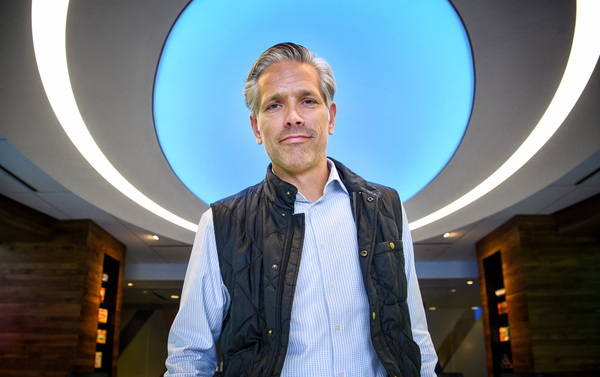
Some of General Mills' biggest competitors, like Campbell's Soup, Hain Celestial and Kellogg, as well as companies like Coca-Cola and Anheuser-Busch, have created their own versions of 301 Inc.
The approach holds the prospect of saving the big companies money. Most have a track record of buying more established firms for exorbitant sums. General Mills, for instance, spent $820 million to buy Annie's Homegrown, an organic packaged food maker in 2014. Coca-Cola spent $4.2 billion in 2007 to acquire Vitaminwater.
"The investment community spent years focused on midsize brands that have $100 million in (annual) sales or more, but these became really expensive," Balanko said. "When you acquire them young, you can get them for a good value."