MINNEAPOLIS _ It started as a canning factory along the Mexican border near El Paso, Texas, almost 100 years ago.
The founders' vision: introduce Americans to Mexican food by selling canned tomatoes and pinto beans that would not offend more temperamental taste buds. Today, the brand known globally as Old El Paso sells stand-up taco shells and guacamole in squeeze bottles to people around the world.
The line became part of General Mills' vast packaged food portfolio in 2001, and it has been one of the company's big successes. As a gateway for consumers into new flavors, Old El Paso has benefited from the world's growing love affair with Mexican food.
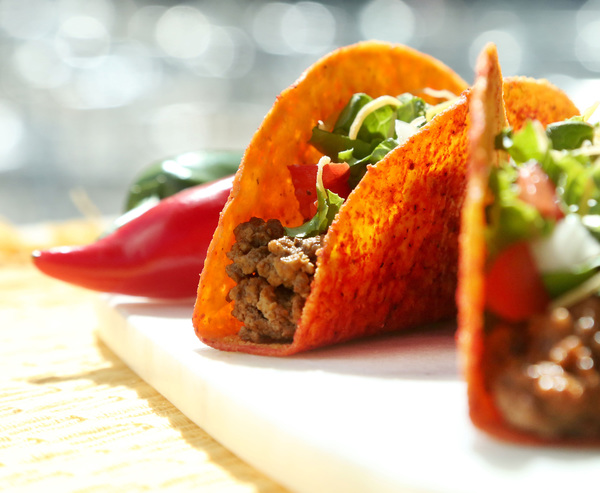
The dominant Mexican food brand in the U.S. grocery store, Old El Paso controls 16.4 percent of the Mexican aisle, according to Nielsen. In Europe, where fewer food companies sell Mexican-inspired food, Old El Paso commands half the market.
"Old El Paso is our largest business in convenient meals (segment) and it's driving growth around the world," General Mills President Jeff Harmening said at a conference in September. "Despite its origin as an American brand, this business is now larger outside the United States."
General Mills, like many other big food companies, has struggled to maintain its market position as consumers migrate toward smaller, new brands that are perceived as healthier. Many of the company's famous brands, like Hamburger Helper and Betty Crocker cake mixes, have experienced steady sales declines.
In response, General Mills, headquartered in suburban Minneapolis, recently separated its brands into two camps: growth and foundational. The company said it will invest more money in products that fall under the growth column, which contains the likes of Annie's Homegrown organic products, gluten-free Cheerios, the protein-packed Greek yogurt segment _ and Old El Paso.
At first blush, Old El Paso might seem an odd bedfellow with the other growth brands, many of which more clearly align with shifting consumer priorities toward organic, fresh and unprocessed foods. As consumers increasingly shop the store's perimeter where meat, produce and dairy are found, many center-of-the-store brands have floundered.
But while Old El Paso's marquee products are staples found in the center aisles, the brand also harnesses several consumer shifts.
Its sales are boosted by the popularity of tacos, Old El Paso's core product, which land at the intersection of two key food trends: freshness and customization. U.S. sales of Old El Paso products in the United States were up 1.5 percent last year, according to Nielsen.
"Tacos are the most democratic food. People get whatever they want," said Brad Hiranaga, director of marketing for Old El Paso. "And, with the vegetables, you are introducing things that you know are good for you."
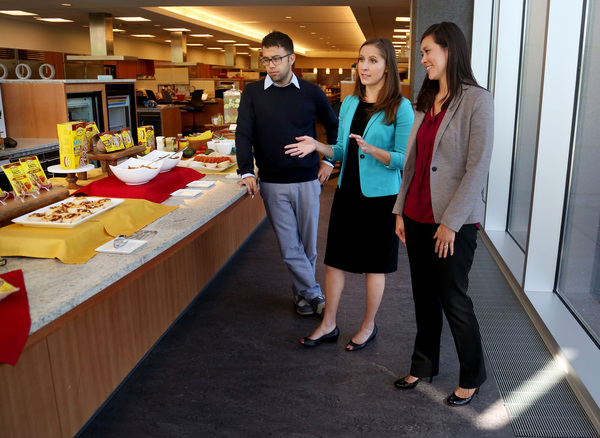
At General Mills headquarters, far away from El Paso, the brand's marketing team sees its role as the cuisine's ambassador, educating less-intrepid eaters and solving problems for busy consumers with Mexican-inspired food.
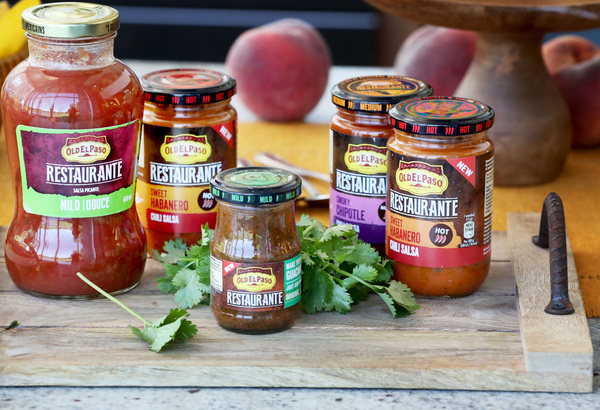
The team believes it can increase the number of times a week Americans consume Mexican food at home _ and it's building off a strong legacy of doing just that.
Making Mexican food more accessible and easy is still "a big influence for the brand today," Hiranaga said, "the idea of pushing Mexican food and the spirit of it forward in everything we do."