Afternoon summary
-
The Labour party has released a37-page document rebutting the Tory dossier about its spending plans. Here’s what Ed Balls says in the foreword.
The independent Institute for Fiscal Studies has said Labour has the most cautious approach of all the parties and has promised no net giveaways. Labour has made no unfunded spending or tax commitments.
In contrast to that cautious approach, today’s dodgy Tory dossier is riddled with untruths and errors on every page. It is not an impartial exercise but a political smear based on false assumptions made by Tory advisers, including dozens of claims which are not even Labour’s policies.
Their smears aim to hide the fact that the Tories have made over £7 billion a year of unfunded tax promises. George Osborne again failed to explain today how they would be paid for. The public still do not know if it will be another VAT rise, even deeper cuts to public services or both.
Labour has issued this dossier to rebut the anti-Labour dossier issued by the Tories. #dossier pic.twitter.com/PjMJGd0nz9
— BuzzFeed UK Politics (@BuzzFeedUKPol) January 5, 2015
Here’s Larry Elliott’s assessment of the Tory document. And here’s a Reality Check analysis from Peter Walker.
That’s all from me for today. Thanks for the comments. AS
Thanks to all of you who responded to the detailed election prediction questions I posted earlier. (See 10.39am.) I counted 24 responses. Given that everyone who reads this blog is immensely sophisticated and knowledgeable (apart from when you’re slagging us off), I thought the results would be interesting. And they are. Here are the predictions from the Politics Live wisdom panel.
1 - Who will win? Most of you think it will be a hung parliament, although around a fifth of you predicted a Labour majority. Some of you expect a Tory, or Tory-led government, but not many.
2 - Number of Lib Dem seats? The average is 30. The lowest prediction was 5/10 (which I counted as 7.5.) Bizarrely, someone predicted 60.
3 - Number of SNP seats? Again, the average is 30.
4 - Number of Ukip seats? The average is 5 (or 4.6, to be precise). Estimates vary from 0 to 12.
5 - Number of Green seats? One or two, you think. The average forecast is 1.6.
6 - Share of the vote for each party. Here are the averages.
Labour: 32.5%
Conservatives: 32%
Lib Dems: 10.5%
Ukip: 11%
Greens: 5%
7 - Party leaders by the end of the year. Many of you expect the Conservative leader to change, with a quarter of you expecting to see Boris Johnson in the job by the end of the year, slightly fewer predicting that Theresa May will take over, with George Osborne, Michael Gove and Liam Fox also getting some backers. More than half of you expect Tim Farron to be leading the Lib Dems by the end of the year, although some of you expect Vince Cable to take over. And most of you expect Ed Miliband to be in post at least for another 12 months.
8 - Another general election? Around a third of you expect a second general election.
We’ll find out in May if these predictions are sound. If they are, I’ll tell everyone how clever you all are. If they’re not, you’re all fired. AS
Updated
Sadiq Khan, the shadow justice secretary, told the Independent this morning that political parties were being incentivised to govern Britain only in the interests of the elderly, reports Aisha Gani.
This afternoon he tweeted a link to an article from Cosmopolitan, the women’s lifestyle magazine, calling for politicians to stop neglecting younger voters.
Good to have @CosmopolitanUK’s support for ending politicians neglect of #YoungerVoters, more from @katerussellm here http://t.co/jbhBLeWZx4
— Sadiq Khan MP (@SadiqKhan) January 5, 2015
The article agrees with Khan’s thesis that politicians ignore the young because they don’t vote:
Things that interest young women like us – such as affordable rent and the gender pay gap – can get overlooked. It’s a vicious circle – not voting makes politicians ignore us, which makes us less likely to vote, which makes them even less likely to cater to young women, and so on, until the END OF TIME.
Cosmopolitan surveyed 1,000 millennial women and found far more admiration for Barack Obama (35%) than for David Cameron (4%) or Nick Clegg (1%).
Ed Miliband was not mentioned, but Labour came top when the young women were asked which party they would vote for, with a 35% share to the Tories’ 17% and the Lib Dems and Ukip both on 7%.
Some 84% of those polled vowing they would never consider politics as a career.
The magazine also unveiled its “Millennial Manifesto”, consisting of six main points:
1. Stop two women a week dying at the hands of a partner or an ex – by finding a new way of funding domestic violence services.
2. Make voting easier – with urgent electoral reform.
3. Improve women’s rights at work – by banning exclusive zero-hours contracts and an end to unfair tribunal fees.
4. More affordable homes – by making a minister responsible for young citizens.
5. Provide urgent help for mental health issues – by cutting waiting times for talking therapies.
6. New respect for women – by making PSHE (Personal, Social and Health Education) a priority in schools.
My colleague Peter Walker has been examining the Tory dossier on Labour’s supposed spending commitments, which produces the headline conclusion that Labour’s plans involve £21bn in extra spending during the first year of a new parliament alone.
He points out that not all the spending commitments are actual commitments.
Some are sourced purely to posts on the personal blogs of shadow ministers, to media interviews, or even early day motions signed by ministers. Several supposed commitments are already being denied.
These include the issues of banning food waste from landfill, introducing youth justice boards, plans for cycling, and plans for early-release schemes for prisoners.
As for whether the figures add up, there are some areas where Labour has already cried foul, including on the Green Investment Bank and apprenticeships.
Peter also points out that although figures for spending are calculated for 2015-16, for many items – such as Labour’s planned mansion tax, which it says would raise £1.2bn a year – no revenue is listed.
Peter concludes:
George Osborne’s claim to objectivity is hard to sustain. However, in an election campaign the remaining question is whether the Tory claims cross the line from ordinary partisan politics into outright falsehood and duplicity.
Updated
My colleague Stuart Heritage has fact-checked Ed Miliband’s plan to conduct 4m conversations over the course of the election campaign. If Miliband conducts all the conversations himself, he’ll have 2,049.1 chats an hour to get through – 324 a minute.
But if he gets 650 Labour candidates to help him (Labour doesn’t usually stand in Northern Ireland, but perhaps Ed could draft in a few friends), that drops dramatically to 3.1 an hour, which sounds like the sort of rate you’d get through at quite a relaxed party. PO
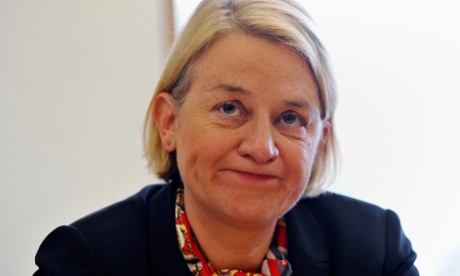
Natalie Bennett, the Green party leader, was on BBC News a few minutes ago. She said campaigning by the two main parties in the run-up to the general election was like “Vlad the Impaler commenting on the record of Attila the Hun. Or vice versa.”
We’re very much fighting this election on the model of real change – we are going to do things like bring in ten pounds an hour minimum wage by 2020, we need to renationalise the railways, stop and reverse the privatisation of the NHS. We’re talking about the fact that the current model is broken whereas the business-as-usual parties don’t seem to realise that there’s a problem.
She also said that she wasn’t sure her party could beat Ukip in terms of votes, but that she could imagine the Greens gaining more votes than the Liberal Democrats.
The real loser in this election is going to be the first-past-the-post election system which is very clearly past its use-by-date. We could see a lot of seats won with not more than 25% of the vote in the next election, so we’re going to see a real push for change. Having just seen the example of the Scottish referendum, if we could just see the voters come out with the same sort of percentage – 85% – and young voters come out in the same proportions as the over 60s usually do, then this could really be a peaceful revolution in British politics.
Updated
And, while we’re doing videos, here’s ITV’s Tom Brady at the Osborne press conference telling the chancellor his costings exercise is “a load of nonsense”.
Here’s a Guardian video of the BBC’s Norman Smith being heckled after asking a critical question at the Labour press conference. (See 11.27am.)
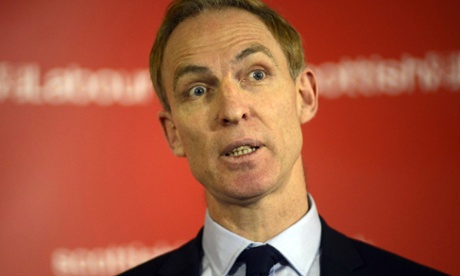
Jim Murphy, Labour’s new leader in Scotland, has said he would use the proceeds of the mansion tax to pay for an extra 1,000 nurses in Scotland. Much of the money would come from London, he said.
There’s less than 1,000 properties worth more 2 million across the whole of Scotland which will generate around 15 million, so you couldn’t afford 1,000 new nurses if it were just a mansion tax in Scotland by Scotland.
It’s a uniquely Scottish Labour pledge because we will introduce the tax as a matter of choice, but because of their constitutional conviction it’s not a tax the SNP could levy.
He also made a point of saying that he had not asked Ed Miliband’s permission to announce the plan. This is what he said when he was asked if Ed Miliband approved.
I didn’t ask him, I have no idea. I am sure he probably will.
Ed Balls was on BBC News just now attacking the Conservative dossier on Labour spending. At the end of the interview Emily Maitlis asked him what he felt about the comedian Russell Brand describing him as “a clicky-wristed snidey cunt” (although, obviously, she didn’t use that final word).
Balls was rather graceful about it all. He said he did not actually know what “clicky-wristed” meant. He went on:
I think he’s quite funny sometimes. I think probably Jo Brand is a rather better political commentator. I suppose you could call him a pound shop Ben Elton. But that doesn’t mean he’s not sometimes funny.
There’s a Populus poll out. It shows Labour two points ahead.
First VI of 2015: Lab 36 (+1), Con 34 (-1), LD 9 (=), UKIP 12 (=), Oth 10 (+1). Tables here: http://t.co/jA937v3hWg
— Populus (@PopulusPolls) January 5, 2015
Sajid Javid, the culture secretary, was also on the World at One. He had a tricky time when Martha Kearney asked him to confirm that the Tory pledge to cut taxes by £7bn was unfunded. Here’s a flavour of how it went.
MK: How are you going to pay for it?
SJ: We’ve paid for it through this parliament by having spending cuts ...
MK: I’m asking about your future ...
SJ: We’ll do it the same way.
MK: But you haven’t spelled out how you’re going to do it, have you?
SJ: We haven’t spelt that out.
MK: So that’s an unfunded spending pledge.
SJ: It’s a commitment to cut taxes.
MK: Unfunded.
Labour figures on Twitter are saying the interview was a disaster. For example:
Car crash interview from Sajid Javid on #WATO - Tory claims falling to bits less than an hour after the press conference
— Labour Press Team (@labourpress) January 5, 2015
@abelardinelli Hope Tories keep @sajidjavid as major spokesperson - won't last five minutes in the election campaign proper #WatoCarCrash
— Tony McNulty (@Tony_McNulty) January 5, 2015
Personally, though, I’m not sure he handled this question any worse than George Osborne did when he was asked it at the press conference. (See 12.35pm.)
You can listen to the exchanges here and decide for yourself. AS
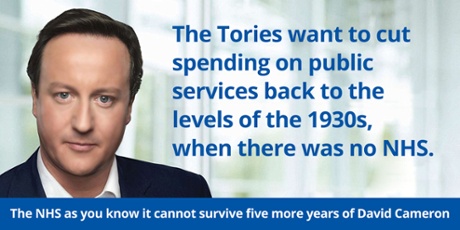
Voters' panel on the new Tory and Labour posters
In the months leading up to the general election our voters’ panel – drawn from across the country and the political spectrum – will be giving their verdict on key events. Today we asked some of them about Labour and the Tories’ opening election posters. PO
Omar Bush, 22, Tory voter, from London, accounting and finance student
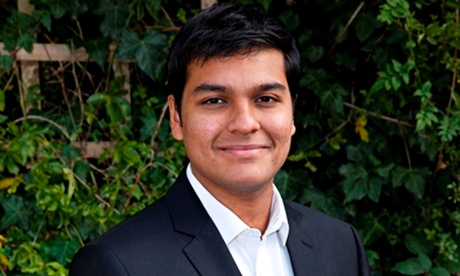
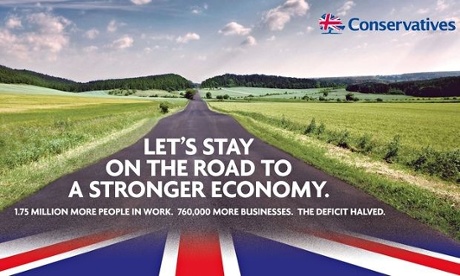
I smiled when I saw the Conservative campaign poster. At the start of the new year, people don’t want to see negativity and this poster symbolises a very strong and positive message. The road and the greenery shows the positive things the Conservative party have done and what they are looking to do, and it helps the message is backed by solid figures: that 1.75m people are in work, there are more businesses and that the deficit has been cut down. So I think the economy has been improving and the Conservatives have done a very good job in regards to it.
If I saw [the Labour] poster in the street I would read it. But I see that the Labour party is already resorting to scaremongering tactics and scaring the public into believing that under Labour you’ll have utopia. The Labour party say there would be no NHS in five years under the Conservatives, but based on Labour’s past performance there would be no British economy in five years under them. They aren’t able to deliver on their promises. So looking at it, what this poster really represents is Ed Miliband has no plan and is clueless, and to be honest from what I’ve seen in the past is the Labour party cannot be trusted.
Interview: Aisha Gani
Aileen McKay, 22, SNP voter, postgraduate from Glasgow

The posters don’t especially feel like a starting gun; more like a couple of party leaders have decided it should be. But coming off the back of the [Scottish independence] referendum, where so much of the debate happened online, images like these will be shared very quickly. The first I saw of the Tory poster was when National Collective [the pro-independence arts organisation] posted something about the German photographer who took the image. Younger people are critically evaluating what they see unfolding in the media.
I can’t imagine any argument that Scottish Labour could make now that would persuade me to vote for them. They have drifted so far to the right that their policies are borderline indistinguishable from more explicitly rightwing parties. I don’t think they can any longer be changed from within having just elected a new leader who reflects that drift.
Interview: Libby Brooks
Liz Kitching, 56, Labour voter, anti-welfare cuts campaigner from Leeds
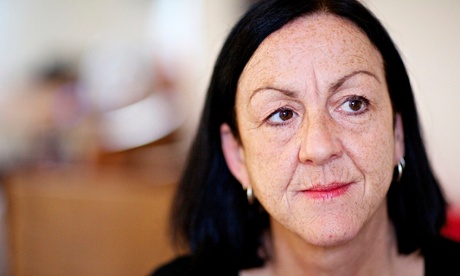
I liked the Labour poster. I’m glad that they’ve done it and I agree with it all, but I think it’s actually not hard-hitting enough. What’s going to happen to the NHS is even more frightening than what the Labour poster indicates. But there will be longer waiting times, spending levels going back to the 1930s and more privatisation. I don’t think Labour are willing to do enough to defend the welfare state because they’ve swallowed this narrative that it’s being abused by people. They have a long way to go to really attack the Tory agenda.
As for the Conservative poster - liars. I have read in several respectable publications that actually they’re lying about cutting the deficit. It’s not a stronger economy, and when they say they’ve created millions of jobs they’re talking about zero-hours contracts and people being pushed off the unemployment figures onto workfare schemes.
Gill Edmonds, 75, Conservative voter, from Cumbria, volunteer
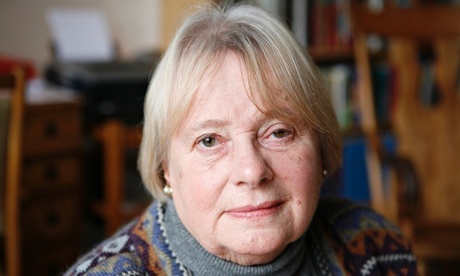
My immediate reaction to the Conservative poster was that it was a very strong, simple message - a road leading to a destination. It gives that good impression of a journey, of sticking with us to sort this economy out. It gave me a positive feeling and an idea of where we are going. I know it sounds silly but it looked almost like a Roman road - a straight road and not veering off the path.
I know that they haven’t reduced the deficit as much as they wanted to but it has been reduced and that’s what matters. They want to be given time to carry on fixing the economy. The economy is the most important issue because everything else falls by the wayside if the economy isn’t fixed.
As far as the Labour poster is concerned, I thought it was very negative. It seemed designed to frighten people. It’s sad because it’s using the NHS as a political football. It wasn’t saying what they were going to do but it was just a knocking poster. I personally wish they could work together for the greater good on the NHS ... I do believe that the Conservatives are as concerned about the NHS as anybody else.
Interviews: Dominic Smith
Bob Peters, 68, Ukip voter, ex-army, owns and runs a bookshop in Rochester
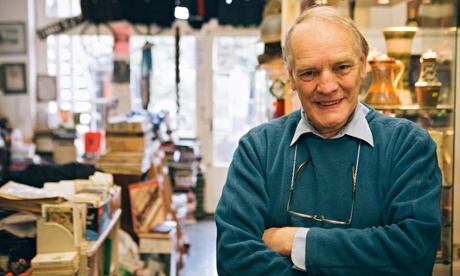
[The Tory poster] doesn’t really convey any energy or really anything about the economy. I would have thought that there should be steel works and motor vehicles in the background, huge factories and the like. That would be where the road to recovery should lead. The use of the union flag is also an old chestnut. I don’t think people care. It sounds good when they say that they have put 1.75 million more people in work and created 760,000 more businesses, but it could just as easily be including someone taking up a bucket and broom and going out to do a spot of cleaning. What’s really behind those numbers? As for halving the deficit, if they had eased off on all the money which we are throwing about around the world in terms of aid then maybe it would be back down to zero.
[On the Labour poster:] I’m not really too impressed again to be honest. I think it’s rather mediocre to say the least. It certainly wouldn’t encourage me to vote Labour at the moment anyway. They are in effect saying that David Cameron would be solely responsibly for the NHS and public spending, when he’s not. It’s the civil servants who do the sums and present the figures to him. They’re trying to make some sort of point but it’s not really clear what they [Labour] would do. It doesn’t seem to be making any effort to talk up the Labour party’s own policies itself. Surely they could have come up with something else than putting his face up there and suggesting that it’s all his fault.
Interview: Ben Quinn
Kelly Turner, 31, floating voter, primary school teacher from Bristol
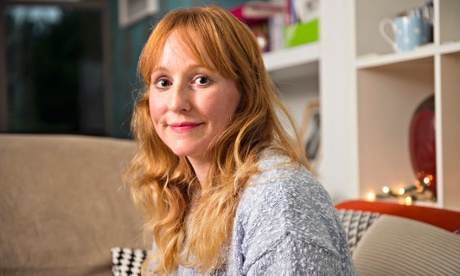
[The Tory poster] didn’t appeal to me. I thought it was ineffective. For me, they are playing with statistics. I find that a bit deceiving. It doesn’t say what the Conservatives are going to do. It’s very broad and non-specific. I think they have played around a bit with their numbers. I don’t believe that the deficit has been cut by half. I think they know that’s not true.
[On the Labour poster:] I’m a bit torn. As a family the health service is really important to us because Alex [Kelly’s husband] is on dialysis. I do worry about the NHS being privatised. This poster gets over the idea that Labour would protect the NHS and I think that’s really effective. They are saying the Conservatives are going to take all this away. It does focus attention on that idea. But I found it frustrating that they are concentrating on the negatives, attacking the Conservatives rather than saying what they are going to provide themselves. It feels very playground, tit-for-tat. That sort of politics frustrates me.
Philip Warren, 62, may vote Lib Dem or Tory, farmer and butcher from Launceston, Cornwall
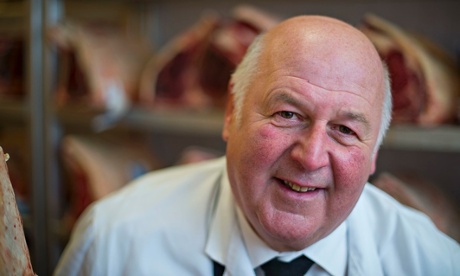
I thought [the Tory poster] was quite a good, simplistic message. You’d be pretty stupid if you can’t pick up on what they are trying to get across. But I don’t know that too many people are swayed by posters. They know whether things are changing without a poster telling them. We’ve heard all this before. Five years ago we knew we were really up against it. I think the ordinary man on the street has taken a fair kicking over the last five years. I don’t think their minds will be changed by this poster. They know what they’ve gone through.
[On the Labour poster:] The NHS is utmost in everybody’s minds. It cheeses people off if they can’t get access to the basic services, if they can’t get to see the doctor. Using Cameron on the poster like this will appeal to Labour voters. I don’t think most people are as easily hog-washed as that. Labour don’t seem to be offering us anything new here. We heard this at the last election and the one before that. I think taking the politics out of the NHS is the best way to go. It’s a ping-pong game at the moment. I’ve talked to my staff about the NHS. They see the number of people in the country as the problem - not that they are not spending enough. They are saying there’s too many people. That’s not being anti-European, anti-whatever, it’s just that there’s not enough services to go around. You’ve got to get rid of the people or spend more. To spend more it’s more tax.
Interviews: Steven Morris
Updated
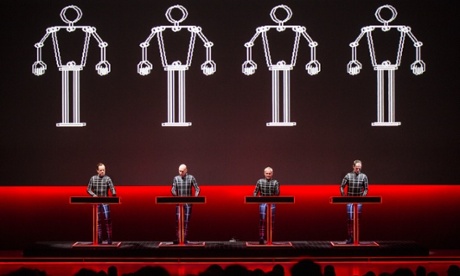
Some wags have claimed that the Javid-Morgan-Osborne-May-Hague line-up at the Tory press conference today resembled a gig by German electro-pioneers Kraftwerk. Perhaps the ministers were attempting some kind of stylistic synergy with their Teutonic road to recovery poster (see earlier). PO
Worst Kraftwerk gig EVER pic.twitter.com/3tXqfx0Uvm
— David Williams (@dwilliamsHSJ) January 5, 2015
Kraftwerk look a bit rough these days. pic.twitter.com/lg1D8289t6
— Pip the Parson (@piptheparson) January 5, 2015
On the World at One Gus O’Donnell, the former Treasury permanent secretary, said it would be a good idea to have an authoritative outside body costing policies for all the political parties. It was unsatisfactory getting the Treasury to do this, he said.
As a former permanent secretary of the Treasury I know that this is officials’ least favourite job of all time. They’ve asked to do this, and let’s be clear, it’s been done by all parties. It’s not a party point I’m making. But it puts officials in a very difficult position, they need to maintain their impartiality. There are still costings on the basis of assumptions provided by the then-special advisors, and that puts them in a very difficult position ... I think if we had one independent body that did it for everybody, on the same basis, that would be far better, more objective, more independent.
I’ve taken the quote from PoliticsHome.
Labour has sent out another note about the Tory document - specifically refuting what it says about policing. Here it is.
Page 49 of the Tory document on Labour’s spending plans allocates £299million of spending to ‘cancel savings in the police budget in 2015/16’ on the basis of what Theresa May said was a quote from Jack Dromey.
The Tory document has three quotes from Jack Dromey – none of them say anything about cancelling planned reductions in the policing budget, which isn’t Labour’s policy.
Labour’s detailed plans to meet the budget already set for 2015/16, while making different choices within it to protect 1,100 officers that would otherwise go, was published last year (pdf).
“Under the Tories’ policies and spending plans, another 1,100 police officers are due to be cut next year alone, with the police warning that many more officers and vital public duties are at risk. This first stage of Labour’s Zero-Based Review of the Home Office shows how Labour plans can make savings to help get the deficit down and prevent 1,100 officers being cut next year.” Zero-based Review – Interim Report: Policing
Tory dossier on Labour spending plans - Verdict from the Twitter commentariat
Here are some of the more interesting tweets I’ve seen from commentators on Twitter on the Tory dossier.
From Tim Montgomerie, the Times columnist and ConservativeHome founder
Labour must change the subject. As long as we're debating who'll take tough (fiscal) decisions the Tories are gaining pic.twitter.com/w7orCCBE01
— Tim Montgomerie ن (@montie) January 5, 2015
From Newsnight’s Chris Cook
HMT senior official: "It's fair to say that opposition costings are not given the same care as real ones..." (1/2)
— Chris Cook (@xtophercook) January 5, 2015
HMT official: "Which is to say, I do not think paying attention to them is a terribly good use of your time." (2/2)
— Chris Cook (@xtophercook) January 5, 2015
From Sam Freedman, a former adviser to Michael Gove
At the last election I spent hours and hours working on these spending pledge dossiers. I now realise no one gave a ****.
— Sam Freedman (@Samfr) January 5, 2015
From Peter Preston, the former Guardian editor
A trusted Fact Squad is going to be even more vital for this election...
— Peter Preston (@PJPrest) January 5, 2015
From the Sunday Times’s David Smith
This expression "dodgy dossier" seems strangely familiar.
— David Smith (@dsmitheconomics) January 5, 2015
From Andrew Harrop, the Fabian Society general secretary
Tories just don't get how Labour does policy - if it'aint approved by National Policy Forum it's not a funding commitment
— Andrew Harrop (@andrew_harrop) January 5, 2015
From the Economist’s Jeremy Cliffe
Osborne would be mad to let the OBR audit Labour's spending plans: they would probably get a clean bill of health.
— Jeremy Cliffe (@JeremyCliffe) January 5, 2015
From the Evening Standard’s Joe Murphy
This Tory "dossier" will put Ed Miliband under real pressure to clarify his priorities. http://t.co/s1ta6IAtmZ
— Joe Murphy (@JoeMurphyLondon) January 5, 2015
From Owen Barder, a former Treasury civil servant
I was once the Treasury official responsible for costing opposition spending policies. It isn't a pretty sight.
— Owen Barder (@owenbarder) January 5, 2015
The Treasury won’t be costing Lib Dem spending plans.
Asked if Tory party were going to do similar costing analysis of LibDems plans, Treasury source replies, with a smile, "No:
— Paul Waugh (@paulwaugh) January 5, 2015
Summary
Here’s a summary of today’s key events so far.
• The Tories, Labour and the Liberal Democrats have launched their election campaigns in the run-up to 7 May with a series of speeches and press conferences.
- Ed Miliband defended his claims the NHS would not survive a Tory victory, saying there was “real fear” among health service staff about what would happen if the Conservatives remained in power.
- The Tories released a document they claimed showed black holes in Labour’s spending plans. Pressed on this by the media, Tory ministers admitted that many of the so-called spending commitments were actually just based on statements Labour figures had made criticising cuts. Ahead of the Tory event, Miliband said Labour had no unfunded spending commitments.
- Nick Clegg presented his Lib Dem party as being in the centre ground, saying he could offer a spine to a Labour government and a heart to a Tory one if they would form another coalition with him. He also refused to rule out coalition with Ukip, although he made it clear that was unlikely. And he said his party was the only one able to meet “in full” the £8bn a year extra the head of the NHS has said will be necessary by 2019-20.
- Miliband said he would campaign in Sheffield Hallam to try to unseat Nick Clegg, and Clegg said he would campaign in Gordon to try to prevent SNP leader Alex Salmond winning a seat. PO
Updated
Balls says Tory costings document is "riddled with untruths"
Ed Balls, the shadow chancellor, has issued a response to the Tory costings document. He says it is “riddled with untruths and errors on every page”.
He provides five examples of flaws in it. Here’s one.
They say we will reverse over £5 billion of cuts they have made in 2015/16 - but we have been explicit that we won’t: “We won’t be able to reverse all the spending cuts and tax rises that the Tories have pushed through. We will have to govern with less money, which means the next Labour government will have to make cuts too…. The government’s day-to-day spending totals for 2015/16 will be our starting point. There will be no more borrowing for day-to-day spending. Any changes to the current spending plans for that year will be fully-funded and set out in advance in our manifesto.” Ed Balls, speech to Fabian Society Annual Conference, 24 January 2014
Osborne's press conference - Snap verdict
I’ve headlined it Osborne’s press conference because that’s what it felt like. The others hardly got a look in. After this, no one is going to be in any doubt as to who is running the Tory election campaign.
Still, the line up was interesting, for two reasons. First, it showed us (presumably) who are the members of the Conservative party’s A team - the ones who will get the main media slots between now and May 7. And it is intriguing that Labour, which does not have a popular leader, chose to showcase him today, while the Conservatives, whose leader is more popular than their party, kept theirs indoors.
But on to the substance. What do we make of the 82-page document claiming to have uncovered unfunded Labour spending pledges for 2015-16 worth £20.7bn? This was one of those press conferences where the questions were almost more interesting than the answers and the journalists here clearly thought that it was nonsense. ITV’s Tom Bradby said it was nonsense. (See 12.27pm.) The BBC’s Nick Robinson and Channel 4 News’s Gary Gibbon were also forthright, and the Evening Standard’s Joe Murphy made the very sound point that, in the light of Osborne’s £50bn deficit reduction undershoot, £20bn is small beer anyway.
Exercises that involve governments costing opposition policies are always fairly nebulous and, despite the glossy burgundy cover (see 12.07pm) that makes this look a bit like an official Treasury document, this one is no exception. We will publish a more considered analysis of it later, but there are three questionable tricks that Osborne has used to get his number as high as he can. First, he has got Treasury officials to make worst-case assumptions about how much Labour plans will cost (which is why some of their costings are so much higher than Labour official ones.) Second, he has put a 2015-16 timetable on policies that don’t have a timetable. And, third, he has assumed that any policies that Labour has criticised they would cancel. That’s unfair; I often complain about the weather, but that does not mean I expect to change it.
And yet ... who said winning elections was all about being fair? A cursory knowledge of electoral history shows that campaigns don’t have to be reasonable to be effective, and Osborne’s knowledge of this area is formidable. He didn’t seem to bothered by the reaction from Messrs Bradby, Robinson et el. The Tories intend to fight the election by scaring people into thinking that Labour would put up their taxes, and today Osborne sounded like someone who felt he had started the job rather satisfactorily. AS
Updated
Nick Clegg's press conference
It’s been a packed political schedule so far today and deputy prime minister Nick Clegg’s press conference clashed directly with the Tories’ event attacking Labour’s financial plans.
My colleague Frances Perraudin went along to see Clegg.
As was briefed to the press in advance, the Lib Dem leader claimed voters needed to back his party if they wanted another coalition. Presenting the Lib Dems as the occupants of the centre ground, he said the Conservatives were like mobile phone salesmen who signed you up to a contract then cut the number of calls you could make, while Labour was like an ex leaving late-night voicemails asking for one more chance.
Clegg said the Liberal Democrats could provide “spine” to a Labour government and “heart” to a Tory government. He also said the Lib Dems would ensure the NHS had the full funding that it needed, saying his party was the only one able to meet “in full” the £8bn a year extra the head of the NHS has said will be necessary by 2019-20.
Lib Dems would provide "spine" to a Lab government and "heart" to a Tory government, says Clegg.
— Frances Perraudin (@fperraudin) January 5, 2015
Clegg goes a bit Wizard of Oz and says, in coalition, the Lib Dems could provide a heart to the Conservatives, and a spine to Labour.
— Jamie Ross (@JamieRoss7) January 5, 2015
He also refused to rule out going into coalition with Ukip, although he said he could not see any meeting point between them and said Nigel Farage represented everything he opposed.
Clegg says he can't see any meeting place between Ukip and Libs. Says Farage represents opposite of him. But no ruling out of coalition.
— Frances Perraudin (@fperraudin) January 5, 2015
At Ed Miliband’s press conference earlier, Miliband was asked if he would campaign in Sheffield Hallam in order to unseat Clegg. He laughed and said: “Sheffield is very close to Doncaster where I’m an MP so I’m sure I can find time to come and visit.”
Similarly, at Clegg’s press conference the Lib Dem leader said he would aim to go to the seat of Gordon to campaign to prevent former Scottish first minister Alex Salmond getting back into the House of Commons.
He said Salmond was taking the people of the constituency for granted in a bid to “strut his stuff on the Westminster stage”.
Nick Clegg also accuses Alex Salmond of "arrogance" - and says he hopes to personally campaign against him in Gordon
— Kate Devlin (@_katedevlin) January 5, 2015
The Lib Dems will cause the upset of the Election and beat Alex Salmond in Gordon, Nick Clegg has just vowed
— steve hawkes (@steve_hawkes) January 5, 2015
Here’s some more Twitter coverage of Clegg’s press conference ... PO
Clegg says his biggest regret is not having done enough to explain to people why Lib Dems had to make big cuts or how bad economy was.
— Paul Brand (@PaulBrandITV) January 5, 2015
Clegg says an SNP/Lab coalition would be "mayhem" as Labour would have to beg for help from "a rag tag bunch of nationalists".
— Jamie Ross (@JamieRoss7) January 5, 2015
Clegg now accusing Cameron of playing footsie with Ukip. He's clearly had an exciting Christmas.
— Isabel Hardman (@IsabelHardman) January 5, 2015
Updated
Tory claims about Labour spending - Larry Elliott's snap analysis
My colleague Larry Elliott, the Guardian economics editor, was at the Tory press conference. He has sent me his snap reaction.
There are three reasons to treat the Tory attack on Labour’s spending proposals with a large pinch of salt. First it lumps together every aspiration as if it is a cast-iron promise. Second, it assumes that Labour would implement its plans instantly. And, third, George Osborne’s critique is unsupported by the Institute for Fiscal Studies - always seen as the ultimate judge on tax and spending matters.
Q: [From the Evening Standard’s Joe Murphy] £21bn sounds big. But your deficit reduction plans are out by £50bn. Can you really describe this as chaos?
Osborne says the choice is between a competent Conservative team, and the “chaos” all the others are offering.
That’s it. The press conference is over.
I’ll post a summary soon.
Q: [To William Hague, who is in charge of English votes for English laws.] Isn’t English nationalism the ally of Scottish nationalism?
Hague says constitutional change is something for the whole of the UK. But the government also has to ensure that England is treated fairly. That is what the government is promoting.
Q: [From the Telegraph’s Christopher Hope] It is unusual to see so many ministers at a press conference. It looks like a leadership hustings. Can you each say why you would be a good leader?
Osborne says they are all united. He does not let anyone else reply.
Q: You did not answer the OBR question. So why won’t you let them audit Labour’s plans?
Osborne says the Tories proposed the OBR, and Labour opposed it.
The OBR brought in an external reviewer last year. The review concluded that it was not right to let the OBR audit opposition spending plans now. But this can be looked at in the next parliament, he says.
He says the government followed the OBR’s advice.
Q: If unfunded commitments are so bad, will you set out how you will fund your £7bn tax cuts?
Osborne says he has set out plans for overall spending limits. And the party’s record shows that it has been able to cut spending.
Q: Why not allow the OBR to audit Labour’s proposals?
Osborne says the Labour party are kicking of the year complaining about Tory spending plans. They cannot have it both ways. They cannot complain about the plans, but then argue they would not reverse them. It does not add up politically, let alone economically.
He does not address the OBR point directly.
Here is some more Labour rebuttal.
p.44 of Tory dossier says Labour will cancel cuts to the arts budget. We won't.
— Labour Press Team (@labourpress) January 5, 2015
Sajid Javid butts in. Osborne has been hogging all the answers until now.
Javid points out that, in the arts world, people expect Labour to reverse coalition cuts.
Updated
Q: [From ITV’s Gary Gibbon] Labour just say they want to make cycling safer. But you now say this costs £63m. The document is full of examples like this. For Labour to criticise a cut is not the same as promising to reverse it.
Osborne say the Tories have applied a reasonableness test. If people hear Labour criticise a cut, they will assume Labour would reverse it.
Q: [From ITV’s Tom Bradby] You have taken every idle comment from Labour and turned it into a policy commitment. That makes it nonsense, doesn’t it?
No, says Osborne.
He says most of the examples come from Labour announcements that were very considered.
For example, today Ed Miliband made announcements covering three areas. New costings are out today showing these would cost £2.3bn.
The ministers are taking questions now.
Q: [From the BBC’s Nick Robinson] The document says Labour will reverse council cuts. Where is the evidence for this? It is not in the document.
Osborne says the Tories have applied a “reasonableness” test. Would people listening to Labour expect them to reverse the council cuts? Yes, he argues, because Labour figures have attacked the cuts so strongly in general terms.
Q: Are you still fighting each other for the leadership?
Osborne says in the Conservative party, unlike in Labour, their leader is one of their strongest assets.
The Labour party has already started rebutting the Tory claims.
Tories say it's our policy to ban food waste from landfill - it's not our policy. Not agreed at NPF in July 2014, not in NPF document.
— Labour Press Team (@labourpress) January 5, 2015
On Twitter Tory Treasury responded. And Labour hit back.
. @labourpress first Labour commitment ditched within minutes. Total chaos
— Tory Treasury (@ToryTreasury) January 5, 2015
(In the era of Twitter, even if you’re at the press conference, as I am, it’s a struggle to keep up.)
Sajid Javid, the culture secretary, says Ed Miliband and Ed Balls promise competence, but would deliver chaos. They were both advisers to Gordon Brown when he allowed the government to borrow from 2002 when the economy was doing well.
Nicky Morgan, the education secretary, goes next.
Education spending has become more effective, she says. Since 2010, 1m more children are being educated in good or outstanding schools.
Labour’s unfunded education promises would cost £2.9bn in 2015-16, she says.
For example, Tristram Hunt, the shadow education secretary, wants to require all teachers to be qualified. This would cost £885m over the course of the next parliament, she says.
Theresa May, the home secretary, is speaking now.
She says Labour has unfunded spending pledges worth around £1bn in home affairs and justice.
They have not learnt, she says. That is why Miliband and Balls would return Britain to “economic chaos”.
William Hague, the leader of the Commons, is speaking now.
He says Ed Miliband and Ed Balls promised iron discipline. But their colleagues have made spending promises worth £23.2bn. They have only proposed measures to raise £2.5bn in revenue. So there is a shortfall of £20.7bn.
As an example, Hague cites Labour’s plan to ban food waste from landfill. This would reduce revenue from landfill tax, he says.
And Labour’s plans to increase access to GPs would not cost £100m, as Andy Burnham said, but 10 times that much, he says.
Body language. pic.twitter.com/BaSmllq5xf
— Harry Cole (@MrHarryCole) January 5, 2015
Osborne says the Tories have identified cuts worth £13.6bn. But today’s document shows that Labour has unfunded commitments worth £20.7bn, he says.
This means Labour would have to borrow £1,200 more per household.
Osborne says his colleagues will give some details.
But he is making a wider argument, he says; Labour does not have the discipline to control spending.
Conservative press conference
The Conservative ministers have arrived.
George Osborne, the chancellor, starts by talking about the “there’s no money left” note left by Labour’s chief secretary to the Treasury in 2010, Liam Byrne.
It was a light-hearted note. But there was nothing funny about the state of the economy, he says.
Now we are on the road to a stronger economy, he says.
That requires fiscal discipline.
Osborne says making spending commitments is “the easiest thing in the world”. But they are made with borrowed money.
Here’s the document the Conservatives have released.
And the 82 page Tory document on Labour's supposed unfunded spending commitments pic.twitter.com/ZsCcafjPTJ
— AndrewSparrow (@AndrewSparrow) January 5, 2015
Updated
I’m at the Conservative press conference.
At the Tory press conference at Milbank Tower pic.twitter.com/4XiGQ85Lqm
— AndrewSparrow (@AndrewSparrow) January 5, 2015
Miliband's speech - Snap verdict
Snap verdict: Ed Miliband’s speech was a neat summary of Labour’s key messages, but, in news terms, rather dull, because the only newsy element was the 4m conversations target. His best argument was on Europe, where he rather skilfully responded to the Tory claim about Labour’s plans bringing “chaos”. But, as Norman Smith pointed out, his assertion that the NHS as we know it “just won’t be there” after five years of the Tories was not credible. Worse? Quite possibly. Different? Definitely. But a free at the point of delivery NHS no longer in existence? That one is very hard to believe. AS
Updated
Q: How can you tackle the deficit if there is no overall majority? Won’t there have to be a coalition?
Miliband says the journalist is getting ahead of himself. Nick Clegg says the nation needs another coalition. That is not what most people think. He says he is working for an overall majority.
He repeats the point about Labour going out to have 4m conversations. The Tories cannot do this because they are a “virtual party”, he says.
Miliband is now trying to take a question from a journalist, but he can’t see them properly because they are all at the back.
Eventually he identifies the Guardian’s Patrick Wintour.
Q: What will you do about tuition fees?
Watch this space, says Miliband. He is not going to make the kind of mistake Nick Clegg made. He will say more about this later, he says.
Updated
Miliband confirms that he will get rid of the bedroom tax.
(That’s in response to a question from a party member. This isn’t a press conference, but a party event where Miliband is also taking questions from the press.)
Q: [From the BBC’s Norman Smith] You have attacked the Tories for going negative. But aren’t you going negative on the NHS? You say it will be unrecognisable in five years’ time. But Cameron has promised to ringfence its budget.
There is some jeering from party members at this question.
Miliband says the Tories did not challenge the facts about declining standards set out in Labour’s document at the end of last week. Talk to people in the NHS, he says.
In the NHS, amongst staff, there is “real fear” about what will happen to the NHS, he says.
Updated
Miliband's Q&A
Miliband is now taking questions.
Q: What would you do differently to bring peace in the Middle East. And would you recognise Palestine as a state?
Miliband says Britain is best when it engages in the world. On Palestine, he says Labour voted in the Commons recently in favour of recognising Palestine.
Miliband says the election is really about who we are as a nation.
This is nothing less than a once in a generation fight about who our country works for.
It is a choice between a Tory plan where only a few at the top can succeed and our public services are threatened.
Or a Labour plan that puts working people first, deals with the deficit and protects our NHS.
Pessimists will argue that change is impossible, he says. But that is not true, he says. He concludes by citing the example of the post-war generation as an example.
It is seventy years this year since Britain won the Second World War and went on to win the peace.
Think about what they were facing.
That generation didn’t sit back and put up with what it had seen before.
With the dark days of the depression.
The negativity that said there was no other way.
Instead, they started to rebuild.
Miliband turns to immigration. He is the son of immigrants, he says.
For generations, hard-working immigrants, eager to make their way, have helped build our country.
But this party will never again dismiss people’s concerns about immigration.
Britain should not—cannot— close ourselves off from those who can contribute to our economy and our country.
But people want to know that there are fair rules.
Miliband accuses Cameron of playing risky games with Europe.
I understand the politics that has led the Prime Minister to play risky irresponsible games on the European Union, allowing his party to drift towards exit.
But I won’t.
If you want to know what chaos and a threat to prosperity looks like, just imagine a Tory government riven apart after the next election on Europe.
We must demand reform from Europe—a European Union that works better for Britain.
But make no mistake: exit from the EU would be a dramatic mistake for our country and our economy.
So, whatever the politics, I will not join those who cynically offer exit as a realistic plan for our future or the future of Britain’s working families.
This is a response to the Tory claim that a Labour government would lead to economic “chaos”.
Miliband is now running through some Labour commitments. They’re all ones that have been well trailed before, including: raising the minimum wage to £8 an hour, cutting business rates for small firms, and increasing the availability of apprenticeships.
Banks and energy companies will be forced to be more competitive, he says.
No more broken markets that work for a few but undermine our economy.
He reaffirms Labour’s commitment to giving patients the right to a GP appointment within 48 hours, one-week waits for cancer tests, a £2.5bn time to care fund for the NHS and the mansion tax.
And he pledges that Labour would cut the deficit.
Ours is a plan to cut the deficit every year and balance the books as soon as possible in the next parliament.
And until that happens it does mean, outside protected areas, spending will be falling, not rising, department by department.
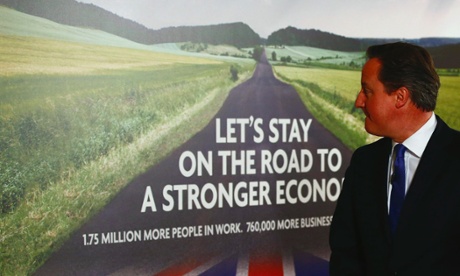
Miliband mocks the campaign poster unveiled by the Conservatives last week.
And what is their plan for the next five years?
We learnt that on Friday.
More of the same.
Keep driving along the road to nowhere.
But press down on the accelerator.
Updated
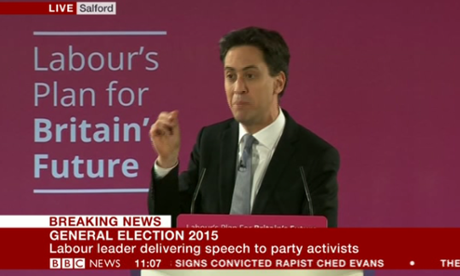
Miliband says Cameron thinks his government has been a success. Millionaires have reaped huge benefits. Yet people are worse off, the use of zero-hours contracts has exploded, energy bills have gone up and tuition fees have trebled.
And he turns to the NHS.
The Tories have damaged the NHS in these five years.
Give them five more and the NHS as we know it just won’t be there.
David Cameron also promised to eliminate the deficit by 2015. But 2015 is here, and the deficit is still here too.
Miliband presents the election as a choice between two visions.
A Tory plan that believes we can succeed with just a few at the top doing well.
Or a plan – Labour’s plan for Britain’s future - that puts working people first.
Miliband explains how Labour will win the election.
We will win this election, not by buying up thousands of poster sites, but by having millions of conversations.
I am going to be leading those conversations in village halls, community centres, workplaces right across the country, starting this very week and every week from now until the election.
I want you to be doing the same.
This year we will be making our case, explaining our vision, house by house, street by street, town by town.
Our campaign is setting the goal of holding four million conversations with people in just four months about how we change our country.
That is almost twice the number we’ve ever done before.
It is more than any British political party has ever done before.
Updated
Ed Miliband's speech
Ed Miliband is speaking in Salford now.
He starts by thanking the people who spoke ahead of him.
Each of them remind us that we’re here not just to fly the flag of our Party, because in 2015, a victory for our Party is not nearly enough.
We’re fighting for something much bigger.
We’re fighting for a Britain where every day working people are properly rewarded once again.
We’re fighting for a Britain where every young person, whatever their background, can begin their working lives with a future that promises to be better, not worse, than their parents’.
Ed Miliband is about to speak at the Labour event in Salford.
Before he arrived at the platform, there were various endorsements from non-politicians.
Miliband will have some endorsers at his big Salford campaign launch - businessmen, a student, a hard pressed family, a GP, people like you
— Patrick Wintour (@patrickwintour) January 5, 2015
The Times’s Michael Savage has been tweeting from Salford. It sounds as if he has had enough of the election already.
Many Shadow Cabinet folk up in Manchester for Ed Miliband's speech today. Prepare for a day of election waffle... pic.twitter.com/oDG9XFb9aX
— Michael Savage (@michaelsavage) January 5, 2015
It is not all electioneering today. In the Commons Jeremy Hunt, the health secretary, is making a statement on Ebola.
One Statement confirmed in @HouseofCommons : UK Ebola Preparedness @Jeremy_Hunt and @andyburnhammp
— Labour Whips (@labourwhips) January 5, 2015
The Independent on Sunday asked leading pollsters who they thought would win the election and published the results yesterday. Most thought Labour would be narrowly ahead.
But Politics Live readers are a more sophisticated bunch. On Friday, on the readers’ edition blog, HerbertStoat invited readers to predict the answers to nine questions, not just one. The responses were interesting, but it was a quiet Friday and so it is worth repeating the exercise today.
Here are the nine questions.
1. Election result
Lab Majority, Tory majority. Hung?
2. What lead in seats over the other main party does Labour or the Tories have
3. Number of Lib Dem seats?
4. Number of SNP seats?
5. Number of Ukip seats?
6. Number of Green seats?
7. Percentage of votes?
8. Leader of each main party by year end?
9. How many elections in year?
Do please respond below the line. I’ll produce a summary of the answers later. AS
My colleague Robert Hutton is at the Miliband event in Salford.
At Miliband rally in Salford, someone just made an inaudible announcement. "Move to the centre, so people can hear you," came the shout.
— Robert Hutton (@RobDotHutton) January 5, 2015
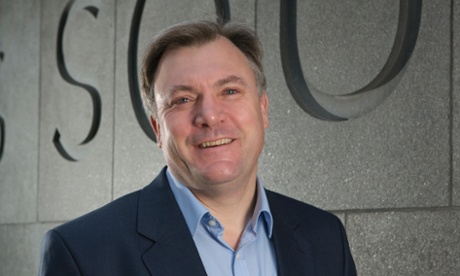
Here is more from the Conservatives on their claim that Labour has unfunded spending commitments worth £20.7bn. This is from a party spokesman.
What we set out today is the alternative from the Labour Party, which involves 20.7 billion of unfunded spending commitments. These are spending commitments made by the Labour Party since they said they were exercising ‘iron discipline’. They are commitments for the year 2015/16 alone - the sums mount up beyond that.
And these commitments have been costed, many for the first time, by Treasury officials under the established opposition costing procedure.
The evidence produced shows that Labour Party have not demonstrated the fiscal discipline or economic competence that earns an opposition the credibility to form a government. The evidence shows they are a risk to economic recovery.
The Conservatives will publish a document with more details at their news conferences.
These exercises are quite standard during an election. But the key issue is whether the “spending commitment” they’ve identified are real spending commitments. What normally happens is that party A notices that Joe Who, an obscure frontbench spokesman for party B, told Radio Cumbria late on Friday night that, for example, mental health services in prisons need to be improved. Party A then interprets that as a cast-iron promise, finds out how much it would cost to run a Rolls-Royce service and, hey presto, you’ve got a £500m spending commitment.
Parties in government can use the Treasury to provide figures. Yesterday Ed Balls, the shadow chancellor, wrote to Sir Nick Macpherson, the permanent secretary at the Treasury, complaining about this process. Here’s an extract from his letter.
Unfortunately, the current process set out in the Ministerial Code, where officials carry out costings based on assumptions provided by Special Advisers, is now putting HM Treasury officials in an impossible position owing to Conservative advisers consistently providing blatantly false and politically motivated assumptions. Just this weekend, they have used figures based on false assumptions about Labour’s fiscal plans.
The current process also fails to specify the scale of unfunded commitments made by the Conservatives and Liberal Democrats. As the Institute for Fiscal Studies (IFS) said in their recent briefing note ‘Fiscal aims and austerity: the parties’ plans compared’, the Conservatives and Liberal Democrats have made unfunded commitments, while Labour has been the most cautious of the three and has not announced an overall net giveaway in its policy announcements – in other words, we have not made unfunded commitments.
HM Treasury’s process for carrying out party policy costings therefore now needs to be urgently reformed so that the public are not misled. I am therefore proposing that:
- HM Treasury officials should cost every spending and tax manifesto proposal of the main parties. The cost of the unfunded proposals made by the Conservatives and Liberal Democrats could then be accurately assessed;
- This process should involve the parties themselves clarifying their policies, and I would like to offer my help in ensuring that up-to-date and correct assumptions about Labour policies are used when HM Treasury officials are requested to cost them.
In this way we can ensure that HM Treasury officials are not put in an impossible position of having to use blatantly false assumptions provided by Conservative advisers in their work, we can avoid further false claims about Labour policies entering the public domain, and we can ensure that the public can accurately assess the proposals of all the main political parties.
Balls has also called for the Office for Budget Responsibility to be allowed to cost opposition policies, but George Osborne has blocked this.
The Labour MP Alison McGovern has arrived in Salford where the Miliband speech is taking place.
Morning, Salford http://t.co/1LaTsZ9uAZ
— Alison McGovern (@Alison_McGovern) January 5, 2015
The papers have kicked off their own general election campaigns today too – even while the Christmas decorations are still up, as the Daily Mail’s Quentin Letts points out.
Letts was watching David Cameron on the BBC’s Andrew Marr Show on Sunday.
The occasional Cameron tetchiness came out only when Marr asked him if his Cabinet colleagues supported him and Mr Cameron finally realised he was referring to dotty Vince Cable and a couple of other Lib Dems. The PM: ‘Oh, THOSE Cabinet colleagues!’
An almost embarrassed laugh. And then quickly, and just a little flash of peevishness: ‘They have to find some way of becoming relevant and saying something interesting.’
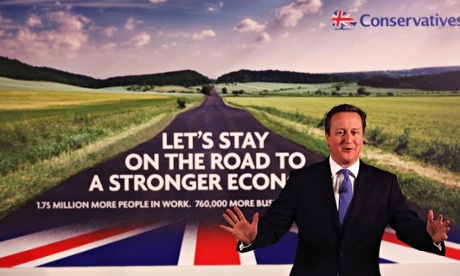
The paper also reports on the Tories’ much-mocked “road to a stronger economy” campaign poster.
There had been suggestions that the road used by the Conservatives in the advert – intended to indicate the path back to economic prosperity – had looked “a bit French”, but the Mail claims to have discovered the real road used for the photograph – and it’s in Germany.
Tory spin doctors at least had the sense to remove the cracks and potholes in the original image, but George Osborne’s claim that it was ‘a British picture, a British road’ has left the Chancellor with some explaining to do.
The Times reports that “more than 1.5m people who are not British nationals will have the power to swing the general election” because “people from Ireland and the Commonwealth who live in the UK are given voting rights”.
In the Sun, Labour MP John Mann advises his leader Ed Miliband to “ignore the policy wonks and go for a ride in a white Transit van. You are seated slightly higher up and get a better view of the world.”

The paper also reports that David Cameron celebrated new year at a “boozy bash” hosted by Blur bassist Alex James.
At one point the 48-year-old premier ended up in a battle with Alex over whether or not he should sing karaoke.
In the Independent, shadow justice secretary Sadiq Khan says the political parties are neglecting the concerns of the young in favour of those of older people, who they know will vote. Making suggestions to attract younger voters, he writes:
Why can’t you vote by the web? Why can’t you have same-day registration?“You can get a mortgage in a day – why can’t you do the same with voting registration? If the concern is fraud, we can address that.
The Financial Times urges its readers to look on the bright side.
You would never guess from the mood of the country, but Britain enters 2015 as an international success story. The economy is a haven of growth and job creation in Europe. The existential question of Scottish independence was resolved smoothly at the ballot box. Real incomes are rising at last and, if fiscal consolidation has stalled, it is not because of any popular revolt against austerity. This is a grown-up country making its way in trying global circumstances.
Yet the spirit of the day, the paper laments, is “all angst and rancour”.
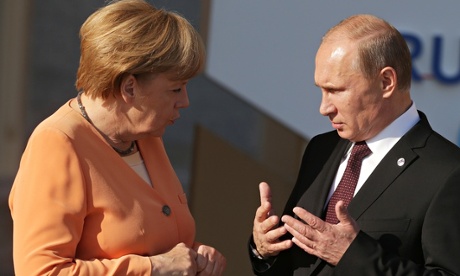
In the Daily Telegraph, Daniel Johnson looks ahead to Angela Merkel’s visit to Britain this week, and makes the case that the biggest issue for David Cameron and the German chancellor ought to be Vladimir Putin rather than Britain’s proposed renegotiation of its EU membership. “The prime minister should listen carefully to Mrs Merkel on the subject of Putin, because she probably knows this most unpredictable of men better than anyone else in the west.”
You can read all today’s Guardian politics stories here. And all the politics stories filed yesterday, including some in today’s paper, are here.
As for the rest of the papers, here’s the PoliticsHome list of top 10 political must-reads, and here is the ConservativeHome round-up of all today’s political stories. PO
Updated
Just a reminder ...
#UKGENERALELECTION2015 122 DAYS TO GO
— General Election (@UKELECTIONS2015) January 5, 2015
Updated
Ed Miliband's morning interviews - Summary
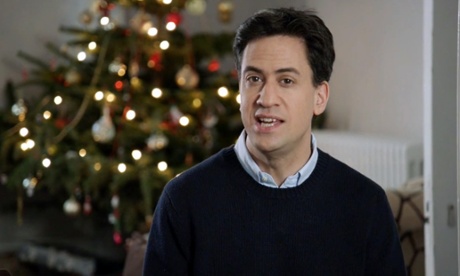
Ed Miliband was on Radio 5 Live and BBC Breakfast this morning ahead of his speech in Salford. Here are the key points. I’ve taken the quotes from PoliticsHome and the Press Association.
-
Miliband said the Conservative party claim - to be fleshed out at the press conference later - that Labour has unfunded spending commitments worth £20.7bn was “total nonsense”. Labour had no unfunded spending commitments, he said.
That is total nonsense ... And let me just be absolutely clear about this, the Institute for Fiscal Studies, a respected body, said we’d been the most cautious in making spending commitments. And we said something that no political party had ever said before: we want the Office for Budget Responsibility to do an audit of our manifesto.
There will be no unfunded commitment in our manifesto, nothing that won’t be paid for either from tax changes or from spending reductions elsewhere. That is a cast-iron commitment from me as leader of the Labour party and from Ed Balls as shadow chancellor.
Miliband said it was the Tories who were “spraying around all kinds of unfunded commitments, including £7bn on tax”.
- He said the Tory claims showed that David Cameron was insincere when he promised on Friday to run a positive campaign.
-
Miliband played down prospects of Labour forming a coalition, suggesting coalition governments were bad in principle because they allowed parties to break their promises. This came when he was asked about potential coalition deals after May. He said he wanted to run a majority government.
I’ve got a very old-fashioned view on this, which is I want a majority Labour government. You’ve got Nick Clegg today saying ‘we need more coalition government in this country’; now, I actually take a different view. I think the way this government has run itself, coalition government has become an excuse for each side breaking their promises, frankly.
Pressed on this, he said a coalition was “best to be avoided”.
- He rejected claims he had been told not to campaign in Scotland. He would be going to Scotland “very soon”, he said.
-
He insisted that Labour was rooted in the centre ground.
We’re a party firmly in the centre ground of politics and this is where I think the centre ground is: I think people want a society where people, yes, who do well are properly rewarded but also where there is fairness and that everyone who works hard is properly rewarded.
- He claimed that Tony Blair was “totally misrepresented” when he was reported as warning that Labour would lose if it did not move towards the centre.
- He said he wanted to cut immigration, but he refused to set a target for this. “I think if there’s one thing we learnt about immigration it’s that people want straight talk, not false promises and I’m not going to propose false promises or false solutions,” he said.
- He said it would be impossible to protect the NHS under Tory plans.
The Tories are saying that they want to go back to 1930s levels of public spending as a share of our national income, that’s levels of national income not seen for 80 years or so in our country. I don’t believe you can protect the NHS with that kind of plan. It’s extreme, it’s ideological and I think it will be really bad and damaging for our public services.
Updated
Happy New Year everyone.
And we’re off. At least we’re not going to have to read any more articles about a certain event marking the firing of the “starting gun” for the 2015 general election campaign. Without doubt, the trigger has been pulled. All the caps have been used up.
David Cameron and Ed Miliband have both described this as the most important election for a generation. That may be true (it depends on how much importance you attach to certain policy issues), but it’s also guff, because it’s what politicians say at every general election. That even applied in 2001, now seen as one of the most inconsequential of recent elections, but at the time depicted by William Hague as a life-or-death contest about whether Britain would join the euro.
Even without the rhetoric, though, there are some solid reasons why this is going to be a remarkable general election. Here are eight of them.
1 - It is the first election in modern times where it is widely expected that no party will win an overall majority.
2 - It is also the first election in modern times where there is a real chance that the largest party won’t be able to form a majority government even if it forms a coalition with the third largest party.
3 - It is the first election since the modern party system evolved likely to see the Conservatives, Labour and Liberals getting less than 85% of the votes. On current polling, other parties could even get more than 20% of the vote.
4 - It is the first election for more than 20 years likely to see the Lib Dems get fewer than 40 seats.
5 - It is the first Westminster election where the SNP has a good chance of winning in Scotland.
6 - The result could hasten the fragmentation of the United Kingdom.
7 - It is the first election for more than 40 years where there is a strong chance of the party winning most votes not winning the most seats. This issue has affected minor parties recently; for example, in 2010 Ukip and the BNP, which did not win a seat, both got more votes than the Greens, who did. But this is also an election where ...
8 - This could be the first Westminster election where Ukip comes third in terms of votes - even though the Lib Dems are almost certain to get more seats.
No one can be sure, but it seems possible that by 2030 we could see an election to Westminster that doesn’t involve the Conservatives and Labour being the two largest parties. If the two-party system does break up in that way, this election will be a landmark on the route towards that.
It is also, of course, important for all the reasons that elections are always crucial to our future. From 2015 to 2020, the future of public spending, the NHS and Britain’s role in the EU, to cite just three issues, will vary enormously depending on whether David Cameron or Ed Miliband is prime minister.
Today’s we’ve got three key general election campaign events. They are:
10.30am: Ed Miliband’s speech in Manchester.
11.45am: Nick Clegg’s press conference.
12pm: A Conservative party conference, featuring William Hague, George Osborne, Theresa May, Nicky Morgan and Sajid Javid.
I’m Andrew Sparrow (AS) and I will be writing the blog today with Paul Owen (PO). Where it matters, we will use initials to show how has written each post. If you want to follow us on Twitter, I’m on @AndrewSparrow and Paul is on @PaulTOwen.