
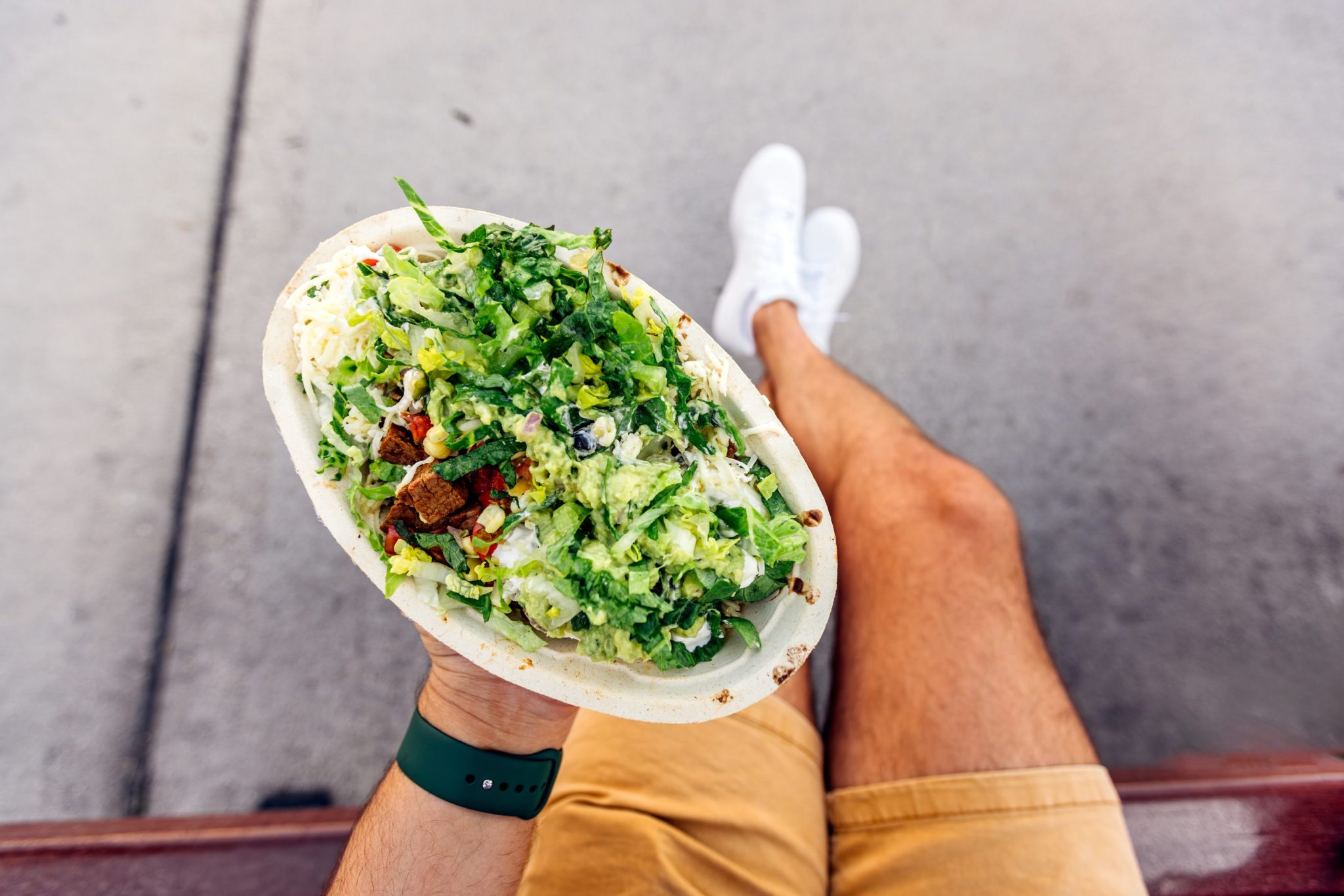
Gen Z consumers, born between 1997 and 2012, are having the cultural moment every generation eventually gets: deciding what’s in and what’s fundamentally uncool. The generation has become known for a long list of defining traits that can be hard to keep up with: they drink less, are more open to trade careers, love thrifting and embrace wholesome, analog hobbies. Some commentators have even suggested Gen Z could be the generation that brings down the fast casual sector, the category defined by customizable bowls, build-your-own meals and early pioneers like Chipotle, Sweetgreen, Cava and Panera.
To explore whether Americans and Gen Zers in particular have truly fallen out of love with fast casual, SmartSense by Digi surveyed 1,000 U.S. adults about their dining preferences, concerns and behaviors, as well as the roles the economy and food safety play in dining out decisions, especially within the fast casual space.
The findings were clear: Gen Z still loves fast casual. The “slop bowl” meme, it turns out, is more term of endearment than indictment. At the same time, Gen Z consumers hold fast casual brands to high standards, particularly around food safety, value and consistency during a difficult economic climate.
Fast Casual Proves Resilient in a Tough Economy
SmartSense found that 66% of American adults say their dining-out budgets have tightened over the past year. Counterintuitively, Gen Z adults (ages 18–29) are slightly less likely than average to say this (63%), even though they’re more likely than any other generation to report that their financial situation has worsened compared to a year ago (67% versus 59% of U.S. adults overall).
The apparent contradiction resolves quickly on closer inspection. Despite widespread economic pressure, fast casual remains more resilient than traditional sit-down dining thanks to Gen Z diners. Nearly three-quarters (71%) of Americans say they are more likely to choose fast casual over sit-down restaurants when money is tight, a trend reinforced by strong earnings from Cava and Chipotle. Nearly half of Gen Z respondents (49%) go even further to say they would increase spending overall at fast casual restaurants when money is tight, the highest of any generation and far above the national average of 31%.
Though the most practical assumption might be that young consumers would cut restaurants out altogether, what’s actually happening is that they’re becoming more strategic about where they spend. Part of this behavior is lifestyle-driven. While most Gen Zers are adults, fewer are married, as the median age at first marriage nears 30 (roughly five years older than it was when many of their parents married in the early 1990s). As a result, many young Americans are cooking and dining for one, and stretching a fast casual bowl across two or three meals is far more frugal and convenient than buying groceries to prepare a single homemade meal, especially as grocery prices continue to rise.
Mixed Bowls Stir Up Mixed Feelings
Despite growing online jokes about “slop bowls” and exaggerated headlines, outright disillusionment with these customizable meals remains relatively limited. Just 15% of Gen Z cite low variety or poor quality as a source of fatigue, suggesting the “slop” label simply does not resonate with most young consumers. Additionally, Gen Z stands out for how frequently they visit fast casual restaurants and how much they spend on dining overall. They are more likely than any other generation to eat fast casual three times a week or more (25%) and to spend between $300 and $500+ per month on dining and takeout for their household (34%).
It’s clear Gen Zers are fast casual’s biggest fans. But they’re also the sector’s biggest critics. Their skepticism centers on concerns that many fast casual restaurants are not run efficiently and do not prioritize food safety as much as they should.
Gen Z Emerges as Food Safety’s Strongest Advocate
More than two-thirds of Gen Z respondents (68%) believe fast casual restaurants are more likely to cut corners on food safety than full-service restaurants, tied with Millennials for the highest of any generation and well above the 60% national average. Gen Z is more likely than any other generation to see fast-casual restaurants as especially susceptible to food recalls, with 61% expressing that concern, compared with 37% of Boomers.
How well a restaurant operates also matters deeply to Gen Z. They are the most likely generation to associate visible staffing shortages with poor management (61%) and to report a recent dining experience disrupted due to staffing shortages (55%). Similarly, 89% of Gen Z say the restaurant’s cleanliness, and 75% say the restroom’s cleanliness, influences their perception of restaurant food safety. Their perspective may sound critical, but as the generation that grew up with access to social media and delivery apps, they’re likely to be privy to food recalls as soon as the news hits and conditioned to expect speed and convenience as baseline requirements.
Gen Z’s critical approach hurts restaurant brand loyalty and revenue. Sixty-six percent (66%) of Gen Zers say they’ll avoid a restaurant forever after learning about a food safety violation, and nearly half (47%) say a dramatically inconsistent experience across restaurant locations would also prompt them to never return.
A Call to Action Before LA28
There’s a looming deadline for restaurant operators, and Gen Z’s criticism and actionable input may just help them meet it. The U.S. will welcome a surge of visitors from around the world for LA28 in 2028, with four million tickets already sold. With more tourism comes more business for restaurants. To handle the scale, they may need to source food from new suppliers and hire temporary staff who aren’t fully in the loop on best practices. This creates new challenges, both operationally and from a food safety perspective, and could prove to be a critical moment for the U.S. culinary scene.
Fortunately, the opportunity for brands is clear: consumers increasingly reward restaurants that visibly demonstrate food safety and operational discipline. The study finds Americans, including Gen Z, are more likely to dine at restaurants that publicize their use of technology to prioritize cleanliness and enforce food safety standards at every location through centralized oversight. There are fast casual brands out there that provide great blueprints for what this looks like in practice; other restaurant operators just need to take notes to overcome the slop reputation for good.
The opinions expressed in Fortune.com commentary pieces are solely the views of their authors and do not necessarily reflect the opinions and beliefs of Fortune.