There isn’t a perfect generation. Boomers will probably say they were the best; then Gen X will be forgotten; Millennials will also claim they were the best; and then comes Gen Z.
Oh, Gen Z. We’re funny, tolerant, and have a great fashion sense. But we’re also doomed, broke and depressed, and a tad too extreme with our online takes. Interestingly enough, Vice decided to ask what teens think of millennial classics like Bring It On and Clueless. However, these teens had pretty clear ideas about what they didn’t want to see on screen, and American Pie did not pass the test of time.
Vice ran an experiment in which teens watched many 2000s comedy classics and shared their opinions with the public
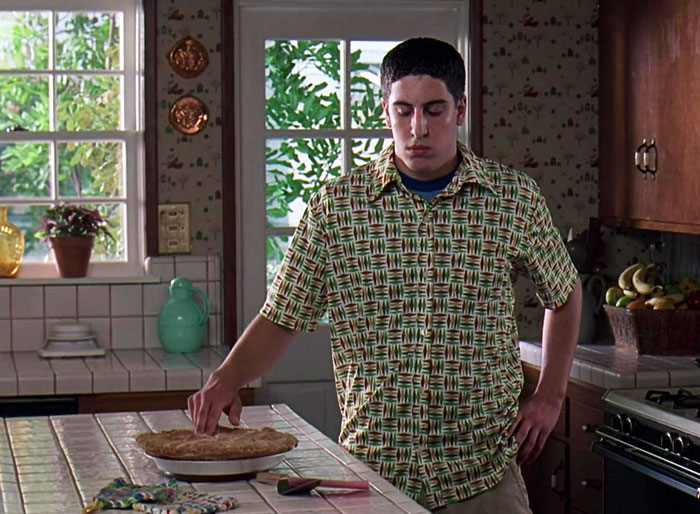
The teens, aged 16-19, weren’t impressed with many of the storylines in the films, but American Pie was the one that ranked the worst among them
This experiment was led by Vice, a Canadian-American youth media company, which decided to recruit teens ages 16 to 19 (yes, 16-year-olds are still Gen Zers) and show them several timeless classics that are still popular among many millennials and even older Gen Zers. These included Clueless, Bring It On, Dude, Where’s My Car, and, of course, the elephant in the room: American Pie.
To give some context for those who may not know, American Pie is a movie franchise that debuted in 1999. Starring Jason Biggs alongside Jennifer Coolidge, Alyson Hannigan, Chris Klein, and Natasha Lyonne, the film follows four high school teenagers who aim to lose their virginity before graduation and college. And yes, it’s a… dated concept. But it sure was loved by many.
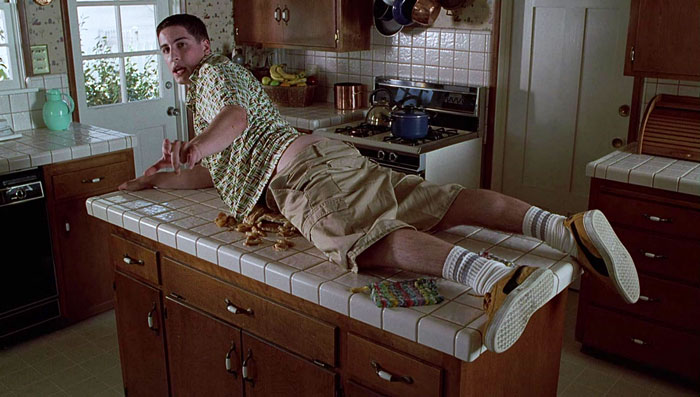
From the whole movie premise down to specific storylines, the teens were objective in their critiques, and it mostly surrounded strong opinions on misogyny
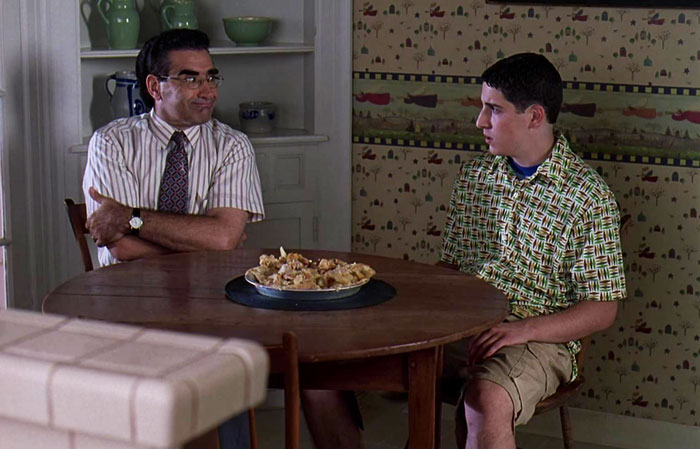
Some believe the franchise wouldn’t have been nearly as popular if it debuted nowadays, as boys and men tend to treat women with more respect — or so they think
The original 1999 film was allegedly made on a shoestring budget of around $11 million. And yet, it went on to gross over $235 million worldwide. Its sequel did even better, and the franchise eventually grew into a $1 billion series. Its impact was enormous, and pop culture lingo changed forever. It revived a dying genre and, well, you get the idea — it was the quintessential box office phenomenon.
However, the teenagers didn’t see it through that lens. Many criticized its “completely ridiculous” plotlines, arguing that the stories lacked depth and relied too heavily on the stereotypical “boy wants to sleep with girl” trope. They also took issue with more controversial storylines, such as Jim secretly filming the foreign exchange student and sharing the footage online, which they called “deeply problematic.”
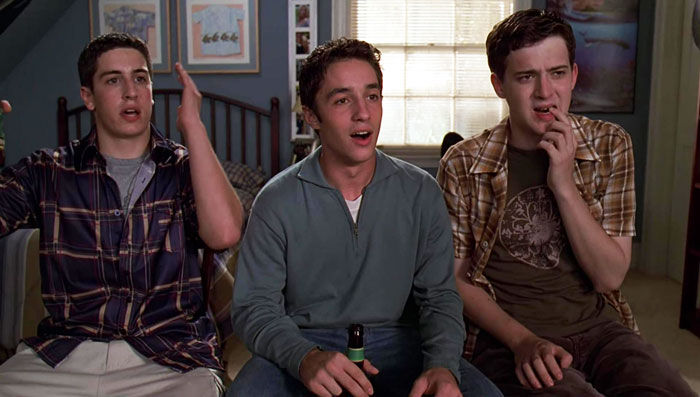
The plotline where Jim films a foreign exchange student received the most backlash, as the videos went on to be shared among the group of male students, without their morality being questioned
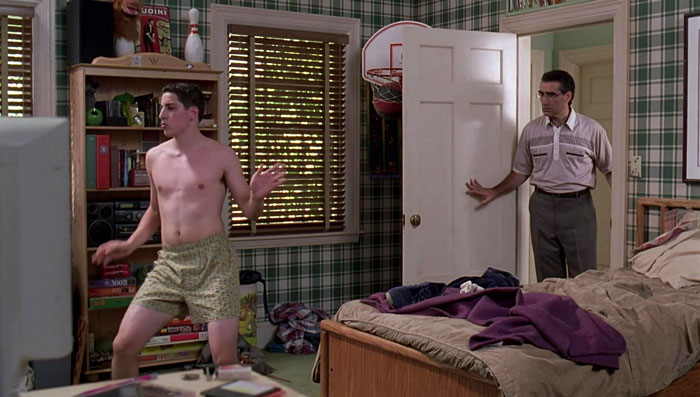
Essentially, the teens were shocked that the characters had little to no redeeming qualities, which is something they fear is a bad example for teens whose moral compass is still developing
Many others shared the opinion that this kind of film wouldn’t be nearly as popular nowadays. “I think men treat women with a lot more respect and equality now,” one 16-year-old said. Another teen added that the film never once questions the guy’s morality, calling the actions “incel attitudes.” Essentially, they’re criticizing the characters’ sense of entitlement regarding sleeping with the female characters.
A teen pointed out that any teenage boy watching the film could end up normalizing those attitudes. After all, the concept of the “manosphere” is relatively recent, but it’s built around the same ideas. It’s the interconnected network of websites, mostly consumed by teenage and young adult men, that is known for promoting content rooted in misogyny and resentment toward women, and many defend it.

Studies show that young male teens and young adults are becoming increasingly conservative when it comes to gender dynamics

At the same time, society now has different expectations on what the public — especially minors — should consume, and more and more countries are adhering to stricter social media rules
It’s fairly easy to look at younger generations’ ideas and think they’re “too much.” After all, the concept of “wokeness” is also very prominent nowadays, and being “too woke” is often dismissed as “cringe.” (How did you like that little lingo word salad?) But the teens’ opinions do make sense, after all. Statistics show that younger men are becoming increasingly conservative in their views on gender issues.
This is also due to the social media algorithmic pipeline. Social networks are optimized for outrage and engagement, and when young men — whose brains are still developing and whose opinions are still forming — start consuming content from the “manosphere,” where anti-feminist views get amplified. Over time, they begin to internalize the resentment that is shared within those online circles.

In recent months, a global wave of social media bans, pioneered by Australia, has begun spreading, with several countries following suit. The goal is to ban children under the age of 16 from platforms like TikTok and Instagram in an effort to better control the content consumed by developing minds. But do you think this is a wise move, or does it border on censorship? Let us know your thoughts!
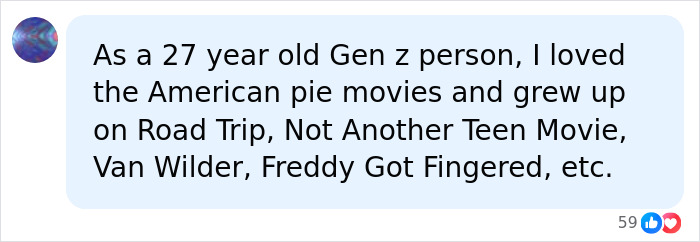
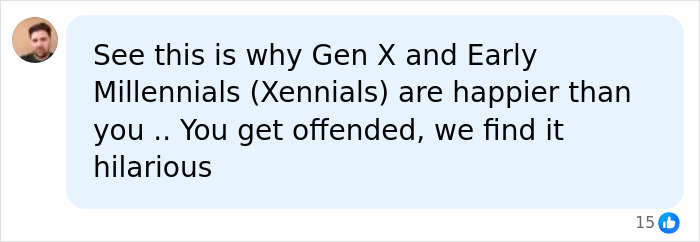
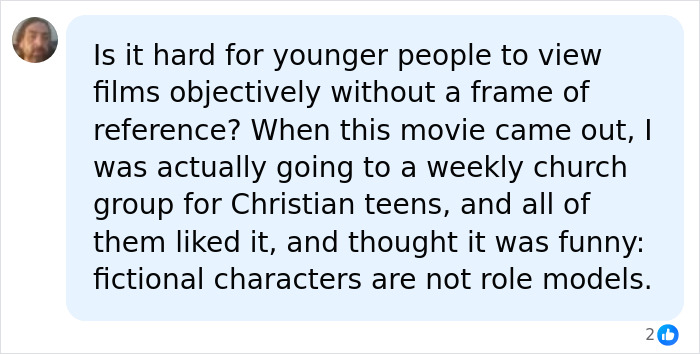
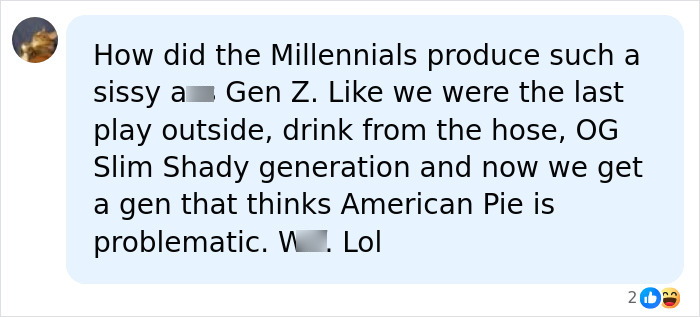
Netizens’ opinions were, as expected, divided, with many deeming the young Gen Zers as being too easily offended, while others accepted their progressive views