Australia's economic growth story this year would be pretty lacklustre if not for one saving grace.
With rising interest rates and the Iran war suppressing growth across the economy, a boom in data centre investment has bucked the trend.
March quarter gross domestic product figures to be released by the Australian Bureau of Statistics on Wednesday are expected to show a moderate slowdown to 0.5 per cent, with annual growth tracking for 2.6 per cent.
But the figure would have been even lower without a record $8.6 billion in data centre expenditure - a rise of 96 per cent.
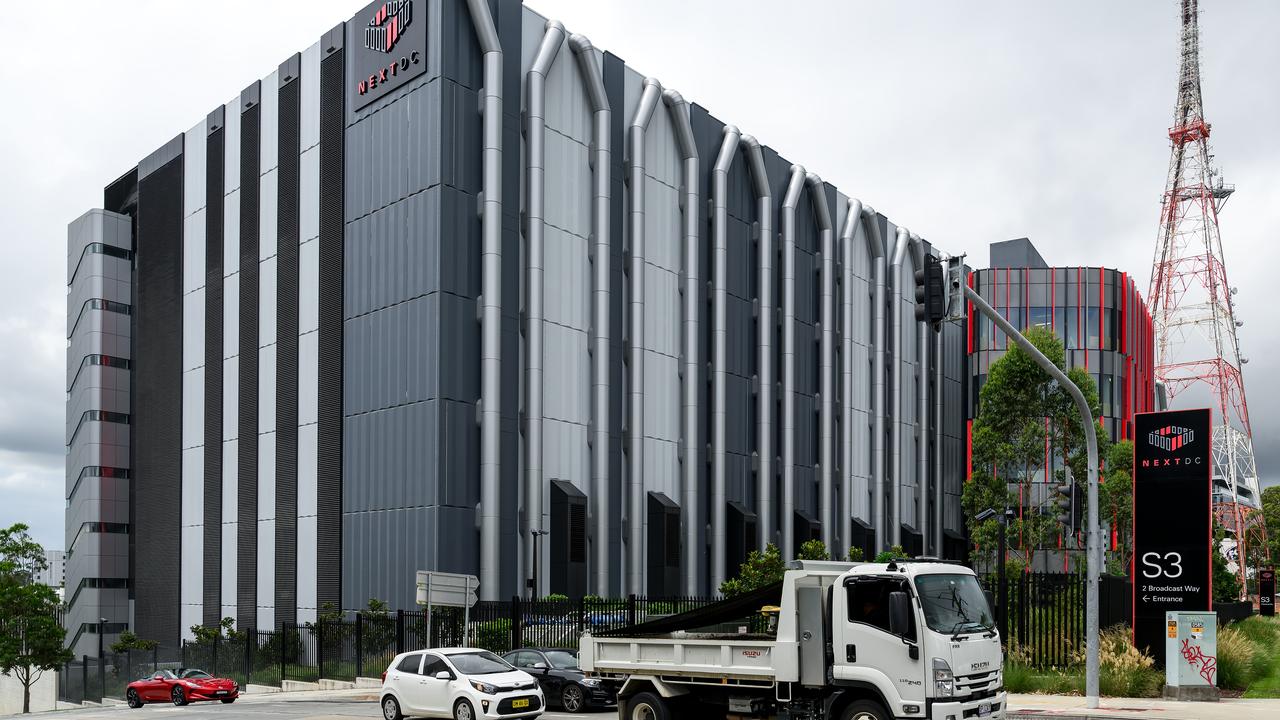
The national accounts data will likely show new investment accelerated to six per cent in the quarter and 10.3 per cent annually - the strongest quarterly growth since 2012 - said Westpac senior economist Pat Bustamante.
"The build‑out has now accelerated and is becoming more prominent at a time when other GDP components, which are more sensitive to interest rate increases, are slowing (household consumption) or going backwards (construction of new dwellings)," he said.
However, much of the growth in data centre spending related to purchases of server racks and processing equipment, which are largely imported.
"We expect a large share of the capex spending on equipment to be 'leaked' through higher imports," Mr Bustamante said.
"Despite this leakage, we show that data centre investment still has significant broader 'spillover' impacts on GDP and employment as structures are built and equipment is transported, fitted and installed, and that this economic boost tends to be frontloaded."
Outside of investment, demand growth appears to have slowed, he said.
Given the data only covers one month of the Middle East conflict and two rate hikes, the negative impacts will show up more strongly in June quarter data, said ANZ economist Adam Boyton.
Other figures to look for during the week include home values from property data firm Cotality on Monday, ABS building approvals on Tuesday and the balance of trade on Thursday.
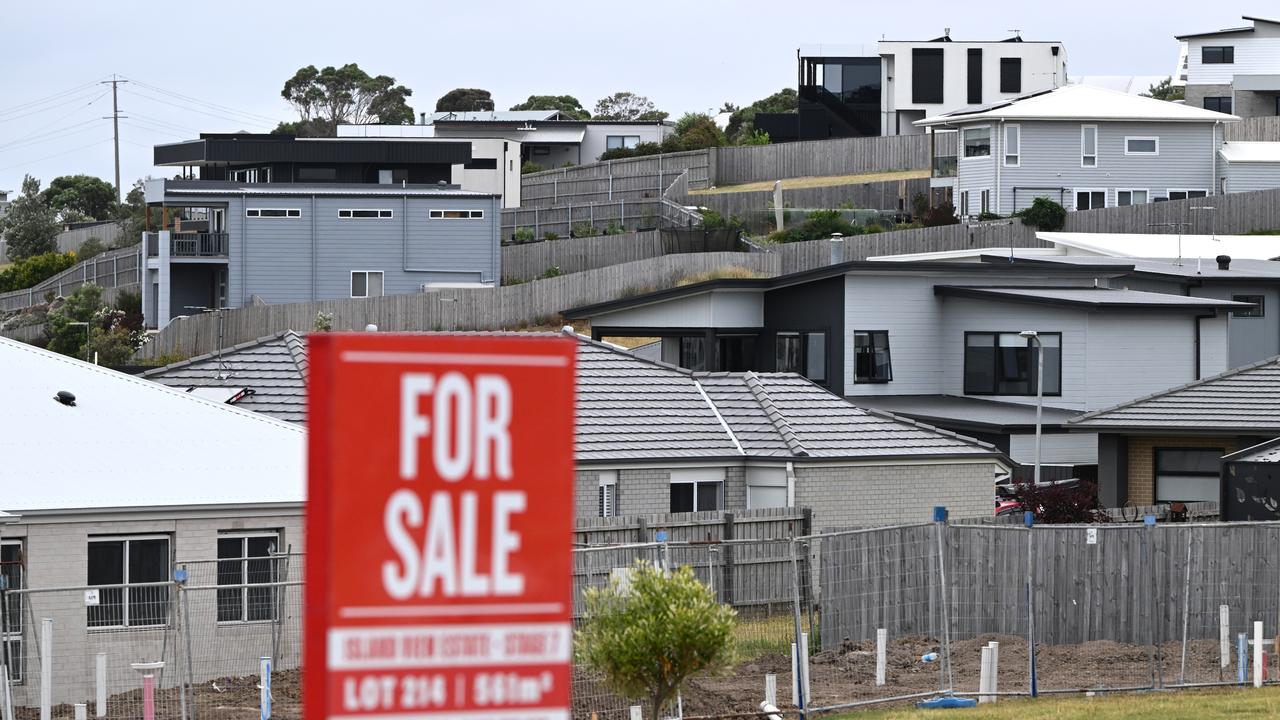
AMP chief economist Shane Oliver expects a 0.1 per cent fall in national home prices in May, although the drop could be steeper in Sydney and Melbourne.
Another important event on Australia's economic calender is the Fair Work Commission's minimum wage decision on Tuesday.
Unions have been pushing for an increase of six per cent for Australia's almost three million minimum and award wage earners, while business groups have recommended pay bumps of between 3 and 3.5 per cent.
The commission tends to pick a figure somewhere in the middle.
While the direct impact of the decision on inflation is relatively modest, given the limited share of workers affected, economists warn it is used as a bargaining benchmark across the economy.
The Reserve Bank's reaction to the bevvy of domestic data will be revealed when governor Michele Bullock and assistant governor Christopher Kent front a senate estimates hearing on Thursday.
Deputy governor Andrew Hauser will take part in a fireside chat hosted by Sky News and The Australian on Friday.
But once again, domestic developments could be overshadowed by events abroad, with the US and Iran rumoured to be close to striking another deal.
Commonwealth Bank geo‑economist Madison Cartwright estimates there's a 70 per cent chance of finalising a deal to reopen the Strait of Hormuz within the next week or so, which would be good news for global inflation and economic growth prospects.
Wall Street's main indices have meanwhile posted weekly and monthly gains as investors await details on negotiations.
The Dow Jones rose 0.72 per cent to 51,032.34 on Friday, the S&P 500 gained 0.22 per cent to 7,580.07 and the Nasdaq improved 0.21 per cent to 26,972.62.
Australian share futures slipped 13 points, or 0.14 per cent, to 17,025.
The S&P/ASX200 gained 138.8 points on Friday, up 1.62 per cent to 8,731.7, as the broader All Ordinaries improved by 145.4 points, or 1.65 per cent, to 8,965.