“Gayropa” is a disparaging name often used by Russian conservatives and officials to refer to Europe, signifying both a lack of acceptance towards LGBTQ+ people, and a perceived separation between east and west in terms of attitudes towards LGBTQ+ rights.
Polarising as our current world may be, this project documents the unity and togetherness of LGBTQ+ people from around the world, who have made, and are making, new lives and communities of their own across the continent. These people are the opposite of victims, and they use their strength to move their lives forward, redefining the term “Gayropa” as they do so.


Bella, from Turkey, identifies as a transgender woman and is currently claiming asylum in Stockholm, Sweden. After her initial asylum request was denied, she went on hunger strike
Many of those photographed have also faced discrimination in exile: xenophobia and racism from host societies (including the LGBTQ+ community), and homophobia and transphobia from fellow asylum seekers and the local population. Some steer clear of others from their own countries, as they find themselves fighting similar issues to the ones they thought they had left behind.


Originally from Raqqa, Syria, Hamoudi was forcibly outed as gay at the age of 13, when he was caught having sex with a male friend. He actively protested against the Syrian regime and Islamic State and faced physical and psychological torture. Since moving to Berlin, Hamoudi has worked in the cultural sector and most recently with an organisation helping to rebuild civil society in Raqqa


Faris, 35, from Addis Ababa, Ethiopia, identifies as non-binary and now lives in Austria, where they were granted political asylum. Faris works at ‘Queer Base’ in Vienna’s gay-friendly district
According to the Refugee Council, a leading UK charity, refugees are five times more likely to have mental health support needs than the average British population, and 61% of asylum seekers experience serious mental distress.


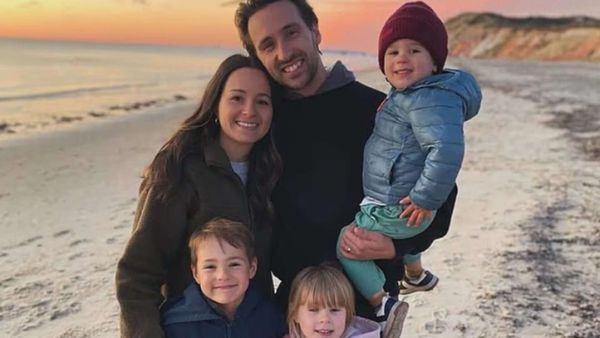
Faced with increasing levels of abuse in their hometown of Odessa, Ukraine, Sergi and his boyfriend Igor moved to Besançon, France. Igor had been attacked at a Pride march in Odessa, an incident that left him with head wounds and needing glasses. He and Sergi were chased in the streets in their home town by men shouting, ‘Death to faggots!’ and they began receiving death threats
Coming to terms with one’s sexuality is a slow process.
For individuals coming to realise their sexuality or gender identity in hostile environments, the pressure can push them to breaking point.


Khusen and Komil are from Dushanbe, Tajikistan. They have been living in Austria for four years, where they have been granted political asylum due to the threats they faced at home. Khusen injects his Tajik designs into Vienna’s vibrant creative scene, while his boyfriend Komil advises LGBTQ+ people
LGBTQ+ people who grow up in hostile environments, where threats to their safety can stem from family members, authorities, religious communities, violent non-state actors, or a mixture of several of these, face particular – and heightened – threats to their psychological wellbeing.
This, coupled with the challenges of being an asylum seeker in a new country – having to learn a new language, adapting to a new society, finding a community – means a need for increased mental health support.


Wael, who is intersex, identifies as a transgender man. Changing gender is illegal in Morocco so Wael decided to claim asylum in Europe in order to change his legal gender and start testosterone therapy. After spending time in various refugee camps across Norway, he registered and resettled in Bergen, which is home to many of Norway’s LGBTQ+ asylum seekers
In some of Europe’s most open and liberal cities, LGBTQ+ arrivals from across the world sometimes end up engaging in self-abusive behaviour. This can range from excessive drinking and unprotected sex to the more extreme behaviour, where migrants engage in sex work, sometimes called “survival sex”, or become the play things of predatory older men looking to exploit their vulnerable mental and legal status.
Amid a rise of violent homophobic attacks in the UK and increasing nationalism and xenophobia across the rest of Europe, LGBTQ+ refugees want “Gayropa” to live up to its name, in the fullest and most positive sense of the word. Between 2014–15 and 2018–19 recorded hate crimes relating to sexual orientation across England and Wales skyrocketed from 5,591 to 14,491 – a rise of 160%.

Originally from Dhaka, Bangladesh, Mir was a prominent member of the gay community. After the brutal murders of his boyfriend and colleague in Dhaka, claimed by Isis, Mir and others from his social and work circles went underground. He claimed political asylum in Stockholm, Sweden, which was finally granted 18 months later
Some like Hamoudi, Mir and Faris come from countries where their sexuality is criminalised, and others like Igor and Sergi grew up in places where homophobia has become an increasingly political topic in recent years. Bella, Komil and Khusen are from countries where being LGBTQ+ isn’t criminalised, but where social stigma means they continue to face threats to their lives. For others like Wael, Europe offers the means to change his legal gender and continue his life back home eventually.
This story was supported by the Pulitzer Centre

.png?w=600)