Garment workers and their struggle with getting their compensation on time, lawfully and above the minimum wages seem to see some favourable amendments in a few Asian provinces ever since the round of petitions and treaties has been signed by several organisations, activists and institutions of NGOs. Earning a living wage is recognised as a human right but most garment workers end up receiving just a quarter of a living wage. A recent summary of the clean clothes campaign declares that “1.5 million workers in Turkey make garments for many global fashion brands including Adidas, Banana Republic, Benetton, Boohoo, C&A, Esprit, Gap, G-star, Hugo Boss, H&M, Inditex- Zara, Levi’s, Marks and Spencer, Next, Nike, Puma, Primark, Urban Outfitters and VF. The top five export destinations for clothing made in Turkey are Germany, Spain, the UK, Netherlands and France. Despite the big name brands these workers produce for, new research shows that garment workers earn poverty pay which leaves them struggling to survive, highlighting the inadequacy of the legal minimum wage”.
Brands in unethical production practices
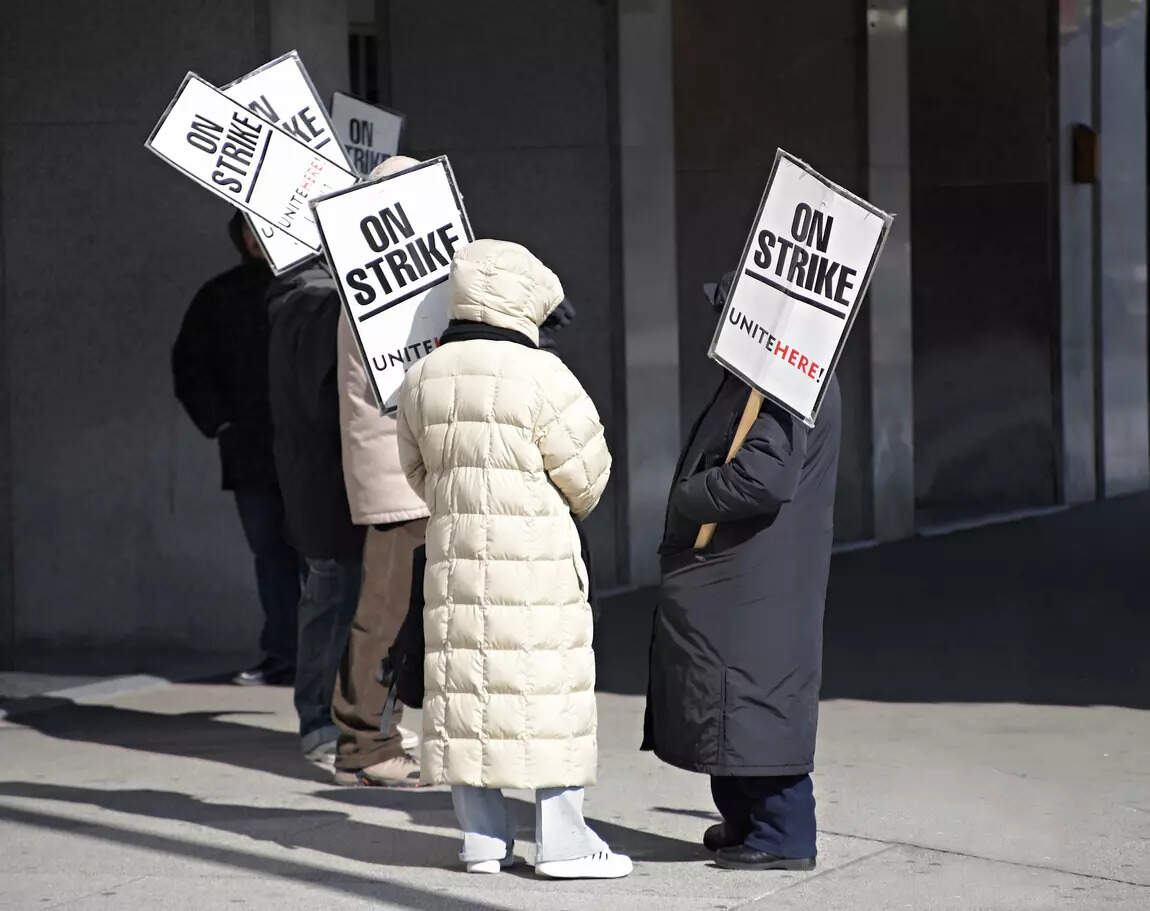
On the other hand, 2000 Indonesian garment workers still owned $5.5million after the UNIQLO factory went bankrupt in 2015, just after the brand pulled all its orders. Not only are unexpected order revocations financially devastating for factories, but the garment workers assigned by these factories are also fled with no income and often, without their legally owed severance. Families have had to take out loans to overcome. Uniqlo workers taking unanimous action by supporting a protest under the hashtags #PayUpUniqlo and #PayYourWorkers. Sportswear brand Nike still owe garment labourers in their supply chain $1.4 million. Factory abruptly closed in July 2020 and refused to pay back their worker's full owed compensation. Nike denied responsibility because they ceased sourcing from the factory in 2006. This was a lie since photos from 2019 show workers making merchandise. Their unethical business practices left the factory inadequate to pay its workers. Nike workers running their battle under the hashtag #PAYYOURWORKERS. While Nike makes billions of profit, 1284 garment workers are waiting to be paid their wages. Similar mannerism comes from Levis who made $1.47 billion this quarter but still refuses to pay for basic safety protections for factory workers. And refuse to sign the international Accord- the only binding agreement that can execute regulations to make factory workers safe. Levis needs to put its money where the mouth is since the workers running protests under the hashtag #SignTheAccord
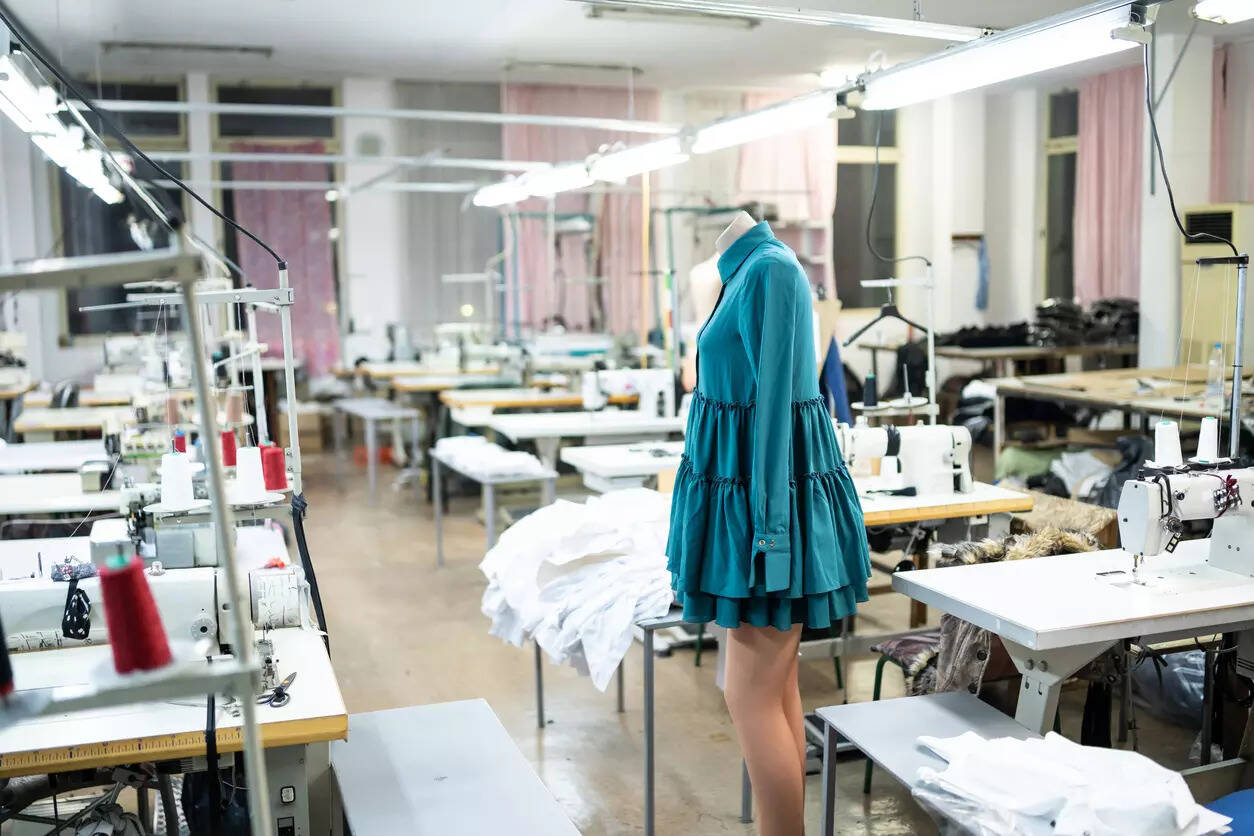
We have noticed small improvements in our textile and clothing industry in India. After the powerful recovery from 2 years pandemic wave, industries are trying to boomerang to their export targets, but there is always a dispute on minimum wage, fair wage, living wage, overtime wage, piece rate wage, and all the other kinds of compensations structured for the workers. Small by interesting developments are coming to notice when some garment manufacturers in Bengaluru finally committed to paying lawful minimum wage, along with all arrears owed, to their workers. Local union and institutions working with workers benefits and they are bringing promising growth.
Odisha state government’s department of Mission Shakti recently signed an agreement with the new Delhi-based Apparel Made-ups and Home Furnishing Sector Skill Council for the skill development of 10,000 members of Mission Shakti-help groups on apparel manufacturing. The ambition will enhance the tailoring proficiency of the group members. The idea behind this initiative is to increase the manpower in the apparel sector, provide self-employment alternatives and create organised micro-employment in the local apparel industry through the participation of skilled SHG members. This project will be implemented over 18 months. Post training the AMH SSC will assist the group members in establishing their tailoring units and offer hand-holding support. More than 1500 non-governmental organizations in the district have been intrigued by Women and Child Development.
Garment workers are the most valuable aspect of the clothing industry and valuing them for what they have been promised will set the attitude of brands and their business morality. With the new era of sustainable culture and greenwashing in the industry, the favourable business mindset for ethical manufacturing should take the driver's seat.