
Perfect planting
The heat sump in the soil and the combination of dew and rain are great for perfect root growth. This helps establish plants and prepare them for winter. Containerised plants that go into the ground dry can be difficult to wet once they are planted, so soak them in a bucket of water until they stop bubbling. Water well around the roots so that they jump out of their root ball and make good contact with their surroundings. Top growth still feeds the plants for a couple more months, so trim only to neaten.
Doing the splits
Towards the end of the month the first of the autumn splits can be made. Reduce the foliage of hellebores by half, removing the oldest and most damaged leaves. Then, once lifted, take a sharp knife to the root ball to split it in half or into quarters if it is large enough. Peonies should have all top growth removed and be carefully prized apart with two forks held back to back. Always incorporate compost into the planting hole.
Best for bulbs
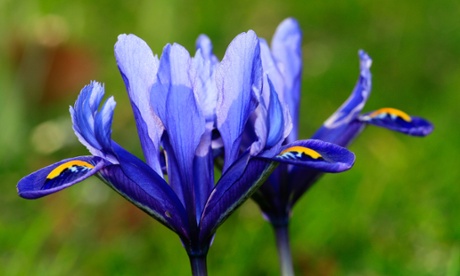
Although tulips should not be planted until November to diminish the risk of tulip fire, the majority of spring bulbs benefit from early planting. Be generous if you are planting in grass and think in tens or hundreds if you have the room and the stamina. Net the ground in the first year if you have squirrels, as they have a fiendish nose for crocus. Smaller groups of bulbs make good punctuation among perennials.
If you are inter-planting, choose long-lived perennials that need infrequent division. A couple of dozen alliums will go a long way among the peonies, while early-flowering Ipheion and small-flowered Narcissus cyclamineus take the gaps in the borders before the perennials have woken. Always plant a few pots of Iris reticulata, ‘Paperwhite’ Narcissus and multi-headed hyacinths for bringing into the house when your spirits need lifting at the end of winter.
Lawns and meadows
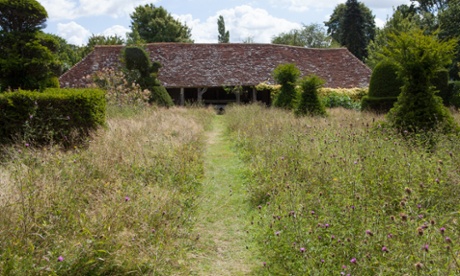
If you are sowing a lawn or a meadow, do it now as it is perfect timing. Lawns need good ground, but a meadow needs poor ground to discourage the grasses and leave room for the wild flowers. Both need weed-free soil, so if you have recently turned your ground leave it to flush with weed and then lightly hoe to create a sterile seedbed.
Harvest time
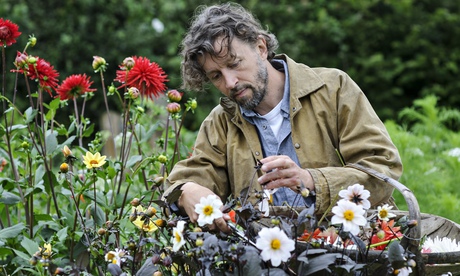
Keep on top of harvesting before the dew sets in and botrytis takes a hold. Deadhead the dahlias to keep flowers coming for picking and shake a plum tree with a couple of friends holding a sheet underneath for quick returns. The ripe fruit will drop and you will be less likely to grab a wasp. Twist an apple or a pear a quarter turn. If it gives it is ripe, if not hold back and make merry with the autumn fruiting raspberries.













