Spring forward
If you haven’t done so, order bulbs for autumn. Buy wholesale, in larger numbers, to get a greater effect where massing bulbs. You will only need 10 Iris reticulata or ‘Paperwhite’ narcissus to provide a lift in pots for spring.
Wise to wisteria
August is the perfect month to keep wisteria in check and also to encourage the fruiting wood and flowering spurs. Once a plant is the size you need it to be, reduce all this year’s growth back to six or eight leaves from last year’s wood. Leave long growth where you need to train it, to cover more wall space.
Fruit rules
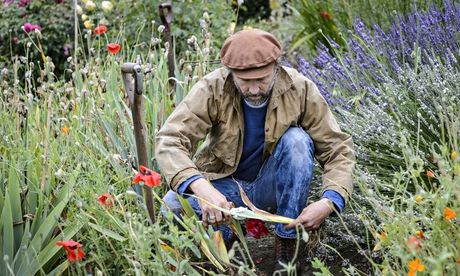
Spur prune wall-trained pears and apples to encourage flowering wood in much the same way as you would the wisteria. Shorten laterals to five buds and tip leaders to encourage fruiting wood. Summer raspberries have already fruited on last year’s canes. Remove them to make way for new growth and for next year’s fruiting wood. Tie in to keep it in check. Manage wall-trained loganberries and tayberries on the same principles. Begin harvesting autumn-fruiting raspberries, which are easier in my book. They fruit on this year’s wood and are simply cut to the base in the spring.
Beard trimming
Divide bearded irises this month if clumps are congested or have started to flower less freely. Lift carefully, break a healthy new rhizome free, cut leaves back by a third to reduce transpiration. Then replant, keeping the rhizome on the surface where it will get the sun it needs.
Head hunting
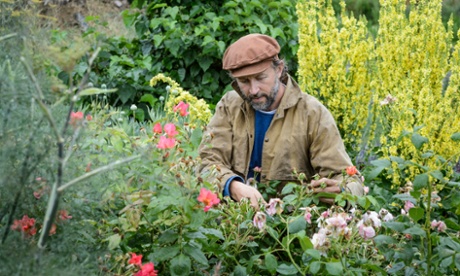
Keep repeat-flowering roses going with regular deadheading. This also encourages the production of new flowers on summer bedding and dahlias, which can look tatty once the flowers are over. That said, single-flowered dahlias, such as ‘Twyning’s After Eight’ and the ‘Bishop’ series, go unnoticed as flowers pass.
Clean and green
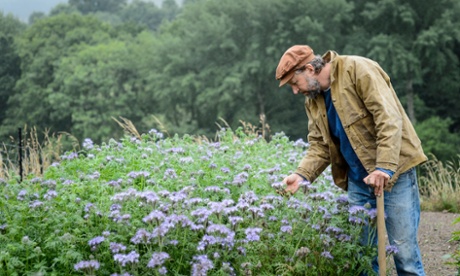
Dig in green manure crops, such as Phacelia or red clover. Phacelia is a magnet to bees so I always find it hard to turn it in, but do so just before it comes into flower.
Pulling onions
Lift onions if you haven’t already done so and ripen in a dry, sunny position.
Seed saving
I have become quite a seed saver, harvesting seeds of my own cut-and-come-again salads, sweet peas and annuals. Let a few bolt and harvest the seed as soon as it is ripe. Keep it in open bowls in a dry place, with a clear label and out of reach of mice. Sow short-lived seed –any umbellifers, aquilegias and clematis – as soon as you collect them as they’re better in the ground than out and will germinate as soon as weather warms in spring.