
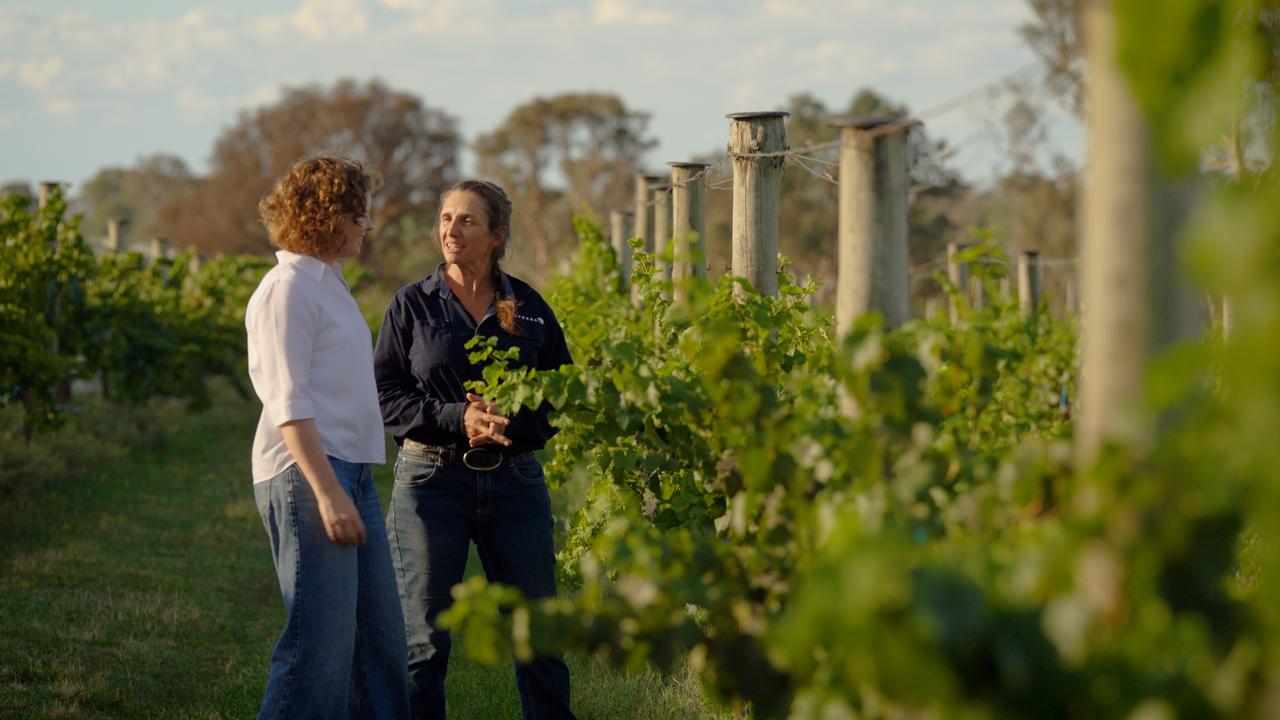
Worms and wine may not sound like a winning combination but together they are showcasing local, resilient agriculture supply chains less reliant on fertiliser shipped from afar.
A Sydney hotel is now serving shiraz grown from grapes fertilised by food scraps collected from its kitchens in a unique closed-loop endeavour.
Its made possible with a Australian agritech pioneer Goterra's boxes containing thousands of black soldier fly larvae that gobble up food waste and excrete nutrient-rich fertiliser, taking seven to 10 days to process 95 per cent of the material.
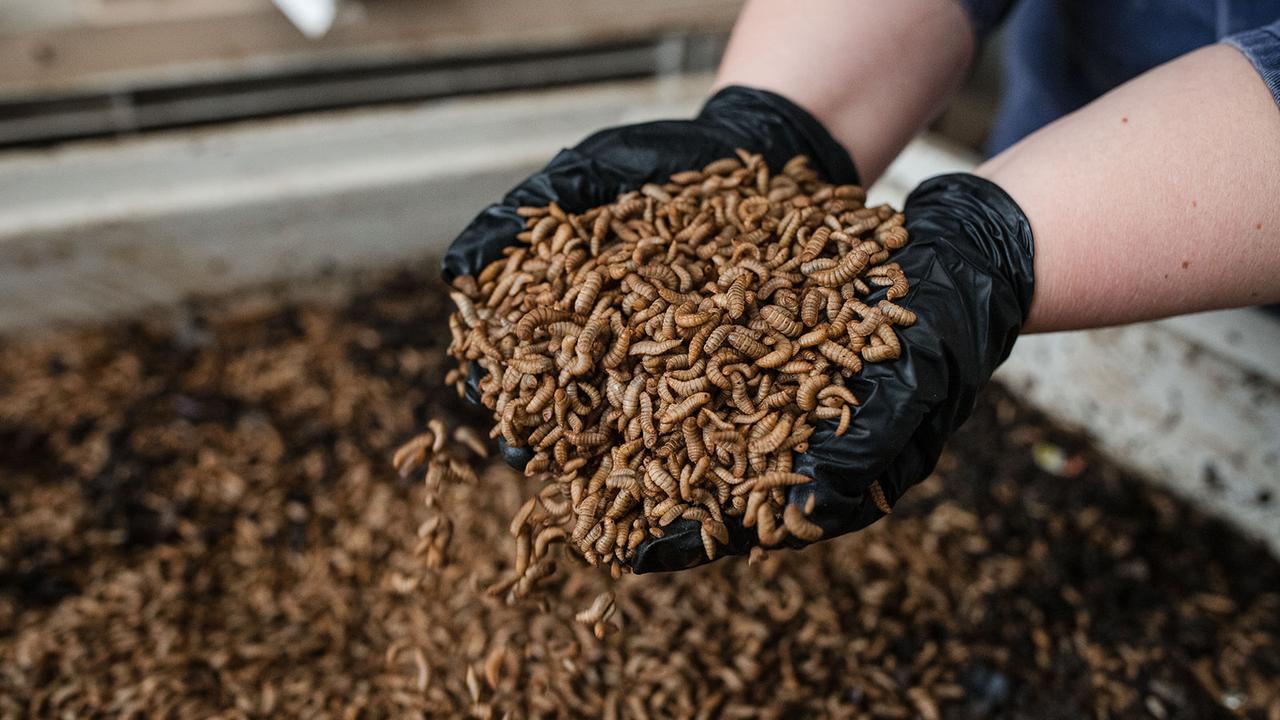
The tech is similar to a worm farm but with the benefit of the maggots themselves that are a valuable protein source for fish and livestock.
The insect feed produced in Hyatt Regency Sydney's "maggot robot" has been going to the hotel's main egg supplier, further closing the loop on supply chains.
Executive chef at the hotel, Sven Ullrich, said guests were literally being served wine grown from their breakfast.
"It sounds wild, but it's actually the most natural thing in the world, returning nutrients to the soil instead of sending waste to landfill."

Goterra founder and chief executive Olympia Yarger says the collaboration with the hotel and its suppliers, including Four Winds Vineyard, is a story of sustainability, economic resilience and sovereign capacity.
"We've got fertiliser that has come less than three hours instead of from Russia or from South America," she told AAP.
"And we've got protein that's coming less than three hours to the poultry farmer."
The US-Israel war on Iran has put pressure on global food systems, with about 20 per cent of fertiliser trade disrupted and urea prices surging more than 70 per cent amid the supply crunch.
The combination of high fuel and fertiliser costs have been squeezing Australian farmers, forcing them to make tough choices about planting and likely feeding into higher grocery bills.
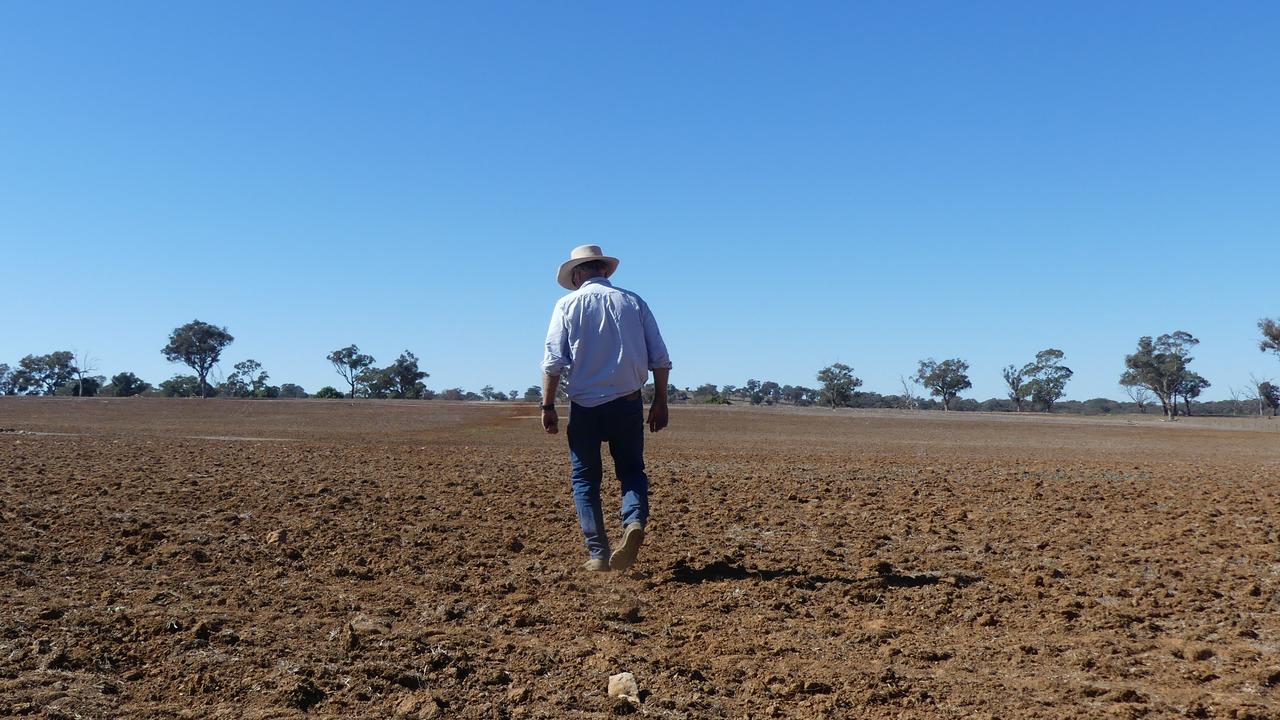
Waste upcycling for agricultural uses had been generating more attention since the war began, Ms Yarger said, but Australia was only just starting to grasp the opportunity.
Not all fertiliser needed to be produced in-country, she said, but even a modest reduction in reliance on overseas imports could vastly improve supply chain and economic resilience from geopolitical havoc.
"When you can produce in country, that is a direct financial benefit to those businesses that can use that product, because the transport is just inherently less," she said.
Sites such as Melbourne airport and Barangaroo in Sydney are using the tech to manage on-site food leftovers, as are councils such as the City of Sydney to process household waste.
Managing waste on site saves on landfill costs, which are rising as space becomes tight, and cuts down on truck transport.
The agritech business is able to generate revenue through the fertiliser and larvae protein.