Gallery: female-run cereal banks help families facing food crisis in Niger
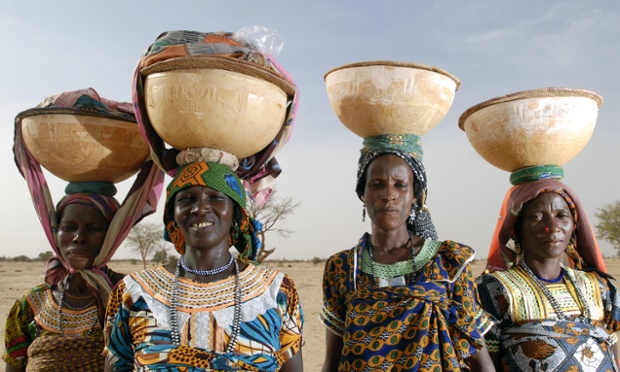
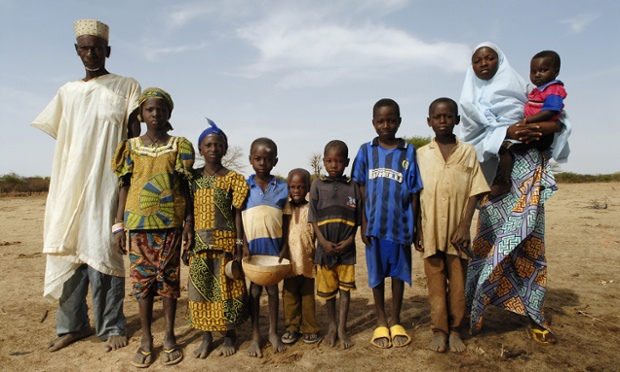
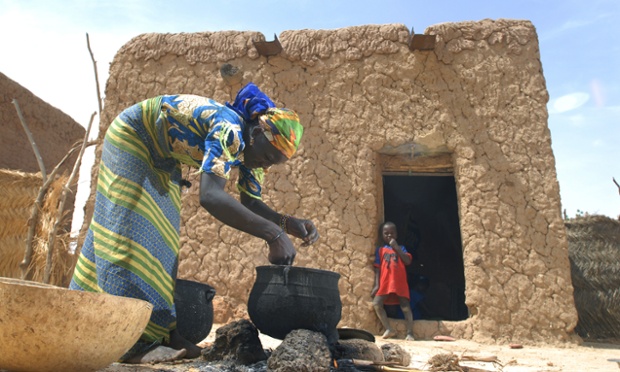
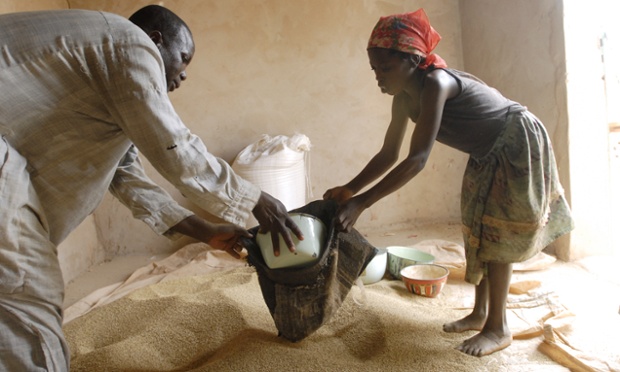
“Before cereal and grain banks were always managed by men, with the stock sold to generate money,” says Vincenzo Galastro, IFAD's country portfolio manager, based in Niger. “These banks are managed by women, and the repayment of stock is carried out by villagers, which allows the most vulnerable families to ensure food security.”These unique food banks are helping the most vulnerable families in Niger. “These are people who are not able to get food security for most of the year,” says Galastro. The Inoussa family (above) have two hectares which will provide about two tonnes of millet, enough food for the family for seven months. Photograph: IFAD/David RoseThe number of these female-managed food banks is increasing: “Our targets have risen from 200-300 to 1200 banks across the regions, as we scale up to reach more than 350,000 households,” says Galastro. Photograph: IFAD/ David Rose
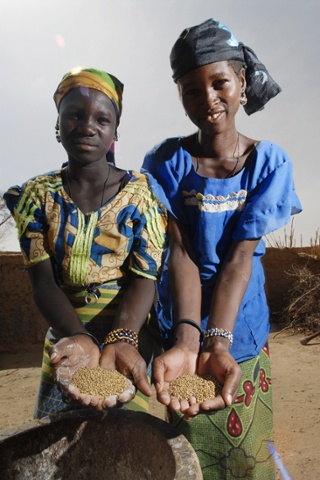
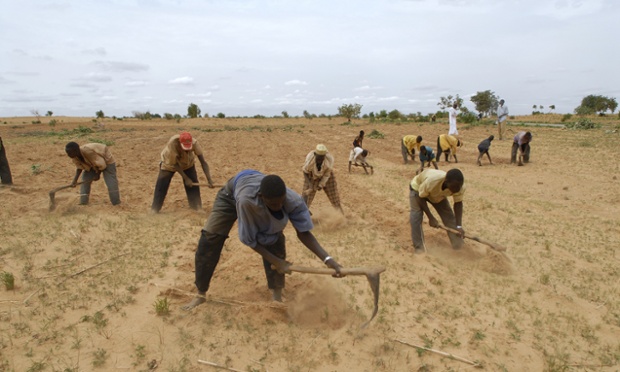
These banks, contrary to traditional cereal banks, use a localised approach to ensure food security. According to Galastro they also provide work for village members, and allow families to keep more livestock. Villagers Nana Badama (left) and Hinda Salha grind millet in Dan Saga in North Aguie, Niger.“It is important to have a sustainable mechanism that can guarantee the food security of most households,” says Galastro. The year-on-year increase in livestock, Galastro believes, proves the success of this approach. Above, farmers weed a field of millet near Guida Iddran, Niger. Photograph: IFAD/David RoseCurrently more than 50,000 women are involved in the management of the banks, and this number is increasing. Photograph: IFAD/David Rose
Join the community of global development professionals and experts. Become a GDPN member to get more stories like this direct to your inbox
Sign up to read this article
Read news from 100's of titles, curated specifically for you.