Here at Space.com, we love the night sky, rocket launches and sci-fi just as much as you do. Each month (from here on out) we want to celebrate that love by bringing you a collection of eclectic staff photos that show you a little of what we've been up to.
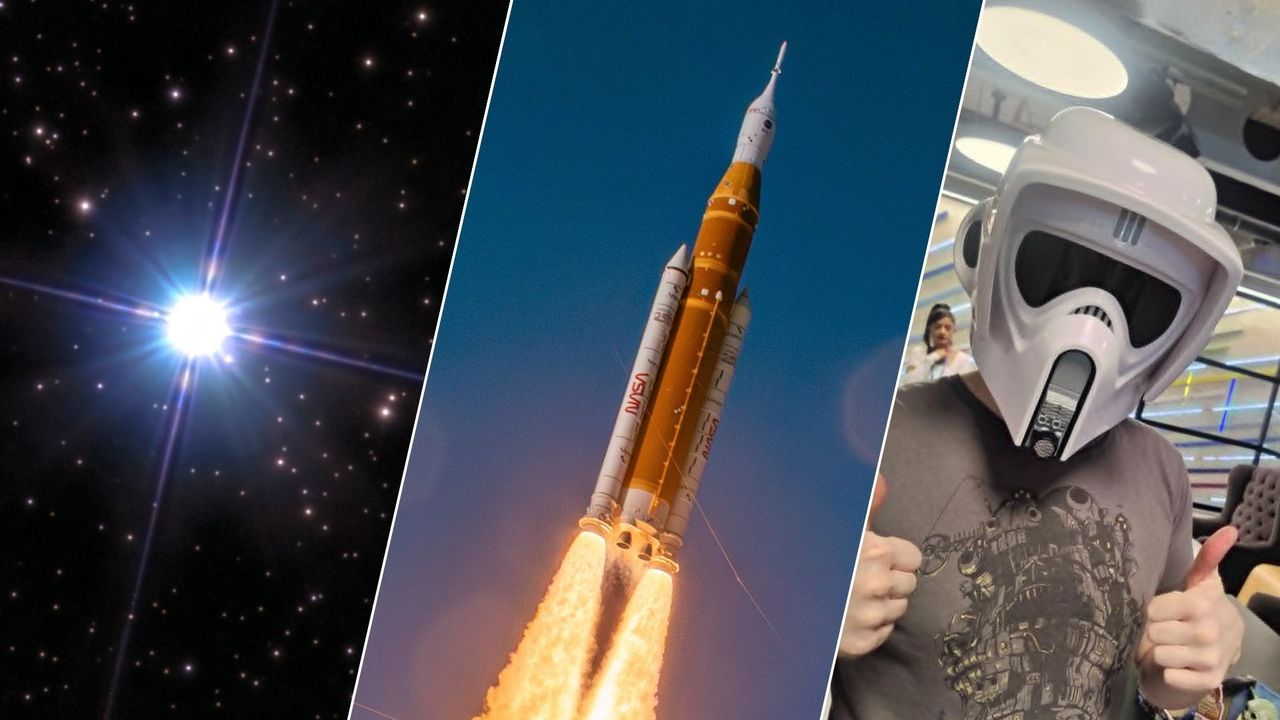
Expect launch photos, snaps of historic hardware destined for space, images of the night sky and, from time to time, photographic evidence of our entertainment editor Ian Stokes infiltrating Amazon's London office to sneak a peek at their May the 4th Star Wars offering … allegedly.
Don't forget! We love nothing more than seeing your discussions in the comments section under each article and, of course, featuring and enjoying your astrophotography, which you can share with us and the readers at spacephotos@space.com!
Photos from Space (.com)
We'll kick off with our spaceflight writer Josh Dinner, who took a road trip down to NASA's Kennedy Space Center in Florida to report first hand on the historic launch of the Artemis 2 mission to the far side of the moon!
"Witnessing SLS launch from the press site was more than just seeing the rocket liftoff — it was feeling it," Dinner told Space.com. "The shake and crackle of the solid boosters and legacy shuttle tech ripping through the sky is truly one to behold, and shooting Artemis 2 was an absolute experience. Whenever I photograph a launch, I always shoot at least a little underexposed. Accounting for the flame is important, especially when it comes to those blindingly bright solids."
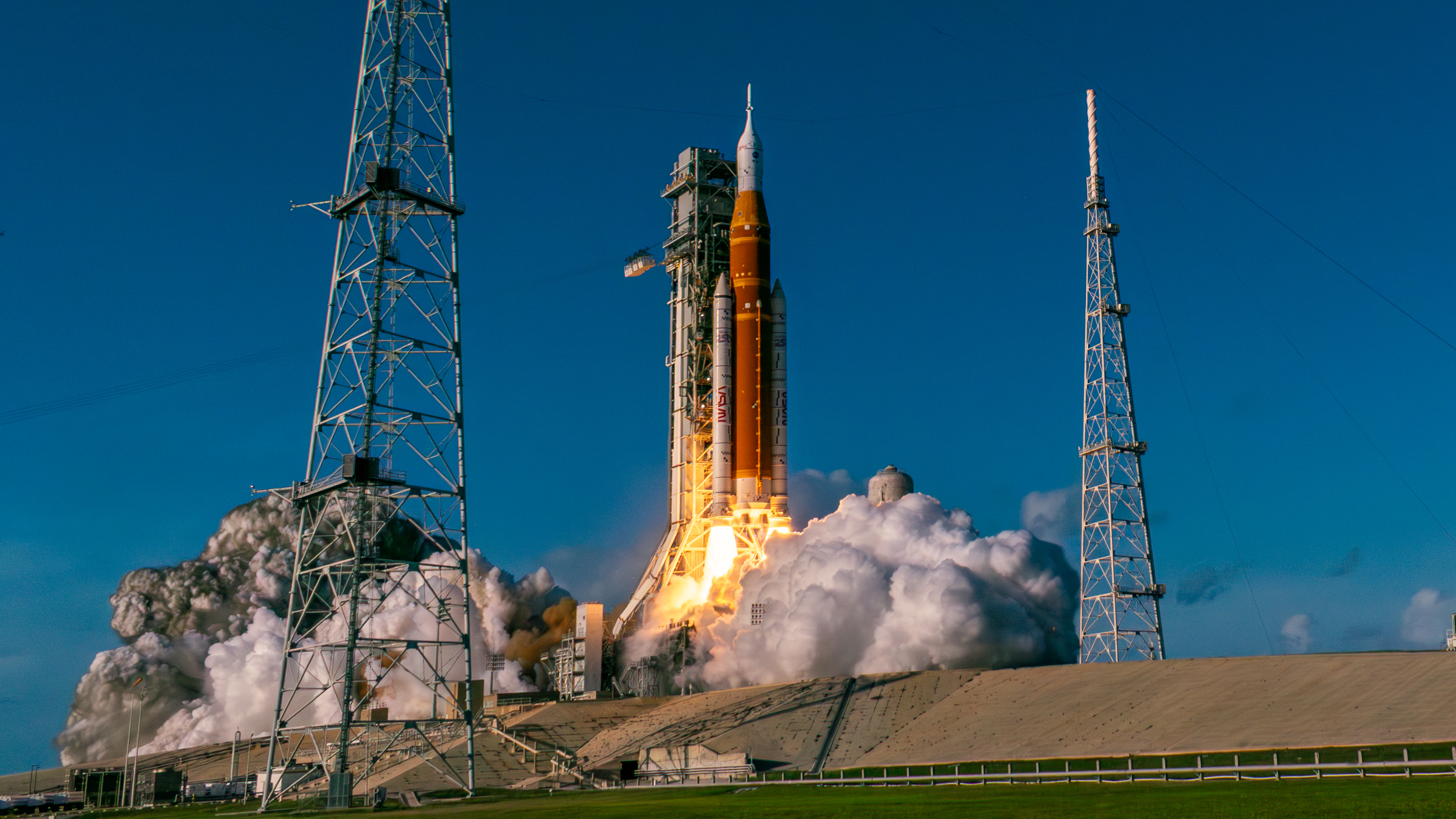
"From farther away, you don't want to set your shutter too fast, but for my launchpad cameras, up close, that's where I'll plan for minimum exposure time. It makes your RAW images dark everywhere else, but that's all easily brought out in minor edits. I love getting to see the details of the flames as they explode from the rocket's engines.
"And with Artemis 2 I got extra lucky with some small water droplets that didn't quite dry off the lens as my cameras braved a rain storm the night before liftoff. They created some nice flares I think really add some uniqueness."
Managing editor Brett Tingley, meanwhile, set his sights further afield to photograph a stunning spiral galaxy shining 11.6 million light-years from Earth in the constellation Ursa Major.
"On March 28, 2026, I hiked out to a dark area in the Appalachian mountains to capture some deep sky objects," explained Tingley. "Bode's Nebula (Messier 81) was positioned perfectly overhead during the evening hours, allowing for a perfect long-exposure shot. Despite its name, Messier 81 is actually a galaxy - one of the brightest in the night sky."
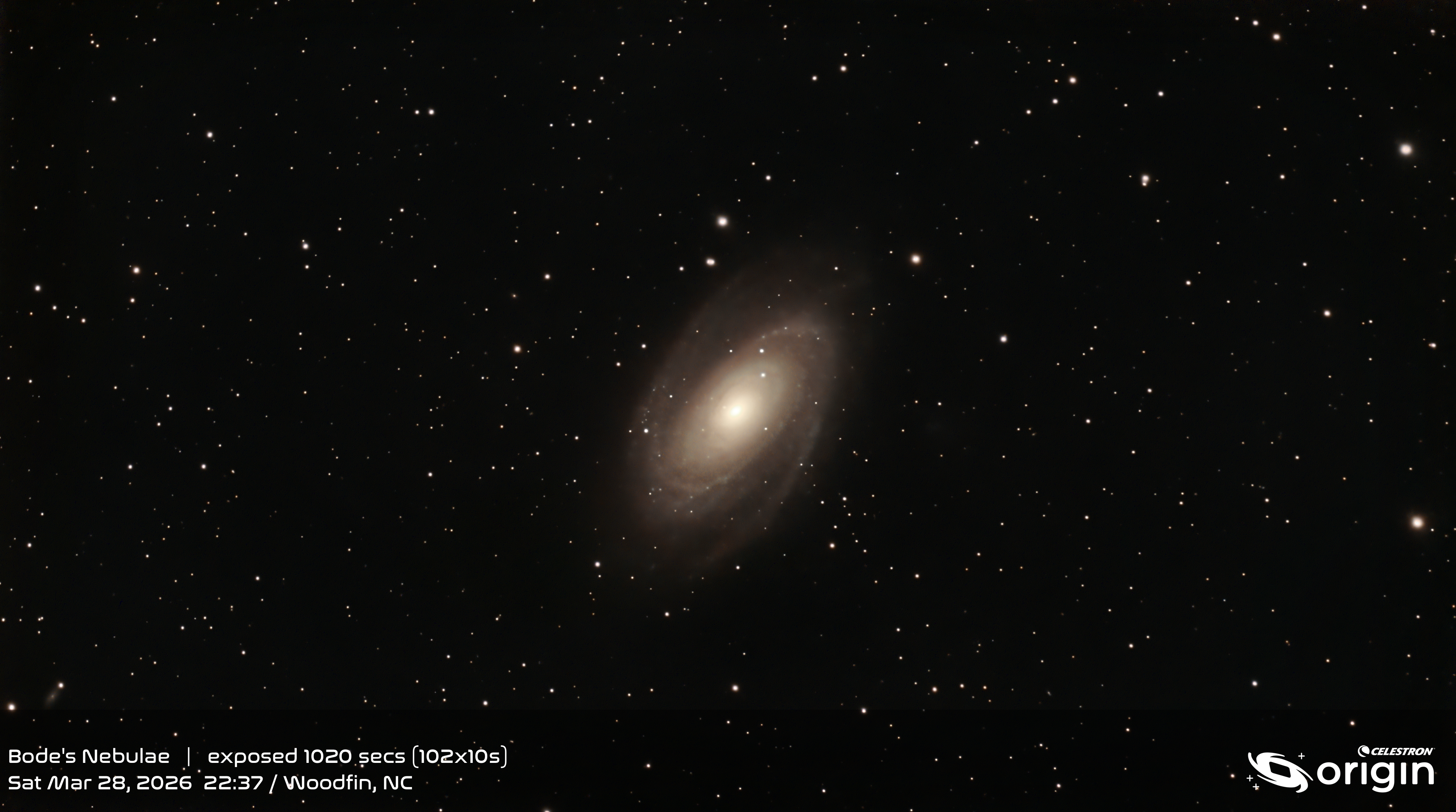
"This was taken with a Celestron Origin Mk II using a nebula filter, enabling me to capture its spiral shape in great detail. It's incredible to be able to set up a smart telescope and watch images like this one develop in real time, putting deep space objects out in the cosmos right at our fingertips"
Space.com astronomy editor Monisha Ravisetti was lucky enough to spend a little time with the Nancy Grace Roman Space Telescope at NASA's Goddard Space Flight Center in Maryland earlier this month, ahead of its planned September 2026 launch.
"As a space journalist, it's tremendously routine for me to write about space telescopes," said Ravisetti. "I've pored over vast cosmic landscapes imaged by the tried and true Hubble Space Telescope, but what sticks out is this instrument launched before I was born. More times than I can count, I've tried to make sense of ancient black holes or glowing nebulas that sit millions of light-years away from me, but often, I owe these sights to the James Webb Space Telescope.
"Indeed, I've only seen the JWST in photos. My iPhone lock screen used to be a Euclid image, but again, I've never seen Euclid itself. These physical observatories have therefore remained in my imagination just like the universe they observe — places I'll never be able to explore."
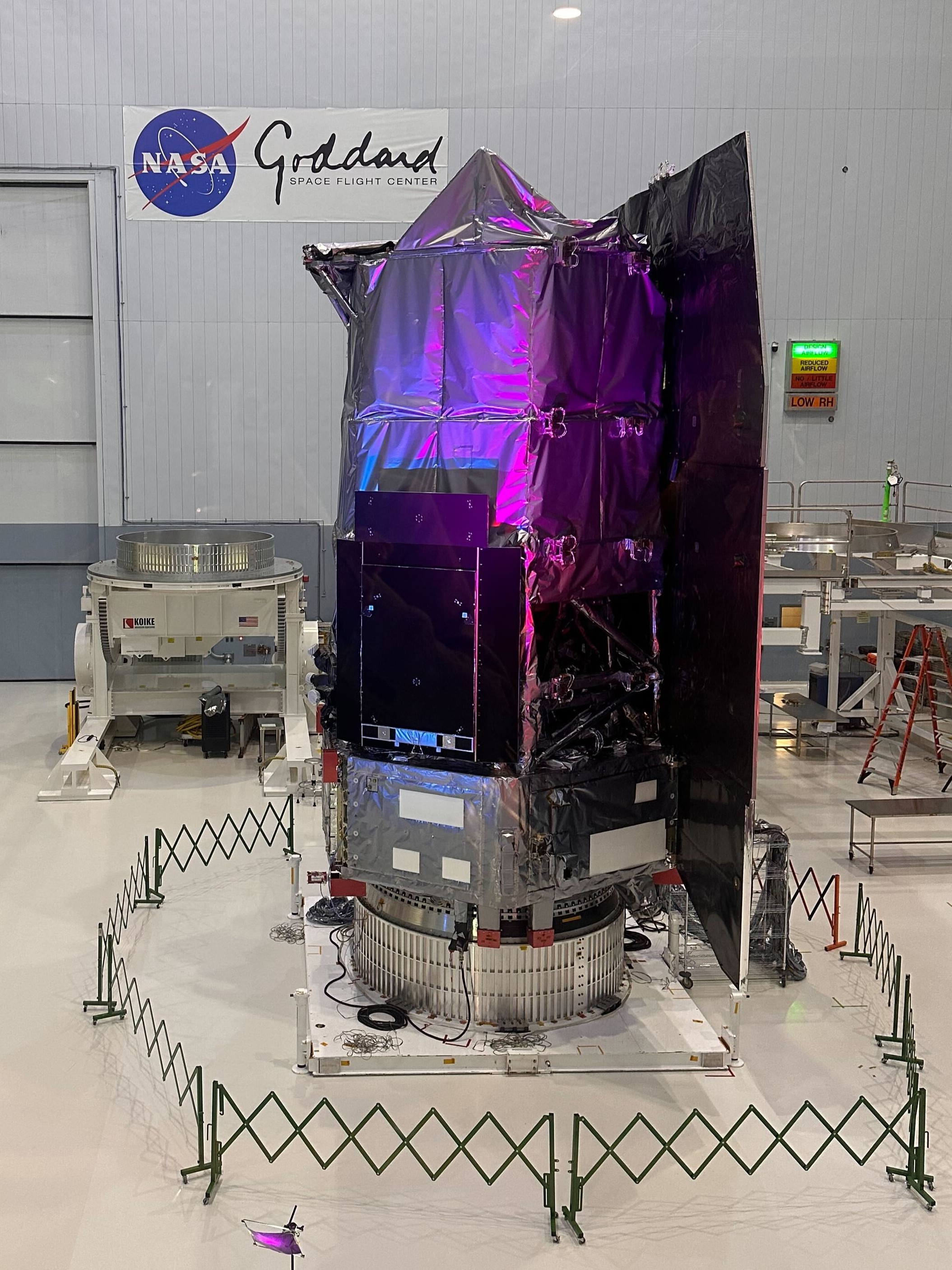
"The Nancy Grace Roman Space Telescope is the first observatory headed beyond Earth that I got to see in person. It was a surprising experience. Did it look as grand as you'd expect something so pivotal to look? Not really, honestly. It was relatively compact, industrial and most importantly, comprehensible. It appeared as a piece of real, mechanical equipment.
"But while I looked on, I started to realize why it seemed profound to be this telescope's witness. It's surreal to remember a very reasonable object will eventually show us corners of our universe we haven't yet reasoned with. It's surreal to remember that these telescopes really aren't just intangible items in my imagination, and neither are those cosmic places I'll never explore."
Skywatching editor Daisy Dobrijevic captured a gorgeous view of the Triangulum Galaxy, using a smart telescope that cut through the light-polluted city sky to reveal fantastic detail on the deep sky object.
"I captured this view of the Triangulum Galaxy (M33) from my garden in Nottingham, U.K., using the Vaonis Vespera Pro," said Dobrijevic. "Despite working under Bortle 6 skies, I built up 3 hours of total exposure time across multiple nights, taking advantage of the Vespera Pro's multi-night observing mode — an invaluable feature when clouds inevitably roll in."
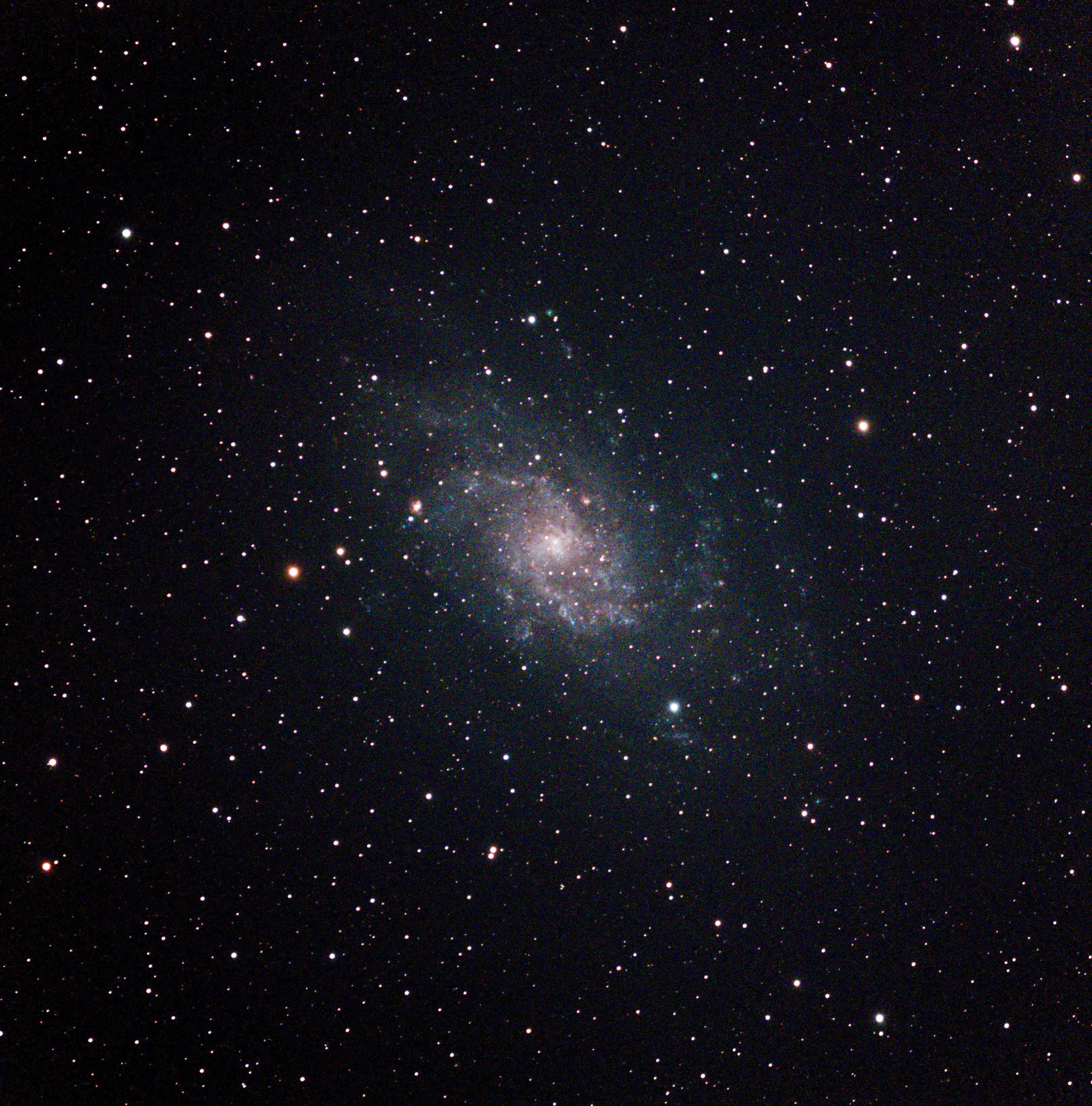
"I was genuinely surprised by just how much detail I could pull out in such a short amount of time, especially given the light pollution!"
Space.com editor-in-chief joined Dinner in Florida to witness the launch of Artemis 2 first hand, before heading out to Houston to report on the astronaut's progress as they broke the record for the most distant crewed spaceflight in human history, ahead of their safe return to Earth.
"I have waited my entire life to see astronauts launch to the moon," recalled Malik. "It was worth it. For just about my entire career, NASA has been trying to send astronauts back to the moon. First, it was Project Constellation and a goal of 2020. Then, maybe it was 2024. Then Constellation was cancelled and I instead watched dozens of space shuttle and rocket launches stay in low-Earth orbit. Even Artemis 1 in 2024, I missed. It was scrubbed several times (I saw them all) and when it finally did fly, I couldn't be there."
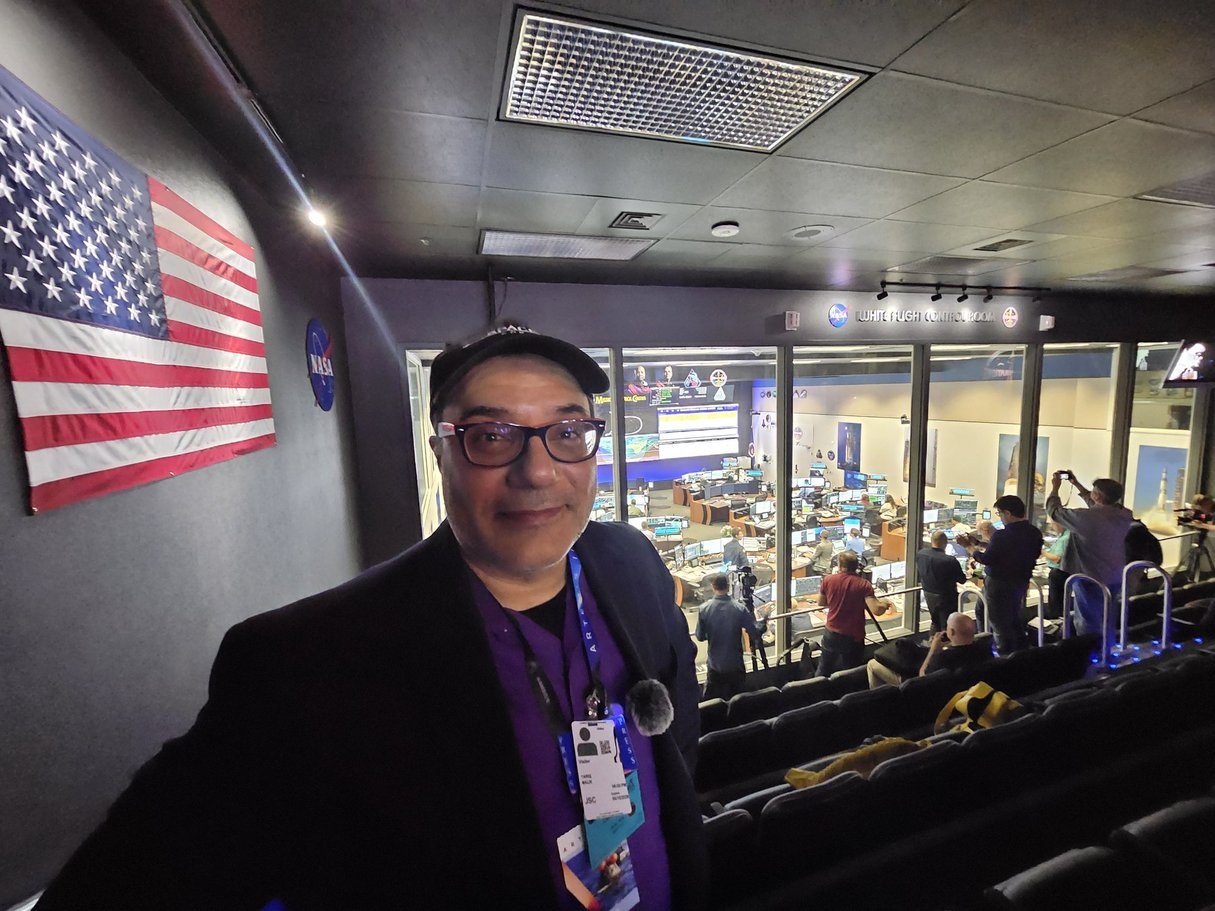
"But a month ago, Artemis 2 was something else. I've seen the largest rocket on Earth — SpaceX's Starship — launch (and explode) and that was loud. But watching four astronauts launch on NASA's most powerful rocket since the Saturn V hits different. First, it was SO LOUD. Much louder than the Starship launch because we were just 3 miles away (about 2 miles closer). You felt it in your bones and it drowned out all sound. But also because there were PEOPLE on this one. Four astronauts that I have spoken with personally at one time or another. Then they went to the moon.
And for the first time in my 49 years, more than half of that as a space reporter, I feel like a new space age is finally beginning, one in which astronauts finally reach the moon to stay, then Mars, and then who knows where else? (I vote for Titan and Venus, but that's just me.)"
Our senior producer/video wizard Steve Spaleta chose to reminisce over a collection of legendary aircraft — and the creation of a legendary photo.
"After covering the unveiling of Virgin Galactic’s Spaceship Unity at the Mojave Air and Space Port in February 2016, Dave Brody (Space.com’s former exec. producer) and I visited the Joe Davies Heritage Airpark in Palmdale. The photo here shows a retired Shuttle Carrier Aircraft, a Boeing 747-100SR—one of only two ever used to ferry space shuttles.
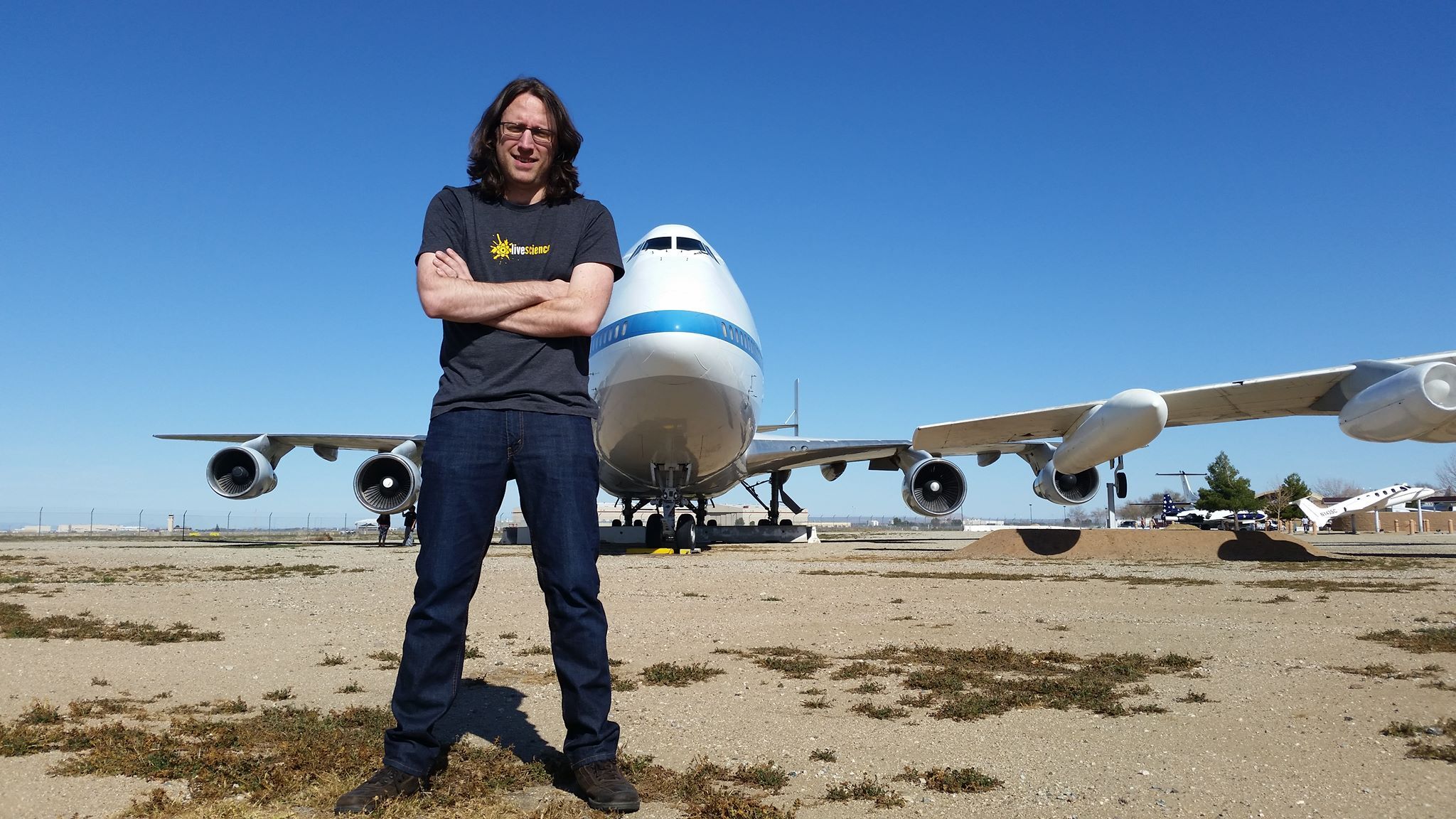
"The outdoor aerospace museum, free to the public, also features a Lockheed JetStar used by NASA, along with several military aircraft, including a B-52 Stratofortress. Dave Brody snapped the image and joked, “add a Rick or an Alembic, and that’s an album cover.”
Harry Bennett, our e-commerce staff writer and overall photography enthusiast snapped a stunning view of Vega shining in the constellation Lyra.
"Vega shines a beautiful white-blue with four prominent diffraction spikes, giving it an angelic presence amongst a vast star field, " said Bennett. "It is the fifth brightest star in the night sky and the second brightest in the northern hemisphere. I took this shot using the enhanced vision mode on the Unistellar Odyssey Pro, which stacks four-second exposures continuously until you stop it."
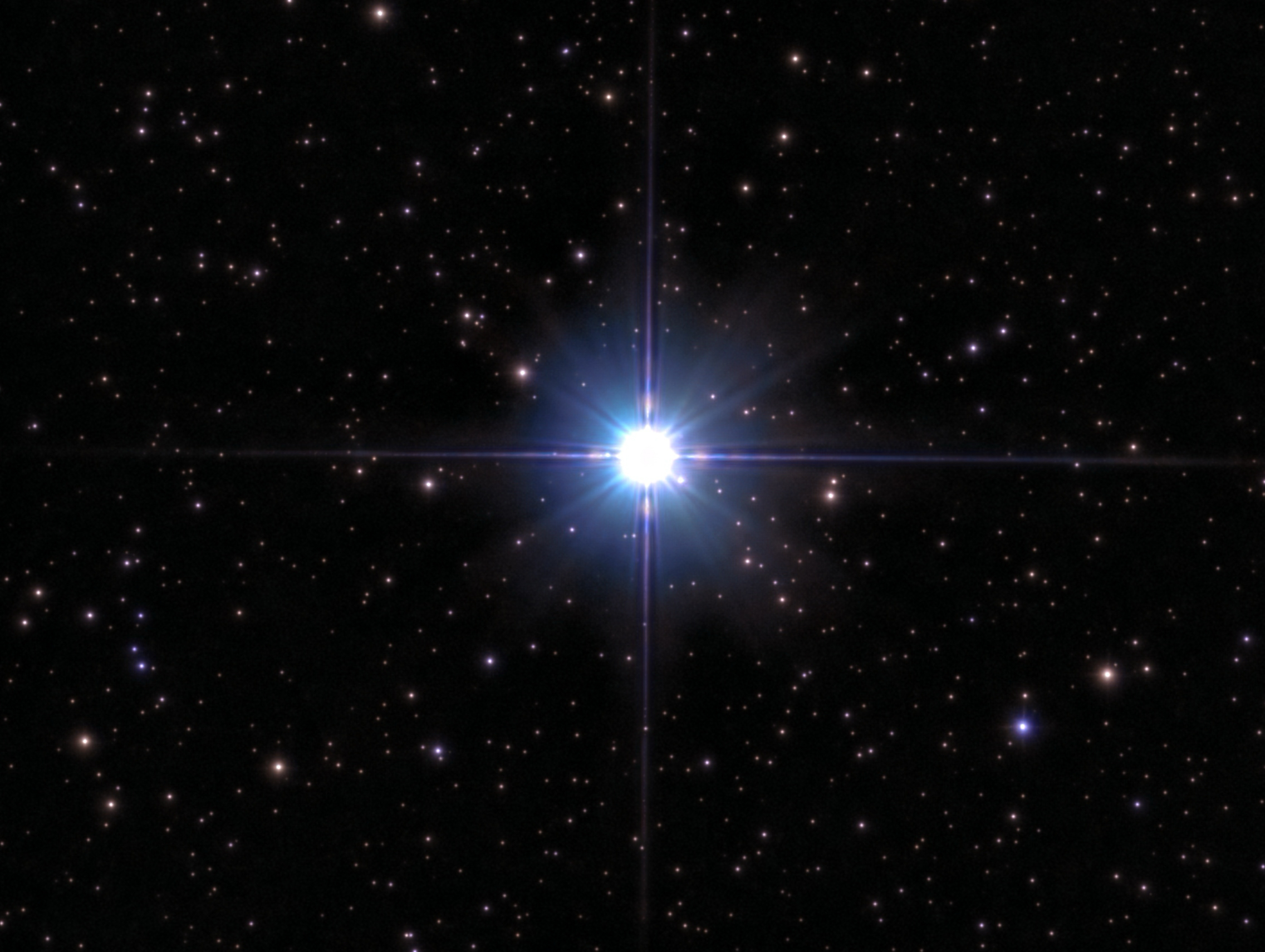
"I have a soft spot for it because it is the first smart telescope I ever used and it gave me the ability to capture mind-blowing images of night sky objects even from a city center. It is fully automatic and can orient itself, find a target and start imaging all from a few presses on your smartphone. People can be swept up in smart telescopes’ ability to capture amazing detail on deep-sky objects like galaxies but forget that imaging individual stars can really make you feel magical."
Entertainment editor Ian Stokes went off campus to take a look at Amazon's office in London in disguise as a scout trooper. At least we think it's Ian?
"I channelled my inner Bothan and managed to infiltrate the Amazon office in London and while they didn’t have the droids I was looking for, they did have a bunch of Star Wars merch on display ahead of the May the Fourth festivities. They had a bunch of cool lightsabers, figurines, and helmets for staff and visitors to check out, including the snazzy scout trooper helmet that I’m sporting here.
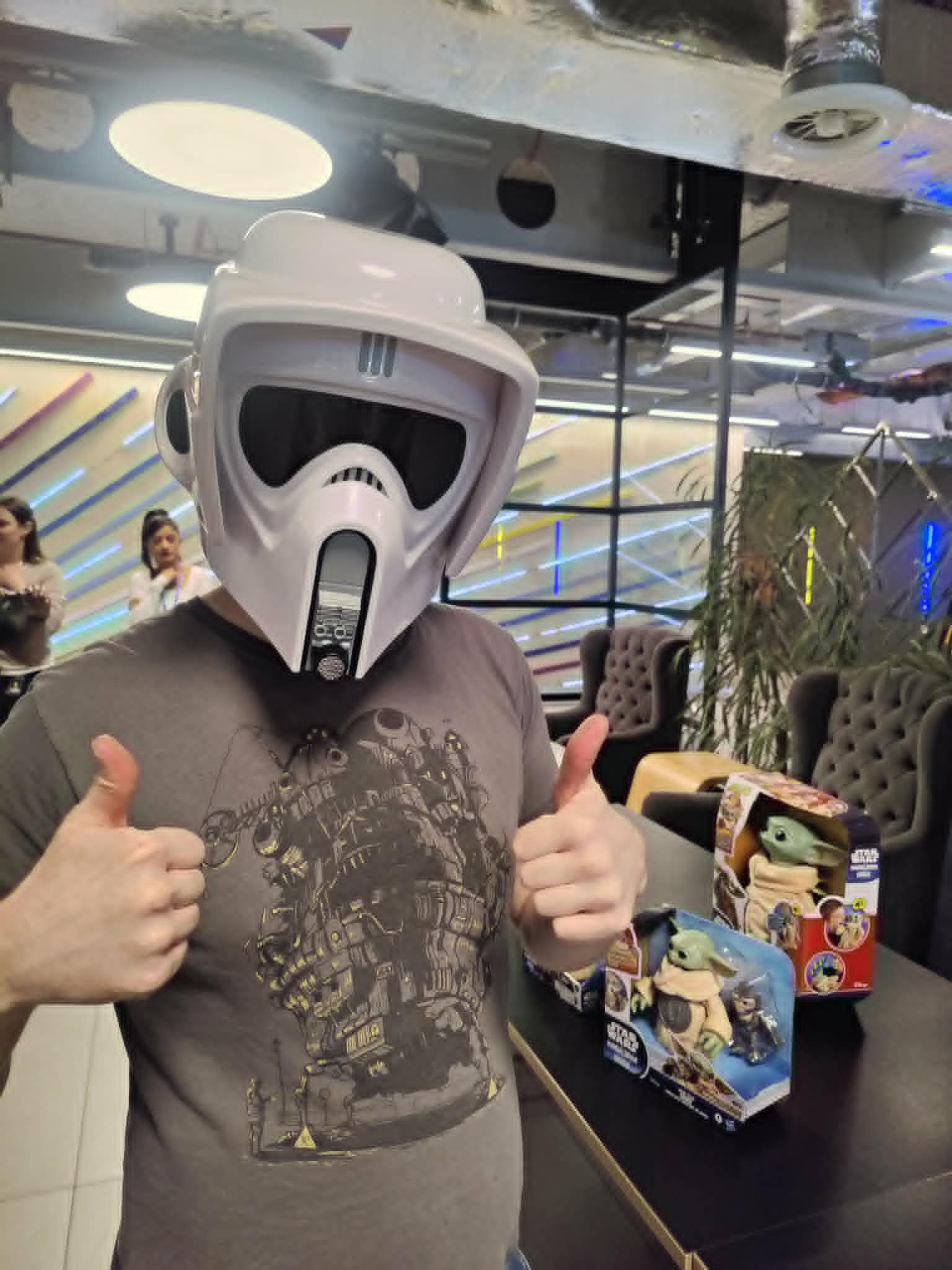
"Sadly I was escorted from the premises when I tried to add myself to the cast list for the new Stargate show they’re working on."
Editor's Note: If you would like to share your photography with Space.com's staff and readers, then please send your photo(s), comments, and your name and location to spacephotos@space.com.