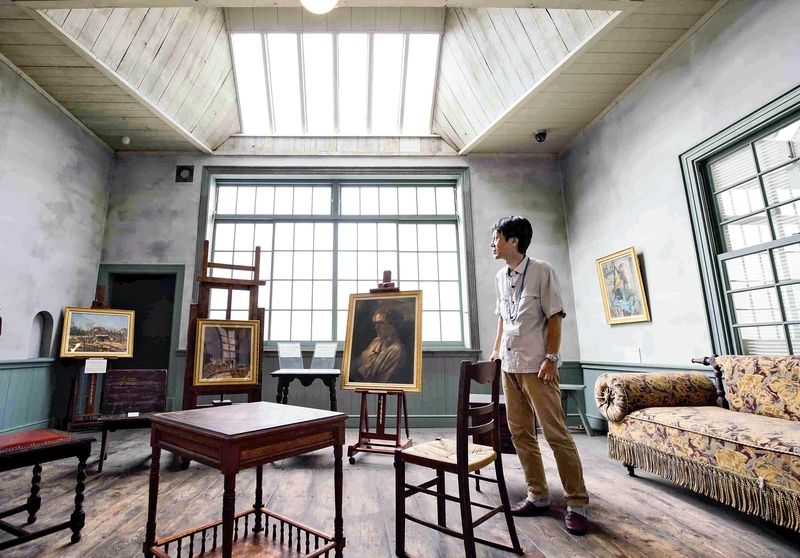
The Nakamura Tsune Memorial Atelier houses a reproduction of the studio-cum-residence used late in the life of Tsune Nakamura (1887-1924), a Western-style painter who was active during the Meiji (1868-1912) and Taisho (1912-1926) eras.
The Western-style building with a gable roof that houses the studio, as well as a Japanese-style building and garden planted with plum, camellia and fragrant olive trees, sits on a lot of roughly 450 square meters.
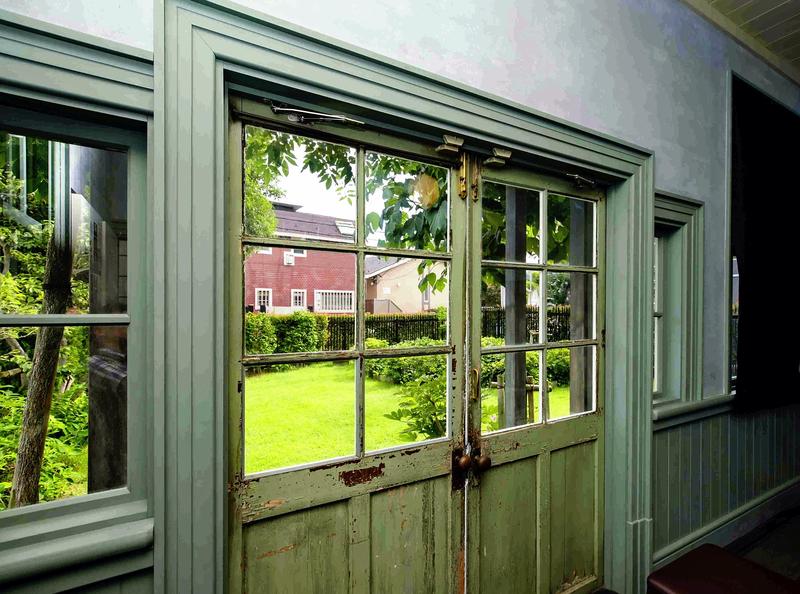
The studio comes complete with reproductions of Nakamura's chairs, sofas and other items, all illuminated by gentle sunlight that pours through the skylight.
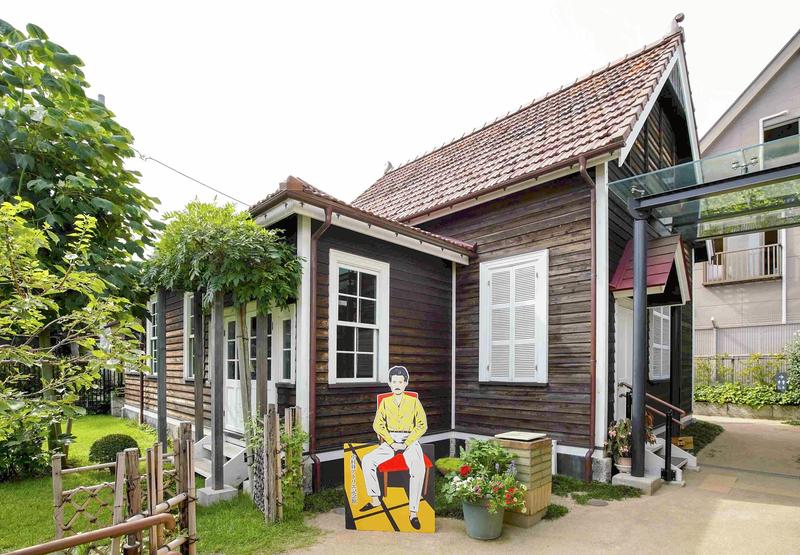
Nakamura, who burned bright but died young, continued his creative work until his death. Born in Mito, he aspired to be a soldier, but gave up after being diagnosed with pulmonary tuberculosis just before graduating from an army cadet school. While receiving treatment, he decided to become a painter.
His talent blossomed in a style inspired by artists, such as Renoir, Cezanne and Rembrandt, and his work was selected for the Bunten, an art exhibition sponsored by the then education ministry.
Nakamura was soon invited by the couple who founded Shinjuku Nakamuraya to live in a studio behind their restaurant. They had created a sort of salon where artists and others could interact.
The couple's daughter became a model for Nakamura's pictures and he wanted to marry her. Nakamura's wish was rejected by the couple, so he cut off almost all ties.
The heartbroken artist then moved to the Shimo-Ochiai area of Shinjuku Ward, where he built the studio and residence that is now the site of the memorial atelier.
Despite deteriorating health, Nakamura continued to wield his brush while living in the parlor contiguous to the studio. His painter friends would stop by to draw together. One of these was Goro Tsuruta, with whom Nakamura competed in drawing a portrait. Nakamura's version, "Portrait of Vasilii Yaroschenko," has been designated an important national cultural property.
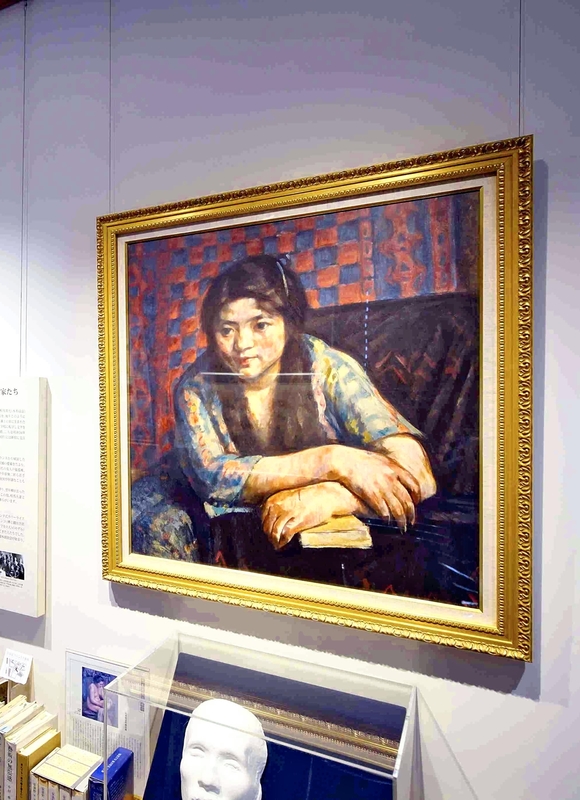
After Nakamura's death, Tsuruta was among those who organized and preserved his possessions and worked to publish a collection of his letters and poems.
"I want people to feel Nakamura's passion for creating great works until the end," said Rika Goto, staff of the Shinjuku Historical Museum that manages the atelier.
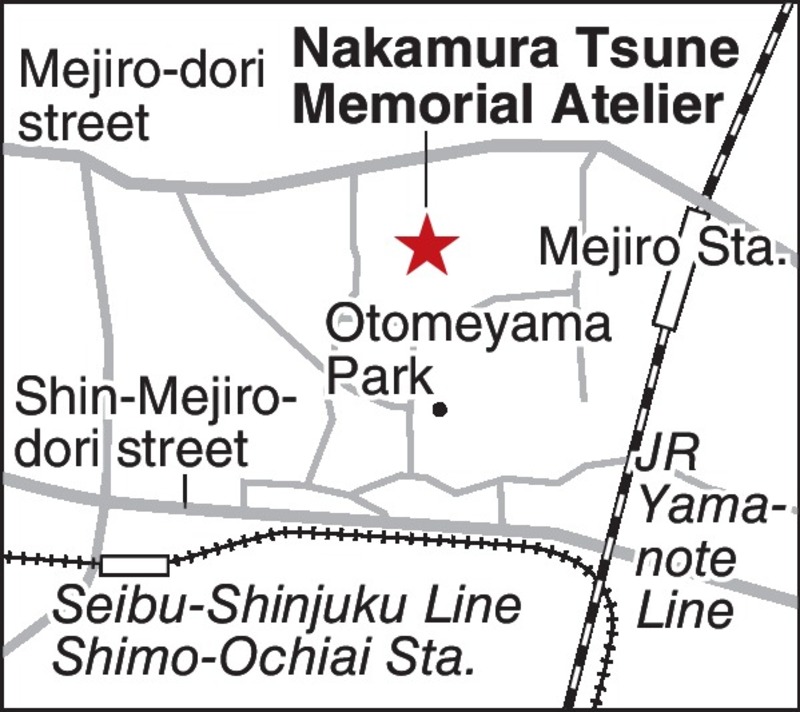
-- Nakamura Tsune Memorial Atelier
Opened in March 2013, the site features reproductions of structures as they appeared when Nakamura was alive. There is also a reproduction of Nakamura's studio at the Museum of Modern Art, Ibaraki, in Mito, where his chairs, easels and other possessions are preserved.
Address: 3-5-7 Shimo-Ochiai, Shinjuku Ward, Tokyo
Open: 10 a.m. to 4:30 p.m. Closed Mondays.
Admission: Free
Information: (03) 5906-5671
Read more from The Japan News at https://japannews.yomiuri.co.jp/