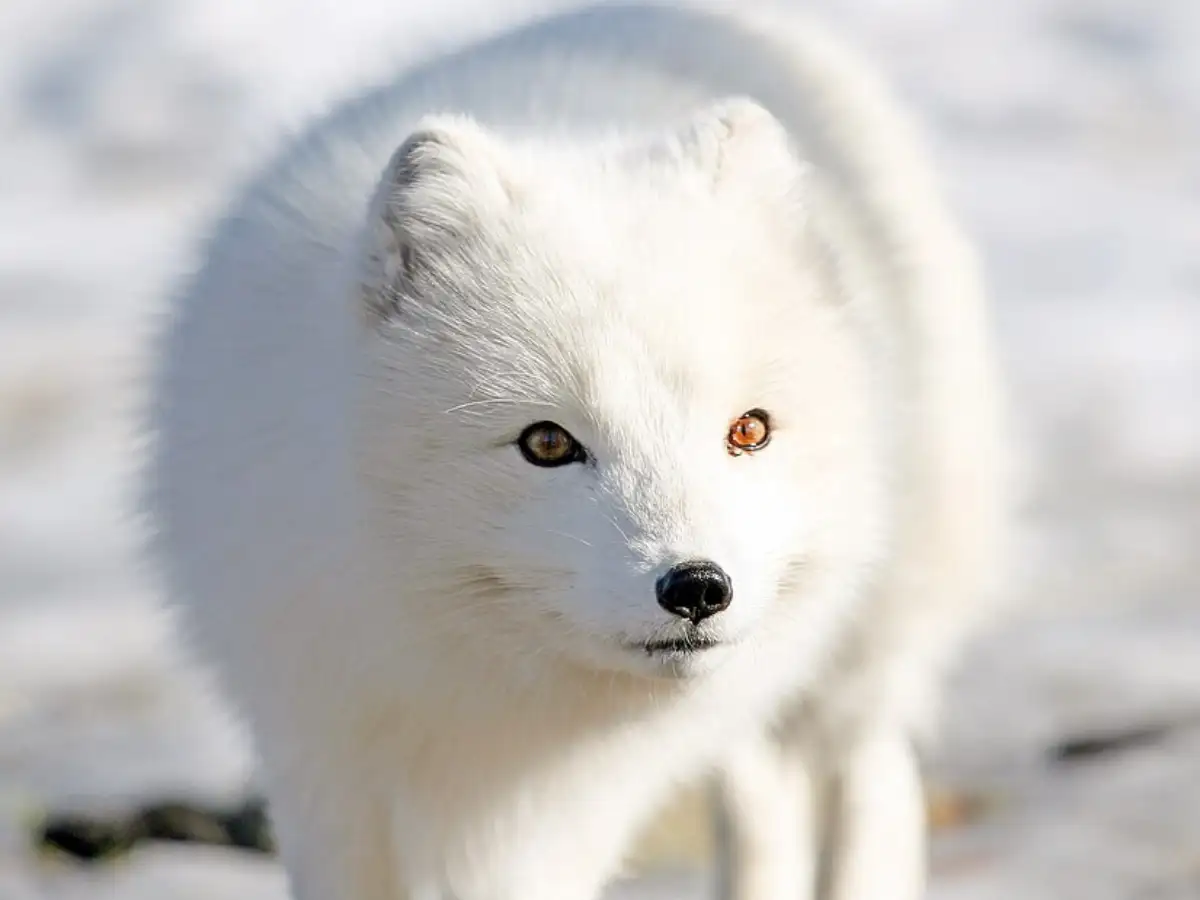
Picture a string of remote Alaskan islands so lush they resembled gigantic meadows floating in the Bering Sea. Now think of those very islands, decades later, stripped of their low scrubby plants, with few birds left in the sky. That transformation actually happened, and the surprising culprit was foxes.
In the study ‘Introduced Predators Transform Subarctic Islands from Grassland to Tundra,’ published in Science, biologist Donald Croll and co-authors found that introducing Arctic foxes to Alaska’s Aleutian Islands devastated local seabird colonies. It changed island ecosystems, replacing grassy areas with tundra. This is a pretty wild example if you ever wondered how one small human decision can quietly rewire nature for a century.
Why were foxes introduced to these islands in the first place
This story begins with money, not malice. Russian traders made the first recorded fox introduction in 1750, releasing arctic foxes on Attu Island, the westernmost island in the chain, according to a historical U.S. Fish and Wildlife Service report by biologist Edgar Bailey. But it was in the late 1800s that the practice turned into a full-blown industry: after the U.S. bought Alaska in 1867, the government began formally leasing Aleutian islands for commercial fox farming in 1882, and fur traders ramped up releases island by island. By the 1930s, more than 450 islands had been stocked, with demand peaking between 1915 and 1936, according to the U.S. Fish and Wildlife Service.
It was essentially an early, unregulated fur farming business. Traders put foxes on the islands because ground-nesting birds provided an easy food source. Great for the fur trade. Horrible for pretty much everything else living there.