A state government has announced a record $37 million boost to take on an outback city's lead crisis in a bid to break the toxic cycle.
NSW Environment Minister Penny Sharpe on Friday announced the funding to "strengthen and expand" the government's response to legacy lead contamination in Broken Hill, in far west NSW.
The four-year funding in the 2026-27 NSW budget will double the number of homes remediated each year and support ongoing testing of lead levels in blood for kids, particularly Indigenous children.
Education programs will be expanded, and lead considerations will be embedded into pediatric development and broader health programs, with a strong focus on early intervention for any at-risk children and families.
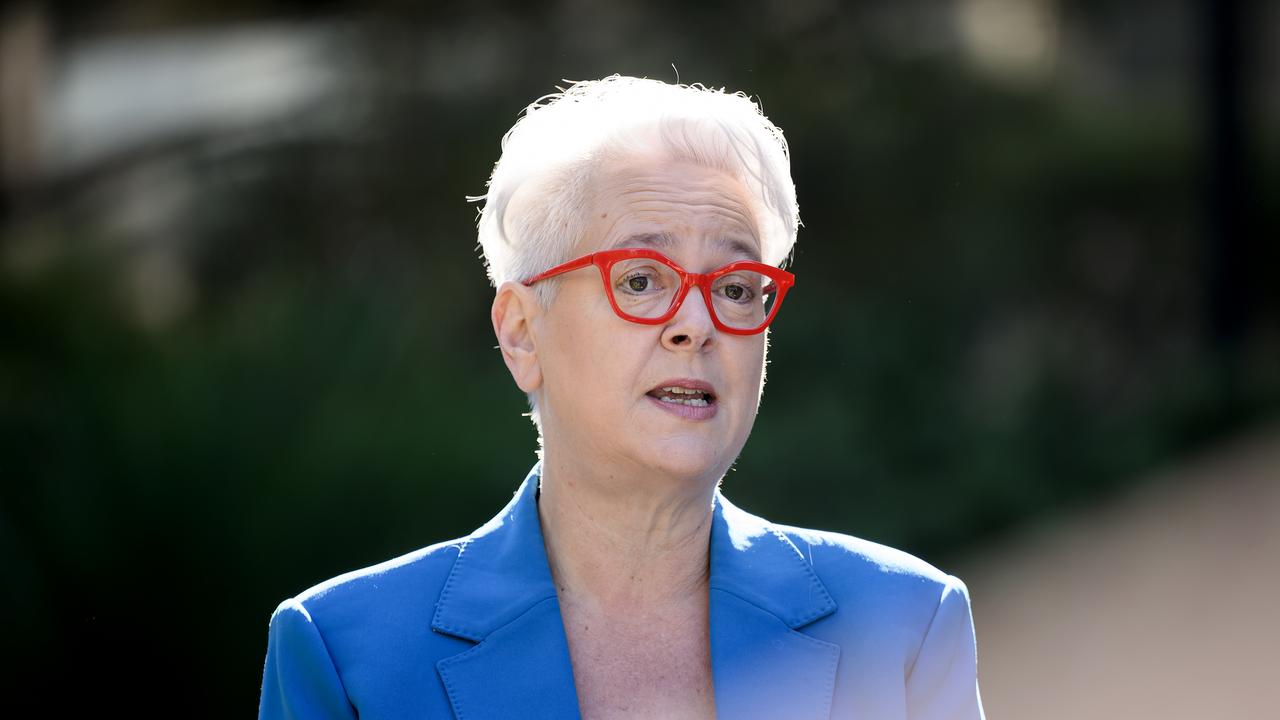
''No child should be put at risk from the environment they grow up in," Ms Sharpe said.
''We are pivoting to a proactive, targeted and preventative program, designed to reduce lead exposure in children before harm occurs and break the cycle of lead-related disadvantage in Broken Hill.''
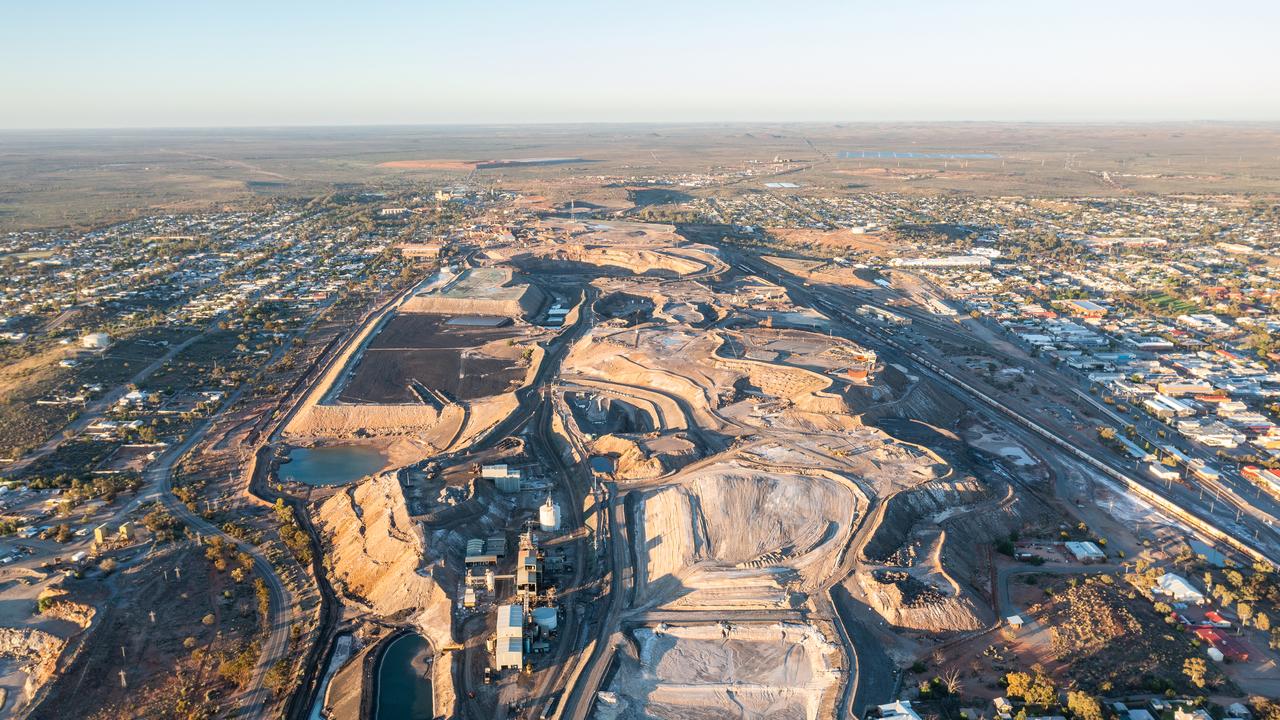
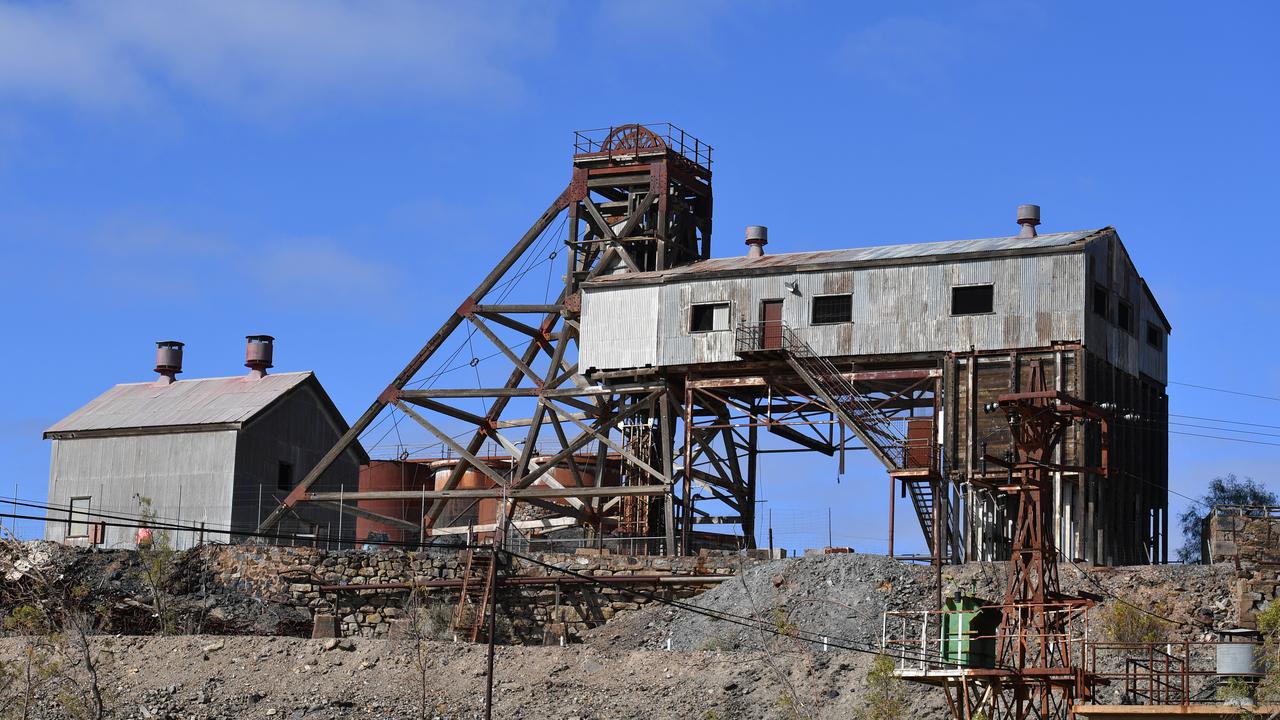
Known as the Silver City, Broken Hill faces a significant legacy-lead contamination crisis from over a century of mining, combined with naturally dry conditions.
For more than 140 years, the extraction of lead, zinc, and silver has caused severe soil contamination throughout the city.
This toxic legacy persists, as dust containing these heavy metals regularly re-contaminates residential yards, houses, and communal areas.
The ingestion of these fine particles, especially via hand-to-mouth contact, presents serious threats to cognitive and developmental health.
Constructed from timber and corrugated iron, many pre-1970s residences are susceptible to dust infiltration.
The presence of aging lead-based paint in numerous older dwellings also adds to the accumulation of lead dust within homes.
Data from 2025 shows 35 per cent of children aged one to five, and 56 per cent of Aboriginal children of the same age, had blood lead levels above national health investigative guidelines.
Breaking down the funding:
* $12.7 million for the development and implementation of a zonal remediation program, targeting homes in known high-risk zones and houses of high-risk families to reduce lead contamination before exposure can occur
* $11.5 million for ongoing targeted remediation of homes of children who have recorded high blood lead levels
* $8.1 million for enhanced monitoring of emissions from existing mines and other local dust sources, and for the purchase of new soil and air monitoring equipment to help reduce lead and dust emissions at their source
* $2.5 million for ongoing community outreach, education, and awareness campaigns, including expansion of the LeadSmart program and hands-on education sessions at local schools and events