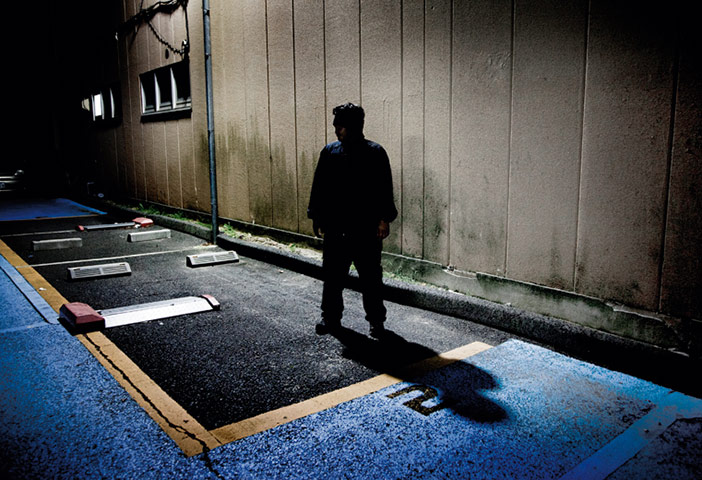
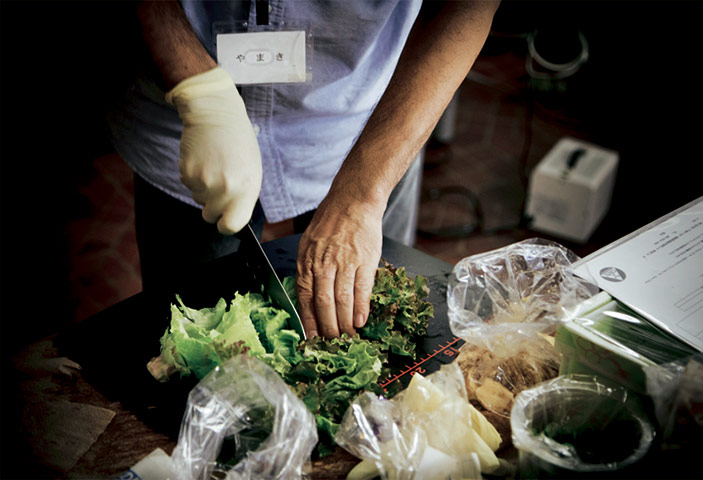
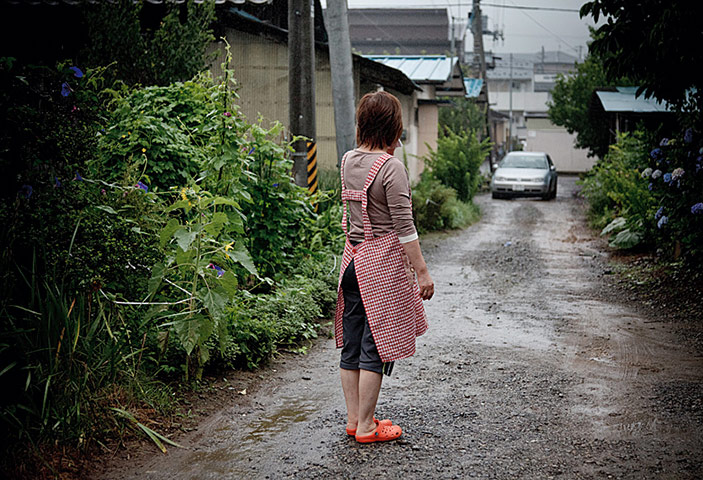
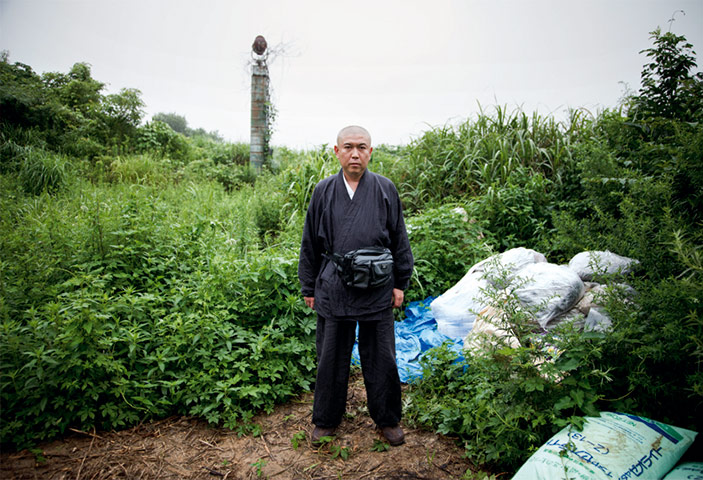
T is in his 30s, and has been working in nuclear industry for 10 years – he does not want to be identified. He was in Fukushima Dai-Ichi when the earthquake struck. Five months later, he is still working on the clear-up. He estimates he has been exposed to 50 millisieverts since 11 March - until this year, the Japanese government's guideline as to the annual permissible limit was 20. T also estimates than cumulating with his previous works, he might have been exposed to more than 70 millisieverts.Photograph: Jeremie Souteyrat for the GuardianAt the Citizen's Radioactivity Measuring Station, a Japanese NGO, residents can bring food to measure its level of radioactivity. Saito Rie, 34, has brought lettuce and pork to be checked.Photograph: Jeremie Souteyrat for the GuardianWorried about radiation, Masami Takano, 34, is moving to Shiga prefecture, 450km away. His mother is in tears as she watches him leave; she, too, plans to abandon her home town within a few months.Photograph: Jeremie Souteyrat for the Guardian
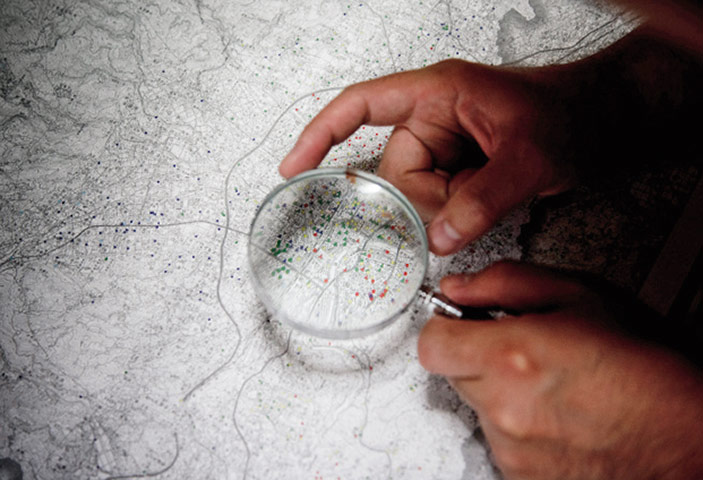
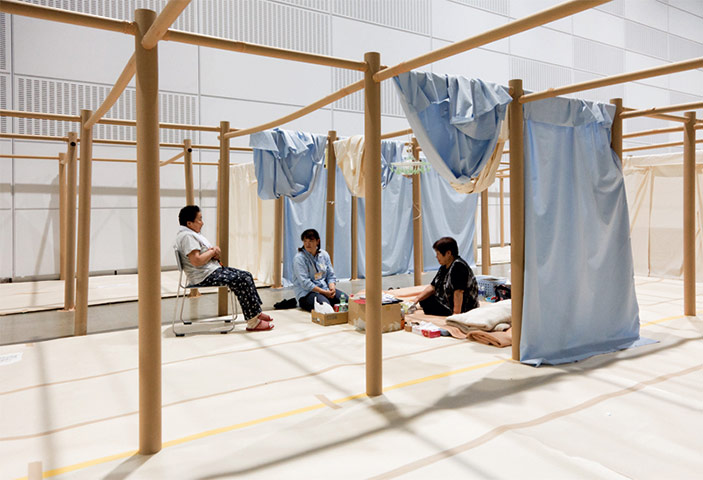
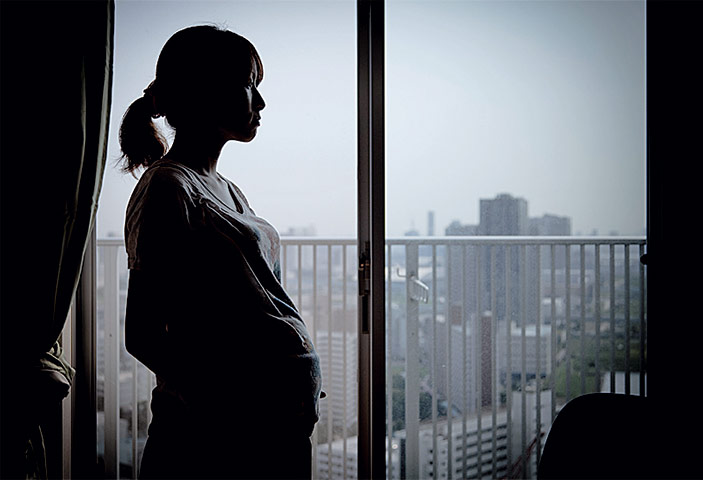
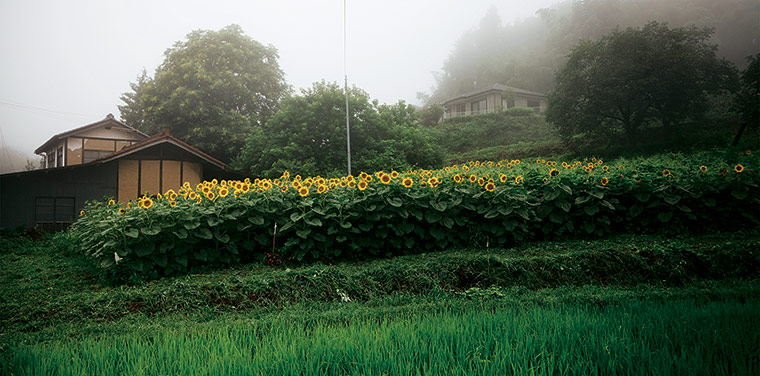
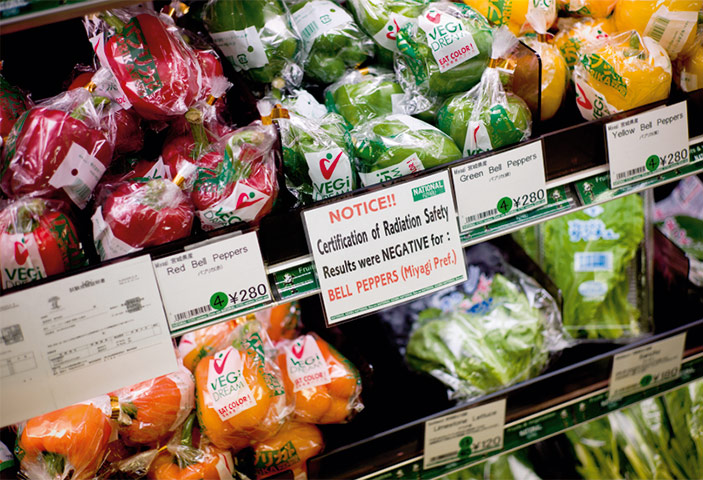
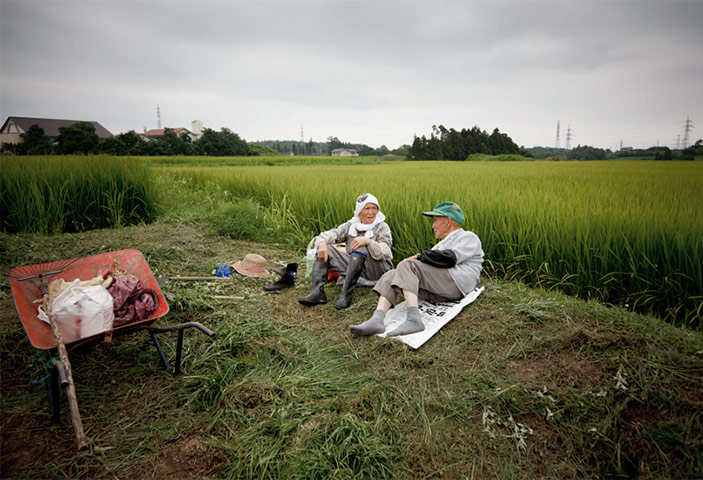
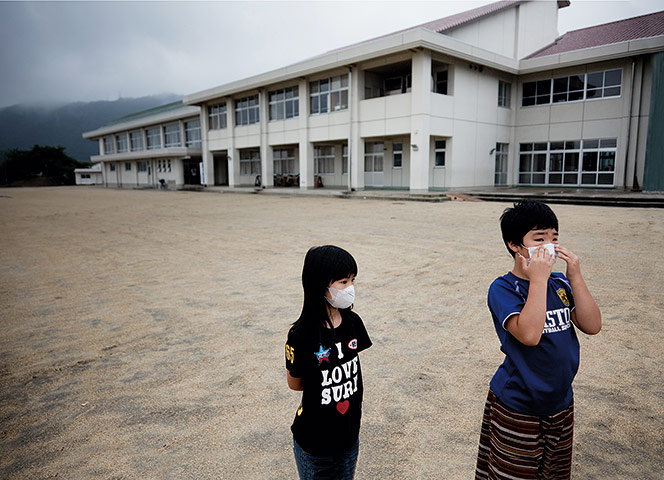
Masami Takano, 34, looks for the location of his house on a map of the radioactive mesurements made by the government in Fukushima city.Photograph: Jeremie Souteyrat for the GuardianPriest Koyu Abe in front of some of the contaminated garden soil he lets residents dump on the hillside beside his temple – so far he has 2.4 tonnes in all. Photograph: Jeremie Souteyrat for the GuardianEvacuees gain temporary respite amid the cardboard and curtains of the Koriyama 'Big Palette' shelter.Photograph: Citizen's Radioactivity Measuring StationSachiko Masuyama, 29, in her new apartment on the 29th floor of a Tokyo block. She escaped from her house in Minami-Soma (Fukushima prefecture), 25km from the nuclear power plant, in May. She took refuge in a public housing unit in Tokyo with her husband and two children. She is due to give birth to a third child in November.Photograph: Jeremie Souteyrat for the GuardianSunflowers planted on contaminated fields in Toishi, near Fukushima city. They are supposed to absorb radioactive substances.Photograph: Jeremie Souteyrat for the GuardianIn National Azabu, a supermarket that targets the foreign community in Tokyo, signs of certification declare vegetables that are safe from radiation. Many now prefer to place their trust in imported foods.Photograph: Jeremie Souteyrat for the GuardianTwo rice field workers in their 80s have a rest in Hiwada, 50km from the Fukushima Daiichi nuclear power plant. Rice contamination could be a major issue after the harvest in October.Photograph: Jeremie Souteyrat for the GuardianFu Nishikata, eight, and her brother Kaito, 12, on the playground of the school they left on 1 April when they were evacuated Yonezawa, 50km away. Their mother, Kanako Nishikata, is member of a group of parents for the protection of Fukushima children.Photograph: Jeremie Souteyrat for the Guardian
Sign up to read this article
Read news from 100’s of titles, curated specifically for you.