Fukushima nuclear plant emergency: week two - in pictures
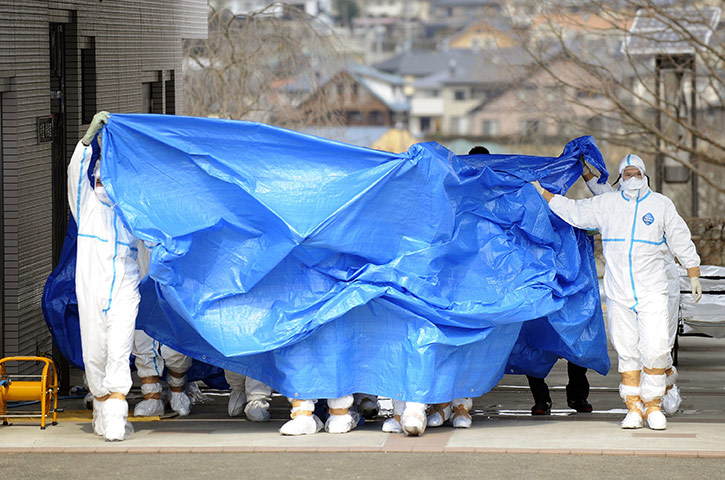
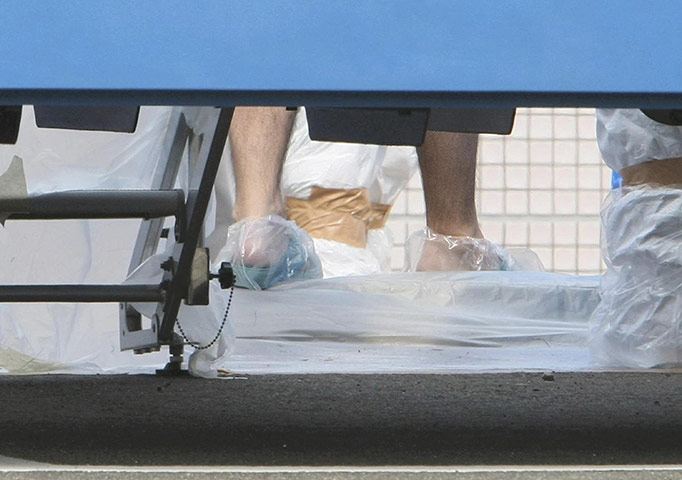
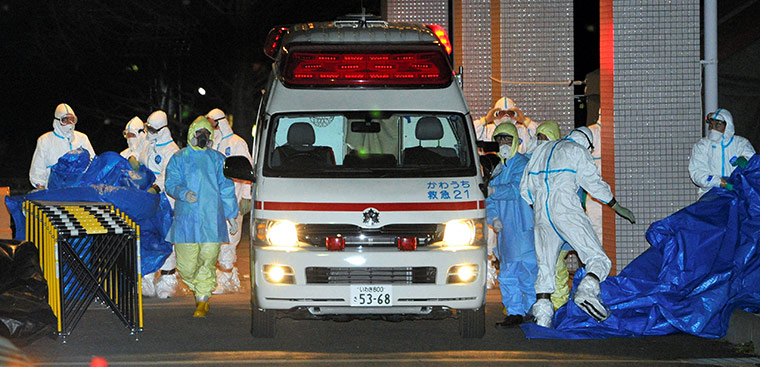
Friday 25 MarchPhotograph: GuardianFriday 25 March: Workers, who stepped into radiation-contaminated water during Thursday's operation at the Fukushima No 1 nuclear plant, are shielded with tarps before receiving decontamination treatment at a hospital in Fukushima. Later the men were transferred to a radiology medical institute for further treatmentPhotograph: APFriday 25 March: Feet, believed to be of one of workers who stepped into contaminated water on Thursday during their operation at the Fukushima No 1 nuclear plant, seen as the workers were transferred to hospitalPhotograph: Takuya Yoshino/AP
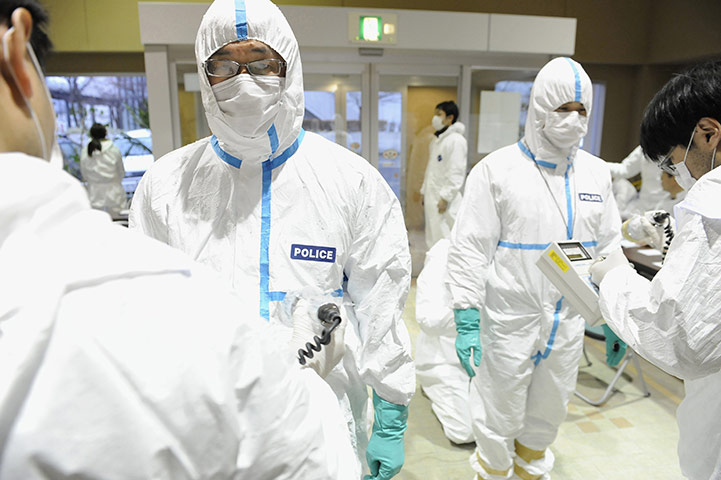
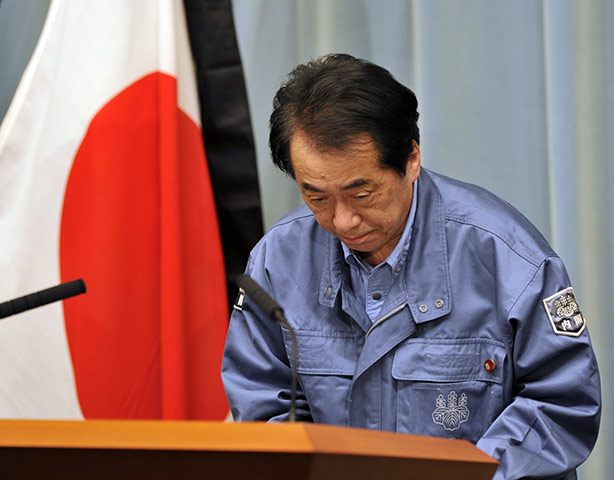
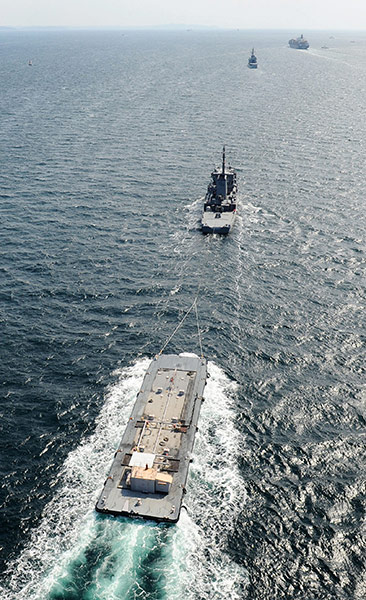
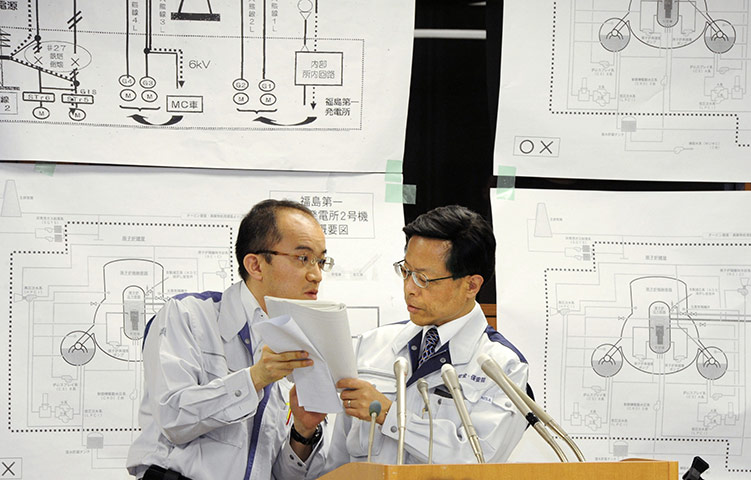
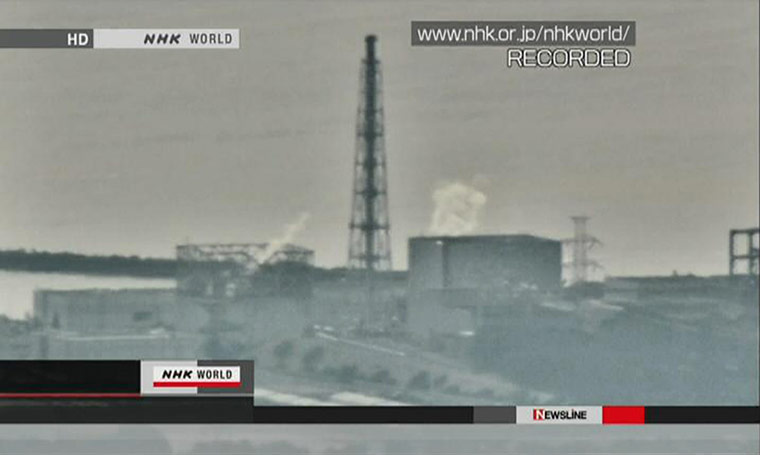
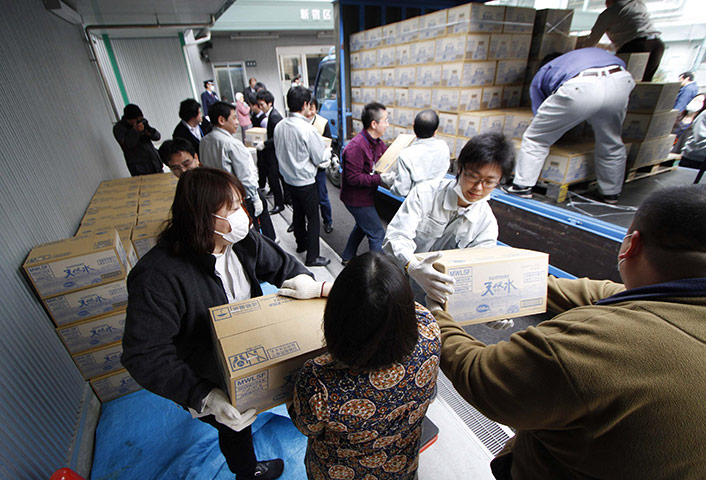
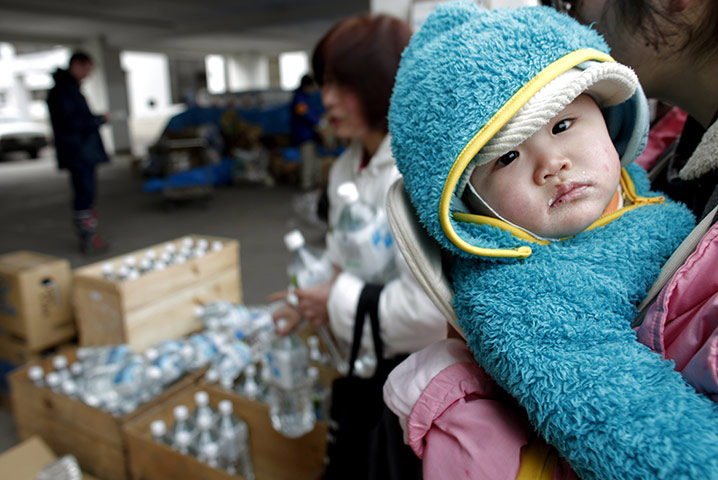
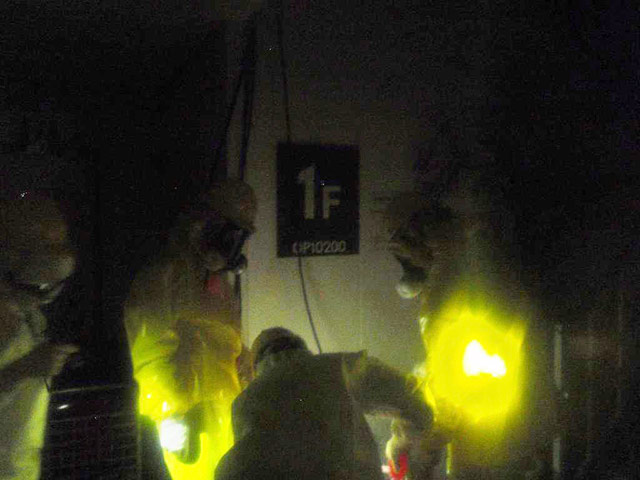
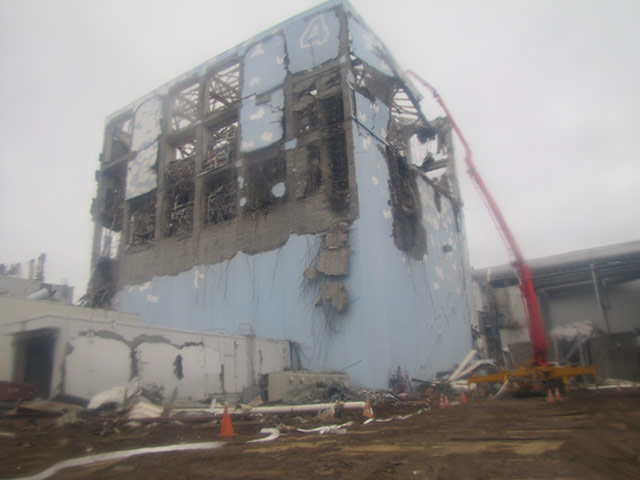
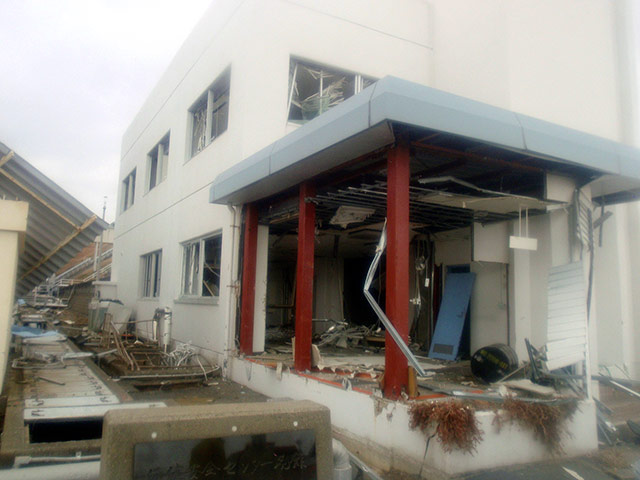
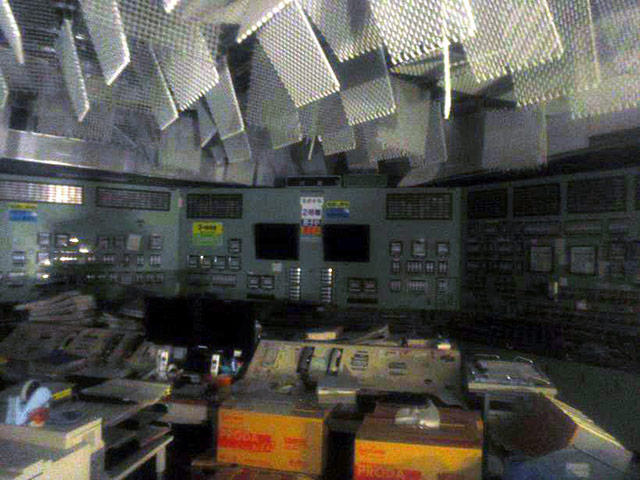
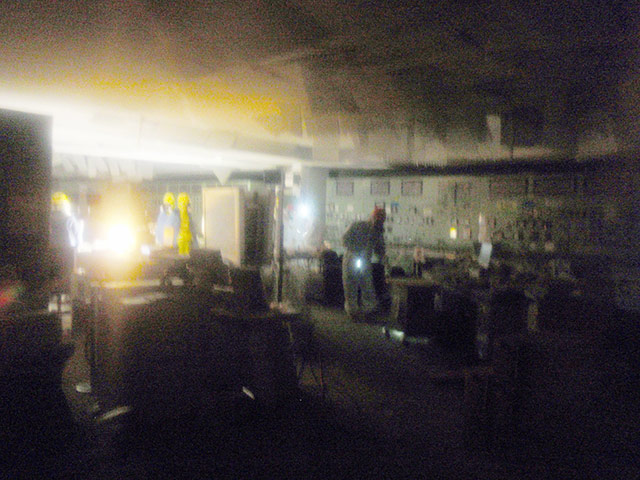
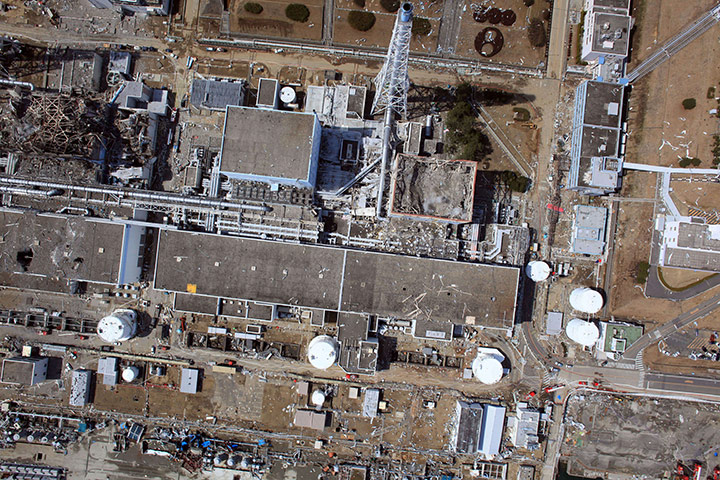
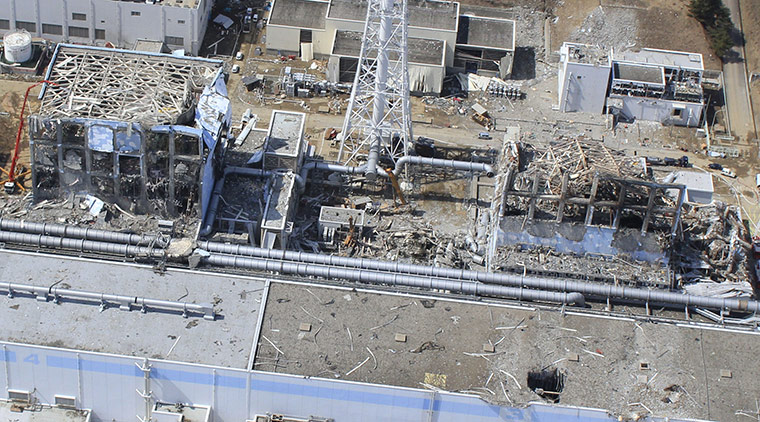
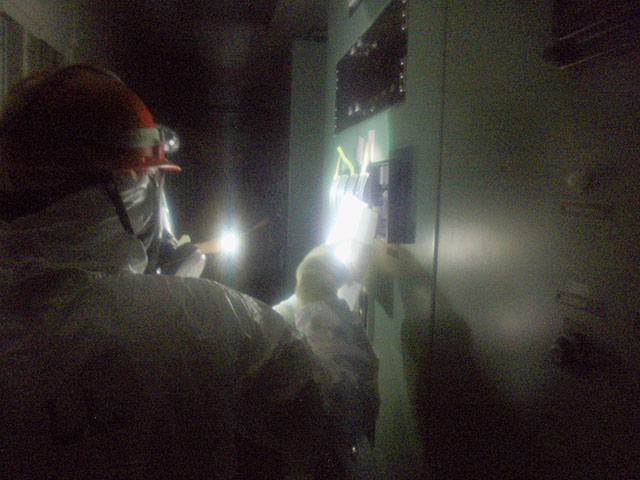
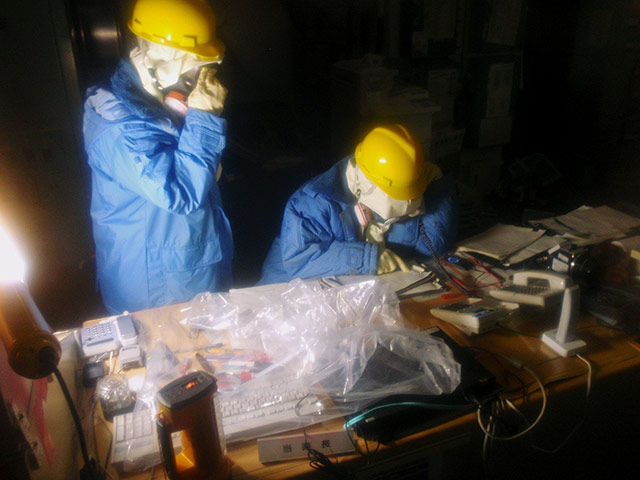
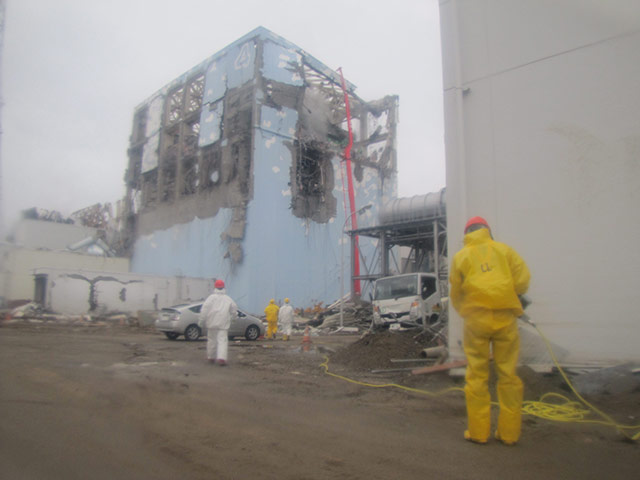
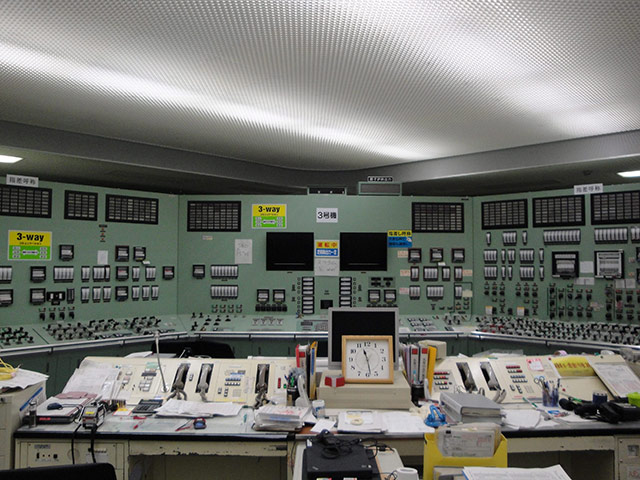
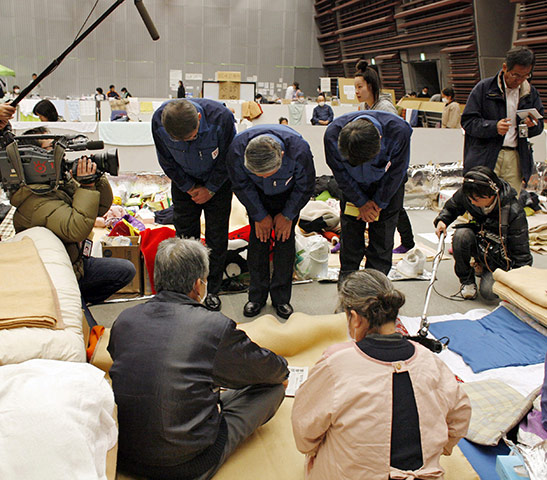
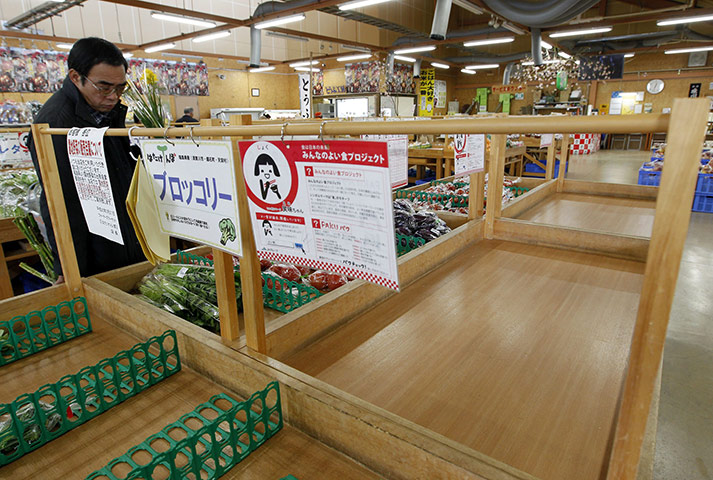
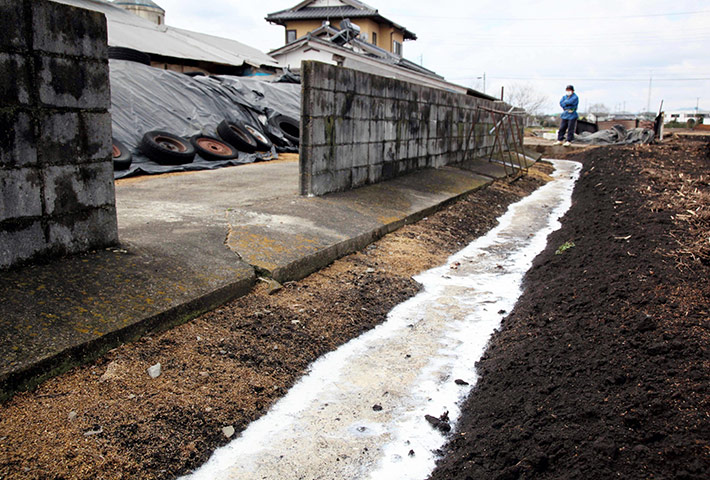
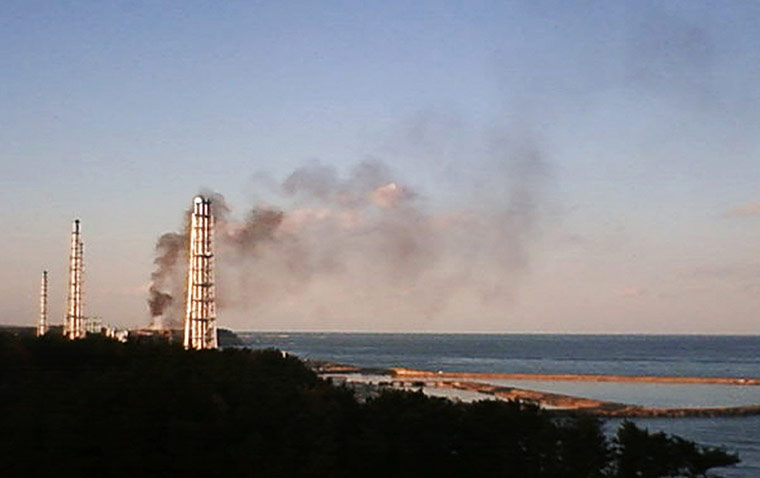
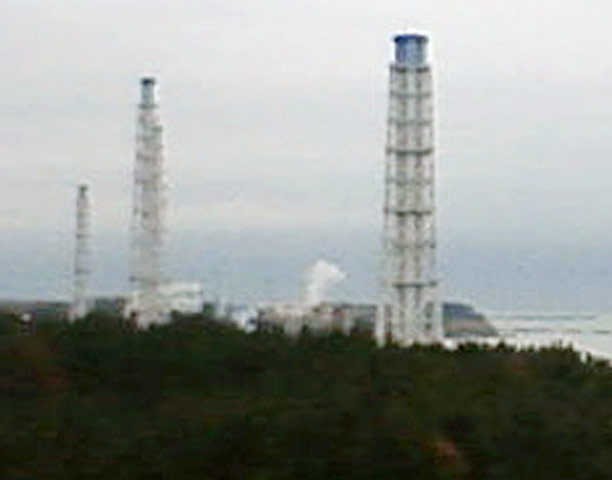
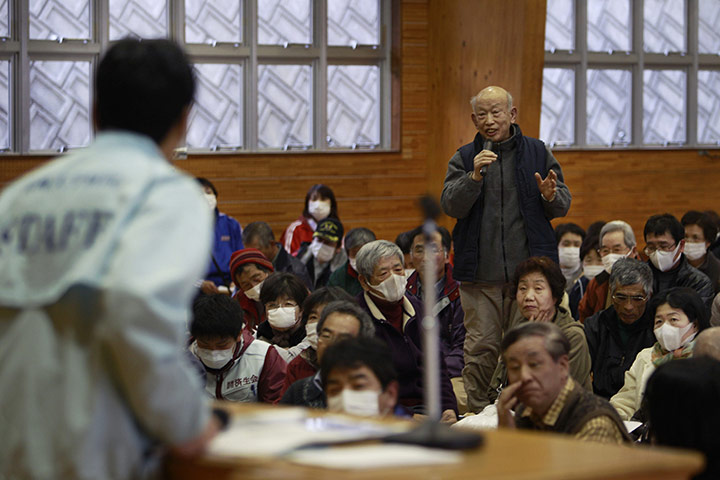
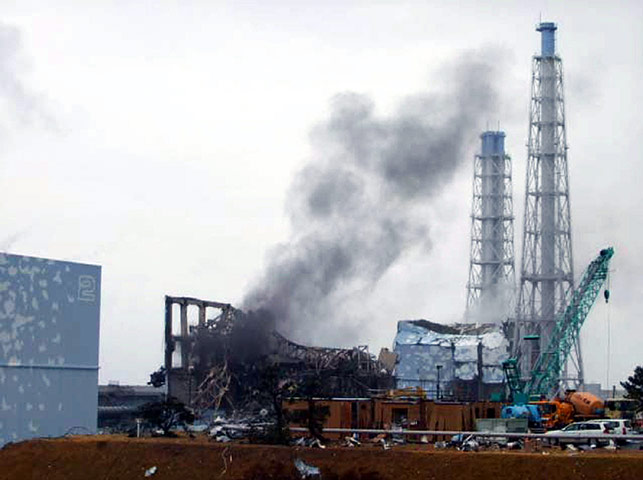
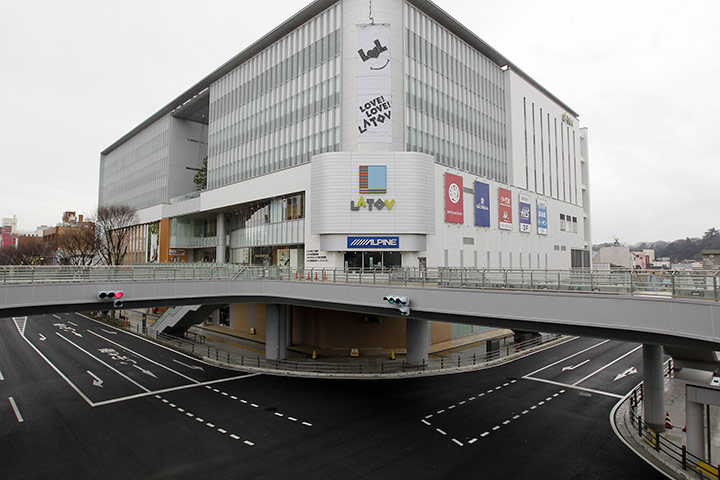
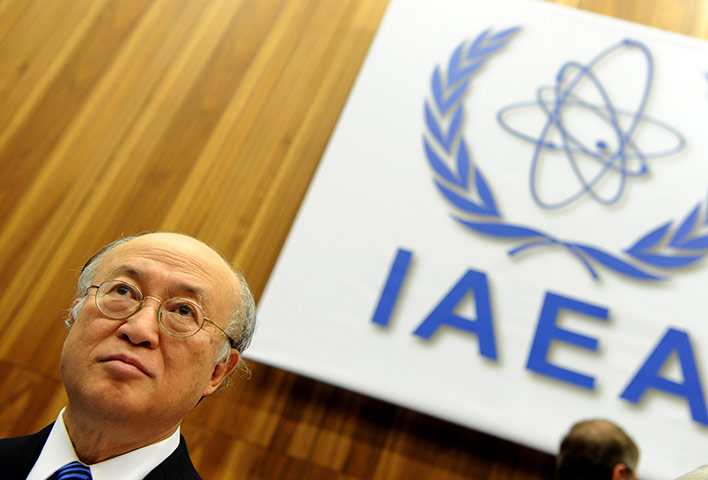
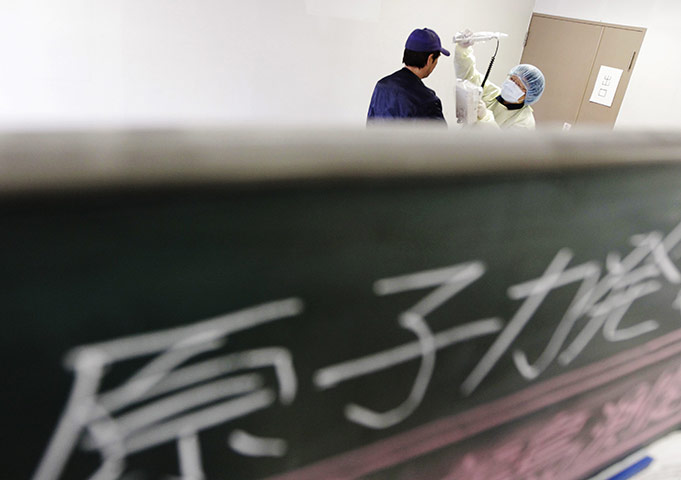
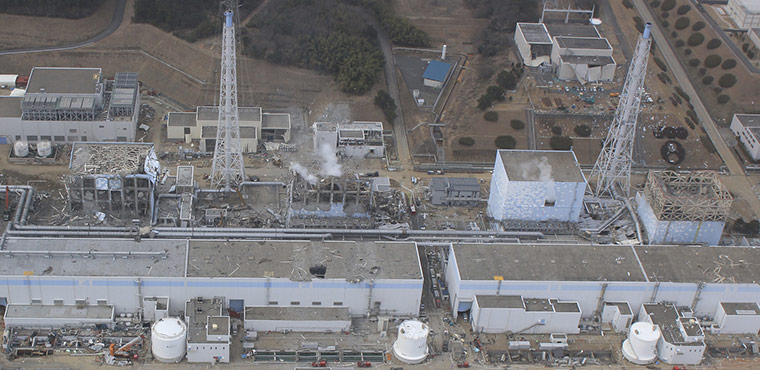
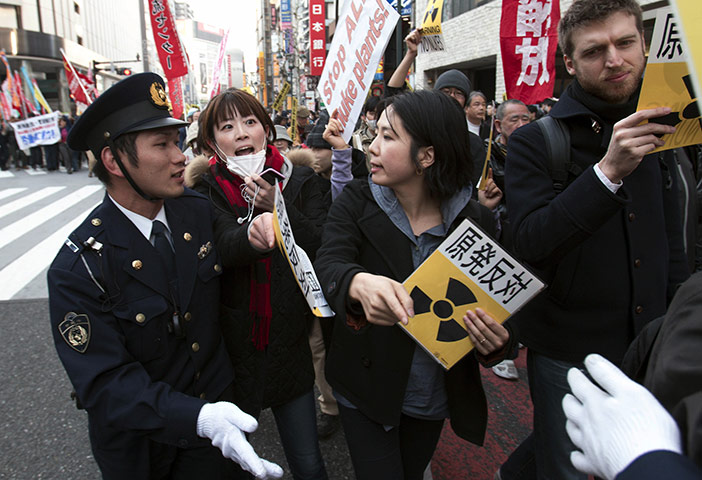
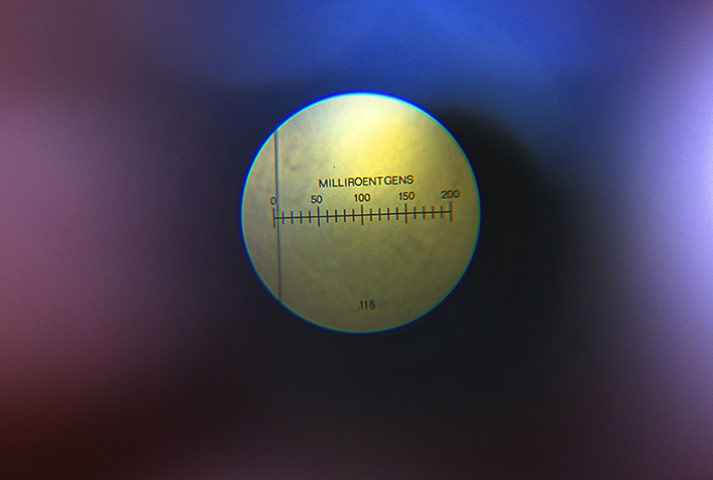
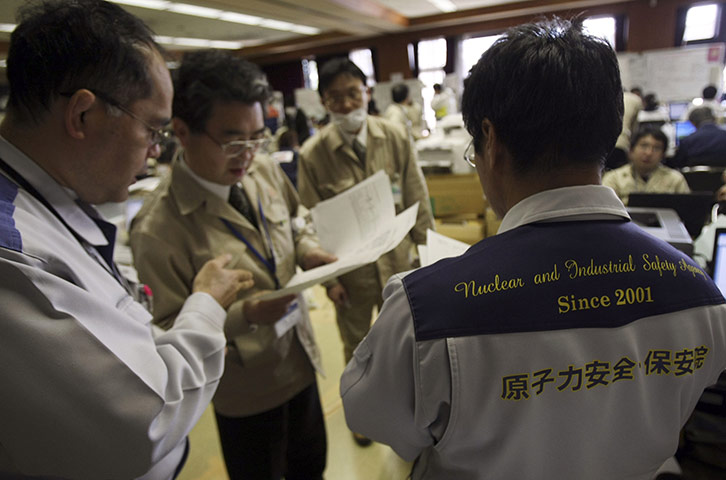
Friday 25 March: Police who have finished checking Minamisoma City for radiation are screened for radiation contamination in Kawamata, Fukushima prefecture. Japan said workers who suffered burns while trying to cool a crippled reactor were exposed to radiation levels 10,000 times higher than expected, adding to evidence that the crucial containment vessel for nuclear fuel had been rupturedPhotograph: Kyodo/ReutersFriday 25 March: Japan's prime minister Naoto Kan bows as he delivers a message to the Japanese people at his official residence in Tokyo. He called on those hit by the devastating 11 March earthquake and tsunami to summon the courage to move forward and overcome Japan's worst post-war crisis. He also said that the situation at the disaster-hit Fukushima nuclear power plant was still "very unpredictable" and thanked those "risking their lives" to handle the disasterPhotograph: Yoshikazu Tsuno/AFP/Getty ImagesFriday 25 March: A Japanese auxiliary multipurpose support ship, the Hiuchi, pulls a US ship in Tokyo bay loaded with fresh water to be used at the crippled Fukushima No 1 nuclear power plantPhotograph: Kyodo News/APFriday 25 March: Nuclear and Industrial Safety Agency spokesman Hidehiko Nishiyama, right, talks with his aide during a press conference on the crippled Fukushima No 1 nuclear complex, in TokyoPhotograph: APThursday 24 MarchPhotograph: GuardianThursday 24 March: Two workers, exposed to high-level radiation during the operation at the Fukushima No 1 nuclear plant, are sent to the Fukushima Medical University HospitalPhotograph: The Asahi Shimbun/Getty ImagesThursday 24 March: Smoke rises from the nuclear reactors of Fukushima Daiichi nuclear plant in Tomioka, Fukushima prefecturePhotograph: HO/ReutersThursday 24 March: A small unmanned drone is pictured before flying over the crippled Fukushima plant to take aerial photosPhotograph: APThursday 24 March: City workers move part of a shipment of 240,000 bottles of water to be distributed to government offices around Tokyo. It is part of a programme to supply infants with uncontaminated water after radiation from the damaged nuclear complex briefly made tap water unsafe for babiesPhotograph: Toru Hanai/ReutersThursday 24 March: A woman holds a baby as a family member collects bottled water at a food distribution centre in Yamada, Iwate prefecturePhotograph: Carlos Barria/ReutersThursday 24 March: The Tokyo governor, Shintaro Ishihara, drinks tap water at the Kanamachi water plant in an attempt to reassure residents of the safety of tap waterPhotograph: STR/AFP/Getty ImagesWednesday 23 MarchPhotograph: GuardianWednesday 23 March: A handout made available by the Japanese Nuclear and Industrial Safety Agency shows employees of Tokyo Electric Power working to restore power to the central control rooms at Unit 1 and Unit 2 of Fukushima No 1 nuclear plantPhotograph: Nuclear And Industrial Safety Ag/EPAWednesday 23 March: The central control room of No 1 plant at Fukushima after the lighting was recovered the previous day Photograph: TEPCO /EPAWednesday 23 March: This handout picture, taken by Japan's Nuclear and Industrial Service Agency shows a destroyed building of Tepco's Fukushima No 1 power plantPhotograph: Nuclear And Industrial Safety Ag/AFP/Getty ImagesWednesday 23 March: The control room of the second reactor at Fukushima. High levels of radiation in water two days later forced engineers to suspend their work at reactors 1 and 2Photograph: Handout/EPAWednesday 23 March: Handout photo from the Japan's Nuclear and Industrial Safety Agency shows Tokyo Electric Power Company workers checking the parameters of instruments in the central control room at the Fukushima Daiichi plantPhotograph: Kyodo/ReutersWednesday 23 March: Aerial view, taken by unmanned reactor No 1 at Fukushima. On the left is the reactor No 2Photograph: HO/AFP/Getty ImagesWednesday 23 March: An aerial photo taken by a small unmanned drone of reactor 4, left, and reactor 3 at Fukushima Photograph: APWednesday 23 March: A Tokyo Electric Power Company worker looks at gauges in the control room for Unit 1 and Unit 2 at the Fukushima Daiichi plantPhotograph: Nuclear and Industrial Safety Agency/APWednesday 23 March: Plant workers collect data in the control room for Unit 1 and Unit 2Photograph: Nuclear and Industrial Safety Agency/APWednesday 23 March: The central control room of Tepco's Fukushima No 1 nuclear plant after the lighting was recoveredPhotograph: Tepco/EPAWednesday 23 March: The central control room of Fukushima No 1 nuclear power plantPhotograph: Tepco/EPAWednesday 23 March: Norio Tsuzumi (centre), vice-president of Tokyo Electric Power Company, and his employees bow their heads to apologise to evacuees at a shelter in Koriyama, FukushimaPhotograph: Go Takayama/AFP/Getty ImagesWednesday 23 March: A shopper looks at empty shelves where locally grown vegetables used to be for sale in the city of Sukagawa, Fukushima. Today Japan ordered four prefectures near the stricken nuclear plant to stop shipping a range of farm products found to have elevated radiation levelsPhotograph: Ken Shimizu/AFP/Getty ImagesWednesday 23 March: A farmer looks on as radioactive milk is poured into the soil at a dairy farm in Mito town, Ibaraki prefecturePhotograph: EPATuesday 22 MarchPhotograph: GuardianTuesday 22 March: In this photo from video footage released by Tepco, smoke billows from the crippled Fukushima Daiichi nuclear plantPhotograph: APTuesday 22 March: White smoke billows from Fukushima Daiichi nuclear plantPhotograph: APTuesday 22 March: A resident explains his fears during a town hall meeting on the impact of radiation exposure from the Fukushima nuclear plantPhotograph: Wally Santana/APMonday 21 MarchPhotograph: GuardianMonday 21 March: This picture released by Tepco via Jiji Press shows black smoke rising from reactor No 3 of the No 1 plantPhotograph: AFP/Getty ImagesMonday 21 March: The streets are empty at a shopping mall in Iwaki, Fukushima prefecture, due to fears of radioactive falloutPhotograph: Ken Shimizu/AFP/Getty ImagesMonday 21 March: International Atomic Energy Agency (IAEA) director-general, Yukiya Amano, opens the board of governors conference at the agency headquarters in Vienna. The top-level meeting was held as Japan reported 'slow but steady progress' in dealing with the nuclear crisisPhotograph: Samuel Kubani/AFP/Getty ImagesSunday 20 MarchPhotograph: GuardianSunday 20 March: Satoru Shito, who evacuated from Minami Soma in Fukushima, receives a screening test for traces of nuclear radiation at a welfare centre in YamagataPhotograph: Yuriko Nakao/ReutersSunday 20 March: Aerial photo taken by a small unmanned drone shows the following reactors at Fukushima: from right, Unit 1, Unit2, Unit 3 and Unit 4Photograph: APSunday 20 March: People confront police during an anti-war and anti-nuclear march in TokyoPhotograph: Gregory Bull/APSaturday 19 MarchPhotograph: GuardianSaturday 19 March: An image taken through the scope of a radiation detection device shows a small dose of radiation in units of milliroentgens, a unit of measure of ionising radiation. A patient is exposed to an average of 20 milliroentgens of radiation during a regular x-ray examPhotograph: Wally Santana/APSaturday 19 March: Government and nuclear specialists at the emergency rescue headquarters analyse data on the radiation leaked from the Fukushima nuclear plantPhotograph: Wally Santana/AP
Sign up to read this article
Read news from 100’s of titles, curated specifically for you.